
Sleep & Circadian Disorders

Pediatric Insomnia

Pediatric insomnia occurs when a child regularly has difficulty falling asleep or staying asleep, even when there is enough time and opportunity to sleep. Some children also struggle to return to sleep after waking during the night.

Sleep difficulties can affect a child’s mood and behavior during the day. They can also interfere with learning and disrupt sleep for other family members.

Insomnia can be temporary, particularly during illness or periods of stress or change. When sleep problems persist, they may be related to underlying health conditions or habits and routines that make it difficult to settle at bedtime.

Understanding what is affecting a child’s sleep can help families find appropriate treatment and establish healthier sleep patterns.

How pediatric insomnia is different

Pediatric insomnia can look different depending on a child’s age. Younger children often struggle with bedtime routines or falling asleep independently, while older children and teenagers may experience worries or changes in their natural sleep timing.

  • Infants: Frequent nighttime waking is normal. Persistent sleep difficulties should be assessed in the context of the infant’s development and health.
  • Toddlers and preschoolers: Bedtime resistance, repeated requests, and difficulty falling asleep without caregiver support are common.
  • School-aged children: Bedtime fears, worries, and difficulty settling independently can interfere with sleep.
  • Teenagers: A natural shift toward later sleep times, combined with early school schedules, can make it difficult to get enough sleep.

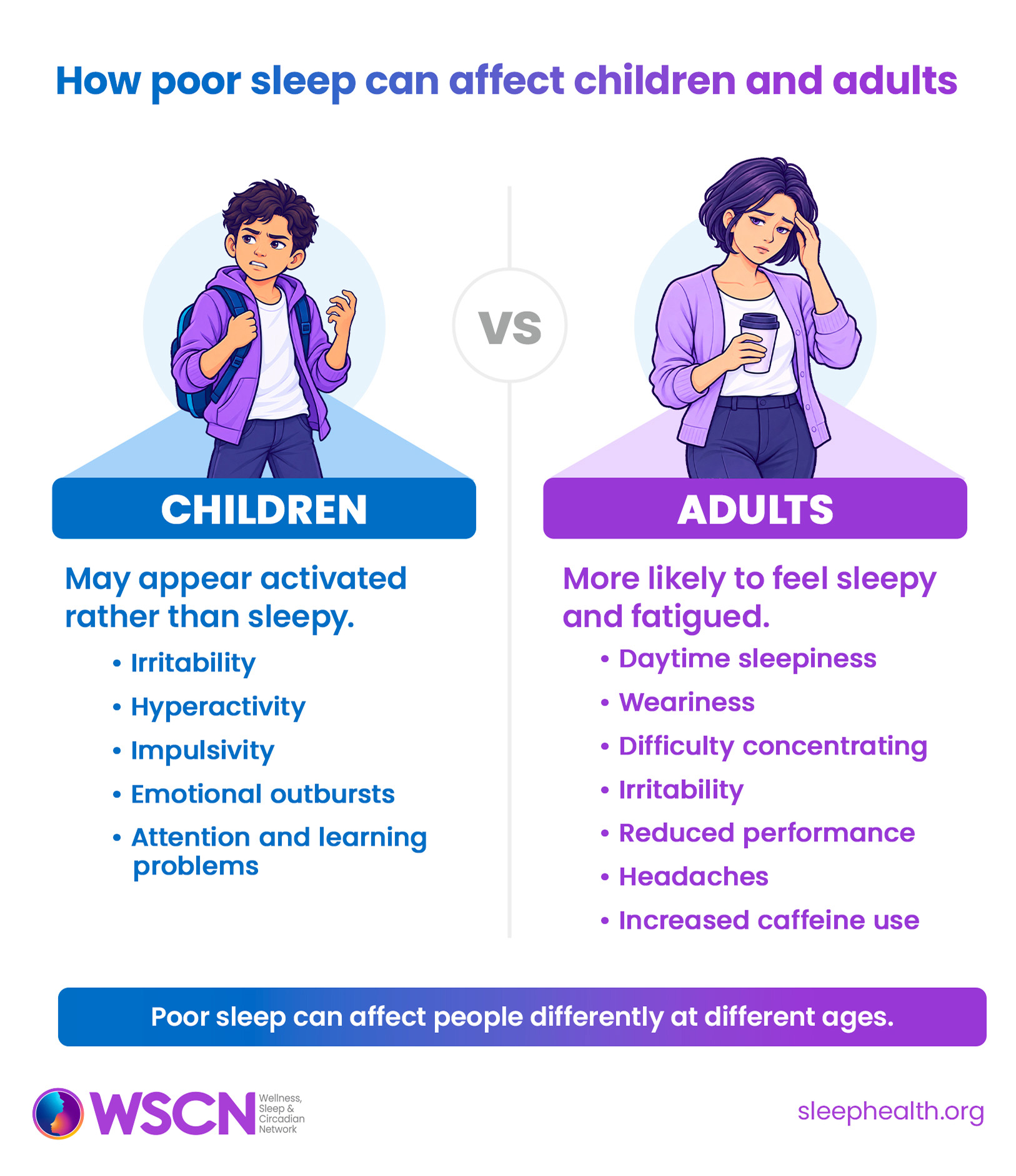
Children may show the effects of poor sleep through irritability, hyperactivity, or difficulty concentrating rather than obvious daytime sleepiness. These changes can affect learning and behavior throughout the day.

Caregivers play an important role in identifying and managing sleep difficulties in younger children. Older children and teenagers should also be involved in planning changes to their sleep routines.
Symptoms and evaluation

Pediatric insomnia can affect children differently depending on their age. Sleep difficulties often appear at bedtime or during the night, while their effects become noticeable the following day.

Nighttime Symptoms

Common signs include:

  • Difficulty falling asleep or taking a long time to settle
  • Repeated bedtime resistance or leaving the bedroom
  • Frequent nighttime waking or needing help to return to sleep
  • Waking earlier than intended

Daytime Symptoms

Children may also experience:

  • Difficulty waking or feeling tired during the day
  • Irritability or emotional outbursts
  • Hyperactivity or difficulty concentrating
  • Anxiety or changes in mood
  • Problems with learning or school performance

Persistent sleep difficulties can also affect family routines and disrupt sleep for parents or caregivers.

Because these symptoms can have several causes, it is helpful to consider both nighttime sleep patterns and how the child functions during the day.

Risk factors and contributors

Several factors can contribute to insomnia in children. These may involve underlying health conditions or daily routines that interfere with falling or staying asleep.

Common contributing factors include:

  • Emotional health: Anxiety, stress, or emotional distress can make it harder for children to settle at bedtime.
  • Neurodevelopmental conditions: Children with ADHD, autism, or intellectual disabilities may experience more frequent sleep difficulties.
  • Physical health conditions: Asthma, eczema, epilepsy, or other conditions that cause discomfort can disrupt sleep.
  • Sleep environment: Noise, excessive light, or other disturbances can interfere with sleep.
  • Daily schedules: Inconsistent bedtimes, school demands, or changes in family routines can affect sleep patterns.
  • Caffeine and medications: Energy drinks and certain medications can interfere with sleep, particularly in older children and teenagers.

Identifying factors that contribute to sleep difficulties can help families and healthcare professionals develop an appropriate treatment plan and establish healthier sleep routines.

Treatment and management

Treatment for pediatric insomnia depends on the child’s age and the factors affecting their sleep. Behavioral approaches are usually the first step and can help children develop healthier sleep patterns without medication.

Helpful strategies include:

  • Establish a consistent bedtime routine: Predictable activities before bed can help children settle and prepare for sleep.
  • Maintain regular sleep schedules: Consistent bedtimes and waking times help support healthy sleep and circadian rhythms.
  • Address bedtime difficulties: Age-appropriate behavioral approaches can help children who resist bedtime or have difficulty falling asleep without caregiver support.
  • Create a supportive sleep environment: Keep bedrooms comfortable and quiet, with limited bright light and screen use before bedtime.
  • Treat underlying conditions: Address anxiety, pain, or other health problems that interfere with sleep.
  • Consider cognitive behavioral therapy for insomnia (CBT-I): This structured approach can help older children and teenagers change thoughts and behaviors that contribute to persistent sleep difficulties.

Medication Considerations

Sleep medications are generally not the first choice for treating pediatric insomnia. Melatonin may be considered in selected cases, particularly when sleep timing is disrupted, but it should only be used after discussing potential benefits and risks with a healthcare professional.

Treatment should reflect the child’s developmental needs and family circumstances. With appropriate support and consistent routines, many children can develop more reliable sleep patterns and improve their daytime functioning.

When to talk to a healthcare professional

You do not need to know what is causing your child’s sleep difficulties before asking for help. Talk with a pediatrician if sleep problems persist, disrupt family life, or begin to affect your child’s mood, learning, or daily activities.

Many childhood sleep problems can be treated with age-appropriate behavioral approaches and changes to daily routines. Getting support can help identify what is affecting your child’s sleep and find an approach that works for your family.

Red Flags: Seek prompt or urgent help if:

  • Your child has repeated breathing pauses, gasping, or choking during sleep
  • Your child experiences unusual nighttime movements that could indicate seizures
  • Severe daytime sleepiness makes it difficult for your child to function safely
  • Your child experiences significant changes in mood or behavior, including thoughts of self-harm
  • Sleep difficulties begin suddenly after a medication change or alongside new or worsening health symptoms

Severe breathing difficulties, prolonged seizures, or immediate concerns about your child’s safety require emergency medical care. Other persistent or worsening symptoms should be discussed promptly with a healthcare professional.

What to expect during evaluation

A pediatrician will review your child’s sleep habits and medical history. Keeping a sleep diary for one to two weeks can help identify patterns and possible contributing factors.

A sleep study is generally not needed for insomnia alone but may be recommended if another sleep disorder is suspected.

Conditions that may be confused with pediatric insomnia

Several conditions can cause sleep difficulties similar to pediatric insomnia. Identifying the underlying cause can help ensure children receive appropriate treatment.

Conditions that may resemble or occur alongside insomnia include:

  • Insufficient sleep: Children may not get enough sleep because of daily schedules or limited time available for sleep.
  • Circadian rhythm sleep-wake disorders: A delayed body clock can make it difficult for teenagers to fall asleep at conventional bedtimes.
  • Other sleep disorders: Sleep apnea, restless legs syndrome, and sleep terrors can disrupt nighttime sleep.
  • Medical conditions: Pain, seizures, and certain medications can interfere with falling or staying asleep.
  • Mental health conditions: Anxiety, depression, and trauma-related distress can contribute to sleep difficulties.

Poor sleep can also cause hyperactivity and difficulty concentrating, which may resemble ADHD symptoms. Conversely, ADHD itself and some medications used to treat it can interfere with sleep.

A healthcare professional can help distinguish insomnia from other causes of sleep difficulties, particularly when symptoms persist despite adequate opportunity for sleep.

For more information, see our page on Insomnia in adults.

References

Blake, M. J., Sheeber, L. B., Youssef, G. J., et al. (2017). Systematic review and meta-analysis of adolescent cognitive-behavioral sleep interventions. Clinical Child and Family Psychology Review, 20(3), 227–249. https://doi.org/10.1007/s10567-017-0234-5

Fernandez-Mendoza, J., Lenker, K. P., Calhoun, S. L., et al. (2022). Trajectories of insomnia symptoms from childhood through young adulthood. Pediatrics, 149(3), e2021053616. https://doi.org/10.1542/peds.2021-053616

Kang, E. K., & Kim, S. S. (2021). Behavioral insomnia in infants and young children. Clinical and Experimental Pediatrics, 64(3), 111–116. https://doi.org/10.3345/cep.2020.00052

Ma, Z. R., Shi, L. J., & Deng, M. H. (2018). Efficacy of cognitive behavioral therapy in children and adolescents with insomnia: A systematic review and meta-analysis. Brazilian Journal of Medical and Biological Research, 51(6), e7070. https://doi.org/10.1590/1414-431X20187070

Reynolds, A. M., Spaeth, A. M., Hale, L., et al. (2023). Pediatric sleep: Current knowledge, gaps, and opportunities for the future. Sleep, 46(7), zsad060. https://doi.org/10.1093/sleep/zsad060


Medical disclaimer
This article is for educational purposes only and is not intended to replace professional medical advice, diagnosis, or treatment. Speak with a qualified healthcare professional about questions or concerns related to your sleep. Read full medical disclaimer