
News
Community, connection, and the power of being understood: The Colorado STRONG story
Christen Wernig’s own medical journey began early in life. In 5th grade, she had surgery for a brain tumor. She failed to fully recover, experiencing persistent excessive sleepiness. Fortunately for Christen, her doctor knew about narcolepsy and ordered tests immediately, a lucky strike back in the 1980s. A diagnosis of narcolepsy with cataplexy was made, to be followed up at age 13 with epilepsy. For Christen and her family, the diagnoses provided clarity from which they could take action and plan care strategies, and meant that Christen was lucky to skip being labelled as a lazy or unmotivated student. There were neurological reasons for her behaviors.
Now as an adult, Christen has lived several decades of her life with two chronic illnesses, and speaks openly about living with long-term health challenges. Thanks to a supportive family and connection to her community, Christen has been able to find deep purpose and satisfaction in her life. This is where we begin our conversation.
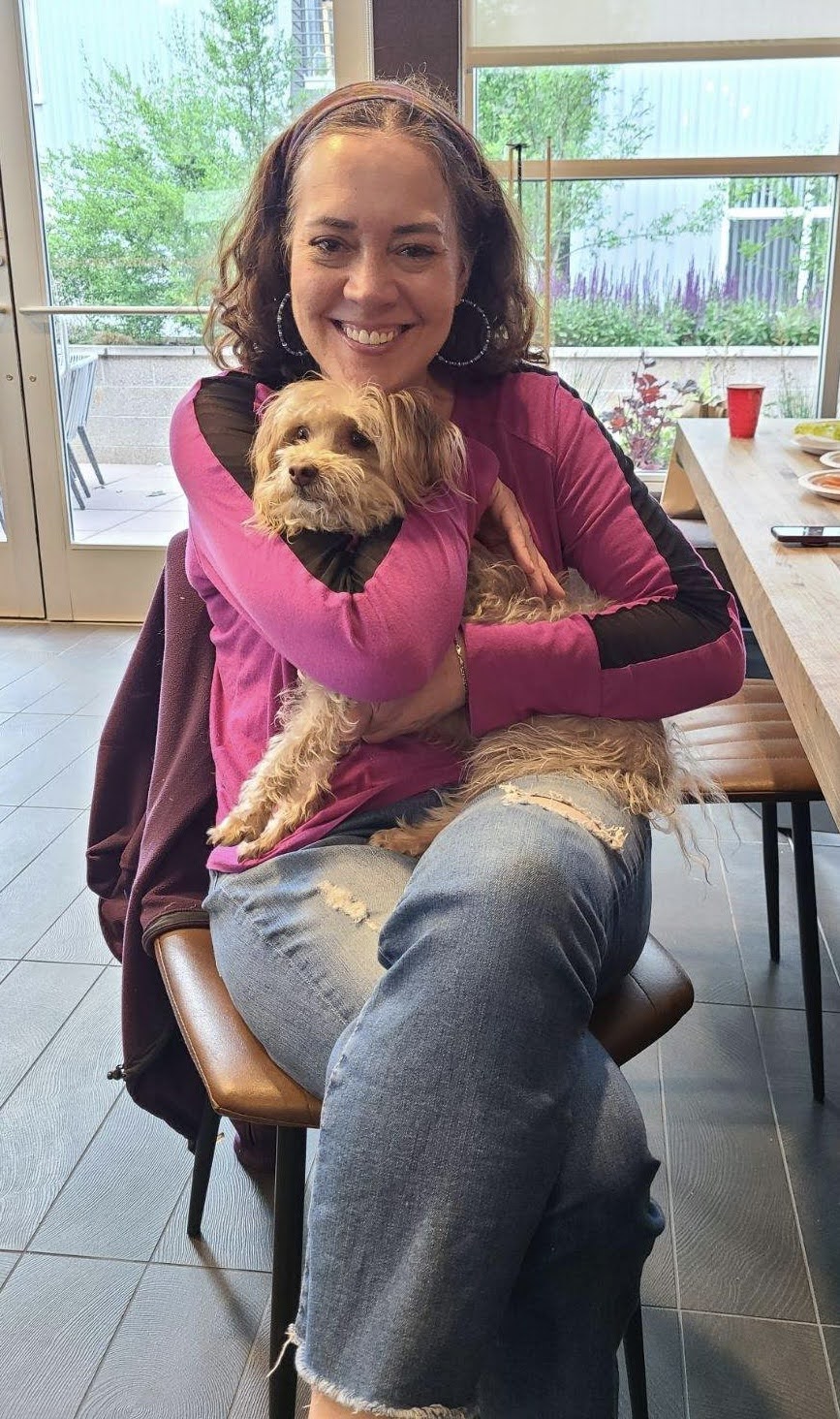
Christen Wernig, founder of Colorado STRONG, and her dog Lucy.
Finding Solidarity, Understanding and Inspiration
Christen tells me about the first moments she walked into an epilepsy support group years ago, and something profound occurred. For the first time, she was surrounded by people who understood her experience. They nodded knowingly about the winding journey of appointments, complex medications, fatigue, accommodations and compromises that can come with having a chronic condition. That feeling – of being understood without having to prove anything – stayed with Christen.
Years later, that feeling of being seen and understood became the inspiration for Christen to form Colorado STRONG, a grassroots support group for people living with narcolepsy. A few years down the track, when Christen’s sister was diagnosed with a sleep disorder called idiopathic hypersomnia (IH), Christen renamed the group to include her and people living with her condition. The group began from a simple but powerful idea: people need places where they can be seen, heard, and supported. Social isolation can be a significant challenge for many people living with narcolepsy or IH. As invisible disabilities they often invite apathy and stigma, as people on the outside fail to understand the lived experience of someone living with these diagnoses.
Shared recognition is at the heart of Colorado STRONG. Christen has seen people arrive carrying years of shame, confusion, or discouragement, especially those who were diagnosed later in life after being mislabeled as lazy, unmotivated, or difficult. Once they arrive at a Colorado STRONG meeting, people realize “I’m with my people. They understand. They’re not going to judge me”, Christen explains. That moment matters. It can turn a diagnosis from something someone hides into something they can feel safe to share, begin to accept, and learn to navigate with support.
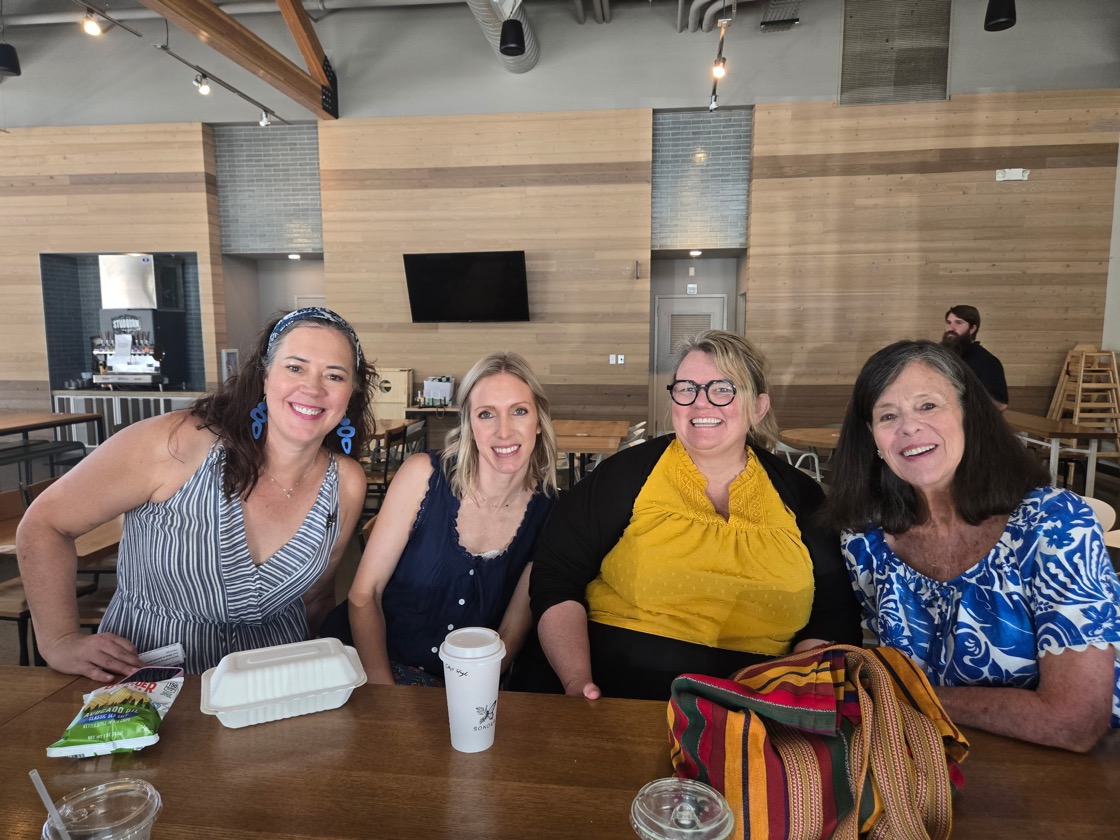
Christen with group members
Destigmatizing Invisible Disability
The hidden burden of disease in narcolepsy or IH can be enormous – managing medication schedules, planning activity around naps, completing work and domestic duties whilst experiencing level of sleepiness that most people have never experienced. Adding to this situation is the fact that both narcolepsy and IH are disorders that have a vast array of presentations – each individual experiences symptoms differently. Some people are able to work and maintain a family life with support from medications, whilst others are much more limited in what they can achieve. This one-size-does-not-fit all presentation means that people can be quick to judge before understanding.
In our discussion Christen describes this common disconnect. “Friends may say, “I’m so tired,” but for someone with narcolepsy, that phrase can land differently. The fatigue is not just a rough night of sleep or a busy week. It can be a daily, ongoing effort to stay present in a body that does not regulate sleep and wakefulness the way others expect. That is where support groups can be life-changing. In the right room, a person does not have to convince anyone that the struggle is real. The understanding is already there.”
Colorado Strong is not only a place to talk about symptoms or medications; it is a place to talk about real life — how to explain narcolepsy to a friend, how to ask for understanding from family, how to date with honesty, and how to build relationships where rest, boundaries, and support can coexist. As Christen explains, relationships are part of life with narcolepsy that often requires care, communication, and adjustment. She talks about how the condition can ripple outward into family life, friendships, and romantic relationships — not because people with narcolepsy are defined by their diagnosis, but because sleep needs, medication schedules, fatigue, and energy limits are real parts of daily life.
Friendships can require a degree of openness. Christen is comfortable telling friends, “I have narcolepsy, and I need to nap at these times,” not as an apology, but as practical information. That honesty helps others understand that changing plans, leaving early, or needing rest is not disinterest — it is part of managing a medical condition. In that sense, sharing the diagnosis can become a bridge instead of a barrier. It gives people a reference point and invites more patience, flexibility, and compassion.
The Golden Value of Community Connection
The impact of Colorado Strong shows up in quiet, human ways. Christen regularly receives thank-you messages from members. Christen describes one particular member with IH who is socially isolated for whom the group has become a central, positive part of her life. Another young member, Andrea, was so inspired that she has now stepped up into a leadership role. For Christen this represents a beautiful full-circle moment: people come looking for support, find belonging, and are then able to offer that same support to others.
That is grassroots advocacy at its best. It does not always begin with a large budget, or fancy polished website. Sometimes it begins with one person saying, “We need somewhere to gather.” It grows through email lists, Facebook groups, monthly meetings in community halls, shared by word of mouth, and people who keep showing up for one another.
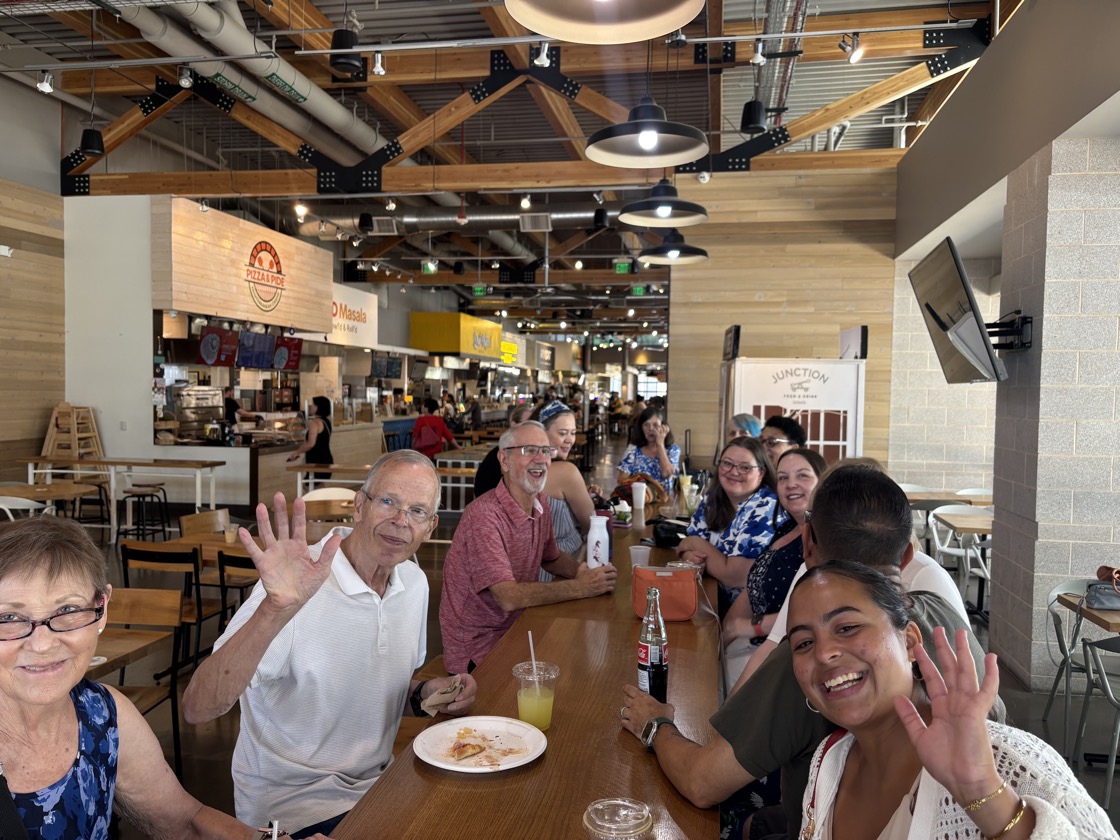
A group meetup in Denver.
The Colorado STRONG difference
Christen is intentional about keeping the group positive. That does not mean pretending narcolepsy is easy. It means creating a space where people can be honest without feeling discouraged. The goals are to help people find connection, get more informed, and be able to advocate for what they need. The message is that there’s always potential to be tapped into, and possibilities to explore.
What is special about the group, is that their advocacy and support work extends beyond the person with the diagnosis. Every November, Colorado STRONG holds Friends and Family Month, creating room for parents, partners, relatives, and loved ones to talk about what they see and experience. Christen notes that narcolepsy does not affect only one person; it shapes routines, relationships, travel plans, work schedules, and family dynamics. Loved ones may also need a place where they can say, “This is hard,” and be understood by others who get it.
Looking to the future
The group is currently thinking about what comes next. Short-term plans include launching a website, building a broader social media presence, and hosting more in-person events in Colorado, as well as other US states. Currently in sights are multiple awareness-raising walks around the country for World Narcolepsy Day, which is celebrated September 22nd, 2026.
Colorado STRONG already has around 330 email subscribers and more than 500 Facebook members, and Christen sees the potential for partnerships that are genuinely two-way: larger organizations can support Colorado STRONG with funding or mentoring, while Colorado STRONG can help connect them to lived experience, patient insight, and community trust.
Colorado STRONG is a reminder that advocacy does not have to be big to be powerful. A support group can become a lifeline. A conversation can become a friendship. A member can become a leader. At its core, Colorado Strong shows what happens when people with lived experience build something for one another: a place to be understood, a place to share, and a place to become strong together.
Connect with Colorado STRONG
- Email: coloradopwn@gmail.com
- Website: https://costrong.org/
- Facebook*
*Whenever someone new joins the Facebook Group – Christen offers to meet with them in-person or online – to help make that first connection and provide support.
