
Across The Body

Anxiety

Anxiety can affect much more than a few moments of worry. It can make it difficult to switch off, concentrate, or feel at ease during the day. It can also interfere with sleep and with the daily routines that help keep the body’s internal clock on track.

For some people, anxiety carries into the night as racing thoughts or physical tension that makes it harder to fall asleep. Others wake during the night and quickly become alert again. Poor sleep can then make worry and emotional reactions harder to manage the next day, creating a cycle that affects both nights and days.

Anxiety symptoms can also change across the day. Looking at sleep, daily routines and symptom patterns across the full 24 hours can help identify what may be making anxiety or sleep problems harder to manage. 

Overview

  • Anxiety impacts thoughts, emotions, physical tension, and daily routines, in addition to making it difficult to unwind.
  • Anxiety and sleep problems create a vicious cycle where nighttime worry disrupts rest and daytime fatigue causes increased anxiety.
  • Anxiety can disrupt daily routines and sleep schedules, while natural circadian rhythms influence when symptoms peak throughout the day.
  • Constant connectivity through phones, news, and social media fuels persistent worry and makes it harder to disengage and relax at night.
  • Although anxiety and sleep issues reinforce each other, treating sleep can effectively help to alleviate anxiety symptoms.

Why anxiety can affect sleep and circadian rhythms

Anxiety is part of the body’s normal response to stress, uncertainty or possible danger. An anxiety disorder is different. Worry or fear becomes persistent or difficult to control and begins to interfere with everyday life.

Anxiety can keep the brain and body in a state of heightened alertness. Thoughts may focus on problems that have already happened or what could go wrong next. The body can respond with tension, a racing heart or other physical signs of stress. This heightened state of alertness can continue even when there is no immediate danger.

That can make sleep difficult. At bedtime, there are fewer distractions from worry, and thoughts can become more noticeable as everything becomes quiet. After several difficult nights, sleep itself can become another source of anxiety. People may become preoccupied with whether they will fall asleep or how a poor night will affect them the next day. That extra tension can make it even harder to sleep and, over time, contribute to persistent insomnia.

Circadian rhythms may also influence when anxiety is most noticeable. The body’s internal clock helps shape alertness and the stress response across the day, so anxiety does not necessarily feel the same from morning to night.

Some studies have found higher anxiety among people with later chronotypes or more irregular sleep timing, including large differences between work or school days and days off. These patterns are not seen in everyone, and they do not mean that being a “night owl” causes anxiety.

A more useful approach is to notice whether anxiety follows a daily pattern. Does worry or physical tension build at a particular time? Are symptoms worse when sleep and wake times shift? Recognizing these patterns can help identify whether circadian timing is part of the picture.

How anxiety can change your nights and days

Anxiety affects more than how someone feels emotionally. It can influence concentration, energy and the way people approach everyday situations.

During the day, persistent worry can make it hard to focus on what is happening in the moment. Some people feel restless, tense, or constantly on alert. Others avoid situations that trigger anxiety or spend significant time anticipating what might go wrong. Over time, this can interfere with work, school, relationships, and activities that would normally be enjoyable.

Anxiety can also cause physical symptoms such as a racing heart or muscle tension. Some people experience sweating or stomach discomfort. Panic attacks can occur during the day and can sometimes wake someone from sleep.

At night, people with anxiety may have difficulty settling down or staying asleep. Sleep can feel lighter or more easily disrupted, especially when the body still feels alert.

Poor sleep can then shape the following day. Fatigue can reduce energy and make concentration more difficult. Everyday stresses can feel harder to manage, adding another layer to an already demanding day.

Anxiety in an always-on world

Phones, social media, and constant access to information have made it possible to stay connected almost all the time. Work can continue into the evening. Messages arrive throughout the day. News and social media provide a continual stream of information.

For someone who is already anxious, being constantly connected can make it harder to mentally switch off. Social media can create pressure to keep checking what is happening, respond to messages or see what other people are doing. It can also feed comparison and fear of missing out, especially when there always seems to be something new to look at or react to.

For younger people, this can be especially difficult because phones and social media are woven into much of their social life. Stepping away can feel like missing out on conversations or events among friends. That constant connection can make it hard to take a real break from social pressure, comparison and worry.

Constant access to news and social media can also make it difficult to gain distance from things that cause worry. Problems from around the world can become part of everyday life, even when they have little connection to what is happening in our personal lives. For some people, this creates a sense that there is always something new to follow or worry about.

Doomscrolling, or repeatedly checking distressing news and updates, can reinforce that pattern. Someone may keep checking because they feel anxious, only to encounter more information that fuels further worry.

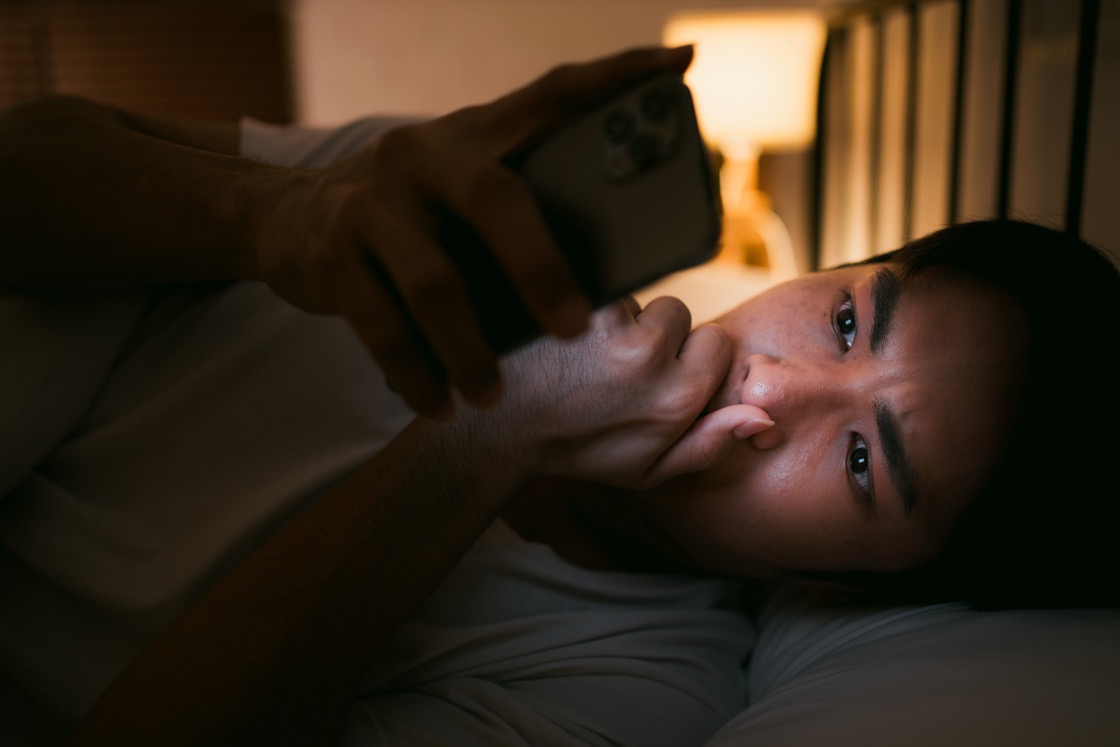
That cycle can continue late into the night. Messages, breaking news, or social media can keep the mind focused on problems when there would otherwise be an opportunity to disengage. If this pushes worry and alertness into the night, it can delay sleep and interfere with the transition from daytime activity to rest.

The issue is not simply how much time someone spends on a screen. It is whether constant access to information makes it difficult to step away from worry and have periods of the day when the mind is not expected to stay connected.
OWN ALL 24 HOURS: Looking across the full day and night

Living with anxiety can make parts of the day feel hard to control. The goal is not to create a perfect routine. It is to understand what affects your anxiety and sleep, then find a manageable rhythm that fits your life.

Look across the whole day. Notice when anxiety tends to rise and what is happening around that time. Pay attention to when you feel most alert or tired.

Consider your sleep and wake times, including whether they change substantially between workdays and free days. Also notice how much daylight you get each day. Medication timing and caffeine use may also affect how you feel.

Look at your digital day as well. Does checking work email or social media make it harder to settle down? Does scrolling push bedtime later? Or are you reaching for your phone because anxiety has already made it difficult to sleep?

A simple sleep and symptom diary can help reveal patterns that are difficult to see from one night or one stressful day alone.

What you can change, and what can be treated

Persistent anxiety often needs treatment, but everyday changes can also create breaks from worry and the feeling of being constantly ‘on.’ The goal is not to eliminate every anxious thought, but to make more room for periods of calm and recovery.

Address anxiety itself. Cognitive behavioral therapy (CBT) is one of the best-supported psychological treatments for anxiety disorders. Medication is also appropriate for some people. Self-help strategies can support treatment, but they should not replace professional care when anxiety is significantly affecting daily life.

Give your attention somewhere else to go. Mindfulness and meditation can help some people become less caught up in anxious thoughts. Guided exercises are available through apps and online programs. Slow breathing exercises can also help reduce immediate feelings of tension for some people.

Move your body and take real breaks. Physical activity can help some people feel less tense and offer a natural break from repetitive thinking. A walk, a swim, or another form of movement can shift attention away from worry. Spending time outdoors can also create distance from screens and constant information.

Create periods when you are not connected. Screen-time limits can help if checking apps has become automatic. Muting unnecessary notifications can create more separation from messages and news. Some people also choose to leave their phones outside the bedroom or set aside periods of the day when they are deliberately offline.

Do something that holds your attention. Activities such as cooking, gardening, drawing, playing music, or working with your hands can provide a break from repetitive worry. They are not treatments for an anxiety disorder, but they can create periods when attention is directed toward something concrete rather than continuously returning to anxious thoughts.

Treat persistent insomnia. If insomnia has become a problem in its own right, cognitive behavioral therapy for insomnia (CBT-I) is a recommended treatment. It addresses thoughts and behaviors that keep insomnia going. Treating insomnia can also help reduce anxiety symptoms, so it does not necessarily have to wait until anxiety has improved.

Support your day-night rhythm. Keeping your wake time reasonably consistent and getting daylight during the day can help support circadian timing. Avoiding large shifts in sleep schedules can also make it easier for the body to maintain a predictable rhythm.

Check for other sleep problems. Not every sleep difficulty in someone with anxiety is caused by anxiety. Conditions such as sleep apnea or restless legs syndrome may need separate assessment and treatment.

When to talk with a healthcare professional

Talk with a healthcare professional if anxiety becomes difficult to manage or begins to interfere with daily life. Persistent insomnia or other sleep problems should also be discussed with your care team, especially if they affect daytime functioning.

If you are thinking about suicide or harming yourself, seek immediate help from a crisis service or a healthcare professional. If you are in immediate danger, contact emergency services.

Anxiety and sleep problems can often be treated together.

References

Cox, R. C., Wright, K. P., Jr., Axelsson, J., et al. (2024). Diurnal variation in anxiety and activity is influenced by chronotype and probable anxiety-related disorder status. Psychiatry Research, 338, 116006. https://doi.org/10.1016/j.psychres.2024.116006

Du, M., Zhao, C., Hu, H., et al. (2024). Association between problematic social networking use and anxiety symptoms: A systematic review and meta-analysis. BMC Psychology, 12, 263. https://doi.org/10.1186/s40359-024-01705-w

Han, X., Zhou, E., & Liu, D. (2024). Electronic media use and sleep quality: Updated systematic review and meta-analysis. Journal of Medical Internet Research, 26, e48356. https://doi.org/10.2196/48356

Meyer, N., Lok, R., Schmidt, C., et al. (2024). The sleep-circadian interface: A window into mental disorders. Proceedings of the National Academy of Sciences of the United States of America, 121(9), e2214756121. https://doi.org/10.1073/pnas.2214756121

Palagini, L., Miniati, M., Caruso, V., et al. (2024). Insomnia, anxiety and related disorders: A systematic review on clinical and therapeutic perspective with potential mechanisms underlying their complex link. Neuroscience Applied, 3, 103936. https://doi.org/10.1016/j.nsa.2024.103936

Riemann, D., Dressle, R. J., Benz, F., et al. (2025). Chronic insomnia, REM sleep instability and emotional dysregulation: A pathway to anxiety and depression? Journal of Sleep Research, 34(2), e14252. https://doi.org/10.1111/jsr.14252

Staines, A. C., Broomfield, N., Pass, L., et al. (2022). Do non-pharmacological sleep interventions affect anxiety symptoms? A meta-analysis. Journal of Sleep Research, 31(1), e13451. https://doi.org/10.1111/jsr.13451


Medical disclaimer
This article is for educational purposes only and is not intended to replace professional medical advice, diagnosis, or treatment. Speak with a qualified healthcare professional about questions or concerns related to your sleep. Read full medical disclaimer