SEC Section: Across The Body

Anxiety

Anxiety can affect much more than a few moments of worry. It can make it difficult to switch off, concentrate, or feel at ease during the day. It can also interfere with sleep and with the daily routines that help keep the body’s internal clock on track.

For some people, anxiety carries into the night as racing thoughts or physical tension that makes it harder to fall asleep. Others wake during the night and quickly become alert again. Poor sleep can then make worry and emotional reactions harder to manage the next day, creating a cycle that affects both nights and days.

Anxiety symptoms can also change across the day. Looking at sleep, daily routines and symptom patterns across the full 24 hours can help identify what may be making anxiety or sleep problems harder to manage. 

Overview

  • Anxiety impacts thoughts, emotions, physical tension, and daily routines, in addition to making it difficult to unwind.
  • Anxiety and sleep problems create a vicious cycle where nighttime worry disrupts rest and daytime fatigue causes increased anxiety.
  • Anxiety can disrupt daily routines and sleep schedules, while natural circadian rhythms influence when symptoms peak throughout the day.
  • Constant connectivity through phones, news, and social media fuels persistent worry and makes it harder to disengage and relax at night.
  • Although anxiety and sleep issues reinforce each other, treating sleep can effectively help to alleviate anxiety symptoms.

ON THIS PAGE

Why anxiety can affect sleep and circadian rhythms

Anxiety is part of the body’s normal response to stress, uncertainty or possible danger. An anxiety disorder is different. Worry or fear becomes persistent or difficult to control and begins to interfere with everyday life.

Anxiety can keep the brain and body in a state of heightened alertness. Thoughts may focus on problems that have already happened or what could go wrong next. The body can respond with tension, a racing heart or other physical signs of stress. This heightened state of alertness can continue even when there is no immediate danger.

That can make sleep difficult. At bedtime, there are fewer distractions from worry, and thoughts can become more noticeable as everything becomes quiet. After several difficult nights, sleep itself can become another source of anxiety. People may become preoccupied with whether they will fall asleep or how a poor night will affect them the next day. That extra tension can make it even harder to sleep and, over time, contribute to persistent insomnia.

Circadian rhythms may also influence when anxiety is most noticeable. The body’s internal clock helps shape alertness and the stress response across the day, so anxiety does not necessarily feel the same from morning to night.

Some studies have found higher anxiety among people with later chronotypes or more irregular sleep timing, including large differences between work or school days and days off. These patterns are not seen in everyone, and they do not mean that being a “night owl” causes anxiety.

A more useful approach is to notice whether anxiety follows a daily pattern. Does worry or physical tension build at a particular time? Are symptoms worse when sleep and wake times shift? Recognizing these patterns can help identify whether circadian timing is part of the picture.

How anxiety can change your nights and days

Anxiety affects more than how someone feels emotionally. It can influence concentration, energy and the way people approach everyday situations.

During the day, persistent worry can make it hard to focus on what is happening in the moment. Some people feel restless, tense, or constantly on alert. Others avoid situations that trigger anxiety or spend significant time anticipating what might go wrong. Over time, this can interfere with work, school, relationships, and activities that would normally be enjoyable.

Anxiety can also cause physical symptoms such as a racing heart or muscle tension. Some people experience sweating or stomach discomfort. Panic attacks can occur during the day and can sometimes wake someone from sleep.

At night, people with anxiety may have difficulty settling down or staying asleep. Sleep can feel lighter or more easily disrupted, especially when the body still feels alert.

Poor sleep can then shape the following day. Fatigue can reduce energy and make concentration more difficult. Everyday stresses can feel harder to manage, adding another layer to an already demanding day.

Anxiety in an always-on world

Phones, social media, and constant access to information have made it possible to stay connected almost all the time. Work can continue into the evening. Messages arrive throughout the day. News and social media provide a continual stream of information.

For someone who is already anxious, being constantly connected can make it harder to mentally switch off. Social media can create pressure to keep checking what is happening, respond to messages or see what other people are doing. It can also feed comparison and fear of missing out, especially when there always seems to be something new to look at or react to.

For younger people, this can be especially difficult because phones and social media are woven into much of their social life. Stepping away can feel like missing out on conversations or events among friends. That constant connection can make it hard to take a real break from social pressure, comparison and worry.

Constant access to news and social media can also make it difficult to gain distance from things that cause worry. Problems from around the world can become part of everyday life, even when they have little connection to what is happening in our personal lives. For some people, this creates a sense that there is always something new to follow or worry about.

Doomscrolling, or repeatedly checking distressing news and updates, can reinforce that pattern. Someone may keep checking because they feel anxious, only to encounter more information that fuels further worry.

That cycle can continue late into the night. Messages, breaking news, or social media can keep the mind focused on problems when there would otherwise be an opportunity to disengage. If this pushes worry and alertness into the night, it can delay sleep and interfere with the transition from daytime activity to rest.

The issue is not simply how much time someone spends on a screen. It is whether constant access to information makes it difficult to step away from worry and have periods of the day when the mind is not expected to stay connected.
OWN ALL 24 HOURS: Looking across the full day and night

Living with anxiety can make parts of the day feel hard to control. The goal is not to create a perfect routine. It is to understand what affects your anxiety and sleep, then find a manageable rhythm that fits your life.

Look across the whole day. Notice when anxiety tends to rise and what is happening around that time. Pay attention to when you feel most alert or tired.

Consider your sleep and wake times, including whether they change substantially between workdays and free days. Also notice how much daylight you get each day. Medication timing and caffeine use may also affect how you feel.

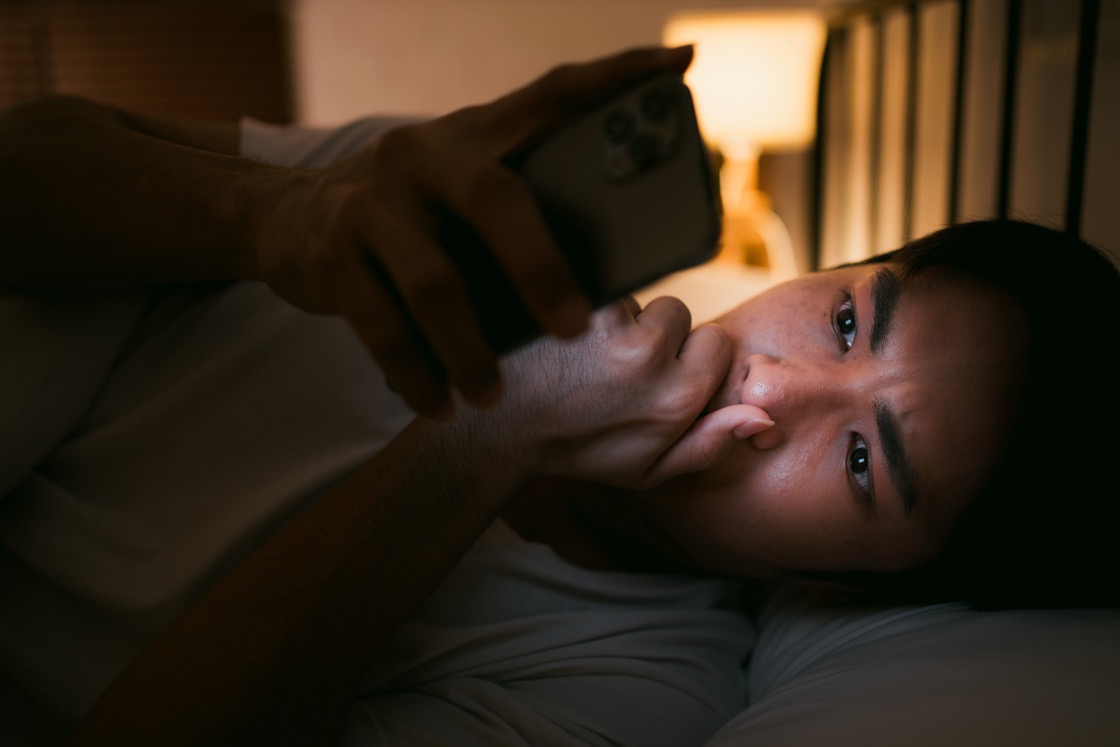
Look at your digital day as well. Does checking work email or social media make it harder to settle down? Does scrolling push bedtime later? Or are you reaching for your phone because anxiety has already made it difficult to sleep?

A simple sleep and symptom diary can help reveal patterns that are difficult to see from one night or one stressful day alone.

What you can change, and what can be treated

Persistent anxiety often needs treatment, but everyday changes can also create breaks from worry and the feeling of being constantly ‘on.’ The goal is not to eliminate every anxious thought, but to make more room for periods of calm and recovery.

Address anxiety itself. Cognitive behavioral therapy (CBT) is one of the best-supported psychological treatments for anxiety disorders. Medication is also appropriate for some people. Self-help strategies can support treatment, but they should not replace professional care when anxiety is significantly affecting daily life.

Give your attention somewhere else to go. Mindfulness and meditation can help some people become less caught up in anxious thoughts. Guided exercises are available through apps and online programs. Slow breathing exercises can also help reduce immediate feelings of tension for some people.

Move your body and take real breaks. Physical activity can help some people feel less tense and offer a natural break from repetitive thinking. A walk, a swim, or another form of movement can shift attention away from worry. Spending time outdoors can also create distance from screens and constant information.

Create periods when you are not connected. Screen-time limits can help if checking apps has become automatic. Muting unnecessary notifications can create more separation from messages and news. Some people also choose to leave their phones outside the bedroom or set aside periods of the day when they are deliberately offline.

Do something that holds your attention. Activities such as cooking, gardening, drawing, playing music, or working with your hands can provide a break from repetitive worry. They are not treatments for an anxiety disorder, but they can create periods when attention is directed toward something concrete rather than continuously returning to anxious thoughts.

Treat persistent insomnia. If insomnia has become a problem in its own right, cognitive behavioral therapy for insomnia (CBT-I) is a recommended treatment. It addresses thoughts and behaviors that keep insomnia going. Treating insomnia can also help reduce anxiety symptoms, so it does not necessarily have to wait until anxiety has improved.

Support your day-night rhythm. Keeping your wake time reasonably consistent and getting daylight during the day can help support circadian timing. Avoiding large shifts in sleep schedules can also make it easier for the body to maintain a predictable rhythm.

Check for other sleep problems. Not every sleep difficulty in someone with anxiety is caused by anxiety. Conditions such as sleep apnea or restless legs syndrome may need separate assessment and treatment.

When to talk with a healthcare professional

Talk with a healthcare professional if anxiety becomes difficult to manage or begins to interfere with daily life. Persistent insomnia or other sleep problems should also be discussed with your care team, especially if they affect daytime functioning.

If you are thinking about suicide or harming yourself, seek immediate help from a crisis service or a healthcare professional. If you are in immediate danger, contact emergency services.

Anxiety and sleep problems can often be treated together.

References


Medical disclaimer
This article is for educational purposes only and is not intended to replace professional medical advice, diagnosis, or treatment. Speak with a qualified healthcare professional about questions or concerns related to your sleep. Read full medical disclaimer


Continue reading

Depression

Depression affects more than mood. It can change energy levels and the ability to manage everyday activities. It can also affect sleep and the body’s circadian rhythms, the internal timing system that helps regulate sleep and wakefulness throughout the day.

Sleep problems are common during depression, but they do not affect everyone the same way. Some people struggle to sleep, while others sleep longer or feel exhausted throughout the day. Sleep and circadian changes deserve attention as part of depression care. Recognizing these patterns can reveal opportunities for treatment and help people find a daily rhythm that supports recovery.

Overview

  • Depression can cause difficulty falling asleep, frequent awakenings or excessive sleep. These changes may also affect energy and concentration during the day.
  • Sleep problems can precede depression and may continue after other depressive symptoms improve.
  • Depression can affect circadian rhythms, including sleep timing and the regularity of daily activity and rest.
  • Daylight exposure and reasonably consistent daily routines can help support the body’s internal clock.
  • Persistent insomnia and other sleep problems can often be treated. They do not have to be accepted as an unavoidable part of depression.

ON THIS PAGE

Why depression can affect sleep and circadian rhythms

Depression is a mental health condition marked by persistent low mood or a loss of interest and pleasure in everyday activities. Unlike temporary sadness, it can last for weeks or longer and interfere with daily life.

There is no single cause of depression. Genetic factors can increase vulnerability, while stressful experiences and other environmental factors may contribute to its development. Researchers have also identified changes in brain signaling and in the body’s stress-response systems.

Depression affects people differently. Some experience major depressive episodes lasting weeks or months, while others have persistent depressive disorder, characterized by longer-lasting symptoms. Depression can also follow a seasonal pattern, with symptoms returning at particular times of year. This is known as seasonal affective disorder (SAD) and most commonly involves depressive episodes during the fall and winter, when daylight hours are shorter. Its effects extend beyond emotions. It can change appetite and energy levels. Some people experience physical discomfort or difficulty concentrating. Sleep and daily biological rhythms may also be affected.

These changes are connected in part because the brain systems involved in mood and responses to stress also interact with those that control sleep. Increased stress-related daytime alertness, for example, may make it harder to fall asleep or stay asleep.

The connection extends throughout the day. Circadian rhythms help regulate when we feel alert or sleepy and influence the timing of hormone release. Depression may affect these rhythms, changing when someone sleeps or feels alert. Sleep may also become less regular from day to day.

Depression can disrupt sleep, while persistent insomnia is associated with a greater risk of developing depression. Sleep problems therefore deserve attention in their own right.

How depression can change your nights and days

Depression can affect sleep in several ways. Some people have difficulty falling asleep or wake up repeatedly during the night. Others wake much earlier than intended and cannot fall back asleep.

Some people experience the opposite pattern. They may sleep longer or struggle with excessive daytime sleepiness. Others feel constantly exhausted even after getting enough sleep.

Depression may also change when people sleep. Bedtimes can shift later, wake times may become irregular, and periods of rest may extend into the day. Some people notice that their mood or energy is particularly low at certain times.

Poor sleep can worsen fatigue and make concentration more difficult. Sleep problems may also continue after other depressive symptoms improve. Persistent insomnia is associated with a greater risk of depression returning.

OWN ALL 24 HOURS: Looking across the full day and night

You cannot control every symptom of depression, but there are parts of the day you can shape. The goal is not a perfect schedule. It is to find a rhythm that works for your life and gives your body reasonably consistent day-night signals so that your body clock has the best opportunity for healthy alignment.

Look across the whole day. Notice when your mood or energy changes, when you feel most motivated, and whether depressive symptoms affect your activities. Pay attention to sleep and wake times, naps, and daylight exposure. Medication timing or recent changes may also be relevant. A simple sleep and symptom diary can help reveal patterns that are hard to see from a single night. It can also help you and your care team identify realistic opportunities for change in treatment and supporting activities.

What you can change, and what can be treated

Some sleep problems may improve with changes in daily routines. Others need targeted treatment. Start with what feels manageable and discuss persistent problems with your care team.

Treat depression alongside sleep problems. Depression treatment may involve psychotherapy, antidepressant medication or both. Tell your healthcare professional about any sleep difficulties, including changes that occur during treatment. This can help you address sleep problems as part of your overall depression care.

Strengthen your day-night signals. Try to keep your wake time reasonably consistent. Get daylight within the first hour of waking and spend time outdoors during the day when possible. Manageable physical activity can also help support sleep and circadian health.

Look for what is disrupting your sleep. Recurring negative thoughts or changes in daily routines may make sleep more difficult. If insomnia persists, it may need treatment of its own.

Treat persistent insomnia. Cognitive behavioral therapy for insomnia (CBT-I) is a recommended and highly effective behavioral treatment for chronic insomnia. It helps people address thoughts and habits that maintain sleep problems. CBT-I can improve sleep in people with depression and may also help reduce depressive symptoms.

Ask about alternative treatment options. Bright light therapy may be appropriate for some people with depression. It uses a therapeutic light source at specific times of day and is different from spending more time outdoors. A healthcare professional can help determine whether it is suitable for you.

When to talk with a healthcare professional

Depression is a serious health condition that deserves attention and treatment. It can affect your ability to work and maintain relationships. In severe cases, it can increase the risk of suicide. Yet many people with depression do not receive the care they need. If you think you may be experiencing depression, talk with a healthcare professional. Effective treatments are available, and you do not need to wait until your symptoms become severe to seek help. 

Sleep deserves attention, too. Talk with your care team if sleep problems persist, affect your daily life or continue after other depressive symptoms improve. A clinician can review medications and assess whether insomnia or another sleep disorder needs separate treatment.

If you are thinking about suicide or harming yourself, seek immediate help from a crisis service or healthcare professional. If you are in immediate danger, contact emergency services.

Treating depression is essential. Addressing sleep and circadian problems alongside it can also support recovery.

References


Medical disclaimer
This article is for educational purposes only and is not intended to replace professional medical advice, diagnosis, or treatment. Speak with a qualified healthcare professional about questions or concerns related to your sleep. Read full medical disclaimer

Continue reading

PTSD

Post-traumatic stress disorder (PTSD) can affect daily life long after a traumatic experience. It can interfere with relationships and make everyday activities more difficult. Sleep is often disrupted, leaving people exhausted during the day yet unable to relax at night.

Some experience distressing nightmares, while others remain unusually alert to possible danger, even when they are safe.

Sleep problems can often be treated, even when other PTSD symptoms continue. Paying attention to what happens during the day and night can help you and your care team understand what affects your sleep and find ways to improve it, and by extension your overall wellbeing.

Overview

  • PTSD can affect sleep through insomnia, recurring nightmares and heightened alertness at night
  • Poor sleep can add to daytime difficulties with concentration and managing emotions
  • Sleep problems that existed before trauma can increase the risk of developing PTSD
  • Sleep difficulties can also persist after other PTSD symptoms improve
  • Daylight exposure and reasonably consistent daily routines help support the body’s internal clock
  • Persistent insomnia and nightmares can often be treated alongside PTSD

ON THIS PAGE

Why PTSD can affect sleep and circadian rhythms

PTSD is a mental health condition that can develop after experiencing or witnessing a traumatic event. This may include a serious accident, physical or sexual assault, or military combat. PTSD can also develop after other life-threatening experiences. Not everyone who experiences trauma develops PTSD, and symptoms may appear soon afterward or emerge later.

People with PTSD can experience unwanted memories or flashbacks that make them feel as though they are reliving the event. Some avoid places or situations that remind them of what happened. Others experience persistent fear or irritability. They can also lose interest in activities they previously enjoyed or feel disconnected from people close to them.

Some remain constantly alert to potential danger, even when they are safe. These symptoms can persist for months or years and interfere with daily life.

PTSD can disrupt sleep because the brain systems involved in responding to threats also influence sleep and wakefulness. When the body remains on alert for danger, relaxing and falling asleep becomes more difficult.

Circadian rhythms, the body’s internal timing system, help regulate when we feel awake or sleepy. They also influence daily changes in alertness and the body’s response to stress. PTSD can affect these processes, although it does not necessarily change when someone sleeps.

The relationship between PTSD and sleep works in both directions. PTSD disrupts sleep, while persistent sleep problems can add to daytime symptoms and make recovery more difficult.

How PTSD can change your nights and days

Insomnia is one of the most common sleep problems in PTSD. Some people struggle to fall asleep because they feel tense or alert. Others wake repeatedly during the night and find it difficult to return to sleep. Even a small noise, such as a door closing, may wake someone who remains unusually sensitive to possible danger.

Trauma-related nightmares can replay a traumatic experience or involve similar feelings of fear. Someone may wake with a racing heart and struggle to fall asleep again. For some people, bedtime itself becomes frightening. They avoid sleep to prevent another nightmare, while darkness or being alone can trigger memories of the trauma.

PTSD affects more than sleep. During the day, people can experience unwanted memories or feel constantly on guard. A sudden noise or an unexpected encounter can trigger a strong fear response. Some avoid crowded places or withdraw from social activities because they feel unsafe.

Poor sleep can add to these difficulties. Fatigue and problems concentrating can make work or everyday tasks harder. Irritability can also affect relationships, while exhaustion leaves less energy for activities that previously brought enjoyment.

OWN ALL 24 HOURS: Looking across the full day and night

Living with PTSD can make it difficult to maintain familiar routines or feel comfortable in everyday situations. You cannot control every symptom, but there are parts of the day that you can shape to support your sleep and well-being. The goal is not a perfect schedule. It is to find a manageable rhythm that works for your life without adding pressure.

Look across the whole day. Notice when anxiety or unwanted memories become more noticeable and which situations leave you feeling unusually alert or exhausted. Consider whether difficult nights affect your ability to work or spend time with others.

Also pay attention to sleep and wake times, nightmares, and daylight exposure. Medication timing can provide additional clues. A simple sleep and symptom diary can help you and your care team recognize patterns and identify realistic opportunities for change or treatment.

What you can change, and what can be treated

Changes in daily routines can support better sleep, but persistent sleep problems often need targeted treatment. You do not have to address everything at once. PTSD and sleep difficulties can be treated alongside each other.

Address PTSD and other sleep problems. Trauma-focused psychotherapy is an effective treatment for PTSD and may also improve sleep. Medication may be appropriate for some people. If sleep problems persist, discuss them with your clinician rather than waiting for them to resolve on their own.

Strengthen your day-night signals. Try to keep your wake time reasonably consistent. Get daylight during the day when possible. Manageable physical activity can also help support sleep and circadian health. These changes support a regular routine but are not substitutes for PTSD treatment.

Treat persistent insomnia. Cognitive behavioral therapy for insomnia (CBT-I) is a recommended treatment for chronic insomnia. It helps people change thoughts and habits that interfere with sleep. CBT-I improves insomnia in people with PTSD and may also help reduce PTSD symptoms.

Ask about treatment for nightmares. Imagery rehearsal therapy is a psychological approach in which people practice a less distressing version of a recurring nightmare. It helps some people, although results in PTSD have been mixed. A clinician can also consider medication such as prazosin specifically for PTSD-related nightmares and discuss whether it is appropriate for you.

Check for other sleep disorders. Not every sleep problem is caused by PTSD. Conditions such as sleep apnea may need separate assessment and treatment.

When to talk with a healthcare professional

If you think you are experiencing PTSD, talk with a healthcare professional. Effective treatments are available, and you do not need to wait until symptoms become severe to seek help.

Sleep deserves attention, too. Speak with your care team if sleep problems persist or affect your daily life. A clinician can assess whether insomnia or another sleep disorder needs separate treatment.

If you are thinking about suicide or harming yourself, seek immediate help from a crisis service or healthcare professional. If you are in immediate danger, contact emergency services.

Treating PTSD is central to recovery. Addressing sleep problems alongside it can provide additional opportunities to feel better and improve daily functioning.

References


Medical disclaimer
This article is for educational purposes only and is not intended to replace professional medical advice, diagnosis, or treatment. Speak with a qualified healthcare professional about questions or concerns related to your sleep. Read full medical disclaimer

Continue reading

Mental Health

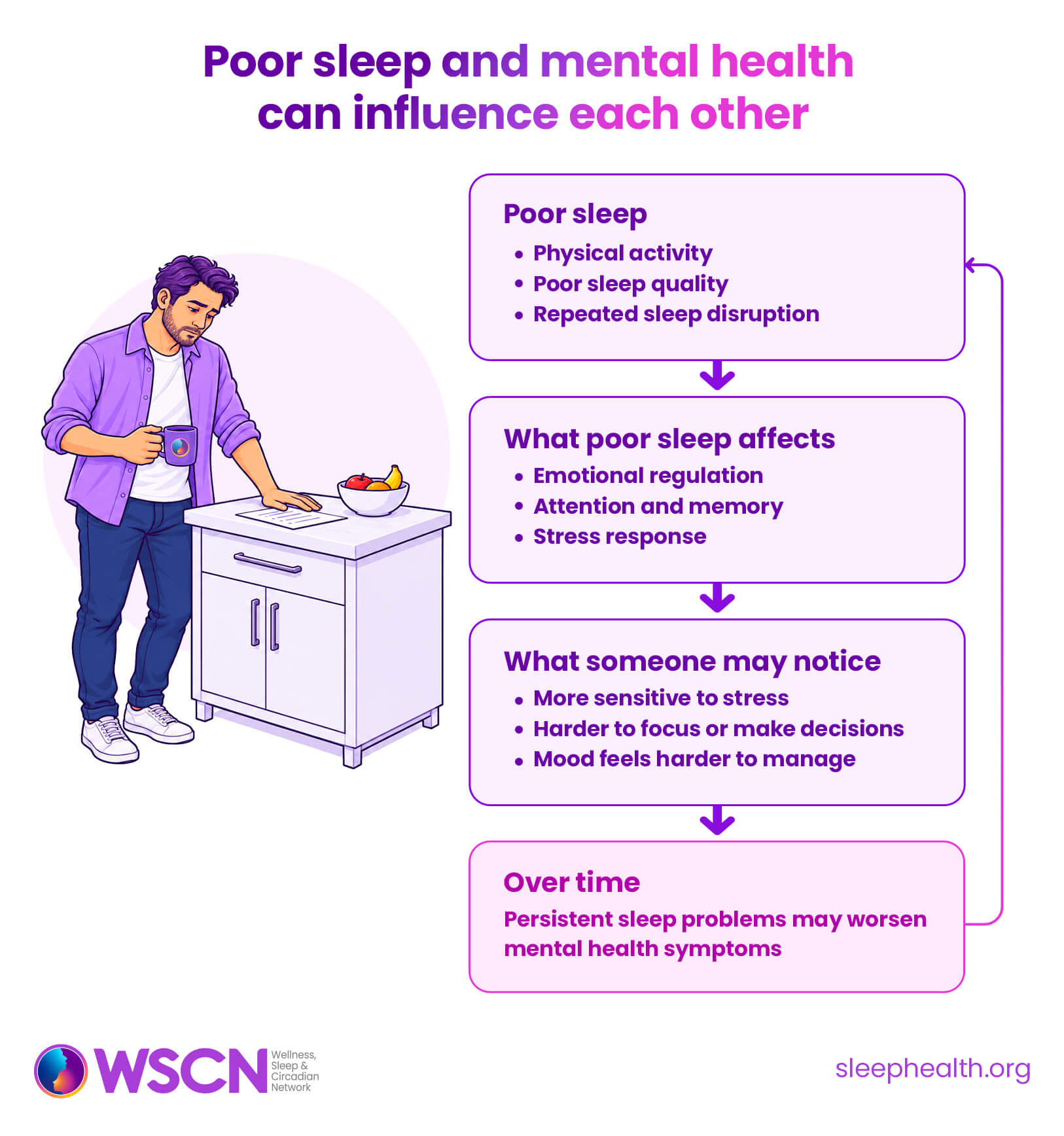
Mental health, sleep, and circadian rhythms are closely connected. Mental health conditions can disrupt sleep and alter daily routines. But the relationship also works in the other direction. Poor sleep or disrupted body rhythms can affect mood, thinking, emotional regulation, and other mental health symptoms.

These connections extend across the full 24-hour day. Changes in nighttime sleep can affect how someone feels and functions the next day. Daily activity and exposure to daylight can also influence the following night’s sleep.

Looking across the full day and night can help reveal patterns that might otherwise go unnoticed. Sleep problems do not have to be accepted as an unavoidable part of a mental-health condition. Recognizing these connections can create opportunities for better care and treatment.

Overview

  • Mental-health conditions can affect sleep, while persistent sleep problems may contribute to mental-health symptoms.
  • Depression, anxiety, PTSD, ADHD, and several other conditions can involve changes in sleep or daily circadian rhythms.
  • Poor sleep can affect emotional regulation and make concentration more difficult.
  • Circadian disruption can affect  mood, alertness, and cognition independently from its effects on sleep.
  • New or worsening sleep problems can sometimes signal a mental-health concern or a separate sleep disorder.
  • Effective treatments are available for many sleep problems. Improving sleep can also support mental-health outcomes.
  • Looking across the full 24 hours can help identify patterns and opportunities for optimal care and wellbeing.

ON THIS PAGE

How sleep, circadian rhythms and mental health are connected

Sleep is a state the brain and body move through each day. Circadian rhythms provide the timing system around it.

A small area of the brain called the suprachiasmatic nucleus, or SCN, serves as the body’s central clock. It receives light information from the eyes and uses it to help keep the body synchronized with day and night. This timing system helps organize sleep and wake cycles. It also helps coordinate hormones, body temperature, alertness, and brain activity.

Sleep adds another layer. The longer we stay awake, the more pressure builds to sleep. During a normal day, this sleep pressure works together with the circadian system. The circadian clock helps us stay awake during the day and supports sleep at night.

Both systems interact with brain processes involved in emotion, memory, attention, stress, and reward. This helps explain why sleep and circadian disruption can affect mental health rather than merely make someone tired.

Sleep and circadian rhythms therefore provide two connected pathways through which mental health can be affected. Understanding both can help explain why someone’s symptoms may change after a difficult night or at different times of day.

These conditions can share similar sleep problems, but the causes may differ. A person may also have a separate sleep disorder, such as insomnia or sleep apnea, that needs assessment and treatment in its own right.

How poor sleep can affect mental health

When sleep is too short or repeatedly interrupted, it can become harder to manage emotions. Research suggests that sleep loss can heighten reactions to negative experiences and reduce responses to positive ones. This may make everyday challenges feel more difficult.

Thinking can be affected as well. Sleep loss can reduce attention and make it harder to solve problems or make decisions. Memory can also suffer. These changes may make existing mental health symptoms harder to manage.

Poor sleep can also affect the body’s stress systems. Studies have linked sleep disruption to changes in stress hormones and inflammation. These same biological systems are involved in several mental health conditions, although researchers are still working out exactly how these connections operate.

A single bad night is not, by itself, a sign of a mental-health disorder. Persistent sleep problems deserve attention, particularly when they affect mood or daily life.

How circadian disruption can affect mental health

Circadian rhythms influence more than sleep. They also help shape changes in alertness and mood across the day. Researchers have found that the body’s internal timing system can affect mood independently of how long someone has been awake.

Circadian disruption can make someone feel alert when they need to sleep or sleepy when they need to be awake. This can happen when work or other demands regularly conflict with the body’s internal timing. Mood and alertness may also change at different times of day.

Researchers are studying whether adjusting circadian timing can improve mental-health symptoms. Some studies suggest benefits for selected people with depression, particularly when their internal timing is delayed. However, these approaches do not work the same way for everyone.

What can change and what can be treated

Sleep problems are an important part of mental-health care, and many can be treated. Improving sleep can do more than make nights easier. It can also help people feel and function better during the day.

Persistent insomnia has an effective treatment: cognitive behavioral therapy for insomnia (CBT-I). It helps people change thoughts and habits that keep sleep difficulties going. A research review of randomized trials found that sleep treatments that successfully improved sleep also improved mental-health outcomes. Benefits were particularly clear for symptoms of depression and anxiety.

Once a sleep problem has been identified, treatment can be matched to its cause. Recurring nightmares may respond to therapies that help people rehearse a less distressing version of a dream. A separate sleep disorder may need its own treatment, even when the person is already receiving mental-health care.

Circadian problems offer another opportunity for care. Depending on the individual, a clinician may recommend carefully timed light exposure or gradual changes to sleep timing. These approaches can help bring daily rhythms into better alignment, when appropriately tailored to the person. Light-based treatment requires particular care in people with bipolar disorder because it can sometimes trigger mania or hypomania.

The goal is to identify which sleep or circadian problems can be addressed and find treatments that work for the individual. Sleep and circadian care can be part of mental-health treatment, creating more opportunities for improvement across the full 24 hours.

OWN ALL 24 HOURS: Looking at the full day and night

Understanding sleep and mental health means looking beyond bedtime. A short record across several days can show whether difficult nights coincide with changes in mood or daytime energy. It can also reveal whether symptoms tend to worsen at particular times.

These patterns can help identify opportunities for change. Someone may find that long afternoon naps make it harder to sleep at night. Another person may notice that a change in medication coincided with new sleep problems. Some patterns may point to a sleep disorder that needs treatment.

The goal is not to create a perfect schedule. It is to find a pattern that works for you. Understanding your own 24-hour rhythm can help you recognize changes, identify what you can influence, and work with your care team to find the right support.

When sleep problems need a closer look

Changes in sleep can sometimes be an early sign of a mental-health condition or a warning that existing symptoms are worsening. For example, persistent insomnia may occur before depression develops. A sudden reduction in the need for sleep can also be an early sign of a manic episode in someone with bipolar disorder. Sleep changes alone cannot diagnose a mental-health condition, but significant or sudden changes should be discussed promptly with a healthcare professional.

At the same time, a mental-health condition does not explain every sleep problem. Sometimes, a separate sleep disorder is present and needs its own treatment.

For example, loud snoring, waking up gasping, or pauses in breathing during sleep may be signs of obstructive sleep apnea, a condition in which breathing repeatedly stops or becomes restricted during sleep. Frequent nightmares can also be a problem in their own right, even when other mental-health symptoms are improving.

Other factors may contribute. Unusual daytime sleepiness may be a medication side effect. Consistently struggling to fall asleep until very late may indicate a problem with the timing of the body clock.

Recognizing changes in sleep can help identify emerging mental-health concerns or a separate sleep disorder. Understanding the cause gives the care team more opportunities to provide the right support and treatment.

What to track and discuss with your care team

A short record can help show how sleep and symptoms fit together across the day.

  • Changes in mental-health symptoms, including when mood or anxiety improves or worsens
  • Unusual changes in energy or the need for sleep
  • Nightmares or other distressing nighttime experiences
  • Mental-health medication timing and recent medication changes
  • Other sleep and daily patterns, including bedtime and wake time, night wakings, naps, daytime sleepiness, activity and daylight exposure

Tracking cannot diagnose a mental health or sleep disorder. It can help a healthcare professional identify patterns and determine whether a sleep or circadian problem needs further assessment.

References


Medical disclaimer
This article is for educational purposes only and is not intended to replace professional medical advice, diagnosis, or treatment. Speak with a qualified healthcare professional about questions or concerns related to your sleep. Read full medical disclaimer

Continue reading

Chronotherapy

Cancer treatments are usually chosen based on the type of cancer, how advanced it is, and factors specific to the person receiving treatment. Chronotherapy adds another consideration: timing.

Many body processes change naturally across the day and night. These approximately 24-hour patterns are known as circadian rhythms. These rhythms help regulate sleep and wakefulness. They also influence how the body processes medications, how cells grow and repair themselves, and how the immune system responds.

Chronotherapy uses this biological timing when planning treatment. The aim is to identify times when cancer cells may be more vulnerable, healthy tissues may be better able to tolerate treatment, or both. Chronotherapy is not a separate type of cancer treatment. It is a way of considering when existing treatments are delivered.

Research into chronotherapy is growing, but it is not yet standard practice for most cancer treatments. The best timing can also vary by treatment and by individual. This page explains what chronotherapy is, how the body clock can affect cancer treatment, and how biological timing may become part of more personalized cancer care. Understanding these connections can also help people ask more informed questions about treatment timing and how their own daily rhythms fit into cancer care.

Overview

  • Chronotherapy means timing treatment according to biological rhythms
  • The body’s circadian rhythms affect many processes involved in cancer treatment
  • Treatment timing may influence how well some treatments work or how well they are tolerated
  • Chronotherapy has been studied most extensively with chemotherapy. Research is also expanding into immunotherapy, radiotherapy, and other treatments
  • The best treatment time may depend on the cancer, the treatment being used, and the individual
  • Understanding your own sleep-wake patterns, treatment schedule, and daily rhythms can help make conversations about treatment timing more specific and useful
  • Cancer treatment schedules should not be changed without discussing them with the cancer care team

ON THIS PAGE

What is chronotherapy?

The body’s circadian system is its internal timing system. It helps organize many body processes across the day and night. Light and darkness are important signals for this system. Sleep, activity, meals, and other daily routines are also connected to it.

Many body processes follow approximately 24-hour rhythms. These include changes in body temperature, hormone levels, immune activity, and the way the body processes medicines.

Chronotherapy uses these natural changes in biological activity when considering when a treatment is given. In cancer care, the idea is that the same treatment may affect cancer cells and healthy tissues differently depending on when it is delivered.

Chronotherapy can take different forms. A cancer medicine may be given at a specific time of day. An infusion pump can also be programmed to deliver different amounts of medicine at different times across the day and night. In the future, treatment timing may increasingly be matched to each person’s biological rhythm rather than simply to the time shown on the clock.

Many body processes change across the 24-hour day. Chronotherapy takes these daily biological rhythms into account when planning the timing of cancer treatment.

How the body clock can influence cancer treatment

Cancer treatments affect both cancer cells and healthy tissues. Because many body processes change across the 24-hour day, the effects of treatment can also vary depending on when it is given.

Circadian rhythms may influence treatment in three main ways: how the body handles medicines, how sensitive cells are to treatment, and how the immune system responds.

The body handles medicines differently across the day

Once a cancer medicine enters the body, it is distributed to the tissues where it acts. The body then breaks it down and eventually removes it. 

The liver, kidneys, and other tissues involved in these processes change their activity across the day. Some of the proteins that help break down medicines also follow daily rhythms. As a result, the same dose may be processed somewhat differently depending on when it is given.

This may affect how much medicine reaches different tissues and how well the body tolerates the treatment.

Cancer cells and healthy tissues can be more or less sensitive at different times

Cell activity changes across the day. This includes cell division and DNA repair, the processes cells use to copy and repair their genetic material. Many cancer treatments act on these same processes. Chemotherapy is designed to kill cancer cells or stop them from growing and dividing, while radiotherapy uses radiation to damage cancer-cell DNA so the cells can no longer grow normally.

Cancer cells do not always follow the same rhythms as healthy tissue. Their rhythms may be altered or disrupted, which creates the possibility of giving treatment when cancer cells are more vulnerable while healthy cells are better able to recover.

Immune activity also changes across the 24-hour day

The immune system follows strong daily rhythms. Immune cells move between the blood and tissues at different rates across the day, and their activity can also change.

This is especially important for immunotherapy, which helps the immune system recognize and attack cancer cells. Research has shown that the number and activity of cancer-fighting immune cells inside tumors can change across the circadian cycle. Treatment timing may therefore influence how strongly the immune system responds to some immunotherapies.

The aim of chronotherapy is to find treatment times that provide the best balance between treating the cancer and protecting healthy tissue. Depending on the treatment, this could mean fewer side effects, a stronger effect against the cancer, or both.

Chronotherapy across cancer treatments

Chronotherapy can be applied in different ways depending on the type of cancer treatment and how that treatment works.

Chemotherapy

Chemotherapy is the area in which chronotherapy has been studied the longest. Some chemotherapy medicines have been given at specific times of day. Others have been delivered through programmable pumps that adjust the amount of medicine given throughout the day and night.

One aim is to deliver treatment when healthy tissues are better able to tolerate it, without reducing its effect against the cancer. A systematic review of 18 randomized clinical trials involving more than 2,500 people found that timed chemotherapy reduced certain treatment-related side effects in many of the studies while maintaining the treatment’s effect against cancer.

Radiotherapy

Radiotherapy uses high-energy radiation to damage the DNA of cancer cells, which can stop them from growing and dividing.

Because the body’s ability to respond to and repair cell damage changes across the day, researchers have studied whether the timing of radiotherapy could influence treatment response or side effects.

Studies have tested different radiotherapy times in several types of cancer, with mixed results. There is currently no single treatment time that applies to radiotherapy as a whole.

Immunotherapy

Immunotherapy helps the immune system fight cancer. One major group of these treatments is called immune checkpoint inhibitors. These medicines block signals that can prevent immune cells from attacking cancer effectively. 

The timing of immunotherapy is now one of the fastest-growing areas of chronotherapy research. Laboratory research has shown that immune activity inside tumors changes across the circadian cycle. In one study, the number and activity of T cells, immune cells that can attack cancer, changed with time of day.

Some studies in people with cancer have found associations between the timing of immune checkpoint inhibitor infusions and treatment outcomes. However, findings are not yet consistent enough to establish a best treatment time.

Other cancer treatments

Researchers are also investigating chronotherapy with targeted cancer medicines, hormone treatments, and cell therapies such as CAR-T therapy, in which a person’s T cells are modified so they can recognize and attack cancer cells.

These treatments work in very different ways, so the same timing approach is unlikely to apply to all of them. The goal is to understand whether there may be a better biological time for a particular treatment and patient.

24-hour view: Clock time and biological time are not the same

People differ in their natural circadian timing. This means that the same clock time may represent a different biological time for different people.

Researchers are studying ways to measure this more precisely using signals such as sleep and activity patterns, melatonin, body temperature, and blood-based markers.

This may eventually allow chronotherapy to be tailored to an individual’s biological time rather than using the same morning or afternoon schedule for everyone.

OWN ALL 24 HOURS

Chronotherapy is one example of why timing can matter to health. People cannot control every part of cancer treatment, but understanding their own sleep-wake patterns and daily rhythms can help them notice changes and ask more informed questions about whether timing may be relevant to their care.

What are the limitations of chronotherapy?

Chronotherapy is a promising area of cancer research, but it is not yet standard practice for most cancer treatments. Several challenges need to be resolved before treatment timing can routinely be personalized.

The evidence varies between treatments

Chronotherapy has been studied much more extensively for some treatments than others. The strongest clinical evidence comes from chemotherapy, particularly for reducing some side effects. For newer approaches such as immunotherapy, much of the human evidence comes from observational studies rather than trials specifically designed to test treatment timing.

Cancer can disrupt normal biological rhythms

Cancer and its treatment can disrupt sleep-wake patterns and circadian rhythms. Tumors may also have biological rhythms that differ from those of healthy tissue. This means that treatment timing may need to consider both the patient’s biological timing and the biology of the cancer.

The right time may differ from one person to another

There is unlikely to be one ideal morning or afternoon treatment time for everyone. Circadian rhythms differ between individuals and can also vary with age, sex, sleep patterns, and other factors. Some chemotherapy studies, for example, have found that treatment timing associated with better tolerance differed between men and women.

This is one reason chronotherapy is increasingly moving toward individual biological time rather than fixed clock times. This more personalized approach is sometimes called precision chronotherapy.

Biological time is still difficult to measure in routine care

Researchers can estimate circadian timing using melatonin, body temperature, sleep and activity patterns, or signals in blood. However, there is not yet a simple, widely accepted test that cancer care teams can routinely use to identify an individual’s biological timing.

New approaches, including wearable devices, blood-based tests, and computer-based tools, may eventually make this type of personalized treatment timing easier to use in cancer care.

Treatment timing also has to work in real-world cancer care

Treatment timing also has to fit with the way cancer care is delivered. Treatments may need to follow specific intervals or be combined with other therapies, while infusion and radiotherapy services operate within set hours.

How to discuss chronotherapy with your cancer care team

Chronotherapy is not yet routinely considered for most cancer treatments, but patients can still ask whether treatment timing is relevant to their particular therapy. Raising the question does not mean that the treatment schedule should change. It can help clarify whether timing has been studied, whether the current schedule has a specific rationale, and whether there is any flexibility.

Questions to ask include:

  • Has treatment timing been studied for my cancer or treatment? Your care team can explain whether there is evidence that timing affects how well the treatment works or its side effects.
  • Could my treatment time be changed safely? Some treatments may allow flexibility, while others need to follow a specific schedule.
  • Does an oral cancer medicine need to be taken at a particular time? Ask whether it should be taken in relation to meals, sleep, or other medicines.
  • Are there clinical trials involving treatment timing? Chronotherapy continues to be studied in several areas of cancer care.

Do not change the timing of any cancer treatment, including oral medicines, infusions, or radiotherapy, without first discussing it with your care team.

As research develops, biological timing may become another way to personalize cancer treatment alongside the choice of treatment and dose. For now, understanding that treatment timing is an active area of research can help people ask better questions and make sleep, circadian health, and timing part of the broader conversation about whole-person cancer care.

References


Medical disclaimer
This article is for educational purposes only and is not intended to replace professional medical advice, diagnosis, or treatment. Speak with a qualified healthcare professional about questions or concerns related to your sleep. Read full medical disclaimer
Continue reading

Oncology and Cancer Care

Sleep and cancer are closely connected, but the relationship is complex. Sleep problems are common after a cancer diagnosis and can develop or become worse during treatment. For some people, they continue well into recovery and survivorship.

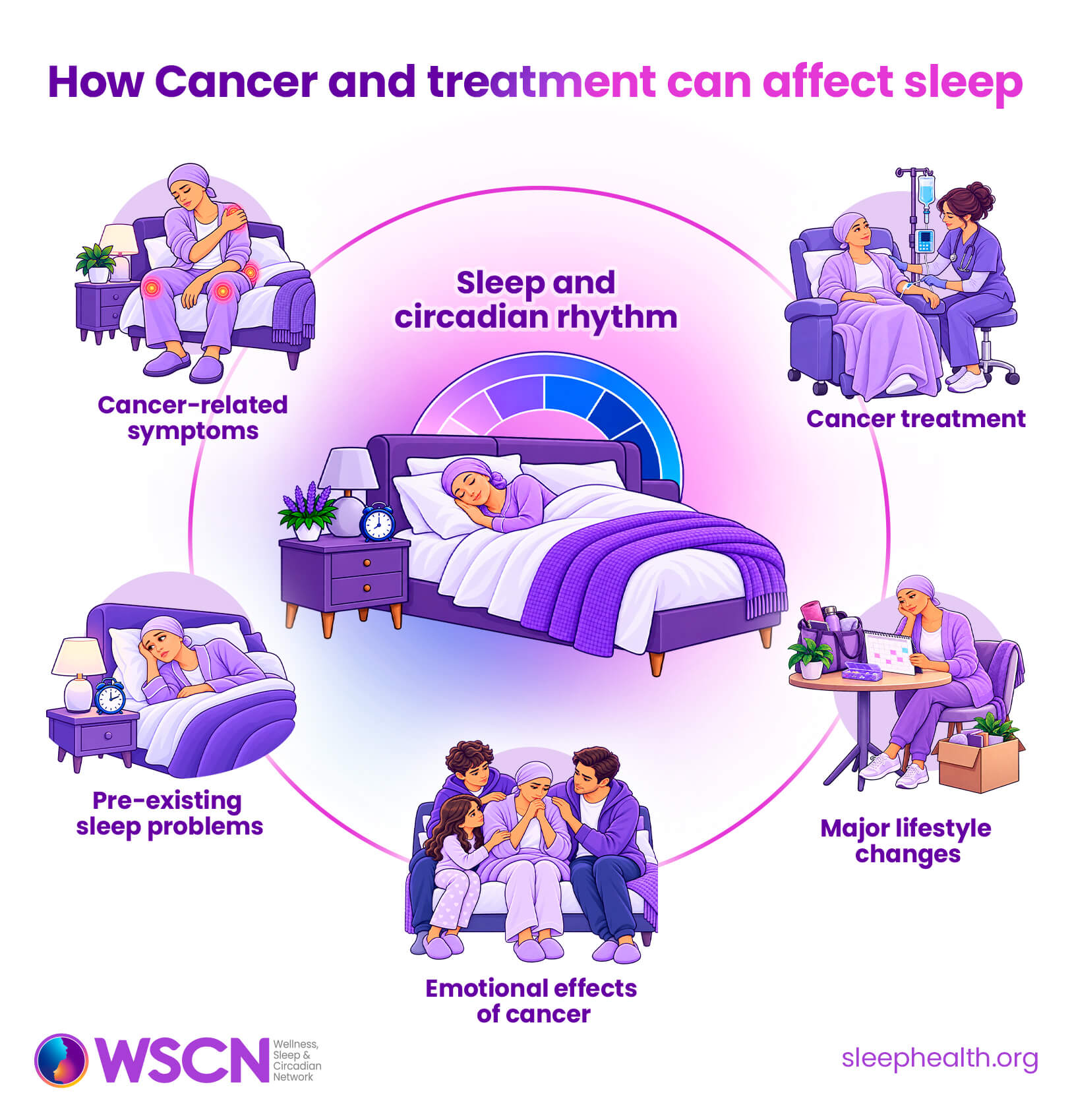
Cancer symptoms, treatments, and medications can interfere with sleep and disrupt circadian rhythms. The emotional impact of a cancer diagnosis can also make it difficult to fall asleep or stay asleep. Changes in activity and daily routines can add to the disruption. Research suggests that around 6 in 10 people with cancer experience some form of sleep disturbance, although rates vary widely between cancer types, stages, and treatments.

Researchers are also studying whether poor sleep and disrupted circadian rhythms influence cancer risk or outcomes. Sleep interacts with immune function, hormones, metabolism, and other biological processes involved in cancer. However, the evidence does not show that poor sleep itself causes cancer or that improving sleep can prevent cancer from progressing or returning.

Looking across the full 24-hour cycle can help people recognize connections between sleep, circadian rhythms, cancer treatment, symptoms, and daytime function. It can also reveal opportunities for change, whether that means adjusting daily routines, identifying a sleep problem that needs treatment, or finding other ways to better support sleep and well-being.

Overview

  • Sleep problems are common during cancer diagnosis, treatment, and survivorship.
  • Cancer and its treatment can disrupt circadian rhythms, affecting the body’s normal 24-hour patterns of sleep, activity, hormones, metabolism, and immune function.
  • Circadian rhythms are also involved in biological processes relevant to cancer, including cell growth, DNA repair, inflammation, and hormonal signaling.
  • Insomnia is the most common clinically significant sleep disorder in people with cancer.
  • Cancer symptoms and treatment side effects can interfere with sleep.
  • Cancer-related fatigue and sleepiness can occur together, but they are not the same thing.
  • Research has linked some forms of disrupted sleep with cancer outcomes, but this does not show that poor sleep causes cancer or cancer progression.
  • Sleep problems can often be identified and treated.
  • Looking across the full day and night can help reveal patterns between sleep, treatment, symptoms, and daily routines.

ON THIS PAGE

How sleep, circadian health and cancer are connected

Cancer is not one disease. It is a large group of diseases in which abnormal cells grow uncontrollably and can sometimes spread to other parts of the body. Cancer can develop in almost any tissue or organ, and different cancers can behave very differently.

Cancer is also very common. In 2024, an estimated 20.6 million people worldwide were diagnosed with cancer, and about 1 in 5 people will develop cancer during their lifetime. In the United States, the lifetime risk is higher, at approximately 39%, or nearly 2 in 5 people, according to the American Cancer Society. The most commonly diagnosed cancers worldwide are lung, breast, colorectal, prostate, and stomach cancers.

Although cancers share some biological features, the way sleep and circadian rhythms interact with cancer may vary by cancer type and its underlying biology. Findings from one cancer may therefore not apply to another.

Even so, researchers have identified several biological processes that may help explain why sleep and circadian rhythms are being studied in cancer.

  • Immune function and inflammation: The immune system helps recognize and respond to abnormal cells. Sleep disruption can alter immune activity and increase inflammation in the body. Because inflammation and immune function also influence how some tumors develop and grow, researchers are studying whether persistent sleep disruption could affect these processes in people with cancer.
  • Cell growth and DNA repair: Circadian clocks help regulate when cells divide, repair damaged DNA, and die when they are damaged or no longer needed. Laboratory studies show that disrupting these rhythms can interfere with these controls and, in some models, promote abnormal cell growth.
  • Hormonal signals: Hormones such as melatonin and cortisol follow strong day-night rhythms. Changes in these rhythms can affect immune activity, inflammation, and signals involved in cell growth. Altered cortisol rhythms have also been observed in several cancer populations, although their role in cancer progression is not yet clear.
  • Tumor environment: Laboratory studies suggest that disrupted sleep and circadian rhythms may affect conditions around a tumor that can influence its growth. Much of this evidence comes from animal or laboratory research, and the effects may differ between cancer types.

These findings help explain how sleep and circadian rhythms could be connected with cancer biology. However, they do not prove that poor sleep causes cancer or makes cancer progress. Studies in people have found links between sleep and cancer outcomes, but they cannot show that poor sleep is the cause. Findings vary considerably between different cancers.

24-hour view: Circadian rhythms and cancer care

Sleep is one part of the body’s broader 24-hour circadian system. This internal timing system helps coordinate when we feel awake and when we feel ready to sleep. It also helps organize daily patterns in hormones, metabolism, immune activity, and other biological processes.

These rhythms are influenced by signals from both inside and outside the body. Light and darkness are especially important, but activity, meals, medications, and regular daily routines can also help reinforce the distinction between day and night.

Cancer and its treatment can disrupt these rhythms in several ways. For example:

  • Treatment schedules and hospital stays may change usual sleep, meal and activity times.
  • Fatigue can reduce daytime activity or lead to more frequent or longer naps.
  • Pain, nausea, hot flashes and other symptoms may interrupt nighttime sleep or change when someone rests during the day.
  • Medications can affect alertness or sleepiness and may have different effects depending on when they are taken.
  • Less exposure to daylight may occur when someone is spending more time indoors, resting or recovering from treatment.
  • Changes in appetite or meal timing can alter the usual structure of the day.
  • Emotional stress can make it harder to wind down at night and may also affect daytime routines.

These changes can sometimes reinforce one another. A difficult night may lead to more napping or less activity the next day. That may reduce the natural buildup of sleepiness by evening, making the next night’s sleep more difficult. Over time, the usual distinction between daytime activity and nighttime rest can become less clear.

The connection also works in the other direction. What happens during waking hours sends signals that help the body maintain its daily rhythm. These include:

  • Daylight, particularly earlier in the day
  • Physical activity and movement
  • Regular sleep and wake times
  • Meal timing
  • Medication and treatment schedules
  • Social activity and other regular daytime routines

During cancer treatment, people may have limited control over many of these factors. Treatment schedules, symptoms, and necessary rest often take priority. The goal is not to create a perfect daily routine, but to understand how changes across the day and night may be affecting sleep and circadian health. Understanding these changes can be useful for finding opportunities to optimize  wellbeing where possible.

How cancer and treatment can affect sleep

Sleep problems in people with cancer rarely have a single cause. Beyond the changes in daily rhythms described above, cancer symptoms can directly interfere with sleep. Treatments, medications, and emotional distress can create new sleep problems or make existing ones worse.

Cancer-related symptoms

Cancer symptoms may make it harder to fall asleep or stay asleep. Pain is a common reason for nighttime waking. Nausea, digestive problems, breathlessness, hot flashes, or the need to urinate during the night can also interfere with sleep. Nerve symptoms may cause tingling or discomfort at night. Some people develop restless sensations in their legs, particularly during certain cancer treatments.

Cancer treatment

Sleep can change during different stages of treatment.

Chemotherapy has been associated with worsening sleep in some patients. Treatment-related fatigue, nausea, pain, and changes in activity may contribute. Sleep may also change from one part of a chemotherapy treatment cycle to another.

Radiotherapy can contribute to fatigue and may affect sleep, depending on the treatment and its side effects.

Surgery and hospitalization can temporarily disrupt usual sleep patterns. Pain and changes in routine may continue to affect sleep during recovery.

Hormone therapies can cause symptoms such as hot flashes that interfere with sleep in some people.

Other medications used during cancer care can also affect sleep or alertness. These may include corticosteroids, pain medicines, anti-nausea medicines, and other supportive treatments.

Emotional effects of cancer

A cancer diagnosis can create considerable stress. Worry about treatment or what the cancer may mean for the future can make it difficult to switch off at night. Concerns about cancer returning can also affect sleep during survivorship.

Anxiety and depression frequently occur alongside insomnia in people with cancer. The relationship can work both ways. Emotional distress can interfere with sleep, while persistent insomnia may make mood and coping more difficult.

Note: A sleep problem that occurs during cancer treatment is not necessarily caused by the cancer itself. Some people already have insomnia, sleep apnea, or another sleep disorder before their cancer diagnosis. Identifying the cause can help guide the most appropriate treatment.

Common sleep problems in people with cancer

People with cancer can experience several different sleep problems, and they do not all require the same treatment.

Insomnia

Insomnia is the most common clinically significant sleep disorder in people with cancer. It can involve difficulty falling asleep, repeated or prolonged awakenings during the night, or waking earlier than intended.

For insomnia to become a disorder, the sleep problem also affects how a person functions during the day. Insomnia is estimated to be several times more common among people with cancer than in the general population.

Insomnia may begin around cancer diagnosis or treatment. For some people, it becomes persistent and continues after cancer treatment has ended.

Excessive daytime sleepiness

Daytime sleepiness means feeling unusually sleepy or having difficulty staying awake during the day. It may result from insufficient nighttime sleep, medications, or an underlying sleep disorder. Changes in the sleep-wake cycle can also contribute.

Sleep apnea and other breathing-related sleep disorders

Obstructive sleep apnea causes repeated narrowing or closing of the airway during sleep. It can cause loud snoring, gasping, or pauses in breathing and repeatedly interrupt sleep. Sleep apnea can occur independently of cancer. It may be more common in some people with head and neck cancers or after treatment that affects the airway due to swelling, scarring or structural changes in body tissue. (CTA: Explore Sleep Apnea- Link)

Restless legs and nighttime movement

Restless legs syndrome causes an uncomfortable urge to move the legs that usually worsens during rest and in the evening or at night. Restless legs symptoms have been reported in people receiving chemotherapy and may sometimes be associated with medications or other medical factors.

Circadian sleep-wake disruption

Circadian sleep-wake disruption occurs when the timing of sleep and wakefulness becomes irregular or shifts away from the usual day-night pattern. Someone may spend enough total time asleep across 24 hours but still have fragmented nighttime sleep or an irregular sleep schedule.

Sleepiness and fatigue

Both sleepiness and fatigue are common in people with cancer, and they can occur at the same time.

Cancer-related fatigue is a persistent feeling of physical or mental exhaustion associated with cancer or its treatment. It may not improve completely with sleep.

Sleepiness is the tendency to feel drowsy or fall asleep during the day. It may be related to insufficient or disrupted sleep, medications, or an underlying sleep disorder.

A person can be fatigued without being sleepy, or experience both together. Recognizing the difference can help the care team identify what may be contributing and what type of support or treatment may help.

How poor sleep may affect health during and after cancer

Poor sleep can add to the physical and emotional burden of cancer. People with persistent sleep problems often report more fatigue and greater difficulty functioning during the day. Poor sleep is also associated with anxiety, depression, and lower quality of life.

Sleep disruption can make concentration and memory more difficult, particularly when it occurs alongside cancer-related fatigue or the cognitive effects of treatment.

These effects can continue after treatment ends. For some cancer survivors, ongoing insomnia or poor sleep can affect work, relationships, activity levels, and overall well-being.

Improving sleep may therefore help people feel and function better during treatment and survivorship.

OWN ALL 24 HOURS

Sleep is not a luxury during cancer care. It is a core part of whole-person health and can influence how someone feels and functions throughout treatment and recovery.

Poor or disrupted sleep can add to fatigue, affect mood and concentration, and make it harder to cope with the physical and emotional demands of cancer care. It can also occur alongside pain, treatment side effects and other symptoms that affect quality of life.

That is why sleep problems should not simply be accepted as an unavoidable part of cancer.

Looking across the full 24 hours can help identify patterns that may be affecting sleep and circadian health. This may include:

  • when sleep and wake times change
  • whether treatment days are followed by worse sleep
  • how much time is spent resting or napping during the day
  • whether symptoms are worse at particular times
  • when medications are taken
  • changes in daylight exposure, physical activity and usual routines

Not every part of the day can be controlled during cancer treatment. But protecting healthy sleep and daily rhythms where possible can support overall well-being, while tracking problems can make it easier to discuss them with the care team.

Persistent sleep or circadian problems deserve attention. Raising them with a healthcare professional can help identify whether they are related to treatment, medications, symptoms or a separate sleep disorder, and whether further support or treatment may help. (Link)

How sleep can change across the cancer care continuum

Sleep problems can occur at any point in cancer care. Their causes may also change over time.

Around diagnosis

Sleep can change soon after a cancer diagnosis. Worry and uncertainty may make it difficult to fall asleep or return to sleep after waking. At the same time, some people enter cancer care with an existing sleep problem. Distinguishing a pre-existing sleep disorder from a new cancer-related problem can help guide treatment.

During active treatment

Sleep can fluctuate during active treatment and may change from one day or treatment cycle to another. Symptoms, medications, and treatment schedules can also change over time, so the causes of disrupted sleep may change as well.

After treatment and during survivorship

Sleep does not necessarily return to normal once cancer treatment ends. For some survivors, insomnia or poor sleep persists for months or years. Worry about cancer returning or longer-term treatment effects can continue to interfere with sleep. Sleep health therefore remains relevant during survivorship, not only during active treatment.

Advanced cancer and supportive care

People living with advanced cancer may experience sleep disruption related to symptoms such as pain or breathlessness. Medications and changes in activity can also affect sleep. In supportive or palliative care, improving sleep may be one part of managing symptoms and supporting quality of life.

Sleep and circadian disruption are common during cancer diagnosis, treatment, and survivorship, but that does not mean they should simply be accepted as unavoidable. Supporting healthy routines across the full 24 hours, where possible, can be part of whole-person cancer care. Just as importantly, persistent problems with sleep, daytime alertness, or changes in usual daily rhythms are worth raising with the care team. Recognizing these changes and asking for support can help identify treatable causes and make sleep and circadian health an active part of cancer care.

Treating sleep problems during and after cancer

Persistent sleep problems can often be treated, but the right approach depends on what is causing them. Pain, treatment side effects, anxiety, medication effects, or an underlying sleep disorder may all need to be considered.

Cognitive behavioral therapy for insomnia (CBT-I) is the best-supported treatment for persistent insomnia in people with cancer. It helps change sleep habits and patterns of thinking that can keep insomnia going. CBT-I can be delivered in person or remotely.

Other sleep disorders need their own treatment. For example, sleep apnea or restless legs syndrome should be assessed separately rather than treated simply as cancer-related insomnia.

Sleep medications may sometimes be helpful, particularly for short-term problems, but cancer-specific evidence is limited. Their benefits, side effects, and possible interactions should be discussed with the healthcare team.

If sleep problems are persistent, worsening, or affecting daytime function, ask for help. Bringing sleep into the healthcare conversation can help identify treatable causes and make sure it is addressed as part of whole-person cancer care.

Sleep concerns to discuss with the cancer care team

Sleep changes are common during cancer care, but persistent or severe sleep problems should be discussed with the care team.

Patients or caregivers should raise concerns about:

  • A major or persistent change in usual sleep and wake times
  • Pain or other cancer symptoms repeatedly interrupting sleep
  • A marked change in sleep after starting a treatment or medication
  • Sleep problems that continue after cancer treatment has ended
  • Persistent difficulty falling asleep or staying asleep
  • Waking too early and being unable to return to sleep
  • Sleep problems that are affecting daytime function
  • Excessive daytime sleepiness
  • Loud snoring, gasping, or witnessed pauses in breathing
  • Restless or uncomfortable legs at night

A clinician can help determine whether the problem relates to cancer or its treatment. They can also assess whether medication, emotional distress, or a separate sleep disorder may be contributing.

Persistent insomnia may benefit from referral to a clinician with experience in behavioral sleep medicine or cognitive behavioral therapy for insomnia (CBT-I).

What to track before an appointment

Tracking sleep alongside cancer symptoms and treatment can make concerns easier to discuss. It may also reveal patterns across the full 24 hours that are difficult to remember during an appointment. Useful things to track include:

  • Any symptoms you might notice from the list above
  • Whether sleep or other symptoms are worse at particular times of day or around treatment days
  • Treatment days and medication timing
  • Any noticeable changes in sleep or alertness around treatment days
  • Caregiver or bed-partner observations

If sleep seems to change around cancer treatment, recording several treatment and non-treatment days may be particularly useful. A short record can help the care team see how sleep fits into the full 24-hour picture and decide whether further assessment or treatment may help.

References


Medical disclaimer
This article is for educational purposes only and is not intended to replace professional medical advice, diagnosis, or treatment. Speak with a qualified healthcare professional about questions or concerns related to your sleep. Read full medical disclaimer

Continue reading

Hypertension

Hypertension is a common cardiovascular condition that can affect the heart, blood vessels, and other organs over many years. Because it often develops without obvious symptoms, regular blood-pressure monitoring is important for diagnosis and ongoing care.

Sleep and blood pressure are closely connected. Blood pressure normally changes across the 24-hour day and usually falls during sleep. Short, disrupted, or irregular sleep may interfere with this pattern. Sleep disorders, particularly obstructive sleep apnea, can also contribute to high blood pressure.

This page explains how sleep can affect blood pressure, what may contribute to these changes, and when to seek support.

Overview

  • Blood pressure normally decreases during sleep and rises again around waking. 
  • Short sleep and poor-quality sleep are associated with a higher risk of hypertension. Sleep regularity may also play a role. 
  • In some people with hypertension, blood pressure remains high or does not fall as expected during sleep. 
  • Obstructive sleep apnea is strongly linked with hypertension, particularly resistant hypertension. Loud snoring, breathing pauses, or daytime sleepiness may be signs that need further assessment. 
  • Healthy sleep can support cardiovascular health, but improving sleep does not replace blood-pressure monitoring, lifestyle changes, or prescribed medication.

ON THIS PAGE

Why Sleep and Hypertension Are Biologically Connected

Hypertension, or high blood pressure, occurs when the force of blood against artery walls remains too high over time. It is usually diagnosed through repeated blood-pressure measurements rather than symptoms because many people do not notice that their blood pressure is elevated.

Blood pressure is recorded as two numbers: systolic pressure, measured when the heart contracts, and diastolic pressure, measured when the heart relaxes between beats. Persistently high blood pressure can place extra strain on the heart and blood vessels and increase the risk of cardiovascular and kidney disease.

Blood pressure is influenced by many factors, including age, genetics, body weight, physical activity, diet, stress, medications, and sleep. It normally fluctuates throughout the day and night. During healthy non-REM sleep, heart rate and blood pressure usually fall as sympathetic nervous-system activity decreases. Blood pressure commonly drops by about 10% to 20% compared with daytime levels. This is known as nighttime dipping and is part of the body’s normal 24-hour rhythm.

Poor or disrupted sleep can interfere with this pattern. Short sleep, fragmented sleep, and irregular sleep patterns have all been linked with higher blood pressure and hypertension. Sleep loss may increase nervous-system activity and affect blood-vessel function. It may also influence metabolism and inflammation.

Sleep quality may also matter alongside sleep duration. Research on sleep stages suggests that reduced deep sleep and increased sleep fragmentation may be associated with hypertension, although these relationships are still being studied.

Obstructive sleep apnea has one of the strongest links to hypertension. Repeated pauses in breathing can lower blood oxygen levels and trigger brief awakenings. These events activate the sympathetic nervous system and can cause repeated surges in blood pressure during the night.

Poor sleep alone does not mean someone will develop hypertension. Many factors influence blood pressure, and sleep is just one part of that broader picture.

How Hypertension Can Affect Daytime and Nighttime Routines

Hypertension often causes no noticeable symptoms. However, when blood pressure remains high over time, it places extra strain on the heart and blood vessels and can affect organs throughout the body. Blood pressure also follows a 24-hour pattern, so some consequences may be particularly important during sleep or around waking.

Blood pressure may stay high during sleep

Blood pressure normally falls during sleep. In some people with hypertension, this decrease is smaller than expected, a pattern known as non-dipping. In others, blood pressure may remain high or even rise overnight.

Nighttime hypertension can place continued stress on the cardiovascular system at a time when the heart and blood vessels would normally be in a lower-demand, restorative state. It may also go undetected by routine daytime blood-pressure measurements.

Blood pressure may rise sharply in the morning

Blood pressure naturally increases around waking. In people with hypertension, this morning rise may be more pronounced.

Monitoring morning blood pressure can help show whether blood pressure remains well controlled across the full 24-hour day.

The heart works harder against higher pressure

Over time, high blood pressure makes the heart work harder to pump blood around the body. This can contribute to thickening of the heart muscle and increase the risk of heart failure and other cardiovascular problems.

Blood vessels and organs can be affected

Persistently high blood pressure can damage blood vessels throughout the body. Over time, this can increase the risk of heart disease and stroke. It can also affect the kidneys, eyes, and other organs.

Very high blood pressure may cause symptoms

Most people with hypertension do not feel that their blood pressure is high. Severely elevated blood pressure accompanied by symptoms such as chest discomfort, shortness of breath, vision changes, or neurological symptoms requires prompt medical assessment.

24-Hour View: Circadian Rhythm and Care in Hypertension

Blood pressure, sleep, activity, and medication effects can change across the full 24-hour day. Looking at when blood pressure is highest or lowest may help identify nighttime hypertension, a reduced nighttime dip, or a pronounced morning rise. A sleep and blood-pressure diary can help the care team identify patterns and support more individualized management.

How to Support Sleep and Blood Pressure Health

The most effective approach depends on what is affecting sleep and blood pressure. Healthy sleep can support cardiovascular health, but it should be considered alongside established hypertension treatment.

Support a consistent day-night pattern

Try to keep bedtime and wake time reasonably consistent. Regular morning or daytime light exposure, physical activity, and predictable daily routines can help support circadian rhythms that influence both sleep and blood pressure.

Allow enough time for sleep

Most adults need about seven to nine hours of sleep each night. Regularly getting too little sleep has been associated with a higher risk of hypertension, so persistent short sleep or insomnia is worth discussing with a healthcare professional.

Follow the blood pressure treatment plan

Take blood pressure medication as prescribed and discuss any concerns about side effects or timing with the care team. Do not change when or how medication is taken based on nighttime or morning blood pressure readings without medical advice.

Support healthy daytime habits

Regular physical activity, a heart-healthy eating pattern, reducing stress, maintaining a healthy weight, and limiting alcohol can all support blood pressure control. These daytime habits can also help support healthier sleep at night.

Monitor blood pressure and keep a record

If home monitoring has been advised, take blood pressure readings using the schedule recommended by the care team and record when each reading was taken. Adding sleep times, nighttime waking, symptoms, and medication timing can help reveal patterns across the 24-hour day. Bringing this information to an appointment may help the care team understand how sleep and blood pressure are interacting.

Watch for signs of sleep apnea

Loud snoring, witnessed breathing pauses, choking or gasping during sleep, and excessive daytime sleepiness may be signs of sleep apnea. This is particularly important in people whose blood pressure remains high despite treatment since sleep apnea is common in resistant hypertension. 

Other Causes of Sleep Problems in Hypertension

Hypertension itself usually does not cause noticeable sleep symptoms, so other factors may be contributing when someone has trouble sleeping. Common causes include insomnia, sleep apnea, restless legs syndrome, pain, stress, depression, menopause, medications, and changes in daily routines. More than one factor may affect sleep at the same time, and a clinical assessment can help identify which factors are affecting sleep and whether further evaluation is needed.

When Sleep Changes in People with Hypertension Need Clinical Review

Persistent sleep problems should be discussed with a healthcare professional, especially when they affect daytime function or occur alongside poorly controlled blood pressure. A clinician may review home blood-pressure readings, medication timing, and whether sleep problems or other symptoms could be related to treatment or another health condition.

In some cases, 24-hour ambulatory blood pressure monitoring can help determine whether blood pressure remains high during sleep or fails to fall as expected overnight. Sleep disorders may also need to be considered. Loud snoring, choking or gasping, witnessed breathing pauses, or excessive daytime sleepiness may suggest sleep apnea and could prompt further sleep assessment.

Very high blood pressure readings require appropriate medical evaluation. If severely elevated blood pressure occurs with symptoms such as chest pain, shortness of breath, weakness, numbness, vision changes, or difficulty speaking, emergency medical care may be required.

For a fuller overview of how sleep relates to cardiovascular health, see Sleep, The Heart and Cardiovascular Health.

References


Medical disclaimer
This article is for educational purposes only and is not intended to replace professional medical advice, diagnosis, or treatment. Speak with a qualified healthcare professional about questions or concerns related to your sleep. Read full medical disclaimer
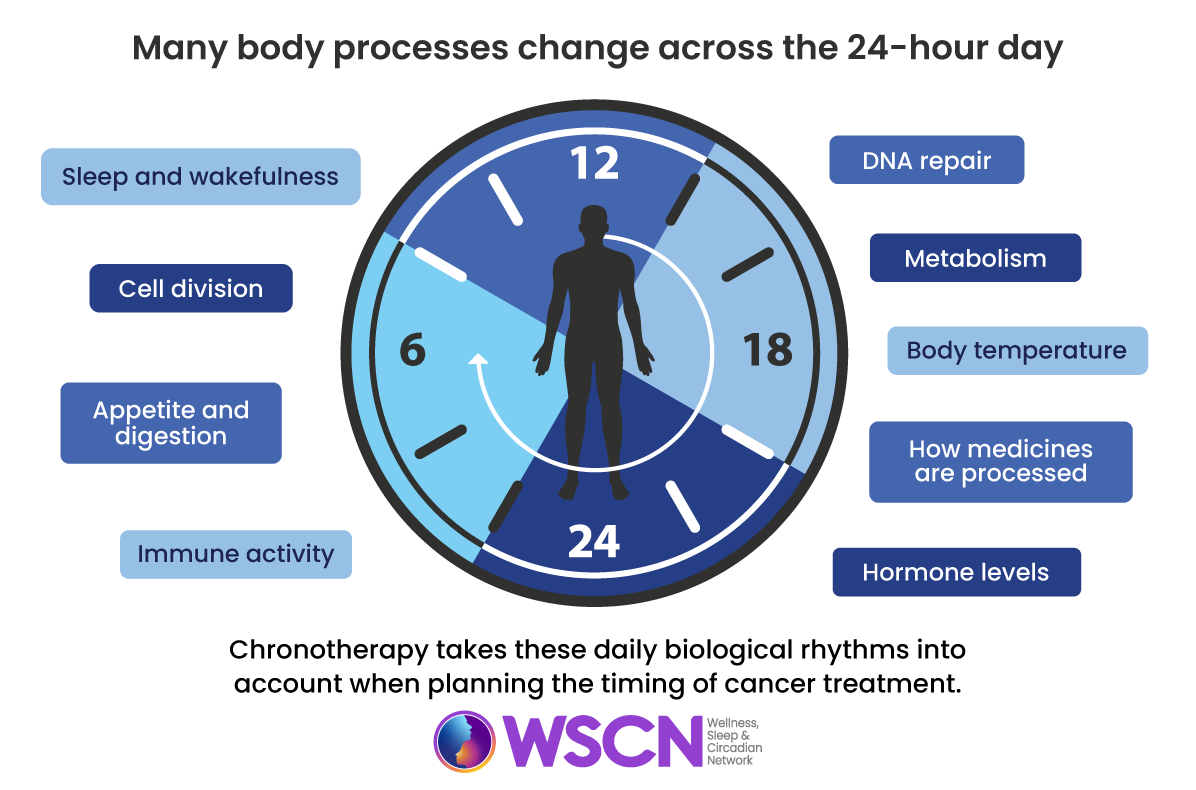
Continue reading

Atrial Fibrillation

Atrial fibrillation (AF) is a common heart rhythm condition that can increase the risk of stroke, heart failure, and other cardiovascular problems. Symptoms can vary considerably, and some people may have AF without noticing it.

Sleep and AF are connected in several ways. Sleep apnea has the strongest established link with AF, while short sleep, insomnia, and fragmented sleep have also been associated with the condition.

This page explains how sleep may affect AF, what may contribute to this connection, and when to seek support.

Overview

  • Atrial fibrillation is the most common sustained arrhythmia, and episodes can occur during the day or night.
  • Obstructive sleep apnea is common in people with AF and is an established AF risk factor.
  • Other sleep problems may also be relevant. Insomnia and short sleep have both been associated with a higher risk of developing AF.
  • Sleep quality may matter, too. Fragmented sleep and longer periods awake during the night have been linked with AF, even in people without obstructive sleep apnea.
  • Healthy sleep supports cardiovascular health, but improving sleep has not been proven to prevent or reverse AF. It does not replace prescribed AF treatment or stroke prevention.

ON THIS PAGE

Why Sleep and Atrial Fibrillation Are Biologically Connected

Atrial fibrillation (AF) occurs when abnormal electrical activity disrupts the coordinated rhythm of the heart’s two upper chambers, the atria. This causes blood to move less efficiently through the atria, which can allow clots to form and increase the risk of stroke. Over time, the irregular rhythm can also make the heart work less efficiently and contribute to heart failure and other cardiovascular problems.

AF can be intermittent or persistent. Some people experience palpitations, shortness of breath, fatigue, or reduced exercise tolerance, while others have few or no noticeable symptoms. Diagnosis usually requires an electrocardiogram or other heart-rhythm monitoring. Treatment commonly includes medication to reduce stroke risk and control the heart rate or rhythm, although some people may also need procedures such as cardioversion or catheter ablation.

Many factors influence the risk of AF, including age, genetics, cardiovascular health, body weight, alcohol use, and sleep. During healthy sleep, sympathetic nervous-system activity typically decreases and heart rate slows. Disrupted sleep can interfere with this normal pattern and increase nervous-system activity.

Short sleep and insomnia have both been associated with a higher risk of AF. Fragmented sleep, including frequent awakenings or spending longer periods awake during the night after initially falling asleep, has also been linked with AF in recent studies. These sleep changes may affect autonomic control of the heart and influence inflammation and other processes that affect the atria.

Some of these associations have also been observed in people without obstructive sleep apnea, suggesting that the relationship between sleep and AF is not explained by sleep apnea alone.

Obstructive sleep apnea nevertheless has one of the strongest established links with AF. Repeated pauses in breathing can lower blood oxygen levels, trigger brief awakenings, and activate the nervous system. Over time, these stresses may contribute to electrical and structural changes in the atria that make AF more likely.

Poor sleep alone does not mean someone will develop AF. Many factors contribute to AF, and sleep is one part of that broader picture.

How Atrial Fibrillation Can Affect Daytime and Nighttime Routines

AF can affect people differently. Some people have occasional episodes, while others experience AF more frequently or continuously. Symptoms may also vary depending on when episodes occur and how fast the heart is beating.

Nighttime episodes can disturb sleep

Some people notice palpitations or an irregular heartbeat while in bed, while others may wake during an AF episode. Shortness of breath or concern about an episode can also make it harder to fall asleep or return to sleep. A nighttime episode does not necessarily mean that sleep caused the AF.

Daytime fatigue and low energy

Fatigue and reduced exercise tolerance are common in people with AF, but poor sleep can cause similar symptoms. Sleep apnea, insomnia, medications, or another health condition may also contribute, so persistent fatigue may need further assessment.

Physical activity may feel more difficult

A fast or irregular heart rate can make exercise or everyday activity feel harder. Breathlessness, fatigue, or reduced exercise tolerance may be more noticeable during an episode, although symptoms vary considerably between individuals.

Medication and daily routines

Many people with AF take medication to reduce stroke risk, control heart rate, or help maintain a normal rhythm. Medication timing and side effects can affect how someone feels during the day or night, so new fatigue, dizziness, sleep disturbance, or other symptoms should be discussed with the care team.

AF may cause few or no symptoms

Some people have AF without noticeable palpitations or other symptoms. Because AF can be symptom-free, how a person feels or sleeps does not reliably show whether the condition is present or well controlled. Heart-rhythm monitoring may therefore still be needed, even when a person feels normal.

24-Hour View: Circadian Rhythm and Care in Atrial Fibrillation

Heart rhythm, sleep, activity, and medication effects can change across the full 24-hour day. Looking at when AF symptoms or episodes occur may help identify patterns across the day and night. A sleep and AF diary can help the care team track these changes, identify patterns, and consider whether a sleep disorder may be contributing to symptoms or AF episodes.

How to Support Sleep and Heart Rhythm Health

Healthy sleep can support cardiovascular health, but it should be considered alongside established AF treatment.

Support a consistent day-night pattern

Try to keep bedtime and wake time reasonably consistent. Regular light exposure, physical activity, and predictable daily routines can help support healthy circadian rhythms.

Allow enough time for sleep

Most adults need about seven to nine hours of sleep each night. Persistent short sleep or a major change in usual sleep duration is worth discussing with a healthcare professional.

Address persistent insomnia

Ongoing difficulty falling asleep or staying asleep should be assessed rather than assumed to be part of AF. Insomnia has been associated with AF, although treating insomnia has not been shown to prevent AF.

Watch for signs of sleep apnea

Sleep apnea is common in people with AF. Loud snoring, witnessed breathing pauses, choking or gasping during sleep, or excessive daytime sleepiness may suggest sleep apnea and should prompt further assessment. Learn more. 

Continue AF treatment as prescribed

Take AF medications as prescribed and discuss any concerns about side effects or timing with the care team. Do not change the dose or timing of medication based on sleep symptoms or home-monitoring results without medical advice.

Support cardiovascular health during the day

Regular physical activity, maintaining a healthy weight, controlling blood pressure, and limiting alcohol can support cardiovascular health and may also help improve sleep.

Keep a sleep and symptom record

A simple record of sleep times, nighttime waking, AF symptoms or known episodes, medication timing, and daytime symptoms can help identify patterns across the 24-hour day.

Other Causes of Sleep Problems in Atrial Fibrillation

Not every sleep problem in someone with AF is caused by the arrhythmia. Other possible contributors include insomnia, sleep apnea, restless legs syndrome, pain, stress, anxiety, depression, menopause, alcohol, nighttime urination, medication effects, and changes in daily routines. More than one factor can affect sleep at the same time. Identifying the underlying cause can help guide the most appropriate support or treatment.

What About Other Arrhythmias?

Sleep can also be relevant to arrhythmias other than AF. These include bradyarrhythmias, where the heart beats unusually slowly; sinus pauses, where the heart’s normal rhythm briefly pauses; heart block, where electrical signals are delayed or interrupted as they move through the heart; premature ventricular contractions (PVCs), which are extra beats that start in the heart’s lower chambers; and ventricular tachycardia, a fast rhythm that also begins in the lower chambers.

Some rhythm problems are more likely to occur during sleep because heart rate and nervous-system activity naturally change overnight. Sleep-disordered breathing can add further stress through repeated changes in oxygen levels and brief surges in nervous system activity.

Arrhythmias can also disturb sleep. A person may wake with palpitations, an unusually fast or slow heartbeat, shortness of breath, or dizziness. In other cases, the rhythm problem causes no noticeable symptoms and is only found during heart monitoring or a sleep study.

If someone has another arrhythmia and ongoing sleep problems, it is worth discussing whether the two may be connected with their healthcare team.

When Sleep Changes in People with Atrial Fibrillation Need Clinical Review

People with AF should seek clinical review if their symptoms become more frequent, last longer, or change noticeably. Increasing shortness of breath, recurrent dizziness or fainting, or a noticeable decline in exercise tolerance are also reasons to contact the care team.
Persistent difficulty sleeping, frequent nighttime waking, or excessive daytime sleepiness may also be worth discussing, particularly if they occur alongside changes in AF symptoms. Signs of possible sleep apnea may also need further assessment.
Poor sleep does not necessarily mean that AF is getting worse. However, changes in sleep alongside changes in AF symptoms may help the care team decide whether treatment, monitoring, or further assessment is needed.
Chest pain, severe difficulty breathing, loss of consciousness, or symptoms that could indicate a stroke, such as sudden weakness, facial drooping, difficulty speaking, or sudden vision changes, require urgent medical assessment.
For a fuller overview of how sleep relates to cardiovascular health, see Sleep, the Heart and Cardiovascular Health.

References


Medical disclaimer
This article is for educational purposes only and is not intended to replace professional medical advice, diagnosis, or treatment. Speak with a qualified healthcare professional about questions or concerns related to your sleep. Read full medical disclaimer
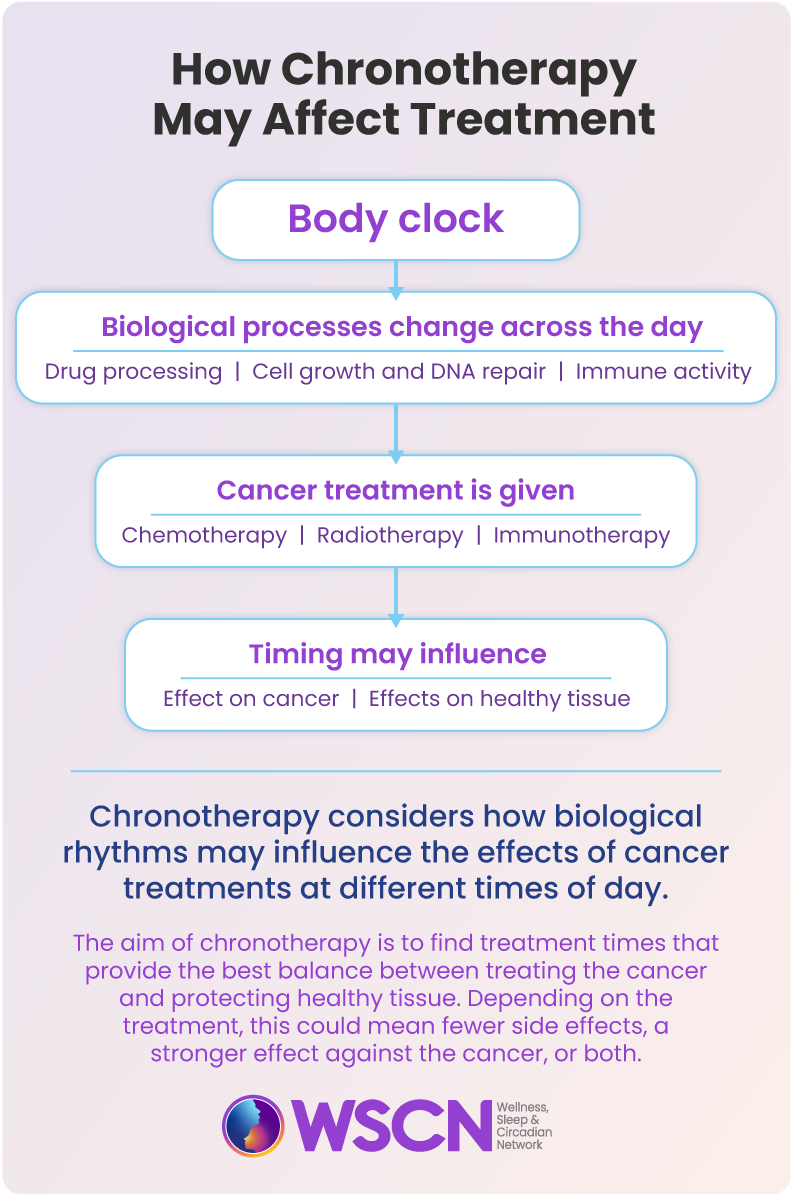
Continue reading

Cardiovascular Health

Sleep and cardiovascular health are closely connected. During healthy sleep, heart rate and blood pressure change as the body moves through different stages of sleep. These changes give the heart and blood vessels a period of overnight rest and recovery. Sleep also interacts with the nervous system, metabolism, inflammation, and the body’s internal circadian rhythm.

The relationship works both ways. Poor or disrupted sleep is associated with cardiovascular risk factors and cardiovascular disease. Heart and blood vessel conditions can also interfere with sleep through symptoms, medications, or changes in daily routines.

Looking at sleep across the full 24-hour cycle can help people understand how sleep duration, sleep quality, sleep timing, and sleep regularity may relate to cardiovascular health.

This page can help patients and caregivers recognize connections between sleep and cardiovascular health and prepare for a more focused conversation with a clinician.

Overview

  • Sleep is essential to cardiovascular health.
  • Heart rate, blood pressure, and other cardiovascular functions change naturally during sleep.
  • Poor sleep is linked with hypertension (high blood pressure), coronary artery disease, heart failure, and arrhythmias.
  • Healthy sleep involves more than getting enough sleep: sleep quality and regularity also play a role.
  • Cardiovascular conditions can disturb sleep through symptoms such as breathlessness, discomfort, or nighttime waking.
  • Sleep apnea has particularly strong links with cardiovascular disease.
  • Looking at sleep across the full 24 hours can help reveal patterns between sleep, symptoms, and cardiovascular health.

ON THIS PAGE

How Sleep and the Cardiovascular System Are Connected

Sleep is an important restorative period for cardiovascular health. The heart continues to pump blood throughout the night, but during healthy sleep the cardiovascular system generally shifts into a lower-demand state. Heart rate and blood pressure usually decrease, giving the heart and blood vessels a period of relative rest.

These changes are partly controlled by the autonomic nervous system, which automatically adjusts functions such as heart rate and blood pressure without us having to think about it. During sleep, it helps slow the heart rate and allows blood vessels to relax or tighten as needed, helping blood pressure follow its normal nighttime pattern.

These processes are also connected to the circadian system. Circadian rhythms help coordinate cardiovascular and metabolic activity across the 24-hour day.

Sleep and cardiovascular function

  • Blood pressure: Blood pressure normally decreases during sleep and rises again around waking.
  • Heart rate: Heart rate and the body’s automatic control of heart function change across different stages of sleep.
  • Blood vessels: Sleep helps blood vessels relax and supports the healthy function of their inner lining, called the endothelium.
  • Metabolism: Sleep interacts with blood sugar regulation and other cardiometabolic processes.
  • Inflammation: Poor or disrupted sleep may increase inflammation in the body, which can place added stress on the heart and blood vessels.
  • Circadian rhythm: Internal biological clocks help coordinate cardiovascular activity across day and night.

How Cardiovascular Conditions Can Affect Sleep and Circadian Rhythm

Cardiovascular disease can disrupt sleep in various ways. The relationship works in both directions. A cardiovascular condition may disrupt sleep, while poor sleep may also have an impact on cardiovascular health.

Common reasons sleep may be disrupted include:

  • Breathing difficulties: Some cardiovascular conditions can cause breathlessness that becomes more noticeable when lying down or during the night.
  • Nighttime symptoms: Palpitations, discomfort, coughing, or other symptoms can interrupt sleep.
  • Sleep apnea: Sleep-disordered breathing frequently occurs alongside cardiovascular conditions and may itself fragment sleep.
  • Medication effects: Some cardiovascular medications may affect sleep by causing vivid dreams, increasing nighttime urination, or contributing to changes in alertness or fatigue.
  • Hospital care and recovery: Hospitalization, procedures, rehabilitation, and changes in usual routines can disrupt sleep timing and quality.
  • Worry about symptoms: Concerns about cardiovascular symptoms or recovery can make it harder to fall asleep or return to sleep.

Note: Sleep problems in people with cardiovascular conditions may have more than one cause. The cardiovascular condition itself, medications, sleep apnea, stress, pain or discomfort, and changes in daily routines can all contribute. A careful assessment can help identify what is affecting sleep and guide the most appropriate next steps.

How Poor Sleep Can Affect Cardiovascular Health

A few nights of poor sleep do not mean that a person will develop cardiovascular disease. However, research clearly links unhealthy sleep with poorer cardiovascular health, particularly over extended time frames. The evidence is compelling enough that the American Heart Association recommends sleep as part of its “Life’s Essential 8” for cardiovascular health.

The relationship is broader than simply getting too little sleep. Research increasingly examines several dimensions of sleep together, including duration, quality, regularity, daytime sleepiness, and sleep disorders.

Poor or disrupted sleep may affect cardiovascular health by altering blood pressure and nervous-system activity. It may also influence metabolism and inflammation.

Short sleep has been associated with higher cardiovascular risk. Some studies also report higher risk among people with very long sleep durations.

Sleep timing and regularity may also matter, suggesting that cardiovascular health is influenced not only by sleep duration, but also by when a person sleeps and how consistent their sleep schedule remains.

Image adapted from the AHA Life’s Essential 8.

24-Hour View: Circadian Rhythm and Whole-Day Cardiovascular Health

Sleep is one part of a 24-hour biological cycle. The circadian system helps coordinate sleep and wakefulness with daily rhythms in blood pressure, heart rate, metabolism, hormone release, and other cardiovascular processes.

This means cardiovascular health is influenced not only by how much a person sleeps, but also by when sleep occurs and how consistent sleep patterns are from one day to the next.

Sleep irregularity can include large changes in bedtime, wake time, or sleep duration from day to day. Shift work, travel, artificial light at night, and other lifestyle patterns can disrupt usual sleep timing.

Own all 24 hours

How you sleep at night can affect the cardiovascular system during the day. What happens during the day can also shape sleep that night.

Understanding the links between sleep and cardiovascular health can help you recognize why getting a good night’s sleep should be a priority.

When living with a heart or blood vessel condition, reviewing the full 24 hours can help identify patterns in sleep timing, activity, symptoms, medication use, and daily routines. This can be used to optimize your health and well-being.

Cardiovascular Risk Factors and Sleep

Sleep is also connected with several factors that influence long-term cardiovascular risk, including blood pressure, glucose regulation, body weight, and metabolic health. Poor or irregular sleep may affect these factors over time, while the same conditions can also make healthy sleep more difficult.

Blood pressure

Short or disrupted sleep may interfere with normal nighttime blood-pressure regulation.

Glucose regulation

Too little sleep and disrupted sleep timing can affect how the body regulates blood sugar, leading to high glucose levels, insulin resistance and blood vessel inflammation and damage over time if not managed.

Body weight

Short sleep has been associated with obesity and weight gain. Obesity can also increase the likelihood of obstructive sleep apnea, creating a two-way relationship between sleep and metabolic health.

Metabolic syndrome

Poor sleep duration, irregular sleep, and poor sleep quality have all been associated with metabolic syndrome in population studies.

Blood lipids

Poor sleep has been associated with changes in cholesterol and triglyceride levels, which can contribute to cardiovascular disease risk.

Arterial health

Poor or irregular sleep has been linked with changes in blood-vessel function and early signs of atherosclerosis.

Note: These relationships are complex. Sleep is one part of cardiovascular risk, alongside physical activity, diet, smoking, blood pressure, glucose levels, and blood cholesterol.

Related Sleep Disorder: Sleep Apnea

Sleep apnea is closely linked with cardiovascular health. Repeated pauses in breathing can lower blood oxygen, disrupt sleep, and place extra stress on the cardiovascular system. Sleep apnea is associated with hypertension, atrial fibrillation, coronary artery disease, and heart failure. People with cardiovascular disease may not always recognize sleep apnea, even when it is disrupting their sleep or affecting their cardiovascular health.

Learn more

Cardiovascular Sleep Concerns That May Need Medical Attention

Sleep changes are common, but some symptoms are worth discussing with a healthcare professional, particularly when they are new or persistent. Patients or caregivers should seek medical advice for:

  • Persistent difficulty sleeping or repeated nighttime awakenings
  • Loud snoring, breathing pauses, choking, or gasping during sleep
  • Excessive daytime sleepiness
  • Palpitations or a racing or irregular heartbeat around sleep
  • Breathlessness that interrupts sleep or becomes worse when lying down
  • Persistent fatigue despite getting enough sleep
  • Significant changes in usual sleep duration or sleep timing
  • Sleep problems that begin after a cardiovascular diagnosis or medication change 

A clinician can help determine whether sleep symptoms may relate to a cardiovascular condition, a medication, or an underlying sleep disorder. Depending on the symptoms, further assessment may include cardiovascular evaluation or a sleep study. Sudden chest pain, severe shortness of breath, fainting, or symptoms of a possible heart attack or stroke require urgent medical attention.

What to Track Before an Appointment

Tracking sleep and cardiovascular symptoms across the full day and night can make concerns easier to discuss with a clinician. It may also help identify patterns that could guide further assessment.

Useful things to track include:

  • Regular bedtime and wake time, and any changes to routine
  • Night wakings and reasons for them
  • Daytime sleepiness or naps
  • Snoring, gasping, or witnessed breathing pauses
  • Palpitations or changes in heartbeat
  • Any increase or change in cardiovascular symptoms
  • Breathlessness during the night or when lying down
  • Blood pressure readings, when already being monitored
  • Medication timing and recent medication changes
  • Caregiver or bed-partner observations

A short record over several days may reveal connections between sleep timing, nighttime symptoms, daytime function, and cardiovascular health that are difficult to remember during an appointment.

References


Medical disclaimer
This article is for educational purposes only and is not intended to replace professional medical advice, diagnosis, or treatment. Speak with a qualified healthcare professional about questions or concerns related to your sleep. Read full medical disclaimer

Continue reading

Menopause

Menopause can change more than the menstrual cycle. During the menopausal transition, shifts in reproductive hormones can affect sleep, body temperature, mood, and the body’s circadian rhythm, the internal timing system that helps organize sleep and wakefulness across the 24-hour day.

Sleep problems are common during perimenopause and after menopause, especially waking repeatedly during the night. Hot flashes and night sweats can contribute, but they are not the only cause. Hormonal changes, stress, mood, aging and other health conditions may all play a role.

Menopause may also affect the timing and strength of the body’s daily rhythms. This means that supporting sleep is not only about what happens at bedtime. Looking across the full 24 hours can help identify patterns, strengthen day-night signals, and find changes that work for you.

Overview

  • Sleep disturbances commonly increase during the menopausal transition, particularly difficulty staying asleep and repeated nighttime awakenings
  • Hot flashes and night sweats, known as vasomotor symptoms, can disrupt sleep, although not every sleep problem during menopause is caused by them.
  • Menopause may also affect circadian rhythms, including sleep timing, melatonin rhythms and the strength of the body’s normal day-night pattern
  • Daytime light, activity and regular daily routines can help reinforce the signals that tell the body when it is time to be awake and when it is time to sleep
  • Persistent insomnia and disruptive menopausal symptoms can be treated – they do not have to be accepted as an unavoidable part of menopause

ON THIS PAGE

Why menopause can affect sleep and circadian rhythm

The menopausal transition usually unfolds over several years. During perimenopause, estrogen and other reproductive hormones change substantially before hormone levels reach a new pattern after menopause. These changes can affect systems involved in sleep, daytime alertness, and body-temperature regulation.

One of the most visible effects is vasomotor symptoms, including hot flashes and night sweats. These symptoms frequently occur during sleep and can trigger or accompany awakenings. Women with more frequent or severe vasomotor symptoms are more likely to report disrupted sleep.

Hormonal changes may also affect the body’s internal clock. Research suggests that shifts in reproductive hormones can influence melatonin, a hormone that helps signal when it is time to sleep. After menopause, some of the body’s normal day-night rhythms may also become less pronounced. In one small laboratory study, postmenopausal women showed smaller differences between day and night in sleep, alertness and melatonin. Aging may also have contributed to these changes.

Hormones are only part of the picture. Perimenopause and menopause often occur during a demanding stage of life. Women may be balancing work and family responsibilities while supporting children who are becoming more independent or caring for aging parents. Stress, mood changes, medications, and other health conditions can also affect sleep. Some of these factors can be changed or managed, while others may be harder to control. Often, several factors affect sleep at the same time.

How menopause can change your nights and days

A common change during the menopausal transition is increasing difficulty staying asleep. Nighttime awakenings become more frequent, and some women begin waking earlier or find it harder to return to sleep once awake.

The effects can carry over into the day. Poor or fragmented sleep can contribute to fatigue, brain fog and reduced concentration. It can also affect mood. Some women may become less active or nap more during the day, while others may rely more on caffeine. This can create a 24-hour cycle of disruption. A difficult night can change the following day, and what happens during the day can influence the next night.

Menopause may also shift the timing of sleep and activity. Research suggests that circadian rhythms may become less robust after menopause, with some women showing earlier sleep timing and greater morning activity.

OWN ALL 24 HOURS: Looking across the full day and night

You cannot control every hormonal change or prevent every hot flash. But there are parts of the 24-hour day that you can shape. The goal is not to create a perfect schedule. It is to build a rhythm that works for your life while giving the body clear and reasonably consistent signals about when it is daytime and when it is time to sleep.

Look across the whole day. Notice when you wake, when you get outside, when you are physically active, and when your energy rises or falls. Pay attention to when hot flashes occur and whether alcohol, caffeine, spicy or rich foods, naps, or late-evening routines seem to affect the night.

A simple sleep or 24-hour diary can help reveal patterns that are difficult to see from one night alone. It can also help identify which changes are realistic for you.

What you can change, and what can be treated

Some sleep problems respond to changes in daily patterns. Others need targeted treatment.

Consider treatment for menopause symptoms. Menopausal hormone therapy is an effective treatment for vasomotor symptoms such as hot flashes and night sweats. Sleep may also improve, particularly when these symptoms are contributing to nighttime waking. Non-hormonal treatments are available for women who cannot or prefer not to use hormone therapy. The best approach depends on your symptoms and health history. A healthcare professional can help you weigh the options based on your preferences. 

Strengthen your day-night signals. Try to keep your wake time reasonably consistent, even if every day cannot look exactly the same. Get daylight during the morning or daytime when possible. Regular physical activity can also help support sleep and circadian health.

Look for the main driver of disrupted sleep. If hot flashes or night sweats repeatedly wake you, treating the vasomotor symptoms may improve sleep. If you are lying awake for long periods or worrying about sleep itself, insomnia may have become a separate problem.

Treat persistent insomnia. Cognitive behavioral therapy for insomnia, or CBT-I, is the recommended behavioral treatment for chronic insomnia. Trials in peri- and postmenopausal women have shown substantial improvements in insomnia symptoms, daytime function, and quality of life, with benefits that can persist after treatment ends.

Sleep problems during menopause are common, but common does not mean normal or untreatable.

When to talk with a healthcare professional

Talk with a healthcare professional if sleep problems persist, regularly affect daytime function or remain disruptive despite changes to your routine.

Not every sleep problem during menopause is caused by menopause. Sleep apnea becomes more common after menopause, but it can be harder to recognize in women. Loud snoring or witnessed breathing pauses may be absent. Instead, symptoms may include excessive daytime sleepiness, fatigue, morning headaches or difficulty concentrating. These symptoms should be discussed with a healthcare professional, especially if sleep remains unrefreshing 

A clinician can also assess persistent insomnia or severe hot flashes and night sweats. Restless legs symptoms, mood changes or other health conditions may need separate evaluation. Poor sleep and low daytime energy do not have to be accepted as an inevitable part of menopause. Protecting sleep and circadian health, making realistic changes across the day and night, and seeking professional support when needed can all help improve how you feel and function.

References


Medical disclaimer
This article is for educational purposes only and is not intended to replace professional medical advice, diagnosis, or treatment. Speak with a qualified healthcare professional about questions or concerns related to your sleep. Read full medical disclaimer

Continue reading