SEC Section: Sleep & Circadian Health

Sleep in Children

Sleep changes considerably as children grow, from daytime naps in toddlerhood to more consistent nighttime sleep during the school years. These changes reflect ongoing brain and body development, as well as the growing influence of daily routines and the body’s internal clock. Getting enough sleep supports learning, memory, physical growth, emotional regulation, and overall health.

If bedtime battles, night wakings, early morning wake-ups, or requests for “just one more story” sound familiar, you’re not alone. Children’s sleep can be affected by changing routines, nighttime fears, illness, and screen use. Many of these challenges are a normal part of development and can improve with consistent, age-appropriate support.

This page explains what healthy sleep looks like at different ages, why it matters, and when to seek additional support.

Overview

  • Typical Sleep Need

    Children need different amounts of sleep depending on their age, including naps:

    • Ages 1–2 years: 11–14 hours per 24 hours
    • Ages 3–5 years: 10–13 hours per 24 hours
    • Ages 6–12 years: 9–12 hours per 24 hours
  • Common Sleep Pattern

    • Sleep gradually becomes more consolidated at night
    • Toddlers and some preschoolers still need daytime naps
    • By school age, most sleep occurs overnight
  • Key Circadian Features

    During childhood, the body clock becomes more established but remains strongly influenced by daily routines and environmental cues. Consistent wake times, daylight exposure, and calming evening routines help support healthy sleep timing.

  • Common Challenges

    • Bedtime resistance and difficulty falling asleep alone
    • Night wakings and early morning waking
    • Nightmares and nighttime fears
    • Changing nap requirements
    • Sleep disruption from screens, illness, or stress
  • When to Seek Help

    • Persistent or worsening sleep problems
    • Difficulty with learning, behavior, or mood
    • Excessive daytime sleepiness or difficulty waking
    • Loud snoring, gasping, or pauses in breathing during sleep
    • Significant changes in growth or weight
    • Frequent or distressing nighttime behaviors, including sleepwalking or bedwetting

ON THIS PAGE

Why sleep matters during childhood

Sleep plays an essential role in helping children grow, learn, and develop. During childhood, the brain and body develop rapidly as children adapt to new routines, relationships, and daily experiences.

Healthy sleep supports learning, memory, attention, and immune function. It also contributes to physical growth, emotional regulation, and behavior, helping children manage the demands of play, school, family life, and friendships.

When children do not get enough sleep, or their sleep is frequently disrupted, they may struggle with concentration, learning, and managing emotions. Unlike adults, who often become noticeably sleepy, children may also show signs of insufficient sleep through irritability, restlessness, or hyperactive behavior.

Poor sleep can also affect parents and caregivers, particularly when bedtime becomes stressful or frequent night wakings disrupt the household. Although many childhood sleep challenges are common and temporary, supporting healthy sleep habits early can benefit the whole family.

What sleep looks like in children

Children’s sleep patterns change gradually from toddlerhood through the school-age years. As children grow, sleep becomes more concentrated at night, daytime naps become less frequent, and regular routines help them feel secure and ready for sleep.

Common sleep patterns during childhood include:

  • Changing sleep needs: Toddlers aged 1–2 need 11–14 hours of sleep, preschoolers aged 3–5 need 10–13 hours, and school-age children aged 6–12 need 9–12 hours per 24 hours.
  • Daytime naps in toddlers: Many young children still need daytime sleep to meet their overall sleep requirements.
  • Transition away from naps: Between ages 3 and 5, some children continue to nap while others gradually shift toward sleeping entirely at night.
  • More consolidated nighttime sleep: By school age, most children get the majority of their sleep overnight.
  • Occasional night wakings: Children may wake because of nightmares, fears, illness, discomfort, or a need for reassurance.

Sleep patterns can also vary during periods of growth, illness, stress, or changes in family routines. Although some variation is normal, consistently getting too little sleep or following irregular sleep schedules can affect a child’s mood, attention, learning, and behavior.

The circadian rhythm – how timing affects sleep

The circadian rhythm is the body’s internal 24-hour clock. It helps regulate sleep and wakefulness, alertness, body temperature, hormone release, and other daily functions. Light is one of the strongest signals that helps keep this internal clock aligned with the day-night cycle.

During childhood, the body clock is more developed than in infancy but remains influenced by the child’s environment and daily routines. Regular wake times, exposure to daylight, meals, physical activity, and school or childcare schedules all help shape when children feel alert and when they become sleepy.

Consistent daily routines and regular exposure to natural light, particularly in the morning, help support healthy circadian rhythms. Calming evening activities and reduced light exposure before bedtime can also help children prepare for sleep.

What healthy sleep means in childhood

Healthy sleep for children is about more than getting enough hours of rest. It also involves when children sleep, how consistently they follow a sleep schedule, and how well they feel and function during the day. The goal is not perfect sleep every night, but a regular, age-appropriate pattern that supports healthy growth and development.

Common sleep challenges in childhood

Children’s sleep patterns vary widely, and many sleep challenges are a normal part of development. Toddlers, preschoolers, and school-age children may all experience sleep difficulties, particularly during illness, stress, developmental transitions, or changes in routine. Common challenges include:

  • Bedtime resistance: Children may delay bedtime, ask for more attention, or resist going to bed, particularly during developmental transitions.
  • Difficulty falling asleep alone: Some children need reassurance or a caregiver’s presence to settle at bedtime.
  • Night wakings: Children may wake during the night because of illness, discomfort, fears, or difficulty settling back to sleep.
  • Nightmares and nighttime fears: Frightening dreams, fear of the dark, or separation anxiety can disrupt sleep and make bedtime stressful.
  • Nap transitions: As children grow and need fewer naps, changes in daytime sleep can temporarily affect nighttime sleep.
  • Early morning waking: Children may wake earlier than expected because of changes in sleep schedules, morning light, or other environmental factors.
  • Inconsistent routines and family stress: Changes in household schedules, family circumstances, or daily routines can make it harder for children to settle and sleep consistently.

Many of these challenges are temporary and improve with consistent routines and age-appropriate support. If sleep difficulties persist, worsen, or affect your child’s daytime functioning, consider talking with a pediatrician or another qualified healthcare professional.

What supports healthy sleep in children

Children’s sleep is strongly influenced by their daily routines and environment. Parents and caregivers can support healthy sleep by providing consistent schedules, encouraging daytime activity, and creating a calm, reassuring bedtime environment.

Some evidence-informed suggestions include:

  • Keep consistent wake times: Waking at roughly the same time each morning helps regulate the body’s internal clock.
  • Encourage morning daylight: Exposure to natural light, particularly in the morning, helps children feel alert and supports healthy sleep timing.
  • Keep days active: Outdoor play, physical activity, and social interaction help children feel ready for sleep at night.
  • Create a predictable bedtime routine: A calm, repeatable routine, such as bathing, reading, or listening to a story, helps children know when it is time for sleep.
  • Make evenings calm: Dimming lights and choosing quiet activities before bedtime can help children wind down.
  • Set consistent bedtime expectations: Clear, reassuring routines help children feel secure and understand when it is time to sleep.
  • Limit screens before bed: Reducing evening screen use can prevent bedtime delays and help children settle more easily.
  • Provide reassurance at bedtime: Spending quiet time together can help children feel secure and manage nighttime fears.
  • Create a comfortable sleep environment: A quiet, dark, and comfortably cool bedroom can help support uninterrupted sleep.

Sleep patterns naturally vary during illness, travel, growth, and changes in family routines. Maintaining consistent habits over time is more helpful than expecting perfect sleep every night.

Sleep safety in children

Creating a safe sleep environment is an important part of supporting healthy sleep. As children grow and become more independent, their sleeping arrangements should adapt to their age and developmental needs.

Parents and caregivers can take several steps to help keep children safe during sleep:

  • Choose age-appropriate beds: Move toddlers from a crib to a suitable bed when they begin climbing out or outgrow the crib. Children younger than six should not sleep in the upper bunk of a bunk bed.
  • Prevent falls and injuries: Keep beds away from windows and use properly fitted bed rails when appropriate. Ensure bunk beds have secure guardrails and ladders.
  • Remove bedroom hazards: Keep electrical cords, window blind cords, and potentially dangerous objects out of reach, particularly for younger children.
  • Keep the sleep environment comfortable: Maintain a comfortable room temperature and use age-appropriate bedding and sleepwear.
  • Take precautions with sleepwalking: Keep floors clear of obstacles and secure stairs or other hazards if your child sleepwalks. Gently guide them back to bed if needed.
  • Use sleep medications cautiously: Avoid giving children sleep aids or melatonin without discussing their use with a healthcare professional.

Sleep safety needs change as children grow. Regularly checking the bedroom environment and adjusting sleeping arrangements can help prevent injuries and support restful sleep.

When to talk to a healthcare professional

You do not need to know what is causing your child’s sleep difficulties before asking for help. Talk with a healthcare professional if sleep problems persist, become more frequent, or begin to affect your child’s health, mood, or daily activities. Many childhood sleep problems can be treated, and getting support can help you find the right approach.

Consider seeking medical advice if your child experiences:

  • Regular loud snoring, gasping, or pauses in breathing during sleep
  • Excessive daytime sleepiness or difficulty waking in the morning
  • Persistent difficulty falling asleep, staying asleep, or waking too early
  • Changes in attention, mood, or behavior, including increased irritability or hyperactivity
  • Frequent nightmares, night terrors, sleepwalking, or bedwetting that are distressing or unusual for your child’s age
  • Sleep problems related to pain, illness, medications, anxiety, or neurodevelopmental conditions
  • Persistent bedtime fears, separation anxiety, or distress that makes falling asleep difficult
  • Sleep problems that significantly affect family routines or caregiver wellbeing

Red Flags: Some symptoms require more immediate attention:

  • Breathing difficulties during sleep, particularly repeated gasping, choking, or prolonged pauses in breathing.
  • Extreme sleepiness, unusual confusion, or difficulty waking your child.
  • Nighttime behaviors that put your child at risk of injury, including dangerous sleepwalking episodes.
  • Significant changes in behavior or emotional distress that raise concerns about your child’s safety.
  • Severe breathing difficulties, unresponsiveness, or inability to wake your child normally. Seek emergency medical care.

Persistent sleep difficulties or distress also deserve medical attention, even when there is no immediate safety concern.

References


Medical disclaimer
This article is for educational purposes only and is not intended to replace professional medical advice, diagnosis, or treatment. Speak with a qualified healthcare professional about questions or concerns related to your sleep. Read full medical disclaimer


Continue reading

Sleep in Infants

Sleep changes rapidly during the first year of life. Newborns spend much of their time sleeping, but their sleep is spread across the day and night. As babies grow, their internal body clock develops, and sleep patterns gradually become more predictable.

Sleep supports healthy brain development and physical growth. It also plays an important role in how babies learn and respond to the world around them.

Frequent night waking, short naps, and changing sleep patterns are normal parts of infancy. Understanding what to expect can help parents and caregivers support healthy sleep without feeling pressure to establish a perfect schedule.

Overview

  • Typical Sleep Need

    • Newborns (0–3 months): 14–17 hours across 24 hours
    • Infants (4–12 months): 12–16 hours across 24 hours, including naps
  • Common Sleep Patterns

    • Frequent waking and short periods of sleep
    • Longer nighttime sleep and more predictable naps develop gradually
  • Key Circadian Features

    Babies are born without a fully developed internal body clock, and their sleep gradually becomes more aligned with day and night during the first year. Natural daylight and consistent caregiving routines help support this development.

  • Common Challenges

    • Frequent night waking and irregular naps
    • Difficulty settling and changing sleep patterns
    • Disrupted sleep for parents and caregivers
  • When to Seek Help

    Seek support if your baby experiences:

    • Has persistent sleep difficulties or major changes in sleep patterns
    • Has feeding difficulties or is not gaining weight as expected
    • Snores regularly or has noisy breathing during sleep
    • Is unusually sleepy or difficult to wake
    • Has sleep problems that significantly affect caregiver well-being

ON THIS PAGE

Why sleep matters during infancy

Sleep is essential for healthy development during the first year of life. Babies grow rapidly, and their brains are constantly forming new connections. Sleep supports this development and helps babies process what they experience while awake.

Getting enough sleep also supports physical growth and early learning. As babies mature, sleep helps them become better able to manage their emotions and respond to the world around them.

Infant sleep also affects the whole family. Frequent nighttime waking can leave parents and caregivers exhausted, especially during the early months. Finding ways to support everyone’s sleep and well-being is an important part of caring for a baby.

Every baby develops at their own pace. Frequent waking and changing sleep patterns do not necessarily mean something is wrong. What matters is that sleep is safe and supports the baby’s health and development.

Mother With Sleeping Newborn

What sleep looks like in infancy

Infant sleep changes considerably during the first year. Newborns sleep in short periods throughout the day and night. As babies grow, sleep gradually becomes more concentrated at night, while daytime naps become more predictable.

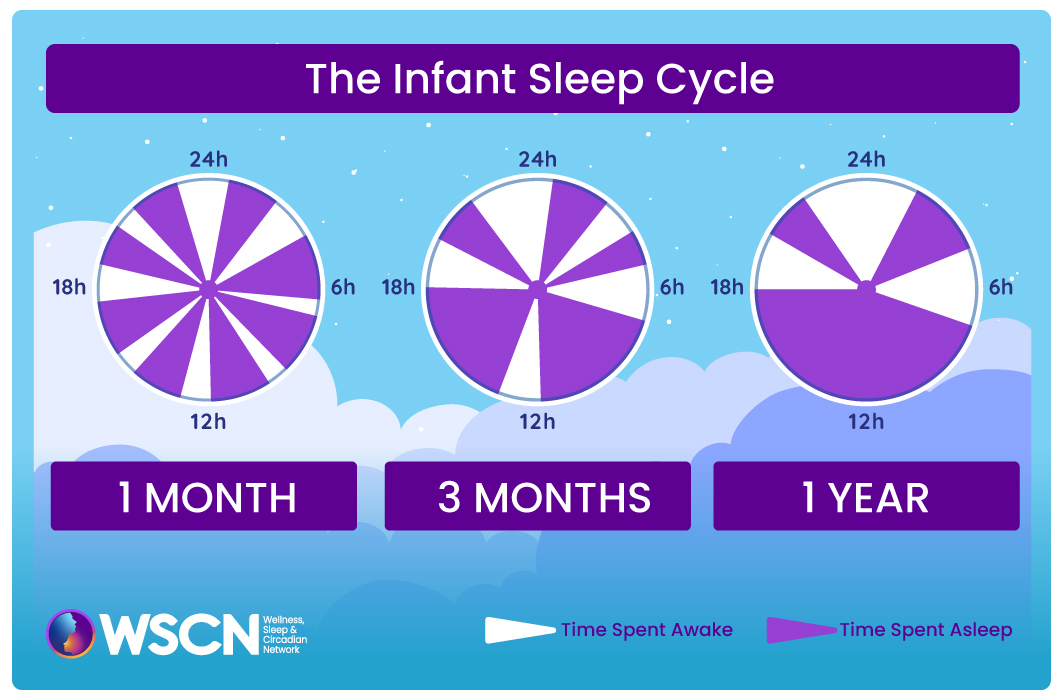
The graphic below illustrates how sleep patterns typically develop:

  • Around 1 month: Sleep is spread across the full 24 hours, with frequent waking for feeding and care. Babies have not yet developed a regular day-night rhythm.
  • Around 3 months: Longer stretches of nighttime sleep begin to emerge as the internal body clock develops. Daytime sleep remains important, and frequent waking is still common.
  • Around 1 year: Most sleep occurs at night, with more predictable periods of wakefulness during the day. Babies still need daytime naps, but sleep patterns are generally more regular.

How much sleep do babies need? Newborns generally need 14–17 hours of sleep across 24 hours. From 4–12 months, the recommended amount is 12–16 hours, including naps.

These patterns are only a general guide. Every baby develops at their own pace, and nighttime waking remains common throughout infancy. There is no single sleep schedule that works for every baby.

The Infant Sleep Cycle

The circadian rhythm in infants

Babies are not born with a fully developed internal body clock. During the first months of life, sleep and waking are spread across the day and night, often following feeding needs rather than a regular schedule.

The circadian rhythm, the body’s internal 24-hour timing system, develops gradually. Early differences between day and night often begin to emerge during the first few months. As the body clock matures, many babies start sleeping for longer periods at night and spending more time awake during the day.

Light plays an important role in this process. Exposure to natural daylight helps the developing body clock recognize daytime, while a darker and quieter environment at night supports the difference between day and night.

Regular feeding and caregiving routines can also provide helpful daily cues. Over time, these patterns support the development of a more predictable sleep-wake rhythm.

Every baby develops differently, and occasional disruptions are normal. The goal is not to create a strict schedule but to gently support the body’s natural development.

What healthy sleep means in infants

Healthy infant sleep is not about sleeping through the night as early as possible. It means getting enough sleep for healthy development, following safe-sleep practices, and allowing sleep patterns to mature naturally.

Common sleep challenges in infants

Sleep patterns change quickly during infancy, and many challenges are part of normal development. Understanding these changes can help parents and caregivers respond with greater confidence.

  • Frequent night waking: Babies often wake for feeding or comfort, particularly during the early months. Night waking can continue even after longer sleep stretches begin to develop.
  • Short or irregular naps: Daytime sleep may be unpredictable at first. Naps usually become more regular as babies grow, although their timing and duration can vary.
  • Difficulty settling: Some babies need more help falling asleep or returning to sleep. Hunger, discomfort, or overstimulation can make settling more difficult.
  • Changes in sleep patterns: A baby who previously slept for longer stretches may begin waking more frequently. These changes can occur during periods of rapid development, illness, or changes in routine.
  • Day-night confusion: Young babies may sleep for longer periods during the day and remain more awake at night while their internal body clock is developing.
  • Caregiver sleep disruption: Frequent nighttime care can affect parents’ sleep and well-being. Sharing caregiving responsibilities and seeking support can help families manage this period.

Not every sleep difficulty requires treatment. However, persistent problems or changes accompanied by feeding difficulties, breathing concerns, or unusual behavior should be discussed with a pediatrician.

What can support healthy sleep in infants

Healthy infant sleep develops gradually. While parents cannot control exactly when or how long their baby sleeps, they can create a safe and supportive environment that encourages healthy sleep patterns.

Small, consistent habits can help:

  • Let daylight signal the start of the day. Open the curtains in the morning and spend time outdoors when possible. Natural daylight helps the developing body clock learn the difference between day and night.
  • Keep nighttime calm. Use dim lighting and quiet voices during nighttime feeds and diaper changes. This helps create a distinction between nighttime care and daytime activity.
  • Enjoy interaction during the day. Talking, playing, and spending time together during waking periods support healthy development. Age-appropriate activity also helps establish a daily rhythm.
  • Build gentle routines. Familiar activities before bedtime, such as feeding, changing, or quiet cuddling, can help babies begin to recognize when it is time for sleep.
  • Follow your baby’s needs. Watch for signs of tiredness and respond to hunger or discomfort. Young babies need flexibility, and feeding and sleep schedules will change as they grow.
  • Expect changes along the way. Growth, illness, and developmental changes can temporarily disrupt sleep. A routine that works well one month may need adjusting the next.
  • Make every sleep a safe sleep. Always place your baby on their back in a crib, bassinet, or other approved infant sleep space with a firm, flat mattress. Keep pillows, loose blankets, and soft objects out of the sleep space.
  • Share a room, not a bed. Keeping your baby’s separate sleep space in your room for at least the first six months makes nighttime care easier while supporting safer sleep.
  • Look after your own sleep, too. Caring for a baby can be exhausting. When possible, share nighttime responsibilities and ask family members or trusted caregivers for help.

There is no need to aim for a perfect sleep schedule. Gentle routines and a safe sleeping environment can support healthy sleep while allowing your baby to develop at their own pace.

Sleep safety in infants

Creating a safe sleep environment is one of the most important ways to protect your baby. Following a few simple precautions can help reduce the risk of sleep-related injuries and sudden infant death syndrome (SIDS).

  • Always place your baby on their back to sleep, for naps and at night, until their first birthday.
  • Use a firm, flat sleep surface, such as a crib or bassinet with a fitted sheet. Keep pillows, loose blankets, bumpers, and soft toys out of the sleep space.
  • Share a room, not a bed. Keep your baby’s separate sleep space in your room for at least the first six months.
  • Avoid overheating. Dress your baby comfortably for the room temperature and keep their head uncovered during sleep.
  • Avoid sleeping on sofas or armchairs with your baby. These surfaces are particularly dangerous for infant sleep.

Safe sleep practices are important for every nap and nighttime sleep, even as your baby grows and sleep patterns become more predictable. For more information view our page on sleep safety in infants.

When to talk with a healthcare professional

You do not need to know what is causing your baby’s sleep difficulties before asking for help. Talk with a pediatrician or healthcare professional if sleep concerns persist, become more frequent, or begin to affect your baby’s health or daily activities.

Many infant sleep difficulties are part of normal development, but some may need further assessment. Getting support can help you understand what is typical for your baby’s age and identify problems that may need attention.

Consider seeking medical advice if your baby:

  • Snores regularly or has noisy breathing during sleep
  • Has ongoing difficulty feeding or is not gaining weight as expected
  • Seems unusually sleepy or less responsive than normal
  • Has persistent difficulty settling or appears uncomfortable during sleep
  • Has sleep problems associated with reflux, pain, or another health condition
  • Experiences significant changes in sleep alongside changes in feeding or behavior

Your own well-being also deserves attention. If disrupted sleep is affecting your ability to cope or care for your baby safely, talk with a healthcare professional about available support.

Red flags: Some symptoms require urgent medical attention:

  • Breathing difficulties: Your baby is struggling to breathe, has repeated pauses in breathing, or develops blue or gray lips or skin. Seek emergency medical care.
  • Difficulty waking: Your baby is unusually unresponsive, cannot be woken normally, or appears limp. Seek emergency medical care.
  • Signs of dehydration: Your baby is feeding poorly and has significantly fewer wet diapers than usual. Seek prompt medical assessment.
  • Fever in a young infant: A temperature of 100.4°F (38°C) or higher in a baby younger than three months requires immediate medical assessment.

If your baby seems seriously unwell, seek urgent medical care rather than waiting for sleep patterns to improve.

References


Medical disclaimer
This article is for educational purposes only and is not intended to replace professional medical advice, diagnosis, or treatment. Speak with a qualified healthcare professional about questions or concerns related to your sleep. Read full medical disclaimer
Continue reading

Sleep Across the Life Stages

Our sleep needs change throughout life. Babies spend much of their time asleep, teenagers often develop later sleep schedules, and older adults may experience lighter, more interrupted sleep.

Understanding how sleep changes as we grow and age can help us recognize what is normal, identify sleep problems, and find ways to support healthy sleep at every stage of life.

Overview

  • Sleep needs are highest in infancy and gradually decrease through childhood before becoming more stable in adulthood
  • Sleep patterns change with age, from frequent naps in infancy to longer periods of nighttime sleep
  • Our internal body clock also changes over time, often shifting toward later sleep in adolescence and earlier sleep in older adulthood
  • Each life stage brings different challenges to healthy sleep, but understanding these changes can help us find routines that work

ON THIS PAGE

Sleep changes across life

As we grow and age, our sleep needs and patterns change in several important ways:

  • How much sleep is needed: Newborns often sleep more than half the day. Children and teens still need more sleep than adults. Most adults need at least 7 hours. Older adults usually need a similar amount, even if sleep feels lighter or more broken.
  • How sleep is organized: Infants sleep in short stretches across day and night. Sleep gradually consolidates into a longer night, with naps dropping away in childhood. Adults usually have one main sleep period. Older adults may wake more often or nap during the day.
  • When the body is ready to sleep: Our internal body clock develops during infancy and childhood. During adolescence, it often shifts later, making teenagers naturally more inclined to stay up late. In older adulthood, sleep and wake times often shift earlier.
  • What challenges sleep: Feeding and development shape infant sleep. Routines, school, and bedtime resistance are common in childhood. Teens face later body clocks, early school start times, screens, and social demands. Adults juggle work, caregiving, stress, and health changes. Older adults may be affected by medications, medical conditions, retirement lifestyle changes, and earlier waking/bedtimes.

Learning what is healthy for your life stage can help you make decisions to support your sleep and take ownership of all 24 hours.

What healthy sleep means at every age

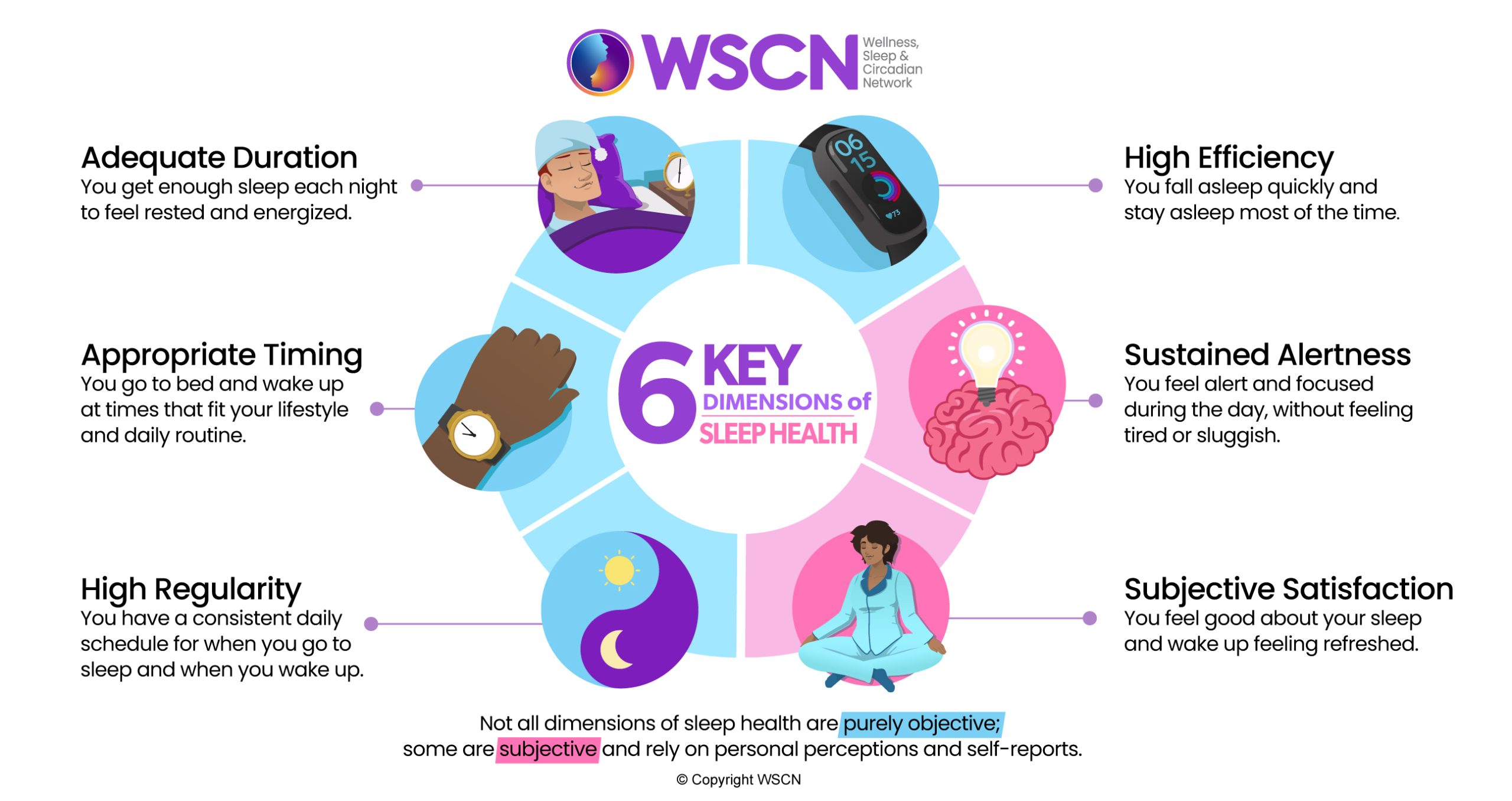
Getting enough sleep is important at every age, but healthy sleep is about more than the number of hours we sleep. Sleep can be measured across several different dimensions, includes when we sleep, how regularly we sleep, and how rested we feel during the day. These aspects of sleep health remain important throughout life, even as our sleep needs and patterns change.


Typical sleep needs by life stage

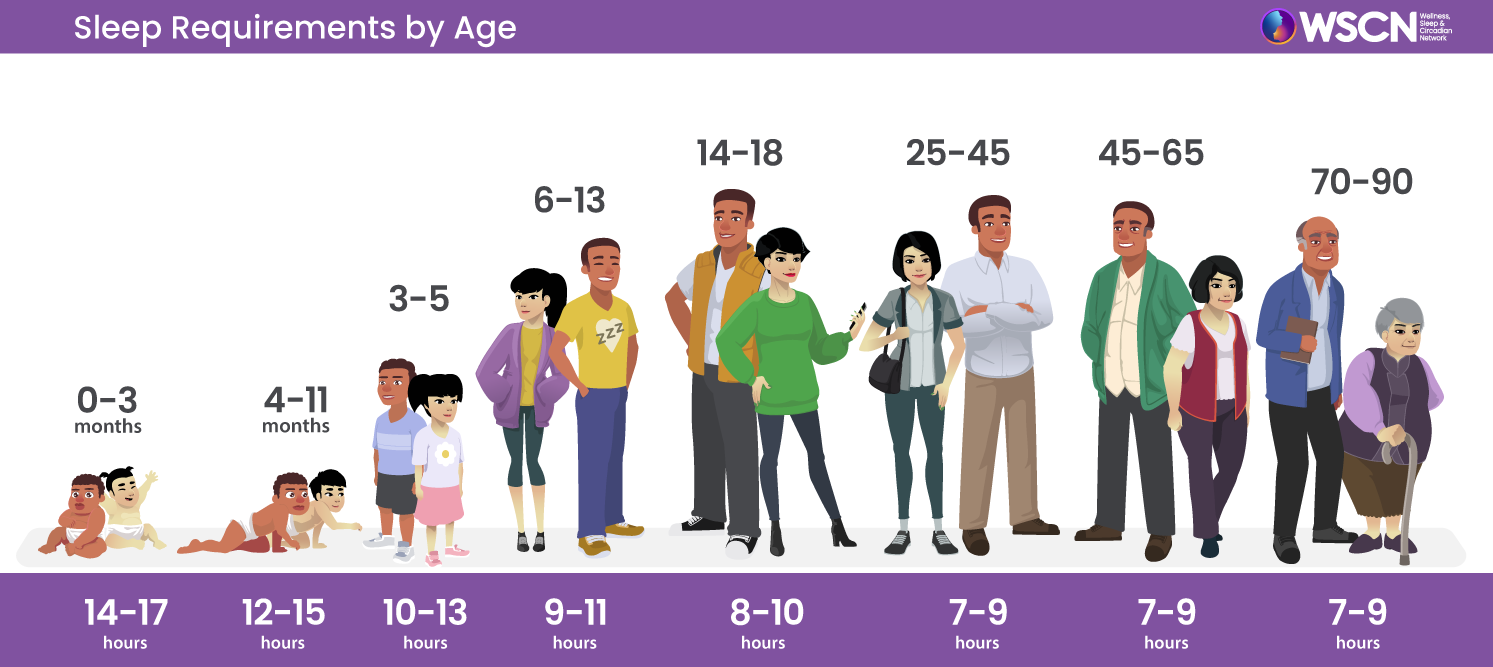
The amount of sleep we need is greatest early in life and gradually decreases as we grow. By adulthood, most people need around 7 to 9 hours of sleep each night, although individual needs vary.

The chart below shows typical sleep recommendations for different age groups, including daytime naps for infants and young children.

References


Medical disclaimer
This article is for educational purposes only and is not intended to replace professional medical advice, diagnosis, or treatment. Speak with a qualified healthcare professional about questions or concerns related to your sleep. Read full medical disclaimer

Continue reading