SEC Section: Sleep & Circadian Health

Circadian Essentials

A person’s health is shaped by more than the hours they spend asleep. The body follows a daily 24-hour cycle, known as the circadian rhythm, that helps regulate when we feel alert, sleepy, or hungry. This internal rhythm responds to cues such as light and darkness and works alongside our need for sleep to support health across all 24 hours.

Understanding how our internal body clock works can help us recognize the connections between sleep, mood, and energy. It can also help us make positive changes to our daily routines that support better health and wellbeing.

Overview

  • Circadian rhythms are internally generated biological patterns.
  • Most people have an internal clock that runs slightly longer than 24 hours, and morning light resets it each day.
  • Circadian timing and sleep pressure work together, but they are separate coordinated biological systems that support health and wellbeing.
  • Light, activity, meals, hormones, and health conditions influence circadian patterns.
  • Poor sleep or an out-of-sync body clock can disturb the hormones and brain chemicals that carry timing signals, which can affect mood, appetite, and metabolism.
  • Persistent circadian misalignment plays an important role in many diseases and health conditions.

ON THIS PAGE

What is Circadian Health, and Why Does It Matter?

Circadian health means that our internal body clock is working well and helping our body carry out important functions at the right times. These functions follow a daily pattern that helps us stay active during the day and rest at night.

Our circadian rhythms influence many aspects of our health, including:

  • Sleep and alertness: Helping us feel awake during the day and ready for sleep at night.
  • Hormones: Regulating when hormones such as melatonin and cortisol are released.
  • Digestion and metabolism: Helping the body process food and regulate blood sugar throughout the day.
  • Body temperature: Following daily changes that help support activity and sleep.
  • Mood and mental health: Influencing how we feel and function throughout the day.

When our internal body clock is out of sync with our daily schedule, these processes can be disrupted. This can affect how well we sleep and how we feel during the day. Over time, persistent circadian disruption has also been linked to an increased risk of health problems, including diabetes and cardiovascular disease.

Supporting healthy circadian rhythms is therefore about more than sleeping well. It is about helping our brain and body function well across all 24 hours.

Research increasingly associates persistent circadian disruption or misalignment with a range of health problems, including metabolic and cardiovascular conditions. It’s important to note that the relationships between circadian health and disease are complex and can run in both directions. Supporting sustainable alignment is one meaningful way to care for health across all 24 hours.

Circadian Rhythm and Schedule Conflicts

Everyone’s internal body clock is a little different. Some people naturally prefer to wake up early and go to bed early, while others feel more alert later in the day and prefer to stay up later. This natural tendency is called a chronotype. People are sometimes described as “morning larks” or “night owls,” although most fall somewhere in between.

Problems can arise when our natural sleep and wake times don’t match our daily schedules. For example, someone who naturally falls asleep late may struggle with an early work or school schedule. Shift workers may need to sleep during the day when their body clock is telling them to stay awake. Traveling across time zones can also temporarily disrupt our normal sleep patterns.

For some people, difficulties with sleep timing are persistent enough to be diagnosed as a circadian rhythm sleep-wake disorder. These conditions can make it difficult to fall asleep or wake up at the times required by daily life, even when someone is able to get enough sleep on their preferred schedule.

Not everyone has the flexibility to adjust their daily schedules to match their natural body clock. Work demands and caregiving responsibilities can make this especially challenging.

What Influences Our Internal Body Clock?

Our internal body clock responds to signals from our environment and daily routines. Some of the most important influences include:

Light: Natural daylight, especially in the morning, helps keep our body clock in sync with the day and night. Bright light in the evening can shift our internal timing later.

Meals: Eating at regular times helps support daily rhythms involved in digestion and metabolism.

Physical activity: Regular exercise supports healthy sleep and can also influence the timing of our body clock.

Age, health conditions, and medications can also affect circadian rhythms. While we cannot control every influence, understanding how our daily routines affect our body clock can help us make positive changes that support our health.

Circadian Effects Beyond Sleep

The timing of a person’s circadian rhythm matters beyond sleep. Our internal circadian clocks regulate the release of hormones, neurotransmitters, and neuroregulators. These messengers control not just sleep and wakefulness, but also essential biological processes. Our educational section Across The Body explores how sleep, circadian rhythms and different body systems and health conditions are connected in more detail.

Own All 24 Hours

The Own All 24 Hours approach encourages people to look beyond bedtime and recognize how health is connected across day and night. It means understanding personal rhythms, identifying what is within one’s control, and making informed choices. By protecting restorative activities and building sustainable habits that align circadian rhythms with the rhythms of daily life, people can take an active role in their wellbeing and take ownership of all 24 hours.

References


Medical disclaimer
This article is for educational purposes only and is not intended to replace professional medical advice, diagnosis, or treatment. Speak with a qualified healthcare professional about questions or concerns related to your sleep. Read full medical disclaimer

Continue reading

History of Sleep and Circadian Health

The history of sleep is long and rich. This page provides a brief overview of key developments that have shaped how we now think about sleep and circadian health. By looking back we can see that sleep has had a long rich journey through different eras and cultures, and we can honour the work of our forebears, which has helped us to where we are today.

ON THIS PAGE

Early thoughts on sleep

Sleep has always been important to humans. Some of the earliest documented medical descriptions of sleep date back to ancient Egypt, where sleep medicine was practiced comprehensively even 4000 years ago. They had dedicated sleep temples, described sleep disorders and dream analysis, and even used hypnotics to treat conditions like insomnia. In ancient Greece, Aristotle proposed that a master control organ would shut down to cause sleep. Galen, who came 200 years later proposed that sleep allowed the brain to restore itself, and for digestion to occur, so that the body could recover. Alongside studying physiology, the ancient Greeks saw dreams as having important functions – bringing messages from the gods, and other wisdoms. 

In India, the ancient ayurvedic texts advised that sleep was a basic health requirement that was balanced by diet, mindset and daily routines, and these concepts that are still in use today in modern ayurvedic medicine.

Between the seventh and thirteenth centuries, Arab-Islamic physicians developed detailed ideas about sleep physiology and disorders through more structured research and observations, and even wrote text books on sleep medicine. Al-Rāzī described sleep paralysis; Ibn Sīnā proposed sleep stages based on changes in the pulse, and also described symptoms resembling sleep apnea. Texts also referenced pharmaceutical therapies and herbal remedies for sleep disorders. 

Through medieval Europe sleep was not given as much attention as other biological processes, and in 1662CE sleep was even described as a deficiency in alertness or brain activity by prominent French philosopher, Déscartes. The development of scientific tools such as microscopes helped advance other fields of medicine, but sleep science lagged behind this progress for some time.

The first emergence of circadian rhythms

The story of circadian science began in 1729, when a French astronomer named Jean-Jacques d’Ortous de Mairan noticed that the leaves of the mimosa plant continued to open and close on a 24-hour rhythm—even in total darkness. This showed that the plant had its own internal clock, or circadian rhythm.  It was an early glimpse of something we now understand more clearly. In humans, we now know that the circadian rhythm is coordinated by a “master clock” in the brain, a tiny structure called the suprachiasmatic nucleus (SCN). This master clock helps our bodies stay in sync with the 24-hour day by aligning everything from sleep to hormone release to body temperature.

Measuring sleep with early technology

Modern sleep science accelerated when electrical brain activity became measurable. In 1929, Hans Berger reported on his use of the human electroencephalogram, or EEG. An EEG is a test that measures the brain’s electrical signals, and in sleep science, EEGs help researchers see how brain activity changes during different stages of sleep.

In 1953, Eugene Aserinsky and Nathaniel Kleitman identified rapid eye movement (REM) sleep, helping overturn the idea that sleep was a single, passive state.

Following on through the 1960s and 1970s the “sleep study” was developed, combining EEG, heart rate measuring, body temperature monitoring and observations. We now call this type of study polysomnography. Today, modern medical instruments have improved our ability to observe and measure what happens during sleep, and have even evolved into personal wearable devices. Much of that progress rests on the shoulders of this prior work. 

Our rhythm is written in our genetics

Some of the most important advances in circadian science came from discovering the genes that help regulate our internal body clocks.

In the 1980s, researchers identified a gene in fruit flies that helps control their daily rhythms. This discovery opened the door to understanding how biological clocks work at the molecular level.

In 2017, Jeffrey Hall, Michael Rosbash, and Michael Young received the Nobel Prize in Physiology or Medicine for their discoveries about how these clocks operate. Their research showed that certain genes produce proteins whose levels rise and fall in a repeating cycle. This process helps the body keep time, even without constant signals from the outside world.

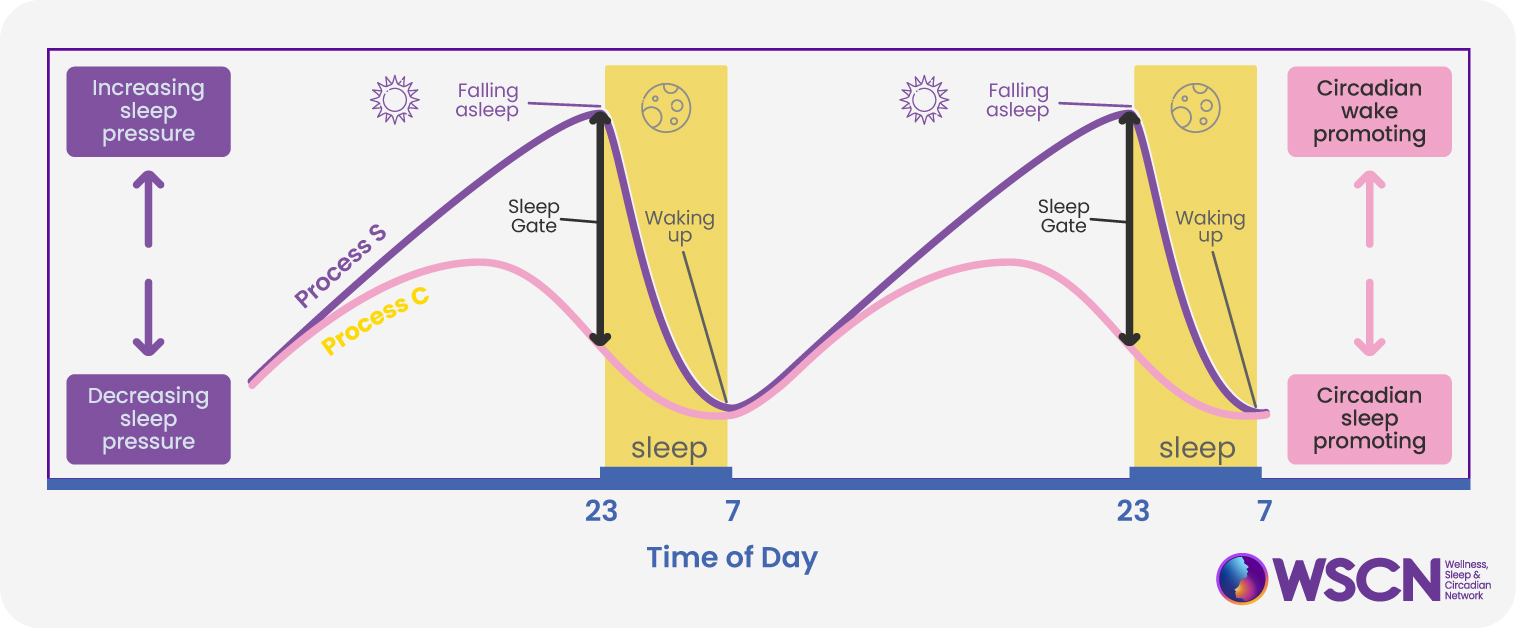
Another major breakthrough came in the 1980s, when sleep researcher Alexander Borbély proposed the two-process model of sleep regulation. This model explains how two interacting processes influence when we feel sleepy and when we are ready to wake up:

Process C (circadian rhythm): Our internal body clock helps regulate the timing of sleep and wakefulness across the 24-hour day.

Process S (sleep pressure): The longer we stay awake, the stronger our need for sleep becomes. This pressure decreases while we sleep.

Together, these processes help explain why we tend to feel sleepy at certain times of day, why staying awake longer increases our need for sleep, and why our body clock can sometimes keep us alert even when we are tired.

Neurotransmitters and neuropeptides – a new layer of understanding

Another important advance in sleep science came from understanding how chemical messengers in the brain help control sleep and wakefulness.

These messengers include neurotransmitters, which carry signals between nerve cells, and neuropeptides, which help regulate how those cells communicate.

In the 1990s, researchers, including Clifford Saper, helped develop the concept of a sleep switch. This model describes how different groups of brain cells work together to keep us awake or help us transition into sleep. Rather than gradually shutting down, the brain can switch between these two states through a balance of signals that promote sleep or wakefulness.

Around the same time, scientists discovered orexin, also called hypocretin, a neuropeptide that helps maintain wakefulness and keeps the sleep-wake system stable. A loss of orexin-producing brain cells is a key feature of narcolepsy type 1, a disorder that causes excessive daytime sleepiness.

These discoveries have improved our understanding of sleep disorders and helped researchers develop medications that target the brain’s sleep-wake system.

Looking to the future

Over the past century, sleep science has transformed our understanding of how the brain and body regulate sleep and wakefulness. We now know that sleep is not simply a period of rest. It is an active biological process closely connected to our internal body clock and overall health.

These discoveries have also changed how we approach sleep disorders. Advances in sleep monitoring, genetics, and our understanding of brain chemistry have improved diagnosis and treatment. Researchers continue to explore new therapies and how sleep and circadian rhythms influence health throughout life.

We also understand that circadian rhythms affect much more than sleep. They help regulate our energy levels, metabolism, and mood throughout the day. When these rhythms are disrupted, the effects can extend well beyond a poor night’s sleep.

As research continues, one message becomes increasingly clear: sleep and circadian health are essential parts of overall health. Understanding how our bodies function across the full 24 hours can help us make informed choices and support better health and wellbeing.

References


Medical disclaimer
This article is for educational purposes only and is not intended to replace professional medical advice, diagnosis, or treatment. Speak with a qualified healthcare professional about questions or concerns related to your sleep. Read full medical disclaimer

Continue reading

Sleep Equity and the State of Sleep in the US

Sleep is essential for good health, yet millions of people in the United States and around the world do not get the sleep they need. Insufficient or poor-quality sleep can affect physical and mental health, learning, work, safety, and overall quality of life.

Healthy sleep is not simply a matter of personal choice. Work schedules, caregiving responsibilities, housing conditions, financial pressures, and access to healthcare can all influence how well people sleep. These differences highlight the importance of sleep equity, which means ensuring that everyone has a fair opportunity to achieve healthy sleep and circadian health.

Understanding sleep patterns and disparities across populations can help communities, healthcare systems, schools, employers, and policymakers identify barriers to healthy sleep and develop ways to address them. By recognizing sleep as both a personal and public health concern, we can work toward healthier, safer, and more supportive environments for everyone.

Overview

  • Many people in the United States do not get the sleep they need. Around 50-70 million Americans have sleep disorders
  • About one-in-three US adults do not regularly get the recommended amount of uninterrupted sleep needed to protect health
  • An estimated 16% of adults globally live with chronic, clinically relevant insomnia
  • Poor sleep can affect health, safety, learning, work, mood, and quality of life
  • Sleep is shaped by work schedules, school demands, caregiving, housing, neighborhood conditions, financial stress, discrimination, and access to healthcare
  • Sleep equity means everyone should have a fair opportunity to sleep 
  • Sleep equity requires healthy schools, workplaces, communities, environments and effective healthcare systems that are supported by fair and equitable public policy

ON THIS PAGE

The state of sleep and circadian health in the US

Millions of Americans experience sleep problems that can affect their health and daily lives. An estimated 50 to 70 million people in the United States have sleep disorders, while approximately one in three adults report getting less than the recommended amount of sleep.

Insufficient sleep and untreated sleep disorders can affect many aspects of daily life, including learning, work performance, driving safety, relationships, and overall wellbeing. They are also associated with an increased risk of several chronic health conditions.

Sleep health varies across the United States. Data from the Centers for Disease Control and Prevention (CDC) show differences in sleep duration across states, counties, age groups, and populations. These differences reflect not only individual sleep habits but also broader factors such as working conditions, housing, financial pressures, and access to healthcare.

The global state of sleep

Sleep concerns are also common around the world. A recent systematic review estimated that about 16% of adults worldwide live with chronic, clinically relevant insomnia, representing hundreds of millions of people.

Interestingly, research shows that people in East Asia have shorter sleep durations, while people in Oceania and West Europe have the longest sleep durations compared to other countries. Within Europe the Dutch and French report higher sleep satisfaction compared to their neighbouring countries.

The amount people sleep is also deeply tied to cultural beliefs and practices, and the attitudes that people share about sleep.

Globally, sleep and circadian health are shaped by many different modern life factors. Work hours, shift work, caregiving responsibilities, financial stress, technology use, and round-the-clock connectivity are common sleep disruptors in many countries. The complex nature of the world means that some communities are more impacted than others by external pressures such as climate instability, urban noise and light exposure, poor housing quality, crowding, conflict, displacement, poverty, and limited access to healthcare. 

While it is difficult to precisely measure sleep on a global level due to the differences between countries, the importance of sleep does not change.

Sleep is a public health matter

Sleep is often discussed as an individual habit, but it is also a public health matter. Sleep affects how people function across the full 24-hour day, and how they show up for their work, relationships, roles and responsibilities in life.

Poor sleep and circadian disruption can contribute to: 

  • Daytime sleepiness and fatigue
  • Reduced attention, difficulty learning, and poor memory
  • Reduced school and work performance
  • Poorer decision-making
  • Mood changes, emotional stress
  • Drowsy driving, workplace safety risks
  • Strain on families and caregivers
  • Lower quality of life

Over time, insufficient or disrupted sleep may also contribute to chronic health problems or worsen existing conditions.

Sleep health is influenced by more than individual habits. Work schedules, school start times, housing conditions, neighborhood noise, and access to healthcare can all affect opportunities for healthy sleep.

Recognizing sleep as a public health issue can help communities, employers, schools, and policymakers create environments that support better sleep and overall wellbeing.

Sleep equity: why healthy sleep is not equally available

Sleep equity means that everyone should have a fair opportunity to achieve healthy sleep and circadian health, regardless of their circumstances.

However, not everyone has the same opportunity to get the sleep they need. Advice such as keeping a consistent sleep schedule can be helpful, but it may be difficult to follow for someone working rotating shifts or caring for a family member overnight. People living in crowded or noisy housing may also have less control over their sleeping environment.

These differences are often shaped by broader social and economic conditions. Income, employment, housing, and access to healthcare can all influence sleep health. Research has also identified differences in sleep outcomes across racial and ethnic groups, reflecting complex social and environmental influences.

Improving sleep equity means looking beyond individual habits. It includes making sleep health information and healthcare more accessible, while encouraging workplaces, schools, and communities to create conditions that support healthy sleep.

Everyone can take steps to improve their sleep, but those steps are more effective when people have the opportunity and support to put them into practice. Healthy sleep should not be a privilege determined by where someone lives or works.

Taking action for better sleep and circadian health

Everyone can play a role in supporting better sleep and circadian health. A good place to start is by using our website and resources to learn how sleep affects health, safety, mood, work, school, caregiving, and daily life.

People can also take action by having meaningful conversations with healthcare professionals about sleep concerns for themselves or loved ones so they can get the care they need. Asking workplaces, schools, and other organizations to consider how their decisions affect sleep and circadian health can also raise awareness and make a difference.

And finally, connecting with and supporting organizations like WSCN that advocate for sleep health can help us keep working to advance sleep and circadian health for all.

References


Medical disclaimer
This article is for educational purposes only and is not intended to replace professional medical advice, diagnosis, or treatment. Speak with a qualified healthcare professional about questions or concerns related to your sleep. Read full medical disclaimer

Continue reading

Benefits of Healthy Sleep

Sleep supports health across the brain, body, and daily life. Working alongside the patterns of the circadian rhythm, sleep helps with learning and memory, mental and emotional regulation, appropriate immune responses, healthy metabolism and hormones, and cardiovascular wellbeing. Sleep also supports productivity, physical performance, relationships, sexual health, and the ability to make thoughtful, safe decisions. 

This page explores in more detail how you can understand the role and value of your sleep health and circadian rhythms, and gives you the opportunity to use them as a tool for your overall health, wellness, and performance, so you can own all 24 hours.

ON THIS PAGE

Why sleep and circadian health matter

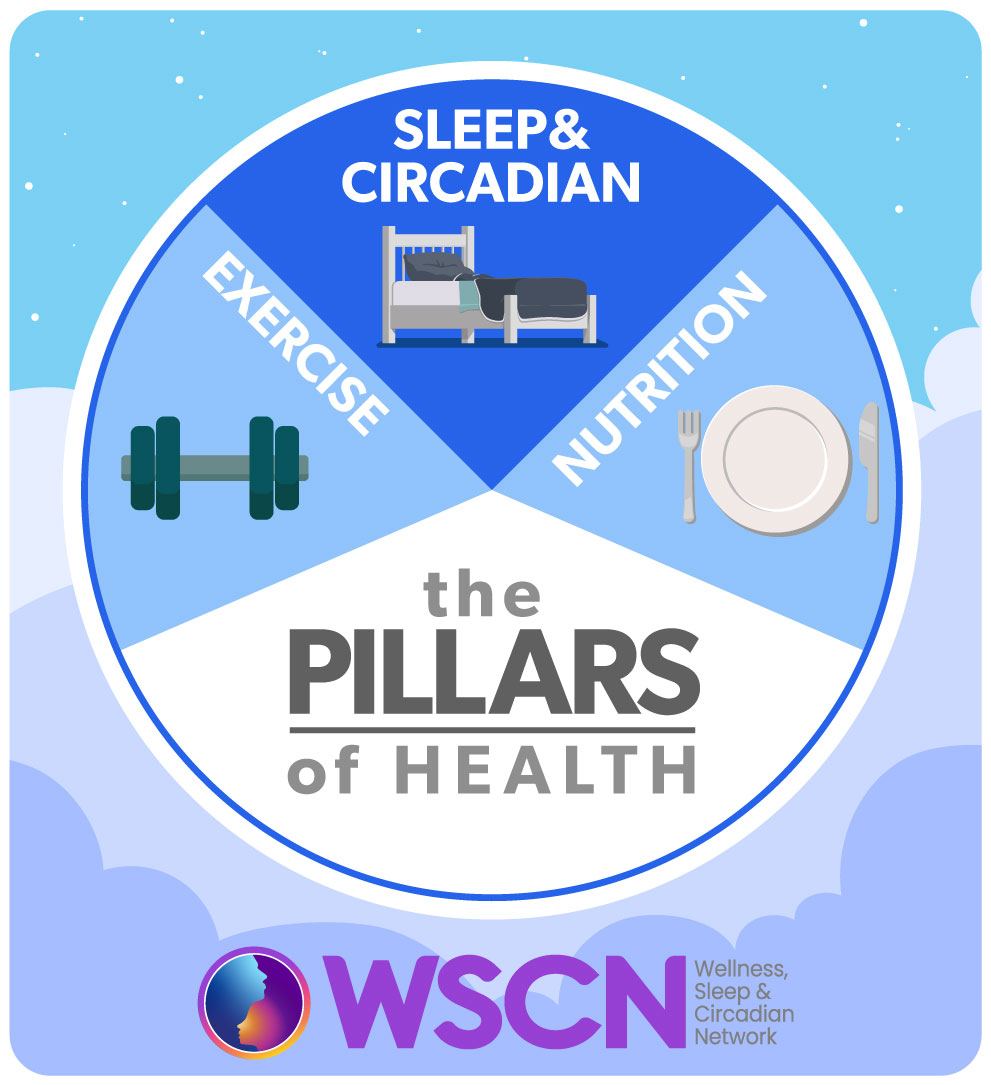
Sleep and circadian health are foundations of well-being, alongside nutrition and physical activity. Together, they support how people feel and function each day and contribute to long-term physical, mental, and emotional health.

Sleep gives the brain and body regular time to regulate, restore, process information, and prepare for the next waking period. As the brain moves through repeating sleep stages, it supports learning, memory, emotional processing, physical recovery, and physiological balance. The body also coordinates immune, metabolic, hormonal, and cardiovascular processes across the sleep–wake cycle.
Circadian rhythms help organize these processes across approximately 24 hours. This internal timing system influences sleep and alertness, hormone release, body temperature, digestion, metabolism, and performance. Supporting alignment between sleep, light exposure, activity, meals, and the body clock can help people feel more alert when awake, sleep more restoratively, and use their energy effectively throughout the day.

The goal is not perfect sleep or a rigid schedule. Sleep and daily rhythms naturally vary. A more useful goal is a sustainable pattern that provides adequate opportunity for sleep, is reasonably regular and aligned with the body clock, feels restorative, and supports health, wellness, and performance across all 24 hours.

Brain health and development

Healthy sleep is essential for a healthy brain. During sleep the brain moves through various stages that repeat over several cycles. Each stage appears to support different brain functions. Deep non-REM sleep is linked with some forms of memory consolidation and restoration. REM sleep is linked with emotional processing, learning, memory, and brain development. All stages matter, and healthy sleep gives the brain repeated opportunities to move through them as needed.

In infants, children and teens sleep is critical for brain growth and development. And what is interesting, is that this does not stop once we reach adulthood. In a large study of middle-aged and older adults, approximately seven hours of sleep was associated with the strongest cognitive performance. Adults sleeping between six and eight hours also showed larger gray-matter (important brain tissue) in several brain regions compared to those reporting shorter or longer sleep times.

Another essential process for brain health is glymphatic drainage. The glymphatic system is a network of fluid pathways that helps move cerebrospinal fluid through the brain and carry away metabolic waste. This process appears to become more active during sleep, particularly deep non-REM sleep, supporting the brain’s natural maintenance and immune functions. Although research is still evolving, this overnight “brain cleaning” process appears to be important for protecting brain health throughout life.

Learning, study, and mental performance

Sleep is part of learning. While a person sleeps, the brain helps stabilize and integrate information encountered during the day. Sleep after learning can strengthen memory, support pattern recognition, and improve the ability to retrieve information later.

This is why staying awake all night to study or meet a work deadline can be counterproductive. Extra time spent awake may create more “time on task”, but missing out on sleep can offset that gain. Sleep, especially rapid eye movement and deep sleep, is necessary for the brain to consolidate learning and experiences, reinforcing correct patterns and helping the brain to identify and correct mistakes. This is why an all-nighter is not the way to prepare for a big exam or presentation; deep sleep is needed to be able to store the studied information and retrieve it when taking the test. 

Sleep also helps people learn from experience. By supporting working memory, cognitive flexibility, and error monitoring, adequate sleep makes it easier to compare options, update a plan, and avoid repeating mistakes.

Reduce errors, risk-taking behavior, and poor judgement

Healthy sleep and circadian rhythms help to restore cognitive function, which helps people to think more clearly. Sleep loss is particularly detrimental to the part of the brain known as the prefrontal cortex. This brain region is essential for decision making, attention, and impulse control. Furthermore, adequate sleep improves logic, working memory, and attention. Working memory involves the ability to hold and process information, which in turn reduces simple mistakes and helps people pay attention to detail.

Sleep deprivation affects the dopamine pathways, a region of the brain involved in the reward system. When people are sleep deprived, they are more likely to seek immediate gratification, to take risks, and to underestimate the negative consequences of their behavior. Studies show that tired individuals are more likely to gamble, speed, or make impulsive financial and social decisions. 

The part of the brain called the amygdala processes emotions such as fear and anger. When people are sleep-deprived, their amygdalas become overactive, and, as mentioned previously, the control of the amygdala by the prefrontal cortex is weakened, leading people to become too emotionally reactive, have poor judgment, and make irrational decisions. Healthy sleep results in people being able to make calm, rational decisions. 

Driving sleepy is comparable to drunk-driving

Research shows that sleep deprivation has similar effects on brain function as alcohol, slowing reaction times and motor performance. It has been shown that staying awake for 17 hours causes the same impairments as a blood alcohol concentration (BAC) of 0.05%. Moreover, staying awake for a 24-hour period causes brain impairments equal to or worse than having a BAC of 0.1%. 

Unfortunately, people who are sleep-deprived may not be aware of the impact of their sleepiness on their decision-making capabilities. 

Improve mental health and emotional wellbeing

Sleep is part of emotional wellbeing. A restorative night gives the brain time to process experiences, regulate emotional responses, and prepare for the demands of the next day. Healthy sleep can support a steadier mood, flexible thinking, and the ability to respond to everyday stress without becoming overwhelmed. 

Sleep also supports the emotional skills that help people connect with others and cope with change. When sleep is regular and sufficient, people may find it easier to notice how they feel, pause before reacting, consider another perspective, and recover after a difficult experience. Sleep quality and continuity matter alongside duration; the goal is not perfect sleep, but a pattern that helps a person feel restored and able to function.

Research supports both the emotional benefits of sleep and the value of improving sleep. Reviews of experimental studies find that sleep loss can reduce positive emotion and increase emotional reactivity, anxiety, and difficulty regulating feelings. A review of over 60 studies showed that interventions that improved sleep also improved mental health, including reductions in depression, anxiety, and stress symptoms. It is important to note that supporting sleep is one part of caring for mental health, not a replacement for professional support when that is needed.

Improve immunity and reduce inflammation

Sleep helps regulate immune activity and the body’s response to infection and inflammation. During sleep, the body carries out processes involved in repair, recovery, and resilience. 

Research reviews have linked sleep disturbance and very short sleep with higher levels of inflammatory markers such as C-reactive protein and interleukin-6. This is important because whilst inflammation is a normal and necessary part of immune defense, persistently elevated inflammation levels may contribute to a higher risk of chronic conditions, such as cardiovascular disease and type 2 diabetes.

Getting sufficient good quality sleep ensures that the immune system works to maintain overall health, and it is one of the most important things you can do for disease prevention, alongside exercise and nutrition.

Enhance physical and athletic endurance, strength, reaction time and accuracy

Healthy sleep supports reaction time, coordination, accuracy, endurance, strength, mood, and recovery. Research shows that acute sleep loss generally negatively affects next-day exercise performance.

A research project with collegiate basketball players found that extending sleep was associated with faster sprint times, better shooting accuracy, quicker reaction time, improved mood, and reduced fatigue. This was a small study in a specific athletic population, so the exact results should not be generalized to everyone. Still, it illustrates a broader point: sleep is an essential part of training, recovery and performance support.

Athletes and active people may face additional barriers to getting enough sleep, including early training, travel, competition stress, pain, and late events. Supporting sleep involves planning around these demands, protecting recovery time, and considering circadian timing. There is increasing evidence that maintaining good quality sleep and stable circadian alignment can be used as an all-natural and highly effective performance enhancement technique, alongside injury prevention strategy and recovery approach. 

Wake up ready to seize the day

Quality sleep can help you wake feeling restored, with the energy and focus to make the most of your day. Making time for sleep is an investment in your wellbeing, attention, and ability to complete tasks. Adults who sleep 7–9 hours a night tend to be more productive than adults who sleep less. One analysis found that workers who slept 7–9 hours had a productivity rate 1.5 percentage points higher than workers who slept 6–7 hours. It also estimated that shorter sleep was linked with about 3.7 lost workdays each year for people sleeping 6–7 hours and about 6 lost workdays for those sleeping fewer than 6 hours, due to absenteeism or reduced productivity.

Interestingly, children experience the effects of short sleep differently to adults. Rather than being groggy or sluggish, children often become hyperactive and unfocussed, which can impact participation and learning in school. Good quality consistent sleep of sufficient duration is essential for children to live their best lives.

It is important to note here that duration of sleep is only one measure of healthy sleep – there are other important dimensions of sleep such as regularity, efficiency and how alertness and energy feel throughout the day.

Nurture relationships, intimate connection, and sexual health

Sleep can shape the way people communicate, interpret social cues, regulate conflict, and respond to the needs of others. When sleep is restricted, irritability and emotional reactivity may increase while patience and perspective-taking become harder. Conversely, well rested people are able to communicate, self-regulate and show up in positive ways for family, friends and intimate partners.

Engaging in intimacy, including sexual activity, can have a positive impact on sleep. Sleeping in the same bed with a partner can lead to a deeper physical and emotional connection, resulting in reduced stress, improved relaxation, and better sleep quality. Sexual activity can lead to the release of hormones such as oxytocin and prolactin, which have sleep-promoting effects.

On the other hand, poor sleep, such as insomnia, sleep deprivation, and sleep apnea can cause sexual dysfunction. When people are sleep deprived they may experience changes in sexual desire, arousal, and sexual function. Finally, sleep deprivation may simply make people too sleepy to be interested in intimacy. So, the bottom line is that good-quality sleep can help to optimize relationships.

Don’t wait to seek help

If your sexual health or relationship are a concern for you and your partner, speaking honestly with a qualified health professional is a great first step to getting help, and treatments are available.

Support balanced metabolism

Sleep and circadian rhythms help regulate appetite, glucose metabolism, insulin sensitivity, energy use, and hormone timing. Sleep loss or circadian disruption can affect hunger, food choices, blood sugar regulation, and metabolic health.

Being awake and eating during the biological night can place food intake out of sync with rhythms in glucose regulation and energy metabolism. Laboratory and observational research suggests that short sleep and circadian misalignment (altered day-night rhythms) can promote increased calorie intake, altered energy expenditure, and impaired glucose metabolism (blood sugar control).

Whilst these relationships are complex and can be influenced by many things such as genetics, lifestyle, work schedules, and more, it’s helpful to be aware that late nights, skipping sleep, and eating outside of your normal rhythms can all impact your ability to process what you eat and maintain a healthy body weight, alongside your body’s capacity to maintain healthy blood sugar levels. The key is understanding that sleep and circadian health should be viewed as an important piece of the larger picture that you can influence for better health.

Prevent illness and improve chronic disease management

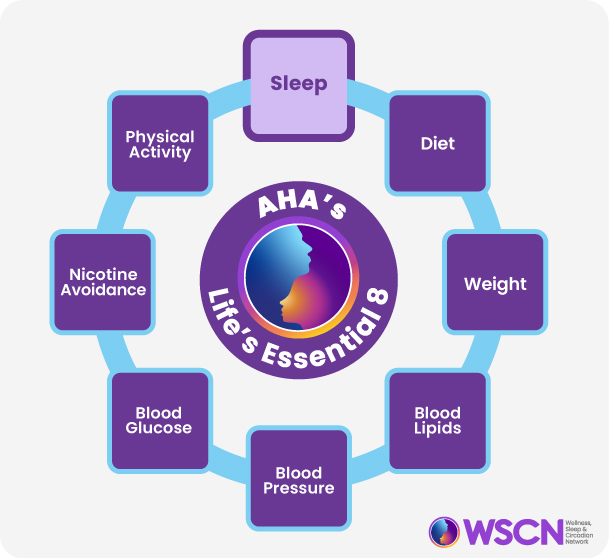
Sleep is connected with cardiovascular health. Sleep and circadian rhythms interact with blood pressure, inflammation, metabolism, heart rhythm, and vascular function. In 2022, the American Heart Association added sleep health to its Life’s Essential 8 framework for cardiovascular health.
More recent guidance emphasizes that cardiometabolic health is related to multiple sleep dimensions, including duration, timing, regularity, continuity, satisfaction, and daytime function. Across populations, healthier sleep patterns are associated with lower risk of cardiovascular and metabolic conditions, but individual risk depends on many interacting factors. 

Sleep disruption can place added stress on the cardiovascular system, including the heart and blood vessels, and also affect insulin sensitivity, and other disease pathways. When obstructive sleep apnea occurs alongside insomnia symptoms and objectively short sleep, cardiometabolic risk may be even greater. What is important to understand is that sleep and circadian disorders increase risk, but sleep disruption alone does not mean a person will experience problems. It is often a combination of many interacting factors such as lifestyle, diet, exercise, sleep, and genetics that determine if an individual develops a disease.

What the research shows us is that protecting sleep and circadian health seriously is one of the best things people can do to prevent issues developing in the first instance – by keeping our overall health in balance from the foundations.

Dimensions of healthy sleep

Many people think that healthy sleep is simply getting enough hours of rest. But measuring sleep quality is more complex, and considers several important factors. A researcher by the name of Buysse defined six dimensions of sleep. His work has become a commonly used framework for measuring sleep health, and it is an effective tool for helping people understand how to optimize sleep and overall health – by thinking about both daytime and nighttime factors – within a 24 hour rhythm.
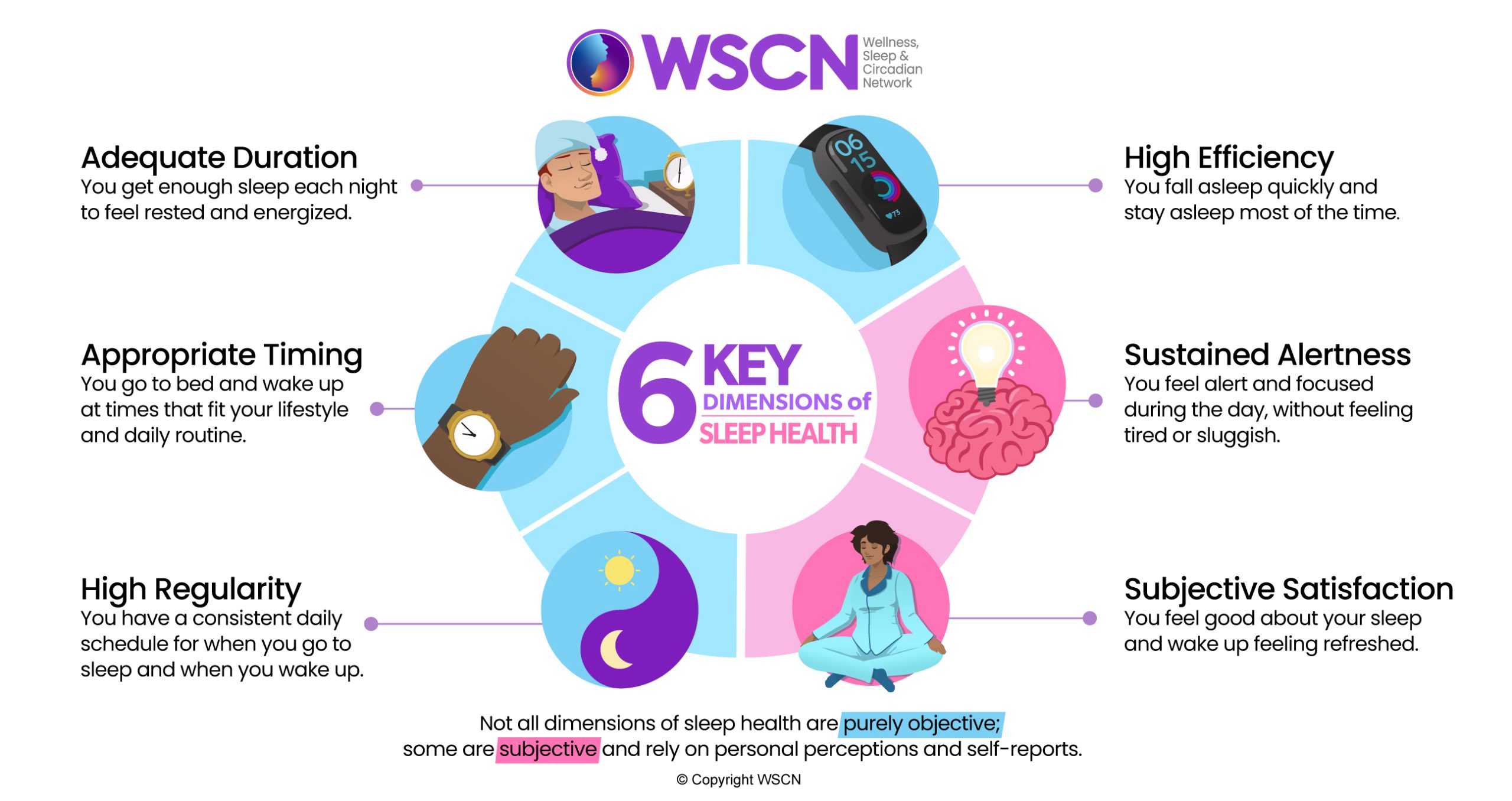
Using this framework, we start to think about sleep health as whole-person health. Two of the dimensions ask us to think about daytime alertness, mental focus and energy, alongside the sense of satisfaction upon waking up. Considering how our days and nights are interlinked gives us a starting point for making choices that help us optimize our wellbeing. 

References


Medical disclaimer
This article is for educational purposes only and is not intended to replace professional medical advice, diagnosis, or treatment. Speak with a qualified healthcare professional about questions or concerns related to your sleep. Read full medical disclaimer


Continue reading

Sleep Stages and Cycles

Sleep is not a single, continuous process. Throughout the night, the brain and body move through different stages of sleep. These stages repeat in cycles, with the pattern changing as the night progresses.

Each stage plays an important role in supporting brain and body health. Understanding how these stages work together can help explain why both the amount and quality of sleep matter.

Overview

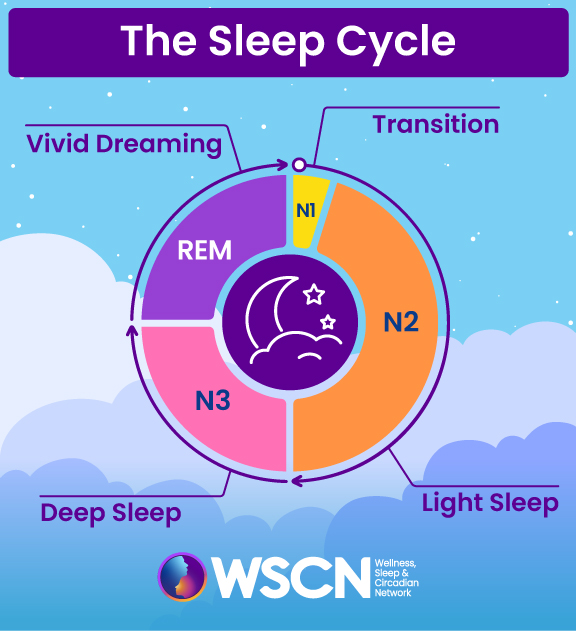
  • Sleep has two main types: non-REM (NREM) sleep and rapid eye movement (REM) sleep
  • Non-REM sleep includes three stages, ranging from light sleep to deep sleep
  • REM sleep is closely linked to vivid dreaming and plays a role in learning, memory, and emotional processing
  • Throughout the night, we move through several sleep cycles, each typically lasting around 90 to 110 minutes in adults
  • Deep sleep is more common earlier in the night, while REM sleep periods generally become longer toward morning
  • Different sleep stages support different functions, and all contribute to healthy sleep
  • Getting enough uninterrupted sleep allows the brain and body to move naturally through these stages

ON THIS PAGE

Stages of Sleep

Sleep is divided into two main types:

Non-rapid eye movement (non-REM or NREM) sleep: Includes three stages, ranging from light sleep to deep sleep.

Rapid eye movement (REM) sleep: A stage when the brain becomes more active and vivid dreaming is common.

Both types of sleep support important functions in the brain and body. Throughout the night, we move between them in repeating cycles.

Non-REM Sleep

NREM sleep has three stages, N1, N2 and N3, each with unique characteristics.

N1: Light sleep
N1 is the transition from wakefulness to sleep. The body begins to relax, awareness fades, and it is still easy to wake up. Some people experience brief muscle twitches or a sensation of falling.

N2: Stable sleep
During N2, breathing and heart rate slow, and body temperature drops. The brain produces activity patterns that help maintain sleep and support learning and memory. N2 typically accounts for the largest portion of sleep in adults.

N3: Deep sleep
N3 is the deepest stage of non-REM sleep, when brain activity slows and waking becomes more difficult. Deep sleep supports physical recovery, immune function, and memory. It is most common during the first part of the night and generally decreases with age.

REM Sleep

During rapid eye movement (REM) sleep, the brain becomes more active, while most of the body’s muscles temporarily relax and become inactive. The eyes move rapidly behind closed eyelids, and breathing and heart rate can become less regular.

REM sleep is closely associated with vivid dreaming, although dreams can occur during other sleep stages too. Research suggests that REM sleep plays an important role in emotional processing, learning, and memory.

REM sleep periods are usually shorter early in the night and become longer toward morning. This is one reason why getting enough sleep matters: cutting sleep short can reduce the amount of REM sleep we get.

Both REM and non-REM sleep support important functions, and neither should be considered more important than the other.

What is a sleep cycle?

A sleep cycle is the progression through different stages of non-REM and REM sleep. In adults, a cycle typically lasts around 90 to 110 minutes, although the length can vary. Sleep cycles are shorter in young children and gradually become longer as they grow.

Throughout the night, we move through several cycles. Deep sleep is generally more common earlier in the night, while REM sleep periods become longer toward morning. Brief awakenings between cycles are normal and often go unnoticed.

Why sleep cycles matter

Sleep cycles allow the brain and body to move through different stages that support healthy functioning. Each stage contributes in different ways, from physical recovery to learning and memory.

Rather than trying to maximize deep sleep or REM sleep, the goal is to get enough good-quality sleep so the body can move naturally through its sleep cycles. Regular sleep patterns and fewer interruptions help support this process.

What happens if sleep cycles are disrupted?

Sleep cycles can be disrupted when sleep is repeatedly interrupted, cut short, or affected by a sleep disorder. This can interfere with the brain and body’s natural progression through the different stages of sleep.

Disrupted sleep can affect how we feel and function throughout the day, including:

  • Daytime sleepiness and fatigue: Feeling tired or sleepy, even after spending enough time in bed
  • Difficulty concentrating: Problems with attention, memory, and learning
  • Mood changes: Increased irritability, low mood, or difficulty managing stress
  • Reduced daily functioning: Feeling less alert and finding everyday activities more challenging

Common causes include frequent awakenings, breathing problems such as sleep apnea, and alcohol or certain medications that affect normal sleep patterns.

Over time, ongoing sleep disruption can also affect physical and mental health.

Healthy sleep is about more than the number of hours we sleep. Sleep quality and continuity also matter, allowing the brain and body to move naturally through the different stages of sleep.

How are sleep cycles measured?

Sleep stages and cycles can be measured during an overnight sleep study, called polysomnography. Sensors record brain activity, eye movements, and muscle activity to identify the different stages of sleep. Other measurements, such as breathing and oxygen levels, help clinicians assess sleep quality and identify possible sleep disorders.

Sleep Stage Sleep Study Findings
NREM 1
  • Brain waves begin to slow on EEG, vertex waves may be seen
  • Slow rolling eye movements
  • Breathing and heart rate slow
  • Muscles relax
  • Body temperature decreases
NREM 2
  • Deep relaxation occurs
  • Sleep spindles and K complexes appear on EEG
  • Slow rolling eye movements continue
NREM 3
  • Breathing and heart rate slow more
  • Delta waves appear on EEG
  • Slow rolling eye movements continue
REM
  • Rapid eye movements are present 
  • Muscles are temporarily paralysed (REM atonia)
  • Vivid dreams can occur
  • EEG brainwaves look similar to awakeness
  • Breathing and heart rate vary

Can wearables measure sleep stages?

Smartwatches and sleep-tracking rings can estimate sleep duration and different sleep stages using signals such as heart rate and movement. However, they are less accurate than clinical sleep studies, particularly when identifying individual sleep stages.

Wearables can help people recognize general sleep patterns, but they cannot diagnose sleep disorders. If you have ongoing sleep concerns, speak with a healthcare professional.

Take a deeper dive on sleep tech and wearables.

Learn more

References


Medical disclaimer
This article is for educational purposes only and is not intended to replace professional medical advice, diagnosis, or treatment. Speak with a qualified healthcare professional about questions or concerns related to your sleep. Read full medical disclaimer
Continue reading

What Is Sleep?

Sleep may look like a period of rest, but our brain and body remain surprisingly active. While we sleep, important processes take place that support our physical and mental health. Our brains process information and memories, while the body carries out essential functions that help us recover and prepare for the next day.

But how does our body know when it’s time to sleep? And why do we sometimes struggle to fall asleep even when we feel tired? The answers lie in two biological systems that work together to regulate when we feel sleepy and awake.

Understanding how these systems work can help us make sense of our natural sleep patterns and why getting healthy sleep isn’t always as simple as going to bed earlier.

Overview

  • Sleep is an active process during which the brain and body carry out important functions
  • During sleep, the brain processes memories, while the body supports recovery and repair
  • Two biological systems work together to regulate sleep: sleep pressure and the internal body clock
  • Sleep pressure builds the longer we stay awake and decreases while we sleep
  • Our internal body clock helps determine when we feel alert and when we are ready for sleep
  • Falling asleep is generally easier when sleep pressure and our internal body clock work together

ON THIS PAGE

What happens during sleep?

When we fall asleep, our brain and body do not simply switch off. Instead, they remain active, carrying out important processes that support our health. Throughout the night, we move through different stages of sleep, each playing a role in helping the brain and body function.

Some of the important processes that take place during sleep include:

  • Brain activity: Our brain moves through different patterns of activity as we cycle through the stages of sleep.
  • Learning and memory: The brain processes and strengthens memories, helping us retain information and learn new skills.
  • Brain health: Sleep supports processes that help remove waste products from the brain, although scientists are still studying exactly how this works in humans.
  • Physical recovery: The body releases hormones involved in growth and tissue repair, supporting recovery and maintenance.
  • Immune function: Sleep helps regulate the immune system and supports the body’s ability to respond to infections.
  • Muscle relaxation: Our muscles relax during sleep, and most voluntary muscles become temporarily inactive during REM sleep.

These processes help explain why sleep is much more than a period of inactivity and why different stages of sleep contribute to our overall health.

How do we fall asleep?

Our bodies have two biological systems that work together to regulate when we feel sleepy and when we are ready to wake up.

Sleep pressure (Process S): The longer we stay awake, the stronger our natural need for sleep becomes. This pressure builds throughout the day and decreases while we sleep.

Circadian timing (Process C): Our internal body clock follows an approximately 24-hour cycle. It helps regulate when we feel alert and when our bodies are naturally ready for sleep.

These two systems work together to determine when we feel sleepy. Even when we have been awake for many hours, falling asleep can be difficult if our internal body clock is still promoting wakefulness.

Understanding how these systems interact helps explain why we sometimes struggle to fall asleep, even when we feel tired.

Sleep pressure (Process S): Why we become sleepy

The longer we stay awake, the stronger our natural need for sleep becomes. This is called sleep pressure. After a good night’s sleep, sleep pressure is usually low. It gradually builds throughout the day and decreases again while we sleep.

One substance involved in this process is adenosine, which builds up in the brain while we are awake. As adenosine levels rise, they help increase our drive to sleep. During sleep, adenosine levels decrease, reducing sleep pressure so we can feel refreshed when we wake up.

This also helps explain how caffeine affects sleep. Caffeine temporarily blocks the effects of adenosine, making us feel more alert even when our need for sleep is increasing. Its effects can last for several hours, which is why drinking caffeine later in the day can make falling asleep more difficult.

Sleep pressure is only part of the picture. Even when our need for sleep is strong, our internal body clock can still influence whether we feel ready to fall asleep.

Circadian timing (Process C): Our internal body clock

Our internal body clock helps regulate when we feel alert and when we are ready for sleep. It follows an approximately 24-hour cycle and also influences important functions such as body temperature and hormone release.

A small area of the brain acts as the body’s master clock. It responds to light and darkness, helping keep our internal rhythms in sync with the day and night.

One important hormone involved in this process is melatonin. Melatonin levels typically rise in the evening as our body prepares for sleep and decrease toward morning. Unlike sleep pressure, melatonin does not build up the longer we stay awake. Instead, it helps signal that it is nighttime.

During the day, our internal body clock helps us stay alert, even as sleep pressure builds. In the evening, these alerting signals gradually decrease, making it easier for us to fall asleep.

The sleep gate: when sleep pressure and our body clock work together

Falling asleep becomes easier when our sleep pressure is high and our internal body clock is no longer sending strong signals to stay awake. This creates a period when our body is naturally more ready for sleep, sometimes called the sleep gate.

As we approach this period, we may begin to feel sleepy, yawn more often, or notice our energy declining. Recognizing these signals can help us develop a bedtime routine that works with our natural sleep timing.

When sleep pressure and our body clock are out of sync, falling asleep can be more difficult. For example:

  • Shift work: Someone working nights may struggle to sleep during the day because their internal body clock is still promoting wakefulness.
  • Jet lag: Traveling across time zones can leave our body clock out of sync with the local day and night.

Understanding how these two systems work together helps explain why healthy sleep is about more than simply going to bed at a particular time. It is also about giving our body the opportunity to sleep when it is biologically ready.

Now that you understand what sleep is, continue reading about the benefits of healthy sleep and circadian rhythms.

Learn more

References


Medical disclaimer
This article is for educational purposes only and is not intended to replace professional medical advice, diagnosis, or treatment. Speak with a qualified healthcare professional about questions or concerns related to your sleep. Read full medical disclaimer

Continue reading

Sleep Essentials: What is Sleep and Why it Matters

Sleep is an active process that helps keep our brain and body healthy. It is closely connected to our circadian rhythm, the internal body clock that helps regulate when we sleep and wake up. Our bodies do not simply switch “on” during the day and “off” at night.

Throughout the day and night, our internal body clock helps regulate important functions, including hormone release, digestion, and body temperature. Sleep is an essential part of this daily pattern. When sleep or circadian rhythms are disrupted, it can affect how we feel and function throughout the day.

Thinking about sleep as part of our overall health, rather than just something that happens at night, can help us make positive changes. By understanding how our daily habits affect sleep and circadian health, we can take steps toward better health and wellbeing. This is what it means to own all 24 hours.

This page introduces the basics of sleep, including what happens while we sleep and why healthy sleep is so important. It also explores how sleep affects individuals and communities, with opportunities to learn more about each topic.

Overview

  • Sleep is an active biological process, the body does not “turn off”
  • During sleep, the brain and body cycle through four different stages of sleep
  • Sleep supports learning, memory, mood, immune function, metabolism, cardiovascular health, safety, and daily functioning
  • Healthy sleep is more than the number of hours slept: timing, regularity, continuity, daytime alertness, and satisfaction with sleep also matter
  • Work schedules, caregiving, housing, stress, discrimination, neighborhood conditions, healthcare access, and social policy can all affect sleep
  • About 1 in 3 US adults do not get enough sleep, and an estimated 50-70 million Americans are living with a sleep disorder
  • Human understanding of sleep and circadian medicine has changed significantly throughout history

ON THIS PAGE

What is sleep?

Sleep is a natural process during which we become less aware of our surroundings, while our brain and body continue to carry out essential functions.

Although sleep may look quiet from the outside, it is not passive. The sleeping brain remains active, and the body continues to regulate many processes that support health and function.

Sleep is shaped by at least two major systems:

  • Sleep pressure: The longer we stay awake, the stronger our natural need for sleep becomes. A substance called adenosine builds up in the brain while we are awake and helps signal when it is time to sleep.
  • Circadian timing: The body’s internal clock helps time sleep and wakefulness across the 24-hour day. Light, meals, activity, social schedules, and daily routines can all help shift or reinforce this timing system.

Healthy sleep is easier when our need for sleep and our internal body clock work together. When they are out of sync, we may struggle to fall asleep, stay asleep, or feel alert during the day.

What are the stages of sleep?

During the night, we move through four stages of sleep, which are grouped into two main types: non-rapid eye movement (non-REM) sleep and rapid eye movement (REM) sleep.

Non-REM sleep includes three stages, from light sleep to deep sleep. As we move through these stages, our heart rate and breathing slow down, and our body becomes more relaxed. Deep sleep is particularly important for physical recovery and restoration.

REM sleep is the stage when most vivid dreaming occurs. During REM sleep, our brain becomes highly active, our eyes move rapidly beneath our eyelids, and most of our muscles temporarily relax to the point that we cannot move them. This stage is closely involved in memory and emotional processing.

We move through these stages several times each night, following cycles that typically last around 90 minutes. Each stage contributes to healthy sleep, supporting our brain and body in different ways.

Why do we sleep, and what are the benefits?

Sleep is essential for our physical and mental health, just like healthy eating and regular exercise. Getting enough good-quality sleep helps us feel better, think clearly, and function throughout the day.

Healthy sleep supports many aspects of our health, including:

  • Learning and memory
  • Mood and mental health
  • Daytime attention and safety
  • Immune function
  • Metabolism and hormones
  • Heart and blood vessel health
  • Growth, repair, and recovery

When we don’t get the sleep we need, these functions can be affected. Over time, regularly getting too little sleep or experiencing poor-quality sleep can increase the risk of certain health problems.

How do sleep and circadian rhythms work together?

Sleep and circadian rhythms are closely connected processes in the body, but they are not the same thing:

  • Sleep is the recurring state of reduced awareness and altered brain and body activity that allows essential restorative and regulatory processes to occur.
  • Our circadian rhythms follow an approximately 24-hour cycle and help regulate when we feel awake or sleepy. They also influence many other functions, including body temperature, hormone release, and digestion.

Sleep is influenced by these rhythms, but also by how long we have been awake. For healthy sleep, our need for sleep and our internal body clock need to work together.

This explains why getting enough hours of sleep is not always enough. When we sleep at times that do not match our internal body clock, we can still feel tired or have trouble sleeping. This can happen with shift work, jet lag, or irregular sleep schedules.

Understanding how sleep and circadian rhythms work together can help us make positive changes to our daily routines. By supporting our health throughout the day and night, we can take greater control of our wellbeing and own all 24 hours.

The state of sleep in the US and around the world

Sleep problems are common in the United States and around the world. Despite growing awareness of the importance of sleep, millions of people regularly struggle to get the sleep they need.

In the U.S., nearly one in three adults (30.5%) get fewer than the recommended seven hours of sleep per day. According to a 2024 national survey, only about 55% of adults wake up feeling well-rested most days. These findings show that both the amount and quality of sleep remain widespread concerns.

Sleep problems are also a global health challenge. A 2025 scientific review estimated that 16% of adults worldwide, or approximately 850 million people, experience chronic insomnia. This means they regularly struggle to fall asleep or stay asleep, with effects on their daytime wellbeing.

These figures show why healthy sleep deserves greater attention as a public health priority. Improving sleep health means not only helping individuals develop healthy habits, but also addressing the conditions that make good sleep difficult for many people.

Sleep equity: why healthy sleep is not equally available to everyone

Everyone deserves the opportunity to get healthy sleep. But not everyone has the same ability to do so. While healthy sleep habits are important, the conditions in which we live and work can make it difficult to get the sleep we need.

For example, people working night shifts or multiple jobs often have less control over their sleep schedules. Others live in noisy neighborhoods or crowded housing where getting restful sleep is difficult. Financial stress and caregiving responsibilities can also interfere with sleep.

These challenges can have lasting effects. When people regularly struggle to get enough sleep, their risk of developing health problems can increase. Limited access to healthcare can make it even harder to recognize and treat sleep disorders, allowing problems to continue without proper support.

Sleep equity means that everyone should have a fair opportunity to get healthy sleep, regardless of their income or living circumstances. Achieving this requires more than encouraging better sleep habits. It also means creating healthier living environments, improving access to sleep healthcare, and supporting workplace and community policies that protect sleep.

By recognizing these challenges, we can work toward a society where healthy sleep is possible for everyone.

The history of sleep and circadian

Looking back helps us understand where we are now—and where we are going next. Taking a journey through the history of sleep and circadian science can teach us important lessons, and offer some surprises. Discover how ancient Greeks thought about sleep, and how modern science has shown that humans, animals and plants all share biological rhythms that shape life.

Learn more

  • What is Sleep

  • Sleep Stages and Cycles

  • Benefits of Sleep

  • Circadian Health

  • Sleep Equity

References


Medical disclaimer
This article is for educational purposes only and is not intended to replace professional medical advice, diagnosis, or treatment. Speak with a qualified healthcare professional about questions or concerns related to your sleep. Read full medical disclaimer

Continue reading

Sleep in Older Adults

Sleep changes throughout life. As we grow older, changes in our internal body clock can affect when and how we sleep. Health conditions and changes in daily routines can also influence sleep quality.

Many older adults find that they wake earlier, spend more time awake during the night, or feel less refreshed in the morning. While some changes are a normal part of aging, persistent sleep problems should not simply be accepted as inevitable.

Healthy sleep remains essential for physical and mental health. It also supports independence and quality of life as we age. Understanding how sleep changes in later life can help us recognize potential problems and find ways to improve sleep and wellbeing.

Overview

  • Typical Sleep Need

    Most older adults need around 7–8 hours of sleep per night, although individual needs vary. The need for healthy sleep does not disappear with age.

  • Common Sleep Pattern

    • Sleep often becomes lighter and more fragmented.
    • Earlier bedtimes and wake times are common.
    • Deep sleep generally decreases with age.
  • Key Circadian Features

    The body’s internal clock may shift earlier and become less responsive to daily cues with age. Regular daylight exposure and consistent daily routines can help maintain healthy sleep-wake rhythms.

  • Common Challenges

    • Pain, nighttime urination, and medication effects
    • Insomnia, sleep apnea, and other sleep disorders
    • Reduced daytime activity or exposure to natural light
  • When to Seek Help

    Seek support if you experience:

    • Persistent sleep difficulties that affect daily life
    • Excessive daytime sleepiness or safety concerns
    • Loud snoring, gasping, or breathing pauses during sleep
    • Unusual nighttime behaviors or significant changes in memory or mood

ON THIS PAGE

Why sleep matters during older adulthood

Healthy sleep plays an important role in maintaining physical and mental health as we age. It supports memory and concentration, helps regulate mood, and allows the body to recover from daily activities and illness. Good sleep also supports independence and the ability to enjoy everyday life.

Although sleep patterns change with age, older adults still need sufficient, good-quality sleep. Poor or disrupted sleep can make it harder to concentrate or remember things. It can also contribute to fatigue and mood changes, making daily activities less enjoyable. Excessive daytime sleepiness can increase the risk of falls and accidents.

Sleep and circadian health are also closely connected to long-term health. Persistent sleep disturbances have been linked to cardiovascular disease, metabolic problems, and cognitive decline. The relationship works both ways: health conditions can interfere with sleep, while poor sleep can make existing symptoms harder to manage.

Looking after your sleep is therefore an important part of healthy aging. Even when some changes are unavoidable, many sleep difficulties can be improved. Supporting healthy sleep can help you stay active, maintain independence, and enjoy a better quality of life.

What sleep typically looks like in older adults

Older adults generally need about the same amount of sleep as younger adults, but their sleep patterns often change with age. These changes can affect when they sleep, how deeply they sleep, and how rested they feel during the day.

Common sleep changes in older adulthood include:

  • Going to bed and waking earlier
  • Waking more frequently during the night
  • Spending less time in deep sleep
  • Taking longer to fall asleep
  • Taking more naps during the day
  • Feeling less refreshed after a night’s sleep
  • Becoming more sensitive to changes in daily routines

Age is only one factor that shapes sleep in older adulthood. Health conditions and medications can affect sleep, while changes in daily routines and activity levels also play a role. Many of these factors can be managed, offering opportunities to improve sleep quality.

The circadian rhythm in older adults

As we age, our internal body clock changes. Many older adults naturally begin to feel sleepy earlier in the evening and wake earlier in the morning. The signals that help regulate sleep and alertness can also become weaker, making sleep patterns more sensitive to changes in daily routines.

Older adults may also find it harder to adjust to disruptions in their usual schedule, such as travel, illness, or changes in daylight exposure. Retirement, reduced physical activity, or spending more time indoors can further affect the daily signals that help keep the body clock on track.

Regular exposure to daylight, especially in the morning, can help support a healthy circadian rhythm. Consistent meal times, physical activity, and social routines also help maintain a clear distinction between day and night. These habits can support more regular sleep patterns and better daytime alertness.

What healthy sleep means in older adults

Healthy sleep is not only about the number of hours. It includes several dimensions that work together.

The goal is not perfect sleep. The goal is a mostly consistent pattern that supports health, independence, safety, and quality of life.

Common sleep challenges in older adults

Some changes in sleep are expected with age. However, ongoing sleep problems should not be dismissed as a normal part of getting older.

Earlier sleep and wake times: Going to bed and waking earlier is common with age. However, if these changes interfere with daily activities or social life, additional support may help.

Nighttime awakenings: Pain, frequent urination, night sweats, or breathing problems can interrupt sleep. Identifying and treating the underlying cause can help improve sleep quality.

Daytime sleepiness and naps: Short, planned naps can be helpful, but frequent unintentional dozing or difficulty staying awake during the day can indicate an underlying sleep problem.

Reduced daylight, activity, and routine: Retirement, limited mobility, or social isolation can reduce exposure to daylight and regular daily activities. This can weaken the signals that help maintain a healthy sleep-wake rhythm.

Medications and health conditions: Chronic pain, bladder problems, and other health conditions can disrupt sleep. Some medications can also cause insomnia or daytime drowsiness. A healthcare professional can help identify possible causes and review medications that may be affecting sleep.

Sleep disorders: Conditions such as sleep apnea, insomnia, and restless legs syndrome are common in older adults. REM sleep behavior disorder, which can cause people to physically act out their dreams, is another condition to recognize. Many sleep disorders are treatable, and getting appropriate care can improve sleep and daytime functioning.

What can help support healthy sleep in older adults

Good sleep is possible at any age. While some changes in sleep are a natural part of getting older, there are many ways to support better sleep and feel more alert during the day. The goal is not a perfect sleep schedule, but finding a routine that works for your health, lifestyle, and individual needs.

Small changes can make a difference:

  • Start your day with natural light. Open the curtains in the morning and spend some time outdoors when possible. Daylight helps keep your internal body clock on track and supports a regular sleep-wake rhythm.
  • Keep a consistent wake-up time. Try to get up at roughly the same time each day, even after a poor night’s sleep. A regular morning routine can help your body maintain a predictable sleep pattern.
  • Stay active in ways you enjoy. Walking, gardening, swimming, or gentle exercise can support better sleep. Choose activities that suit your health and mobility.
  • Make time for people and activities you enjoy. Social connections and regular daytime activities can help maintain a healthy daily rhythm. Even small outings or planned activities can provide structure to your day.
  • Keep meals on a regular schedule. Eating at reasonably consistent times helps support your body’s daily rhythms.
  • Nap when you need to, but keep it short. A brief daytime nap can be refreshing. If you have trouble sleeping at night, try limiting naps to about 20–30 minutes and avoiding them late in the day.
  • Make your bedroom comfortable and safe. Keep it dark, quiet, and comfortably cool. Clear pathways and use appropriate night lighting to reduce the risk of falls when getting up.
  • Give yourself time to wind down. Choose relaxing evening activities, such as reading or listening to music. A familiar bedtime routine can help prepare your body for sleep.
  • Address problems that interrupt your sleep. Pain, frequent nighttime urination, and medication side effects can make restful sleep difficult. Talk with a healthcare professional about possible causes and treatment options.

For older adults with limited mobility or those living in care settings, regular daylight exposure and daily activities remain valuable. Family members and caregivers can help create routines that support healthy sleep.

Remember: Poor sleep is not something you simply have to accept as part of aging. If sleep problems persist despite changes to your routine, effective treatments are available. A healthcare professional can help you find an approach that works for you.

For people with limited mobility or those living in care settings, light, activity, meals, and social routines may need to be planned intentionally.

Sleep safety in older adults

Sleep safety becomes increasingly important with age. Changes in mobility, balance, vision, and medication use can increase the risk of falls and injuries, particularly when getting out of bed during the night. Poor sleep and excessive daytime sleepiness can also affect alertness and increase the risk of accidents.

Practical steps to support sleep safety include:

  • Prevent nighttime falls: Keep pathways between the bed and bathroom clear of obstacles, loose rugs, and electrical cords. Use nightlights to make moving around in the dark safer.
  • Make getting out of bed safer: Sit on the edge of the bed before standing, particularly if you experience dizziness or balance problems. Keep mobility aids within easy reach.
  • Review sleep medications: Some prescription and over-the-counter sleep aids can cause dizziness, confusion, or next-day drowsiness, increasing the risk of falls. Discuss medication use and potential side effects with a healthcare professional.
  • Make the bedroom safer: Keep frequently used items within easy reach and ensure the bed is at a comfortable height for getting in and out safely.
  • Address nighttime behaviors: Sleepwalking, acting out dreams, or unusual movements during sleep can increase the risk of injury. Remove nearby hazards and seek medical advice if these behaviors occur.
  • Avoid drowsy driving: Excessive daytime sleepiness can impair reaction times and judgment. Avoid driving when sleepy, particularly if medications may affect alertness.
  • Take precautions with nighttime bathroom visits: Ensure the route to the bathroom is well lit and consider discussing frequent nighttime urination with a healthcare professional if it regularly disrupts sleep.

A safe sleep environment can help older adults maintain independence and reduce the risk of nighttime injuries. Persistent dizziness, excessive sleepiness, or unusual nighttime behaviors should be discussed with a healthcare professional.

When to talk with a healthcare professional

You do not need to know what is causing your sleep difficulties before asking for help. Talk with a healthcare professional if sleep problems persist, become more frequent, or begin to affect your health, mood, or daily activities. Many sleep problems can be treated, and getting support can help you find the right approach.

Consider seeking medical advice if you experience:

  • Difficulty falling asleep or staying asleep regularly
  • Excessive daytime sleepiness or frequent unintentional dozing
  • Loud snoring, gasping, or pauses in breathing during sleep
  • Frequent nighttime awakenings due to pain, urination, or other symptoms
  • Uncomfortable sensations in your legs that interfere with sleep
  • Changes in sleep following the start of a new medication
  • New or worsening sleep problems alongside changes in mood or memory

Family members and caregivers may notice sleep problems that are not obvious to the person experiencing them. Their observations can help healthcare professionals identify possible causes.

Red Flags: Some symptoms require more immediate attention:

  • Falling asleep while driving or during other activities where sleepiness could put you or others at risk.
  • Falls or injuries during the night, particularly if you are acting out dreams, shouting, kicking, or moving suddenly during sleep.
  • Sudden confusion or major changes in mental status, especially when accompanied by unusual sleepiness. These require urgent medical assessment.
  • Severe breathing difficulties, prolonged pauses in breathing, or difficulty waking someone from sleep. Seek emergency medical care.
  • Persistent insomnia or sleep-related distress also deserves medical attention, even when there is no immediate safety concern

References


Medical disclaimer
This article is for educational purposes only and is not intended to replace professional medical advice, diagnosis, or treatment. Speak with a qualified healthcare professional about questions or concerns related to your sleep. Read full medical disclaimer

Continue reading

Sleep in Adults

Sleep needs remain relatively stable throughout adulthood, but getting enough good-quality sleep can become more challenging. Work, family responsibilities, stress, and health conditions can all influence when and how well adults sleep. Healthy sleep supports physical health, emotional wellbeing, and the ability to function throughout the day.

If sleep is the first thing pushed aside when life gets busy, you are not alone. Many adults sacrifice sleep to meet daily demands or hope to catch up on lost sleep later. However, consistently getting too little sleep can affect health, mood, and daily performance.

This page explains what healthy sleep looks like in adulthood, the common challenges that can interfere with sleep, and when to seek additional support. It helps you make informed decisions about your day and sleep so you feel empowered to own all 24 hours.

Overview

  • Typical Sleep Need

    Most adults need 7–9 hours of sleep per night, although individual needs vary. Some people may need more sleep during illness, recovery, or periods of increased physical demand.

  • Common Sleep Pattern

    • Most adults sleep in one consolidated period overnight
    • Sleep and wake times vary according to individual body clocks and daily schedules
    • Work, caregiving, stress, and other responsibilities can disrupt sleep timing and regularity
  • Key Circadian Features

    Adults typically sleep in consolidated periods at night. The body clock works best with regular sleep and wake times, exposure to morning daylight, daytime activity, and reduced light exposure in the evening.

  • Common Challenges

    • Insufficient sleep and irregular schedules
    • Stress and insomnia
    • Shift work and social jet lag
    • Evening screen use
    • Caffeine, alcohol, and other substances
    • Medical conditions and hormonal changes
    • Pregnancy and caregiving responsibilities
  • When to Seek Help

    • Persistent or worsening sleep difficulties
    • Excessive daytime sleepiness or declining daytime functioning
    • Loud snoring, gasping, or breathing pauses during sleep
    • Significant changes in mood, energy, or concentration
    • Sleep-related safety concerns, including drowsy driving

ON THIS PAGE

Why sleep matters during adulthood

Sleep plays an essential role in maintaining physical health, emotional wellbeing, and daily functioning. Despite the demands of work, family life, and other responsibilities, sleep remains a biological necessity throughout adulthood.

When sleep is too short, poorly timed, or frequently disrupted, it can affect concentration, mood, work performance, and relationships. Over time, chronic insufficient sleep and untreated sleep disorders are associated with an increased risk of cardiovascular disease, diabetes, obesity, and depression. Poor sleep can also increase the risk of accidents and reduce overall quality of life.

A few nights of poor sleep are unlikely to cause these health problems directly. However, consistently getting enough good-quality sleep helps the body recover, supports energy regulation, and contributes to long-term health.

Healthy sleep is an important part of living well and functioning at your best across all 24 hours.

What sleep looks like in adults

Healthy Sleep Patterns

Most adults need 7–9 hours of sleep each night, although individual needs vary. Healthy adult sleep typically occurs in one consolidated period overnight, with reasonably consistent bedtimes and wake times.

Healthy sleep patterns generally include:

  • Getting enough sleep to feel rested and alert during the day
  • Maintaining reasonably consistent sleep and wake times
  • Falling asleep without prolonged difficulty
  • Sleeping through most of the night, with occasional brief awakenings
  • Waking feeling refreshed and able to manage daily activities

The Reality of Adult Sleep

In everyday life, maintaining healthy sleep patterns can be challenging. Work schedules, caregiving responsibilities, stress, health conditions, and social commitments can all interfere with sleep duration and timing.

Research suggests that up to 83% of adults worldwide experience some kind of barrier to good sleep, with women more affected than men. However, the definition of a sleep barrier varies between studies, and this figure should be interpreted cautiously.

After a demanding week, sleeping longer on weekends may help recover some lost sleep. However, large differences between weekday and weekend sleep schedules can disrupt the body clock and make it harder to return to a regular routine.

Although occasional sleep disruptions are common, consistently getting too little or poor-quality sleep can affect health, mood, and daily functioning.

The adult circadian rhythm

The circadian rhythm is the body’s internal 24-hour clock. It helps regulate sleep and wakefulness, alertness, body temperature, hormone release, digestion, metabolism, and other daily functions. Light is one of the strongest signals that helps keep this internal clock aligned with the day-night cycle.

For most adults, the body clock works best when sleep and wake times are reasonably consistent. Exposure to daylight, particularly in the morning, helps maintain a regular sleep-wake rhythm, while reduced light exposure in the evening supports the body’s natural preparation for sleep.

However, not everyone can follow a regular sleep schedule. Shift workers, caregivers, and parents may need to be awake at times that conflict with their natural body clock. This mismatch, known as circadian misalignment, can make it harder to get enough good-quality sleep.

When regular sleep schedules are not possible, protecting enough time for sleep, using light exposure strategically, and keeping routines as consistent as possible can help reduce sleep disruption. If sleep difficulties or daytime sleepiness persist, additional support may be needed.

What healthy sleep means in adults

Healthy sleep is about more than getting enough hours of rest. It also involves when you sleep, how consistently you follow a sleep schedule, and how well you feel and function during the day. The goal is not perfect sleep every night, but a regular pattern that supports your health, wellbeing, and daily activities.

Common sleep challenges in adulthood

Sleep difficulties are common during adulthood and can arise from many aspects of daily life. Work schedules, stress, health conditions, and changing responsibilities can all affect how much sleep you get and how well you sleep. Some disruptions are temporary, while others may become persistent and affect your health, wellbeing, and daily functioning.

  • Insufficient sleep: About one-third of US adults regularly get less sleep than recommended.
  • Difficulty falling or staying asleep: Insomnia symptoms are common, with nearly 17% of US adults reporting difficulty staying asleep.
  • Stress and mental health: Stress, anxiety, and emotional distress can increase alertness at night, making it harder to fall asleep or stay asleep.
  • Shift work: Irregular or nighttime work schedules can disrupt the body’s internal clock and interfere with sleep.
  • Screen time: Phones and other screens can delay bedtime, increase mental stimulation, and expose you to evening light that may affect sleep timing.
  • Caffeine, alcohol, and other substances: Caffeine can delay sleep, even when consumed several hours before bedtime. Alcohol may initially cause sleepiness but can disrupt sleep later in the night. Cannabis and other substances can also affect sleep quality.
  • Hormonal changes: Pregnancy, menopause, and other hormonal changes can affect sleep quality and timing.
  • Sleep disorders and medical conditions: Conditions such as sleep apnea, chronic pain, and other health problems can interrupt sleep and contribute to daytime fatigue.
  • Environmental factors: Noise, light, and uncomfortable bedroom temperatures can make it harder to fall asleep or stay asleep.
  • Social factors: Work demands, financial pressures, housing conditions, and limited access to healthcare can affect sleep and the ability to seek treatment.

Many of these challenges can overlap, making it harder to maintain healthy sleep patterns. Understanding what affects your sleep can help you identify practical changes and recognize when additional support may be needed.

What supports healthy sleep in adults

Adult sleep support works best when it is realistic, nonjudgmental, and matched to the person’s life.

Healthy sleep habits work best when they are realistic and fit your daily life. While work, family responsibilities, and other demands can make consistent sleep difficult, small changes to your routines and sleep environment can help improve sleep quality.

Helpful steps to support healthy sleep include:

  • Keep a consistent sleep schedule: Try to go to bed and wake up at roughly the same times each day, including weekends.
  • Get morning daylight: Exposure to natural light in the morning helps regulate your body clock, while dimming lights in the evening can help prepare your body for sleep.
  • Limit screen use before bed: Reducing screen time and stimulating activities in the evening can make it easier to wind down.
  • Create a comfortable sleep environment: Keep your bedroom cool, dark, and quiet to minimize sleep disruptions.
  • Establish a wind-down routine: Relaxing activities, such as reading or listening to calming music, can help you prepare for sleep.
  • Stay physically active: Regular daytime movement and exercise can support better sleep quality.
  • Limit caffeine: Avoid caffeine in the hours before bedtime, as its stimulating effects can last for several hours.
  • Avoid alcohol close to bedtime: Alcohol may initially make you sleepy but can disrupt sleep later in the night.
  • Be mindful of evening meals: Large or heavy meals close to bedtime can cause discomfort and interfere with sleep.
  • Protect time for sleep: Plan work, social activities, and other commitments to allow enough time for the recommended 7–9 hours of sleep.

Healthy sleep does not require a perfect routine every night. Consistent habits over time can help improve sleep quality and support your health and wellbeing across all 24 hours.

Sleep safety in adults

Getting enough good-quality sleep is important for staying safe throughout the day. Insufficient sleep and excessive daytime sleepiness can affect alertness, reaction times, and decision-making, increasing the risk of accidents and injuries.

Practical steps to support sleep safety include:

  • Avoid drowsy driving: Do not drive when you feel sleepy or struggle to stay alert. If you become drowsy while driving, stop somewhere safe and rest before continuing.
  • Take precautions during risky activities: Fatigue can increase the risk of mistakes and injuries when operating machinery, working at heights, or performing other tasks that require sustained attention.
  • Manage shift-work fatigue: If you work nights or irregular hours, protect enough time for sleep and pay attention to signs of excessive sleepiness, especially when commuting home.
  • Use sleep medications safely: Prescription and over-the-counter sleep aids can cause next-day drowsiness. Follow medical advice and avoid combining sedating medications with alcohol.
  • Address nighttime safety concerns: If you experience sleepwalking or other unusual nighttime behaviors, remove potential hazards from your sleeping environment and seek medical advice if there is a risk of injury.

Sleep-related accidents are often preventable. Recognizing when sleepiness affects your ability to function safely and seeking support for persistent problems can help reduce these risks.

When to talk to a healthcare professional

When to Talk with a Healthcare Professional

You do not need to know what is causing your sleep difficulties before asking for help. Talk with a healthcare professional if sleep problems persist, become more frequent, or begin to affect your health, mood, or daily activities. Many sleep problems can be treated, and getting support can help you find the right approach.

Consider seeking medical advice if you experience:

  • Loud snoring, gasping, choking, or pauses in breathing during sleep
  • Excessive daytime sleepiness or frequently falling asleep unintentionally
  • Persistent difficulty falling asleep or staying asleep
  • Sleep problems that interfere with work, caregiving, relationships, or daily activities
  • Restless legs, nighttime discomfort, or frequent pain that disrupts sleep
  • Unusual movements, behaviors, nightmares, or confusion during sleep
  • Sleep difficulties related to pregnancy, menopause, or other health conditions
  • Significant changes in mood, anxiety, or symptoms of depression
  • Shift-work-related sleepiness or insomnia that is difficult to manage

Red Flags: Some symptoms require more immediate attention:

  • Falling asleep while driving or during other activities where sleepiness could put you or others at risk
  • Severe daytime sleepiness that makes it difficult to function safely
  • Major changes in mood or behavior, overwhelming emotional distress, or thoughts of self-harm
  • Unusual nighttime behaviors that could result in injury

Seek urgent professional help if you are at immediate risk of harming yourself or others. Persistent sleep difficulties also deserve medical attention, even when there is no immediate safety concern.

References


Medical disclaimer
This article is for educational purposes only and is not intended to replace professional medical advice, diagnosis, or treatment. Speak with a qualified healthcare professional about questions or concerns related to your sleep. Read full medical disclaimer

Continue reading

Sleep in Teens

Sleep changes during adolescence. As teens go through puberty, their internal body clock naturally shifts, making them feel sleepy later at night and often making it harder to wake up early in the morning. This biological change can conflict with early school start times and busy schedules, leaving many teens without enough sleep.

Getting sufficient sleep is essential for healthy brain development, learning, emotional wellbeing, and physical health. Yet school demands, social activities, and screen use can make it difficult for teens to get the recommended 8–10 hours of sleep each night.

Understanding how sleep changes during adolescence can help teens and families develop healthier sleep habits. This page explains what healthy teen sleep looks like, the challenges teens commonly face, and when to seek additional support.

Overview

  • Typical Sleep Need

    Teens aged 13–18 years need 8–10 hours of sleep per 24 hour period

  • Common Sleep Pattern

    • Feeling sleepy later at night
    • Difficulty falling asleep early
    • Preference for later wake times
  • Key Circadian Features

    During puberty, the body’s internal clock naturally shifts later, making teens feel sleepy later in the evening and making early morning wake-ups more challenging.

  • Common Challenges

    • Insufficient sleep due to early school starts
    • Irregular sleep schedules and weekend sleep-ins
    • Late-night screen use delaying bedtime
    • Stress and caffeine interfering with sleep
    • Difficulty waking for school in the morning
  • When to Seek Help

    • Persistent or worsening sleep problems
    • Excessive daytime sleepiness
    • Snoring, gasping, or pauses in breathing during sleep
    • Significant changes in mood or daily functioning
    • Safety concerns, including drowsy driving
    • Mood and character changes
    • Safety concerns when driving, or dangerous behaviors
    • A medical or mental health condition that impacts sleep

ON THIS PAGE

Why sleep matters during teen years

During sleep, the brain processes information and experiences from the day, helping teens learn new skills and strengthen memories. Adequate sleep also supports mood and stress regulation, making it easier to manage emotions and cope with daily challenges.

When teens do not get enough sleep, they may struggle with concentration, motivation, and decision-making. Insufficient sleep is also associated with poorer academic performance, increased depressive symptoms, and risk-taking behaviors. Over time, chronic sleep deprivation can contribute to physical health problems, including obesity and diabetes, and increase the risk of injuries and motor vehicle accidents.

Getting enough sleep helps teens stay healthy, perform well at school, and navigate the physical and emotional changes of adolescence.

What sleep looks like in teens

Most teens aged 13–18 need 8–10 hours of sleep each night. However, biological changes during adolescence naturally shift sleep timing later, making it harder for many teens to fall asleep early and wake up in the morning.

Common sleep patterns during adolescence include:

  • Feeling more alert later in the evening
  • Difficulty falling asleep at an early bedtime
  • Trouble waking up for school
  • Sleeping longer on weekends or school breaks

This later sleep pattern can become a problem when teens need to wake early for school. For example, a teen who falls asleep at 11:30 p.m. and wakes at 6:00 a.m. gets only 6.5 hours of sleep, well below the recommended amount. Over time, this can lead to accumulated sleep debt, affecting mood, concentration, and daytime functioning.

Sleeping longer on weekends can help teens recover some lost sleep. However, large differences between weekday and weekend sleep schedules can shift the body clock even later, making it harder to fall asleep on Sunday night and wake up on Monday morning. This mismatch between biological sleep timing and social schedules is often called social jet lag.

The circadian rhythm – how timing affects sleep

The circadian rhythm is the body’s internal 24-hour clock. It helps regulate when we feel sleepy or alert, as well as body temperature, hormone release, and other essential functions. Light is one of the strongest signals that helps keep this internal clock in sync with the day-night cycle.

During adolescence, the body clock naturally shifts later. Melatonin, a hormone that signals the body to prepare for sleep, is released later in the evening. As a result, many teens feel more alert at night and find it harder to fall asleep early or wake up in the morning.

This biological shift can conflict with early school start times, leaving teens with too little sleep even when they try to maintain a regular bedtime.

Light exposure also influences sleep timing. Morning daylight helps keep the body clock aligned with an earlier schedule, while bright light from screens and indoor lighting in the evening can delay melatonin release and make it harder to fall asleep.

What healthy sleep means in teens

Healthy sleep is about more than getting enough hours of rest. It also involves when teens sleep, how consistently they follow a sleep schedule, and how well they feel and function during the day. The goal is not perfect sleep every night, but a regular pattern that supports health and wellbeing.

Common sleep challenges in teens

Some changes in sleep patterns are normal during adolescence. However, persistent sleep difficulties can affect a teen’s health, mood, and daily functioning. Understanding the common challenges can help teens and families find ways to improve sleep.

Common teen sleep challenges include:

  • Short sleep on school nights: Many teens do not get the recommended amount of sleep. About 7 in 10 US high school students and about 6 in 10 US middle school students do not get enough sleep on school nights
  • Late-shifted body clock: A later sleep-wake pattern is common during adolescence. For some teens, the delay becomes significant enough to interfere with school, work, family life, or mental health. In some cases, this may indicate delayed sleep-wake phase disorder, a condition in which the body’s internal clock is persistently out of sync with daily schedules.
  • School, work, and sport start times: Teens may get enough good-quality sleep when they can follow their preferred schedule, but early start times can make this difficult.
  • Screens and evening light: Phones, computers, gaming systems, and television can delay bedtime by taking up time, increasing mental stimulation, and exposing teens to blue light that may shift their body clock later. Balanced screen use and protecting time to wind down before bed can help.
  • Stress, mental health, busy schedules: Academic pressure, social stress, sports, jobs, and caregiving responsibilities can all affect sleep. The relationship works both ways, as good sleep also supports emotional wellbeing and the ability to cope with stress.
  • Caffeine and energy drinks: Coffee, energy drinks, tea, soda, chocolate, and some medications or supplements contain caffeine. Consuming caffeine later in the day, particularly after midday or early afternoon, can make it harder to fall asleep at night.

What can support healthy sleep in teens

Supporting healthy sleep in teens means respecting both their biology and the demands of daily life. Teens need practical strategies rather than blame or criticism. Parents and caregivers should recognize that changes in sleep patterns are a natural part of adolescent development and are not simply a matter of motivation or laziness.

Helpful steps to support healthy sleep include:

  • Keeping bedtimes and wake times reasonably consistent, including on weekends
  • Avoiding very long weekend sleep-ins when possible
  • Creating a short, repeatable wind-down routine before bedtime
  • Getting bright morning light to support alertness and regulate the body clock
  • Dimming lights in the evening to help prepare for sleep
  • Keeping the bedroom cool, dark, and quiet at night
  • Keeping phones off and out of the bedroom during sleep hours
  • Using a traditional alarm clock instead of a phone to reduce the temptation to check messages or use screens at night
  • Planning homework, sports, and other activities to leave enough time for the recommended 8–10 hours of sleep

Protect time for teen sleep

Teens need enough time each night to get the recommended 8–10 hours of sleep. For example, a teen who needs to wake at 6:30 a.m. must be asleep by 10:30 p.m. to get eight hours of sleep, or by 9:30 p.m. to get nine hours.

Because falling asleep takes time, teens need to start preparing for bed earlier. This might mean beginning a wind-down routine around 9:00 p.m., with time to relax and get ready for sleep. Parents and caregivers can help by encouraging consistent bedtimes and creating a calm household environment in the evening.

Families may also need to take a closer look at daily schedules. Homework, sports, work, social commitments, and commuting can all reduce the time available for sleep. When teens regularly miss out on sleep, adjusting some of these activities may help protect the time they need for adequate rest.

Making sleep a priority helps teens get the rest they need to stay healthy and function well throughout the day.

Sleep safety in teens

Getting enough sleep is important for keeping teens safe as they become more independent. Insufficient sleep can affect alertness, reaction times, and decision-making, increasing the risk of accidents and injuries during everyday activities.

Practical steps to support sleep safety include:

  • Take precautions during sports and other activities: Fatigue can affect coordination and reaction times, increasing the risk of injuries during sports or activities that require sustained attention.
  • Protect sleep before early mornings: Late nights followed by early school starts can leave teens excessively tired, affecting their alertness and ability to participate safely in daily activities.
  • Use sleep medications safely: Teens should not use over-the-counter sleep aids, melatonin, or other sleep medications without guidance from a healthcare professional.
  • Avoid alcohol and other substances: Alcohol, cannabis, and other substances can impair alertness and judgment, disrupt sleep, and increase the risk of accidents.
  • Address unusual nighttime behaviors: If a teen sleepwalks or experiences other behaviors that could cause injury, keep the sleeping environment free of hazards and seek medical advice.
  • Avoid drowsy driving: For teens who drive, sleepiness can significantly increase the risk of accidents. They should never drive when struggling to stay alert and should stop somewhere safe if they become drowsy while driving.

Sleep-related safety risks can often be reduced by recognizing signs of excessive sleepiness and protecting enough time for rest. Persistent daytime sleepiness or sleep-related behaviors that put a teen at risk of injury should be discussed with a healthcare professional.

When to seek help

Consider talking with a healthcare professional if your teen’s sleep problems persist, worsen, or begin to affect their health, mood, school attendance, or daily activities.

Signs that your teen may need additional support include:

  • Regular snoring, gasping, choking, or pauses in breathing during sleep
  • Excessive daytime sleepiness, such as falling asleep in class or during conversations
  • Persistent difficulty waking that leads to frequent school absences or lateness
  • A sleep schedule that is consistently delayed by several hours and difficult to change
  • Significant changes in mood, anxiety, behavior, or attention
  • Unusual movements, behaviors, nightmares, or confusion during sleep
  • Sleep problems related to pain, medical conditions, or medications

Red Flags: Some symptoms require more immediate attention:

  • Falling asleep while driving or during other activities where sleepiness could put your teen or others at risk
  • Severe daytime sleepiness that makes it difficult to function safely
  • Significant emotional distress, thoughts of self-harm, or behaviors that put your teen’s safety at risk
  • Seek urgent professional help if your teen is at immediate risk of harming themselves or others.

You do not need to know what is causing your teen’s sleep difficulties before asking for help. Many sleep problems can be treated, and getting support can help your teen develop healthier sleep patterns.

References


Medical disclaimer
This article is for educational purposes only and is not intended to replace professional medical advice, diagnosis, or treatment. Speak with a qualified healthcare professional about questions or concerns related to your sleep. Read full medical disclaimer

Continue reading