SEC Section: Sleep & Circadian Disorders

Kleine-Levin Syndrome

Kleine-Levin syndrome, often shortened to KLS, is a rare neurological sleep disorder marked by repeated episodes of extreme sleepiness and long sleep duration. During an episode, a person may sleep most of the day and night, wake only briefly, and experience changes in thinking, mood, perception, eating, or behavior.

KLS can be confusing and distressing because symptoms come in cycles. Between episodes, many people return close to their usual level of alertness, sleep, mood, and functioning. This on-off pattern can make KLS difficult to recognize, especially in teens and young adults, where symptoms may be mistaken for behavioral problems, depression, bipolar disorder, substance use, another sleep disorder, or a neurological condition.

Overview

  • Kleine-Levin syndrome is a rare central disorder of hypersomnolence, meaning the main symptom is recurrent episodes of excessive sleepiness and increased sleep time.
  • Episodes usually last days to weeks and may recur more than once a year.
  • During episodes, people may experience confusion, derealization (the world feels flat, unreal, or dreamlike), slowed thinking, apathy, changes in appetite, mood changes, or disinhibited behavior.
  • Between episodes, sleep, alertness, thinking, and behavior are often much closer to a normal baseline.
  • KLS often begins in adolescence, but adults can continue to have symptoms or, less commonly, develop adult-onset KLS.
  • There is no single diagnostic test for KLS; diagnosis is clinical and requires ruling out other causes.
  • Management focuses on safety, support during episodes, treatment planning, and reducing episode frequency and impact where possible.

ON THIS PAGE

About Kleine-Levin Syndrome

Kleine-Levin syndrome is classified as a central disorder of hypersomnolence. “Hypersomnolence” means excessive sleepiness or an unusually high need for sleep that is not explained by ordinary short sleep alone.

In KLS, symptoms occur in episodes. Diagnostic criteria generally require at least two recurrent episodes of excessive sleepiness and increased sleep duration, each lasting from 2 days to 5 weeks. Episodes usually recur more than once a year and at least once every 18 months. During episodes, hypersomnolence is accompanied by at least one additional feature, such as cognitive changes, altered perception, eating changes, or disinhibited behavior.

KLS is rare. It most often begins during adolescence and is reported more often in males, but it can affect people of any sex and can continue into adulthood. Adult-onset KLS is especially rare but can occur, and may be more likely to persist than adolescent-onset KLS.

KLS can be missed because symptoms overlap with other conditions. A person may appear depressed, intoxicated, confused, withdrawn, or behaviorally unlike themselves during an episode. Careful history from the affected person and from people who have seen the episodes is often essential.

Signs and Symptoms

KLS symptoms vary between people and may vary between episodes in the same person. 

During sleep and waking

A person may experience:

  • Sleeping much more than usual – 12 to 20 hours per day
  • Difficulty staying awake during daily tasks
  • Waking briefly and returning quickly to sleep
  • Sleep seems uncontrollable

Thinking, mood, and perception changes

During an episode, a person may have:

  • Confusion or slowed thinking
  • Difficulty concentrating, reading, working, or making decisions
  • Memory gaps for parts of the episode
  • Irritability, low mood, anxiety, or emotional flatness
  • Derealization, meaning the world feels unreal, dreamlike, or distant
  • Reduced motivation or marked apathy

Behavior and appetite changes

Some people also experience:

  • Significant increase or decrease in appetite
  • Childlike or unusually uninhibited behavior
  • Hypersexual or socially inappropriate behavior
  • Sensitivity to light, noise, or stimulation

During an episode, the whole 24 hours can become centered around an overwhelming need to sleep and a reduced ability to function when awake. Work, driving, household responsibilities, caregiving, relationships, meals, medications, and personal care may all be disrupted.

Adults may worry about when the next episode will happen, whether they can safely keep commitments, and how to explain a rare condition to employers, clinicians, friends, or family. Some people may feel embarrassed about behavior during episodes, especially if they were confused, irritable, or disinhibited.

Screening and Diagnosis

There is no single blood test, brain scan, or sleep study that confirms KLS. Diagnosis is based on the pattern of symptoms and the exclusion of other causes. A primary care clinician can help begin evaluation, but KLS usually requires specialist input. A sleep medicine clinician, neurologist, psychiatrist, or hypersomnolence specialist may be involved depending on symptoms.

A clinician may ask about:

  • Episode timing, frequency, duration, and triggers
  • Sleep duration during and between episodes
  • Changes in thinking, mood, perception, eating, or behavior
  • Substance use, medications, infections, head injury, migraine, seizures, or psychiatric symptoms
  • Family observations during episodes
  • Whether the person returns to baseline between episodes

Tools and tests may include:

  • A sleep diary or episode diary
  • Actigraphy to record rest and activity patterns
  • Polysomnography, or an overnight sleep study, when another sleep disorder is suspected
  • Multiple sleep latency testing in selected cases
  • Neurological examination
  • Blood tests, toxicology testing, brain imaging, or EEG when clinically indicated

When to talk with a healthcare professional

A person does not need to know the name or exact nature of a condition before asking for help. If a person experiences any of the symptoms above, it is appropriate to discuss them with a healthcare professional. 

Red Flag: Seek urgent medical care if symptoms or sleep loss are affecting a person’s ability to drive or work safely, or is causing severe distress or thoughts of self-harm.

What to bring to a doctor’s visit

A primary care physician is a good place to start for a sleep disorder evaluation. They can conduct preliminary screenings and recommend next steps for diagnosis. It can be helpful to bring information to an initial visit: try using WSCN’s Preparing to meet your new healthcare provider checklist.

Causes, Risk Factors, and Contributors

The exact cause of KLS is not known. Research suggests that immune, inflammatory, genetic, neurochemical, and brain-network factors may be involved, but no single cause explains all cases.

Possible contributors or associations include:

  • Onset after infection or flu-like illness in some people
  • Genetic susceptibility in a subset of people
  • Hypothalamic, thalamic, or frontotemporal (brain) network involvement
  • Menstrual-related hypersomnia

Triggers for KLS episodes vary. Some people report episodes after infection, sleep deprivation, alcohol use, stress, travel, head injury, or menstruation, but these patterns are not universal.

Long-term health implications

KLS is episodic, but unmanaged episodes can have important health and safety consequences:

  • Safety risk: Severe sleepiness and confusion can increase risk during driving, cooking, machinery use, caregiving, or leaving home alone.
  • Mental health: Uncertainty, stigma, loss of control, and behavior changes during episodes may contribute to anxiety, low mood, isolation, or distress.
  • Work and financial strain: Recurrent episodes may disrupt employment, education, income, and independence without accommodations.
  • Nutrition and metabolic patterns: Episode-related appetite changes, inactivity, and disrupted routines may affect weight, digestion, or metabolic health for some people.
  • Medication and care disruption: Long sleep periods and confusion can interfere with regular medications, hydration, medical appointments, and chronic-condition care.
  • Relationships and quality of life: Episodes may affect communication, intimacy, caregiving roles, and family routines.

These risks do not mean that KLS inevitably causes long-term health problems, just that safety planning and support are part of care.

Treatment and Management

There is no cure for KLS. Treatment and management approaches are individualized and depend on episode severity and symptoms. 

Management goals include:

  • Protecting safety during episodes
  • Reducing distress and confusion
  • Preserving hydration, nutrition, and medication routines
  • Planning for work, school, and family accommodations
  • Considering medication when benefits may outweigh risks
  • Reassessing if the pattern changes

During episodes, supportive care is central. A quiet, safe environment, reduced demands, and supervision may be the most important steps.

Medications may be considered in some cases. Stimulants or wake-promoting medications may reduce sleepiness for some people but often do not fully improve confusion or altered perception during episodes. Lithium has been studied as a preventive option and may reduce episode frequency or duration in selected patients, but it requires careful monitoring and is not appropriate for everyone. Other medications have been reported in small studies or case reports, but evidence remains limited.

Treatment should also address other conditions that can worsen sleepiness or complicate diagnosis, such as obstructive sleep apnea, depression, anxiety, seizures, medication effects, or substance use.

Living With Kleine-Levin Syndrome

Living with KLS often requires planning for unpredictability. A written episode plan can help the person and their support network respond consistently.

Useful steps include:

  • Keep an episode diary with start date, end date, sleep duration, symptoms, possible triggers, and recovery time
  • Identify one or two trusted support people who can help with care
  • Create a no-driving plan
  • Prepare a medication, hydration, and meal checklist
  • Share a brief medical summary with emergency contacts
  • Discuss workplace accommodations before a crisis occurs
  • Plan how to communicate absences 

Between episodes, people may benefit from regular sleep timing, protection against sleep deprivation, stress management, and follow-up with a clinician familiar with hypersomnolence disorders. These steps may not prevent KLS, but they can support overall 24-hour health and reduce avoidable risks.

Research and What We Are Still Learning

KLS research is challenging because the condition is rare, episodes are unpredictable, and many studies involve small groups. Researchers are studying genetics, immune triggers, brain imaging, biomarkers, and better treatment options.

Recent research has explored genetic associations, and has suggested overlap with pathways involved in mood regulation and neurodevelopment. Other studies continue to examine lithium and other preventive approaches, but larger controlled studies are still needed.

Important unanswered questions include why episodes start and stop, why some people recover over time while others continue to have episodes into adulthood, which treatments work best for which patients, and how to support people during long symptom-free intervals.

Related Conditions

KLS can overlap with or be confused with:

  • Idiopathic hypersomnia
  • Narcolepsy
  • Insufficient sleep syndrome
  • Circadian rhythm sleep-wake disorders
  • Mental health and mood disorders: depression, bipolar disorder, seizures and migraine
  • Medication, alcohol, or substance-related sleepiness
  • Neurological or inflammatory conditions

References


Medical disclaimer
This article is for educational purposes only and is not intended to replace professional medical advice, diagnosis, or treatment. Speak with a qualified healthcare professional about questions or concerns related to your sleep. Read full medical disclaimer

Continue reading

Idiopathic Hypersomnia

Idiopathic hypersomnia is a sleep-wake disorder that causes persistent daytime sleepiness, even when a person has had enough time to sleep. Some adults with idiopathic hypersomnia sleep for a long time at night, have difficulty waking, feel confused or groggy after sleep, or take naps that do not feel refreshing.

The word idiopathic means that the cause is not yet fully understood. The symptoms are real, and they can affect the whole 24 hours: waking up, working, driving, relationships, mood, routines, and health. A careful sleep evaluation can help clarify what is happening and identify treatment and support options.

Overview

  • Idiopathic hypersomnia is a central disorder of hypersomnolence, meaning the main symptom is an ongoing difficulty staying awake and alert.
  • Adults with idiopathic hypersomnia may sleep long hours, struggle to wake, and still feel sleepy during the day.
  • Naps may be long but often do not restore alertness.
  • Diagnosis requires ruling out insufficient sleep, sleep apnea, narcolepsy, medication effects, medical conditions, and mental health contributors.
  • Treatment often focuses on improving alertness, safety, daily function, and quality of life, supported by targeted medications.
  • Idiopathic hypersomnia is not caused by laziness, poor motivation, or lack of effort – it is a neurological sleep disorder.

ON THIS PAGE

About Idiopathic Hypersomnia

Idiopathic hypersomnia, often shortened to IH, is a neurological sleep-wake disorder in which a person has chronic excessive daytime sleepiness that is not explained by another condition. It is grouped with the central disorders of hypersomnolence, which also include narcolepsy and Kleine-Levin Syndrome.

In idiopathic hypersomnia, the problem is not a lack of sleep leading to daytime sleepiness. Many adults with IH have adequate or long sleep time and still feel unable to stay fully awake and alert. Some experience sleep inertia, which means difficulty transitioning from sleep to wakefulness. Severe sleep inertia is sometimes described as “sleep drunkenness,” because a person may wake feeling confused, slow, foggy, disoriented, or unable to function normally.

Idiopathic hypersomnia is uncommon and is likely under-recognized. Symptoms often begin in adolescence or young adulthood, but many people are not diagnosed until years later. Diagnosis can be delayed because the symptoms may be mistaken for depression, burnout, insufficient sleep, medication effects, or poor habits. 

Signs and Symptoms

Idiopathic hypersomnia can look different from person to person. Symptoms may fluctuate, but they are usually persistent and disruptive. Like all sleep disorders, IH doesn’t just affect sleep, it affects the entire 24-hour day.

The morning may begin with difficulty waking, missed alarms, or a long period of impaired functioning. During the day, sleepiness and brain fog can affect attention, work performance, memory, social connection, and driving safety. Naps may take up large parts of the day without restoring alertness. By evening, the person may be trying to catch up on responsibilities that sleepiness made difficult earlier.

This 24-hour pattern can affect relationships, employment, education, caregiving, exercise, meal routines, and mental health. For many people, diagnosis brings relief because it gives a name to symptoms that may have been misunderstood for years.

The goal of care is to both reduce sleepiness and also help the person function more safely and consistently across the full day.

Sleep and waking symptoms

A person may notice:

  • Sleeping longer than expected at night
  • Needing multiple alarms or help from another person to wake
  • Feeling confused, heavy, foggy, or unwell after waking
  • Long sleep and naps that do not feel refreshing

Daytime symptoms

Daytime effects may include:

  • Strong sleepiness during work, school, reading, meetings and conversations
  • Brain fog, slowed thinking, or memory difficulty
  • Reduced motivation or productivity
  • Irritability, low mood, or anxiety related to symptoms
  • Headaches, dizziness, or cold hands and feet in some people
  • Concern about driving, work errors, or safety-sensitive tasks

It is helpful to distinguish sleepiness from fatigue. Sleepiness means a tendency to doze or fall asleep. Fatigue means low energy or reduced capacity, even without falling asleep. Adults with idiopathic hypersomnia may experience both, but excessive sleepiness is central to the diagnosis.

Screening and Diagnosis

There is no single symptom that confirms idiopathic hypersomnia. Diagnosis requires a careful clinical evaluation and testing to rule out other causes of sleepiness.

Diagnostic tools and tests

The doctor may use the following tools to help rule out other sleep disorders and diagnose idiopathic hypersomnia:

  • A sleep diary for one to two weeks
  • Actigraphy, a wrist-worn monitor that measures sleep, rest, and activity 
  • Overnight polysomnography, also called a sleep study
  • A Multiple Sleep Latency Test, or MSLT, which measures how quickly a person falls asleep during scheduled nap opportunities
  • Bloodwork or other tests when medical contributors are suspected

A diagnosis is usually considered only after ruling out insufficient sleep, obstructive sleep apnea, narcolepsy, circadian rhythm sleep-wake disorders, medication effects, substance effects, and medical or mental health conditions that could better explain the symptoms.

When to talk with a healthcare professional

A person does not need to know the name or exact nature of a condition before asking for help. If a person experiences any of the symptoms above, it is appropriate to discuss them with a healthcare professional. 

Red Flag: Seek urgent medical care if symptoms or sleep loss are affecting a person’s ability to drive or work safely, or is causing severe distress or thoughts of self-harm.

What to bring to a doctor’s visit

A primary care physician is a good place to start for a sleep disorder evaluation. They can conduct preliminary screenings and recommend next steps for diagnosis. It can be helpful to bring information to an initial visit: try using WSCN’s Preparing to meet your new healthcare provider checklist..

Causes, Risk Factors, and Health Implications

The cause of idiopathic hypersomnia is not yet known. Current research suggests that IH may involve brain systems that regulate sleep and wakefulness, but no single cause explains all cases.

Possible contributors or associated factors include:

  • Biological differences in sleep-wake regulation
  • Family history of hypersomnia symptoms
  • Prior infection or immune-related triggers
  • Coexisting sleep, medical, neurological, or mental health conditions
  • Some medications or substances
  • Irregular schedules or insufficient sleep, which can worsen symptoms 

These factors are not personal failures. Identifying them helps clinicians separate idiopathic hypersomnia from other causes of sleepiness and build a more useful care plan.

Long-term health implications

Untreated or poorly managed idiopathic hypersomnia can affect health and daily life over time.

  • Safety: Ongoing sleepiness may increase risk during driving, operating equipment, or safety-sensitive work.
  • Mental health: Persistent symptoms can contribute to depression, anxiety, isolation, frustration, and reduced self-confidence.
  • Work, school, and finances: Sleepiness, brain fog, and unreliable waking may affect attendance, performance, income, and job stability.
  • Relationships and social health: People may miss events, withdraw socially, or be misunderstood by family, friends, or employers.
  • Physical health routines: Severe sleepiness can make it harder to maintain exercise, meal planning, medical appointments, and other health-supporting routines.
  • Cardiometabolic health: Direct long-term cardiometabolic risks specific to idiopathic hypersomnia are still being studied. However, disrupted daily function and reduced activity can potentially affect whole-body health.

Treatment and Management

Medication treatment

The American Academy of Sleep Medicine recommends the medication modafinil for adults with idiopathic hypersomnia and suggests several other medications in selected cases, including clarithromycin, methylphenidate, pitolisant, and sodium oxybate. Medication decisions should consider benefits, side effects, pregnancy considerations, drug interactions, driving safety, cost, access, and other health conditions.

Non-medication supports

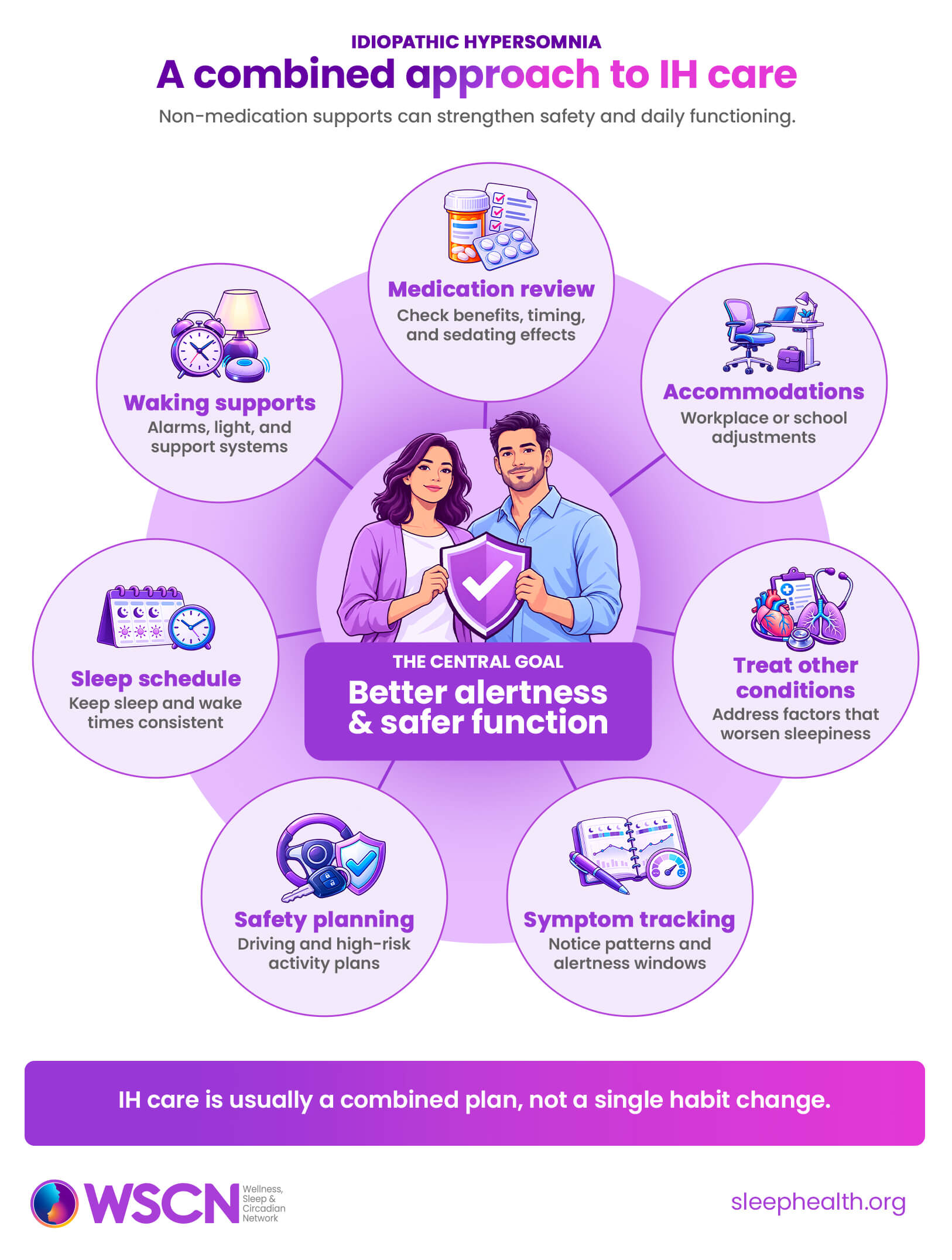
Non-medication strategies do not cure idiopathic hypersomnia, but they can support safety and daily functioning. The goal is to take ownership of all 24 hours to optimize wellbeing. Strategies may include:

  • Keeping a consistent sleep-wake schedule when possible
  • Planning the most demanding tasks during alertness windows
  • Using alarms, light, or support systems for waking
  • Avoiding alcohol or sedating medications 
  • Treating other sleep disorders or medical conditions that worsen sleepiness
  • Making a driving safety plan
  • Discussing workplace or school accommodations
  • Remembering IH is a real neurological disorder, not a personal failure

Naps help some people manage the day, but in IH they are often long and not refreshing. Nap planning should be individualized.

Research and What We Are Still Learning

Researchers are still working to understand what causes idiopathic hypersomnia, why symptoms vary, and which treatments work best for which people. Current research includes studies of brain wake-promoting systems, patient-reported outcomes, quality of life, diagnostic testing, and new medications.

This research matters because idiopathic hypersomnia can be disabling, and current tests do not always capture the full experience of the disorder. Better measures may help shorten diagnosis delays and improve treatment choices.

Related Conditions

Idiopathic hypersomnia can overlap with or be confused with:

  • Narcolepsy type 1 or type 2
  • Obstructive sleep apnea
  • Insufficient sleep syndrome
  • Circadian rhythm sleep-wake disorders
  • Restless legs syndrome or periodic limb movement disorder
  • Depression and other mental health conditions
  • Medication- or substance-related sleepiness
  • Hypersomnia due to a medical or neurological condition

References


Medical disclaimer
This article is for educational purposes only and is not intended to replace professional medical advice, diagnosis, or treatment. Speak with a qualified healthcare professional about questions or concerns related to your sleep. Read full medical disclaimer

Continue reading

Central Disorders of Hypersomnolence

(Excessive daytime sleepiness)

Feeling sleepy during the day is normal occasionally, especially after a poor night’s sleep. But when sleepiness becomes overwhelming or makes it difficult to stay awake during everyday activities, it may be a sign of an underlying sleep disorder.

Central disorders of hypersomnolence are a group of conditions in which excessive daytime sleepiness is the main symptom. Some affect how the brain regulates sleep and wakefulness, while others result from regularly getting too little sleep.

These conditions can interfere with work, school, and daily activities, even when someone is trying to stay alert. This page explains the different disorders, their common symptoms, and when to seek support.

Overview

  • Central disorders of hypersomnolence cause excessive daytime sleepiness that can interfere with everyday activities, even when someone is trying to stay awake.
  • Sleepiness is different from fatigue. It involves a strong tendency to doze off or fall asleep, while fatigue is more about feeling physically or mentally exhausted.
  • Symptoms vary by condition. Some people experience sudden sleep attacks, while others have difficulty waking up or feel sleepy despite long periods of sleep.
  • These disorders include narcolepsy, idiopathic hypersomnia, Kleine-Levin syndrome, and insufficient sleep syndrome. Each has different causes and treatment approaches.
  • Persistent sleepiness can affect concentration, safety, and quality of life. Identifying the underlying cause can help people find appropriate treatment and support.

ON THIS PAGE

Common Signs and Symptoms

Central disorders of hypersomnolence can affect how easily someone stays awake and how refreshed they feel after sleeping. Symptoms vary depending on the condition, and not everyone experiences the same problems.

Common signs and symptoms include:

  • Excessive daytime sleepiness: An overwhelming urge to sleep or unintentionally dozing off during everyday activities.
  • Difficulty waking up: Struggling to get out of bed, even after a full night’s sleep or repeated alarms.
  • Sleep inertia: Feeling extremely groggy, confused, or disoriented for an extended time after waking.
  • Long sleep periods or unrefreshing naps: Sleeping for unusually long periods or waking from naps without feeling rested.
  • Sleep attacks and automatic behaviors: Falling asleep suddenly or continuing familiar activities with little awareness or memory afterward.
  • Thinking and mood changes: Difficulty concentrating, memory problems, irritability, or changes in mood.
  • Safety concerns: Falling asleep during activities such as driving, working, or attending school.

Some symptoms are more specific to certain disorders. For example, cataplexy, a sudden loss of muscle strength triggered by emotions such as laughter or surprise, is characteristic of narcolepsy type 1. Severe difficulty waking and prolonged grogginess are particularly common in idiopathic hypersomnia.

In children and teenagers, excessive sleepiness may also appear as irritability, hyperactivity, changes in behavior, or declining school performance.

Sleepiness Is Not the Same as Fatigue

People can experience both sleepiness and fatigue. Understanding the difference can help you discuss your symptoms and concerns with your doctor.

  • Sleepiness means a tendency to doze or fall asleep. 
  • Fatigue means low energy or reduced capacity, even without a strong drive to sleep.

Disorders of hypersomnolence can cause both sleepiness and fatigue, and they often occur together. A clinician will assess both symptoms during a consultation.

Why Hypersomnolence Disorders Matter Across 24 Hours

Living with excessive daytime sleepiness can make everyday life unpredictable. Even after a full night’s sleep, some people struggle to stay alert during work, school, or social activities. Others may need unusually long periods of sleep, leaving less time for daily responsibilities and personal interests.

These challenges can affect independence and quality of life. Uncontrollable sleepiness can also create serious safety risks, particularly when driving or performing activities that require sustained attention.

Getting the right diagnosis is not always straightforward. Conditions such as narcolepsy and idiopathic hypersomnia can take years to identify because their symptoms may be mistaken for other health problems, including depression.

Recognizing these conditions and seeking appropriate treatment can help people manage symptoms, improve daily functioning, and participate more fully in life.

When to Seek Help

You do not need to know what is causing your symptoms before asking for help. Talk with a healthcare professional if sleep-related or daytime problems persist, become more frequent, or begin to affect your health or daily life.

Many sleep disorders can be treated or managed. Getting support can help identify the underlying cause and guide appropriate care.

Red Flag: Seek prompt or urgent help if:

  • You fall asleep while driving or during another hazardous activity
  • You have an accident or near-miss related to sleepiness
  • You develop sudden weakness, confusion, seizure-like activity, fainting, or new neurological symptoms
  • You cannot maintain hydration, nutrition, medication routines, or basic safety

Assessment and Diagnosis

Diagnosing a central disorder of hypersomnolence begins with understanding a person’s sleep patterns and daytime symptoms. A healthcare professional will ask about nighttime sleep, naps, and difficulty staying awake or waking up. They may also review medications, medical history, and work or school schedules.

A sleep diary can help track sleep patterns over one to two weeks. Actigraphy, which uses a small wearable device to estimate sleep and wake times, can provide additional information. These tools help determine whether someone is getting enough sleep and whether an irregular schedule may be contributing to daytime sleepiness.

Depending on the symptoms, further testing may include an overnight sleep study to assess sleep and identify other sleep disorders. This may be followed by a Multiple Sleep Latency Test (MSLT), which measures how quickly someone falls asleep during several scheduled daytime naps.

Clinicians also consider other possible causes of excessive sleepiness, including sleep apnea, medical conditions, and medication effects. Some conditions, such as idiopathic hypersomnia, may require additional testing to measure total sleep time.

An accurate diagnosis helps guide treatment toward the underlying cause rather than the symptom of sleepiness alone.

Read more about assessing and diagnosing sleep disorders here.

Treatment and Management

Treatment for central disorders of hypersomnolence depends on the specific condition and how symptoms affect daily life. Although some conditions require ongoing management, appropriate care can improve alertness and help people participate more fully in everyday activities.

Treatment and management options may include:

  • Medications: Prescription treatments can improve daytime alertness and help manage specific symptoms, such as cataplexy in people with narcolepsy.
  • Sleep schedules and planned naps: Maintaining a consistent sleep schedule and, for some conditions, taking planned naps can help manage sleepiness.
  • Getting enough sleep: For insufficient sleep syndrome, treatment focuses on increasing sleep opportunity and addressing the factors that prevent adequate sleep.
  • Work and school accommodations: Flexible schedules, planned breaks, or adjustments to daily responsibilities can help people manage their symptoms.
  • Safety planning: People with severe daytime sleepiness may need to avoid driving or other hazardous activities until their symptoms are adequately controlled.

Treatment should reflect each person’s symptoms and circumstances. Working with a sleep specialist can help identify effective approaches and adjust care as needs change.

Explore the individual condition pages above for more detailed information about treatment and management.

References


Medical disclaimer
This article is for educational purposes only and is not intended to replace professional medical advice, diagnosis, or treatment. Speak with a qualified healthcare professional about questions or concerns related to your sleep. Read full medical disclaimer

Continue reading

Assessing and Diagnosing Sleep Disorders

Sleep problems can affect how we feel and function throughout the day. But similar symptoms can have different causes, so understanding what is disrupting sleep is an important first step toward finding effective treatment.

A healthcare professional will usually begin by discussing your symptoms, sleep patterns, and medical history. Depending on your concerns, they may recommend questionnaires, sleep diaries, or specialized tests to help identify or rule out a sleep disorder.

This page explains how sleep disorders are assessed, which tools and tests may be used, and what to expect during the diagnostic process.

Overview

  • Diagnosing a sleep disorder usually involves several steps rather than a single test.
  • Sleep disorders can share similar symptoms, making a thorough evaluation important for identifying the underlying cause.
  • A healthcare professional considers both nighttime symptoms and how sleep affects alertness and daily functioning.
  • Medical history, medications, and daily routines can provide clues about what is affecting sleep.
  • Screening tools can help identify possible sleep problems, while specialized tests may be needed to confirm certain diagnoses.
  • Not everyone needs an overnight sleep study. The choice of tests depends on the suspected disorder, and consumer sleep trackers cannot diagnose sleep disorders on their own.

ON THIS PAGE

The Diagnostic Process

Diagnosing a sleep disorder usually begins with a conversation with a healthcare professional. The steps that follow depend on your symptoms and what the initial evaluation reveals.

  • Clinical evaluation: A primary care clinician or sleep specialist reviews your symptoms and medical history. They may also perform a physical examination.
  • Screening and information gathering: Questionnaires, sleep diaries, or monitoring devices can help identify patterns and determine whether further testing is needed.
  • Diagnostic testing: Depending on the suspected condition, your clinician may recommend an overnight sleep study or other specialized tests to help confirm a diagnosis.

Not everyone needs every step. Some sleep disorders can be diagnosed from symptoms and medical history alone, while others require additional testing.

Screening Tools

Screening tools help healthcare professionals understand sleep patterns, assess symptoms, and decide whether further testing is needed. Different tools provide different information, and not everyone needs all of them.

Clinical evaluation

A clinical evaluation is usually the first step in understanding a sleep problem. Your healthcare professional will ask about your symptoms, sleep habits, and how sleep affects your daily life. They may also review your medical history and medications and perform a physical examination.

Preparing for your appointment can help. Consider bringing information about:

  • Your symptoms: What happens during the night and how you feel during the day.
  • Symptom patterns: When problems started, how often they occur, and whether they are getting worse.
  • Health and medications: Existing medical conditions, medications, and supplements you take.
  • Daily habits: Your sleep schedule, caffeine or alcohol use, and other routines that may affect sleep.
  • Sleep observations: Information from a bed partner or caregiver, or sleep patterns recorded by a wearable device.

Questionnaires

Your healthcare professional may ask you to complete a sleep questionnaire. These questionnaires have been tested by researchers to assess particular symptoms or sleep problems. They can help identify concerns and measure symptom severity, but generally cannot confirm a diagnosis on their own.

Common examples include:

  • Epworth Sleepiness Scale (ESS): Assesses daytime sleepiness
  • Insomnia Severity Index (ISI): Measures the severity of insomnia symptoms
  • STOP-Bang: Screens for the risk of obstructive sleep apnea
  • Pittsburgh Sleep Quality Index (PSQI): Assesses overall sleep quality

Other questionnaires are available for children and for specific concerns, such as circadian rhythm disorders or unusual behaviors during sleep.

Sleep diary

A sleep diary is a simple record of your sleep over one or more weeks. It usually includes when you go to bed, when you wake up, nighttime awakenings, and daytime naps.

Recording these details helps reveal patterns that may not be obvious from memory alone. Your healthcare professional may provide a diary or template to complete.

Actigraphy

Actigraphy uses a small, wrist-worn device to monitor movement over several days or weeks. The device uses activity patterns to estimate when you are asleep or awake.

Actigraphy can help healthcare professionals identify irregular sleep schedules and assess certain sleep or circadian rhythm disorders.

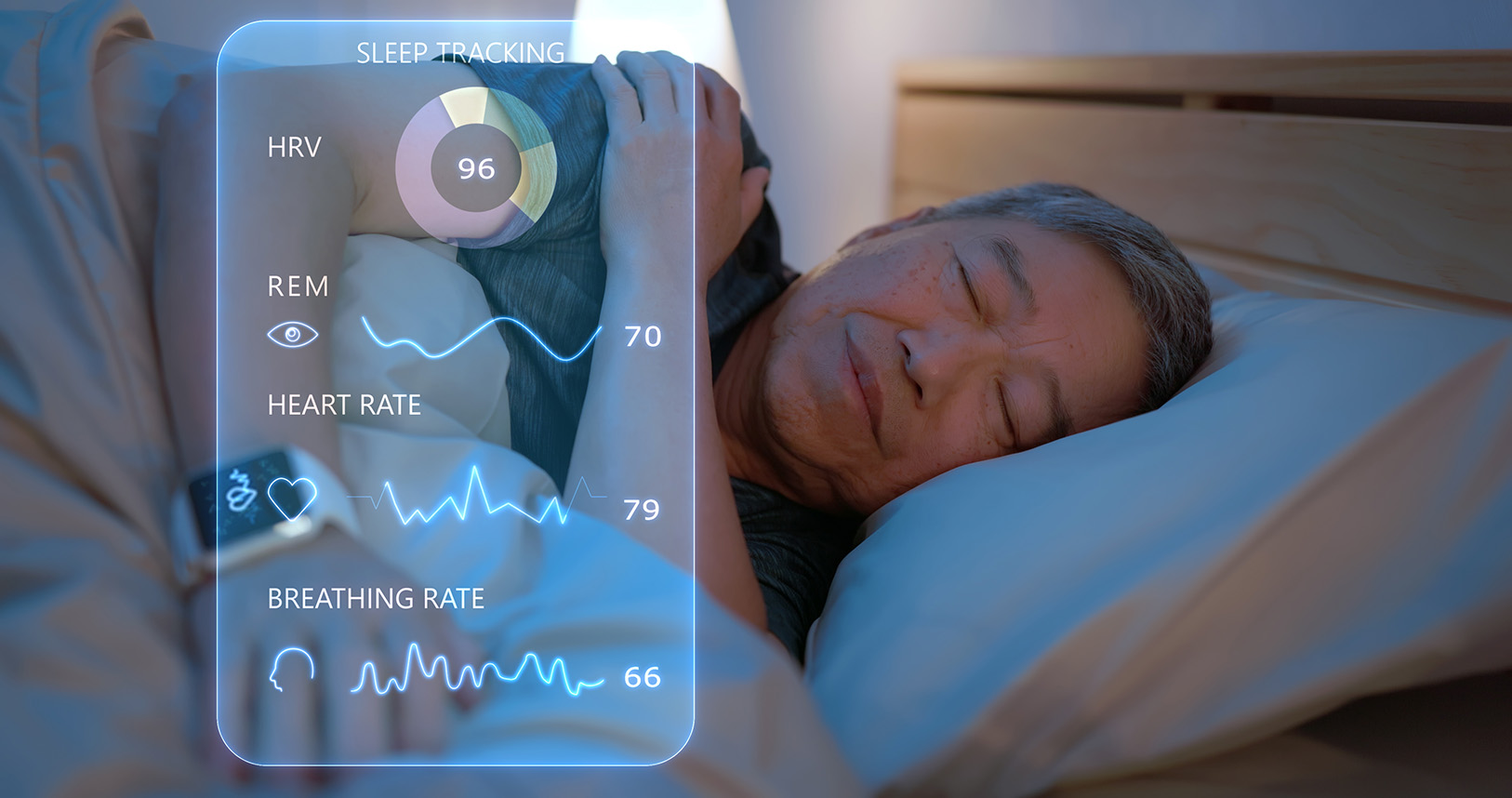
Unlike a clinical sleep study, actigraphy does not directly measure brain activity. It provides estimates rather than precise measurements of sleep and is different from most consumer sleep trackers.

Diagnostic Tests

Based on what the medical history, physical exam, questionnaires, actigraphy, and/or sleep diary show, the physician will recommend tests that can help provide a diagnosis. In some cases, a sleep disorder is diagnosed by ruling out other possible causes of a person’s symptoms. 

Sleep study

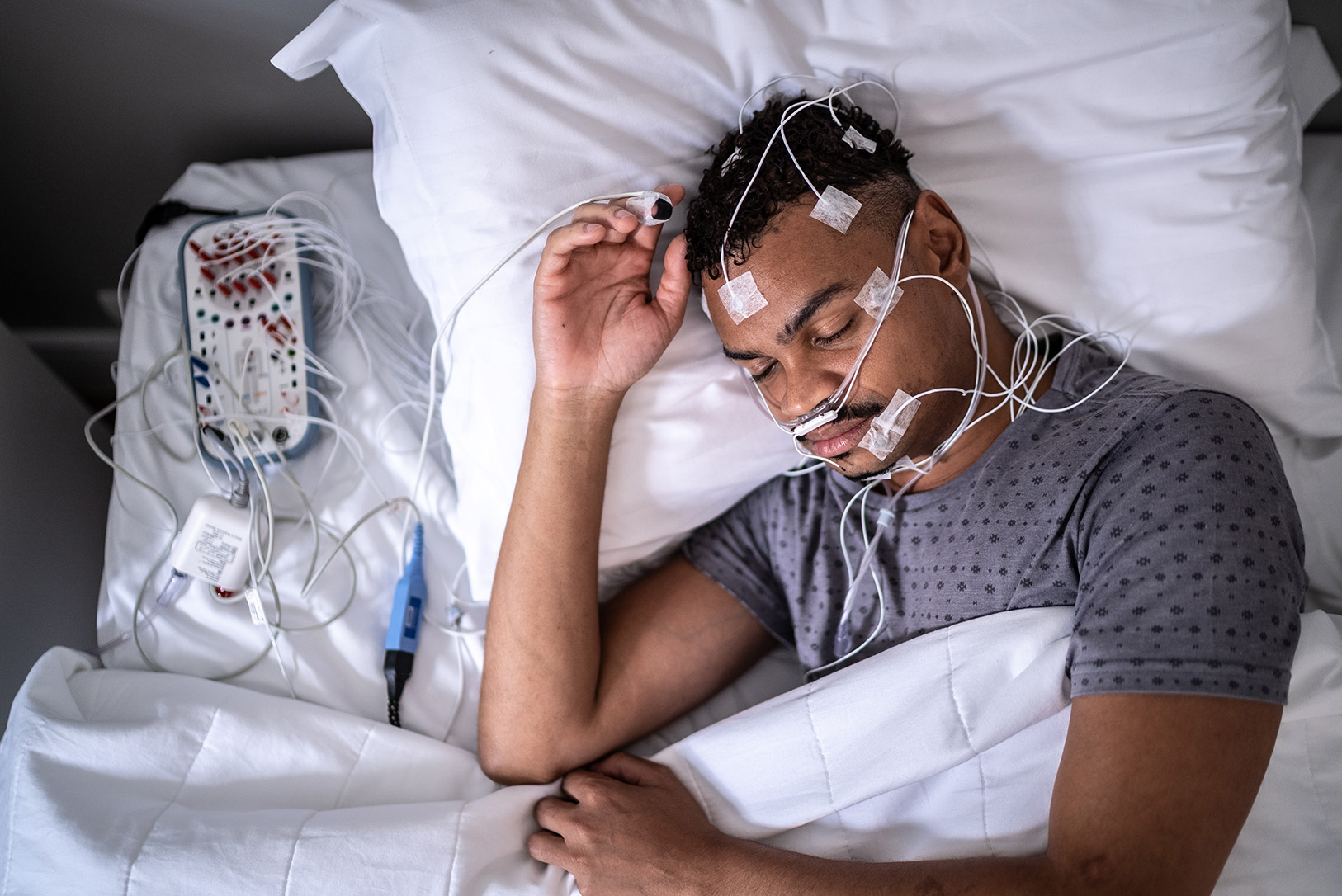
An overnight sleep study, called polysomnography, provides a detailed picture of what happens while you sleep. It is usually performed at a sleep center, where small sensors are placed on your body to record brain activity, breathing, oxygen levels, heart rhythm, and movements.

The results can help diagnose conditions such as sleep apnea and certain sleep-related movement disorders. Sleep studies can also identify unusual behaviors during sleep and changes in sleep stages.

Home sleep apnea test

Some adults with suspected obstructive sleep apnea can complete a simplified test at home rather than spending the night at a sleep center.

A home sleep apnea test uses sensors to monitor breathing, oxygen levels, and other signals while you sleep. It is less comprehensive than an overnight sleep study and cannot assess most other sleep disorders.

If the results are unclear or do not show sleep apnea despite ongoing concerns, an overnight sleep study may still be needed.

Multiple sleep latency test (MSLT)

The multiple sleep latency test (MSLT) is generally used when narcolepsy or idiopathic hypersomnia is suspected. The test measures how quickly someone falls asleep during scheduled daytime naps, and whether rapid eye movement sleep appears unusually early. It is usually conducted the day after a sleep study is performed.

Other Tests

Depending on the suspected sleep disorder, a clinician may request blood tests, carbon dioxide monitoring, heart or lung testing, imaging, genetic testing, or referral to another specialist. Results from all screenings and diagnostic tests should be interpreted together with a person’s individual symptoms and goals. 

When to Get Help

If sleep problems are affecting your health or daily life, consider talking with a healthcare professional. You do not need to know what is causing your symptoms before seeking help.

A good place to start is with your primary care clinician who can assess your concerns and recommend further evaluation or a sleep specialist if needed.

Open communication can help you get the most out of your appointment. Share what you are experiencing, ask questions, and discuss what you hope to improve. Together, you and your clinician can decide on the next steps toward better sleep and circadian health.

“The care you didn’t get is related to the thing you didn’t say.”

WSCN board member and Chief Patient Officer, Susan Manber

If you are concerned about your sleep or circadian health – then take action and get help.

For more information about specific sleep conditions and their diagnosis, explore our Sleep and Circadian Disorders page.

References


Medical disclaimer
This article is for educational purposes only and is not intended to replace professional medical advice, diagnosis, or treatment. Speak with a qualified healthcare professional about questions or concerns related to your sleep. Read full medical disclaimer

Continue reading