SEC Section: Sleep & Circadian Disorders

Teen Delayed Sleep Phase

Teen delayed sleep phase is a persistent shift of the sleep-wake schedule to later hours. It is considered a disorder when the pattern persists, causes distress, or interferes with school, family life, health, or safety. A teen may be unable to fall asleep until late at night and have great difficulty waking at the required time. When allowed to follow a later schedule, such as during a break, sleep quality and duration may be normal.

A later-shifted body clock is common during adolescence. Puberty-related changes in circadian timing can combine with early school schedules, evening light, homework, activities, stress, and limited morning light. The result is a biological mismatch across 24 hours. It is not laziness or a lack of motivation. Delayed sleep-wake phase disorder (DSWPD) is more than being a “night owl”: the teen cannot readily shift to the schedule they need, and the pattern affects daily functioning.

For broader information about sleep needs and normal changes during adolescence, see Sleep in teens.

Symptoms and evaluation

Symptoms to watch for:

  • Difficulty falling asleep at the desired or required bedtime
  • Feeling alert late at night
  • Sleeping and waking much later on weekends or school breaks
  • Difficulty waking for school, often needing repeated alarms or caregiver help
  • Morning grogginess or irritability
  • Daytime sleepiness or fatigue, sometimes falling asleep in class
  • Difficulty with concentration, memory, school attendance, or performance
  • Mood difficulties or conflict over sleep and wake times
  • Drowsy driving or other risks related to sleepiness
  • Sleeping well and getting enough sleep when allowed to follow a later schedule

Risk factors and contributors

Adolescence itself increases vulnerability because the circadian system naturally shifts later. Risk may also be higher with a strong evening preference or family history of delayed sleep-wake timing. Evening light and screens, irregular sleep schedules, large weekend sleep-ins, late caffeine consumption, insufficient morning light, late activities, and early school start times can reinforce the delay. Anxiety, depression, attention-deficit/hyperactivity disorder, autism, substance use, and chronic stress may coexist with or complicate DSWPD. These factors are possible contributors, they do not mean a teen has a sleep disorder, and they are not evidence of personal or parenting failure.

Treatment and management

Delayed sleep-wake phase disorder (DSWPD) can often be improved with approaches that help shift the body’s internal clock earlier. Treatment focuses on gradually adjusting sleep timing while helping teenagers get enough sleep and function well during the day.

Common approaches include:

  • Consistent sleep schedules: Keeping regular sleep and wake times, including on weekends, can help stabilize the body clock. Gradual adjustments may make it easier to move toward an earlier schedule.
  • Morning light exposure: Getting bright light soon after waking, ideally through natural daylight, can help shift the body clock earlier.
  • Reducing evening light: Dimming lights and limiting bright screens before bedtime can help the body prepare for sleep.
  • Healthy daily routines: Regular physical activity and avoiding caffeine late in the day can support healthier sleep patterns.
  • Timed melatonin: In some cases, a healthcare professional may recommend melatonin to help shift sleep timing. The timing of melatonin is particularly important, and it should be used under medical guidance.

Treatment works best when it considers the teenager’s natural sleep patterns, school commitments, and individual needs. Progress may take time, and maintaining improvements often requires consistent routines. The goal is not simply an earlier bedtime, but a sustainable sleep schedule that supports health and daily life.

When to seek medical evaluation

Talk with a pediatrician when the delayed sleep phase pattern has continued for several months or repeatedly affects sleep duration, school attendance, learning, mood, family life, or safety. Seek prompt help for severe daytime sleepiness despite adequate sleep opportunity, major functional decline, episodes of collapsing with strong emotions or laughter, mania symptoms, or concerns about self-harm.

Evaluation usually begins with the teen’s sleep, health, medication, mental health, school, and family history. A sleep diary covering school days and free days for at least two weeks is often useful; actigraphy may provide an additional estimate of sleep timing. An overnight sleep study is not usually needed for straightforward DSWPD but may be recommended when another sleep disorder is suspected. Clinicians should also assess whether the teen gets enough opportunity to sleep.

Conditions that may be mistaken for teen delayed sleep phase

DSWPD may be mistaken for insomnia because both can involve difficulty falling asleep. A key clue is that a teen with DSWPD usually sleeps more easily and adequately on a later schedule. Insufficient sleep caused by demands or choices can look similar but does not necessarily reflect a shifted body clock.

Other possibilities include depression or anxiety, ADHD, school avoidance, medication or substance effects, narcolepsy, idiopathic hypersomnia, and medical conditions that cause fatigue. 

On the other hand mood changes, inattention, or oversleeping caused by circadian misalignment may also be mistaken for behavioral problems. Evaluation should consider whole person health across all 24 hours.

References


Medical disclaimer
This article is for educational purposes only and is not intended to replace professional medical advice, diagnosis, or treatment. Speak with a qualified healthcare professional about questions or concerns related to your sleep. Read full medical disclaimer


Continue reading

Pediatric Narcolepsy

Narcolepsy is a lifelong neurological sleep disorder that affects the brain’s ability to keep sleep and wakefulness stable. Its central feature is excessive daytime sleepiness: a persistent tendency to fall asleep or struggle to stay alert despite adequate nighttime sleep according to age-based recommendations. Narcolepsy is not laziness, poor motivation, or a child choosing to sleep too much – it is a real neurological sleep disorder.

Narcolepsy type 1 involves cataplexy—sudden muscle weakness while awake, which is caused by low levels of the neuropeptide orexin. Narcolepsy type 2 occurs without cataplexy and without known orexin deficiency. Both types can affect learning, mood, relationships, participation, and wellbeing across the whole 24 hours.⁠

How pediatric narcolepsy is different

Narcolepsy generally develops during adolescence or later, but children can develop it as well. Children may not describe themselves as sleepy. Sleepiness can instead appear as irritability, hyperactivity, inattention, automatic behavior, emotional outbursts, or declining school performance. A younger child may resume daytime naps after previously outgrowing them or begin sleeping longer at night. These patterns may be interpreted as behavioral, learning, or mental health concerns rather than a sleep and circadian disorder.

⁠Cataplexy can also look different in children. In adults it often causes clear weakness triggered by strong emotions and expressions such as laughter, surprise, excitement, anger, or stress. In contrast, children may show drooping eyelids, facial slackness, tongue protrusion, jaw opening, head movements, or an unsteady walk. 

Rapid weight gain can occur near onset of narcolepsy, particularly with narcolepsy type 1. Symptoms may change as the child develops, and cataplexy may emerge after daytime sleepiness begins. ⁠

Symptoms and evaluation

Symptoms to watch for:

  • Persistent or overwhelming daytime sleepiness
  • Unintentional sleep during class, meals, relaxation time, conversations, or car rides
  • Sudden sleep “attacks” or strong difficulty resisting sleep
  • Difficulty waking, unusually long sleeps, or the return of daytime naps
  • Inattention, memory problems, automatic behavior, or falling grades
  • Irritability, hyperactivity, anxiety, low mood, or school avoidance
  • Emotion-triggered facial drooping, slurred speech, head nodding, knee buckling, or collapse while conscious
  • Vivid dream-like experiences when falling asleep or waking
  • Nightmares and night terrors
  • Temporary inability to move or speak around sleep, known as sleep paralysis
  • Fragmented nighttime sleep

Note that having one of these symptoms alone does not mean a child or teen has narcolepsy. When one or several symptoms are present and are a cause for concern, it is worth seeking care from a pediatrician or equally qualified health professional.

Risk factors

Narcolepsy can affect children of any background. Type 1 narcolepsy is believed to involve immune-mediated loss of orexin-producing brain cells. Genetic susceptibility, including the HLA-DQB1*06:02 variant, can increase vulnerability but does not determine whether a child will develop narcolepsy. Most affected children do not have a close relative with the condition. 

Infections and other immune triggers remain under study in ongoing research.

Rare secondary causes include brain injury, inflammation, tumors, or neurological disease affecting sleep-wake pathways.

When to seek medical evaluation

A pediatrician should evaluate a sudden change in sleep and daytime behaviors that is not explained by another cause such as illness or travel. Persistent excessive daytime sleepiness that continues despite adequate sleep, and that  affects school, relationships, daily function, or safety also calls for assessment. Slow persistent onset of symptoms is another reason to seek care.

Seeing a pediatrician for evaluation is particularly important when sleepiness occurs with emotion-triggered weakness (cataplexy), repeated unintended sleep attacks, sleep paralysis, or vivid dream-like experiences when falling asleep or waking up. 

Rapid changes in weight, mood and behavior are also indicators that seeking care is important.

A sleep specialist may use a sleep diary, actigraphy, overnight polysomnography, and a multiple sleep latency test to diagnose narcolepsy. 

Conditions that may be confused with narcolepsy

Narcolepsy is a rare condition, and due to the symptoms that children and teens present with, alongside social views about sleep and circadian behaviors, it is often missed in routine medical assessment, or dismissed without proper assessment. Narcolepsy often goes unrecognized for years. Studies have reported average delays of around a decade between the first symptoms and diagnosis, although some people are diagnosed much sooner. Being aware of conditions that can be confused with narcolepsy is helpful for starting a conversation with a doctor.

Narcolepsy can resemble the following disorders in children/teens:

  • Depression
  • Anxiety
  • ADHD/ADD
  • Epilepsy
  • Obstructive sleep apnea 
  • Medication effects
  • Fainting
  • Behavioral/attitude problems

The important message is that narcolepsy is a real neurological condition that causes sleep and circadian problems across all 24 hours. It is not a personal parenting failure. Seeking help is an important first step in getting the right care.

This page focuses on pediatric narcolepsy. For a fuller explanation of causes, types, diagnosis, and treatment for narcolepsy see Narcolepsy in adults. 

References


Medical disclaimer
This article is for educational purposes only and is not intended to replace professional medical advice, diagnosis, or treatment. Speak with a qualified healthcare professional about questions or concerns related to your sleep. Read full medical disclaimer

Continue reading

Pediatric Sleepwalking and Sleep Terrors

Sleepwalking and sleep terrors are non-rapid eye movement (NREM) parasomnias – unwanted events that occur when the brain partly awakens from deeper sleep. Sleepwalking may involve sitting up, walking, speaking, or performing other actions with limited awareness. During a sleep terror, a person may scream, appear intensely frightened, breathe rapidly, or have a racing heart while remaining difficult to wake or comfort. Memory of a sleepwalking or sleep terror episode is often limited.

How pediatric sleepwalking and sleep terrors are different

These parasomnias are much more common in childhood than adulthood. Sleep terrors often begin in the preschool years, while sleepwalking commonly appears later in childhood. Episodes usually become less frequent as the brain and nervous system mature, although sleepwalking can continue into adolescence or adulthood.

Children may sit up, cry, run, speak, or move through the home while appearing awake, but they remain confused and unresponsive. Unlike a child who wakes from a nightmare, a child having a sleep terror is usually difficult to comfort and may not remember the event the next morning. Also, nightmares generally occur in the early morning hours, when REM sleep is more dominant. In contrast, sleep terrors usually occur in the first part of the night, in the hours just after going to sleep when deep non-REM sleep is more dominant.

Children also depend on adults to recognize triggers and protect their surroundings. An episode may be brief, but its effects can extend across the whole 24 hours by disrupting household sleep, increasing caregiver worry, or contributing to next-day sleepiness and difficulty concentrating.

Symptoms and evaluation

Symptoms to watch for include:

  • Sitting up, staring, mumbling, or appearing confused during sleep
  • Walking, running, dressing, eating, or trying to leave the room or home
  • Screaming, crying, sweating, rapid breathing, or a racing heart
  • Being difficult to wake or comfort
  • Pushing away a caregiver or becoming more agitated when restrained
  • Returning to sleep quickly and remembering little or nothing afterward

What to do before and during episodes

While getting a medical evaluation is important, there are ways parents can help protect their child immediately by creating a safe sleep environment for sleepwalking or night terrors. 

When a child has a sleep terror or sleepwalking episode, it is best to remain calm and try to guide them gently back to bed. Children will generally not engage in conversation and may not respond to verbal directions, but it may help to reassure them in a calm, soft voice. Don’t try to restrain a child or try to wake them during an episode, unless it is necessary to protect their safety, as this can lead to more agitation. Speaking with a pediatrician can provide additional advice for supporting a child appropriately for their age.

Risk factors

Family history can increase vulnerability. Episodes may also become more likely with insufficient sleep, irregular sleep schedules, fever, illness, stress, travel, noise, pain, or a full bladder. Conditions that repeatedly interrupt sleep – including obstructive sleep apnea – may contribute. Some medications can also affect sleep and should be reviewed with a pediatrician when appropriate.

Treatment and management

Most children outgrow sleepwalking and sleep terrors, and medication is rarely needed. Management focuses on keeping children safe during episodes and reducing factors that can trigger them.

Helpful approaches include:

  • Maintain a consistent sleep schedule: Make sure your child gets enough sleep and follows regular bedtime and waking routines. Insufficient sleep can increase the likelihood of episodes.
  • Identify possible triggers: Keep a sleep diary to record when episodes occur and whether they follow illness, stress, or changes in sleep routines.
  • Create a safe sleep environment: Keep walkways clear and secure windows and doors if your child sleepwalks. Avoid upper bunk beds when episodes create a risk of falls.
  • Address other sleep problems: Conditions such as obstructive sleep apnea can disrupt sleep and contribute to episodes. Treating these conditions may help reduce their frequency.
  • Consider scheduled awakenings: If episodes occur frequently at predictable times, a healthcare professional may recommend gently waking your child shortly before an episode usually begins.

Medication is generally reserved for severe or potentially dangerous episodes that do not improve with other approaches. A pediatric sleep specialist can help determine whether additional treatment is appropriate.

With consistent sleep routines and appropriate safety measures, most families can manage these episodes while children gradually outgrow them.

When to seek medical evaluation

Seek medical evaluation if episodes are frequent, worsening, cause injury, or involve leaving the house, unusual stiffening or jerking, or occur mainly in the second half of the night. Also discuss loud snoring, breathing pauses, marked daytime sleepiness, or new developmental or neurological concerns with the child’s pediatrician.

Diagnosis is usually based on a sleep and health history. A sleep diary, caregiver description, and safely recorded video may help. A clinician may recommend an overnight video sleep study when the pattern is atypical or another condition is suspected.

Conditions that may be confused with sleepwalking or sleep terrors

  • Nightmares can cause fear and awakening, but they usually occur later in the night/early morning hours and are more likely to be remembered 
  • Confusional arousals may cause sitting, crying, or disorientation without walking or intense fear
  • Nocturnal seizures can involve sudden, brief, movements that may occur repeatedly during one night
  • REM sleep behavior disorder, nocturnal panic attacks, trauma-related nightmares, medication effects, and obstructive sleep apnea can also resemble or trigger nighttime events

Any type of sleep disruption for a child deserves careful evaluation and support – as consistent sleep is an essential part of childhood development and overall health.

This page focuses on pediatric sleepwalking and sleep terrors. In adults, new, frequent, unusual, or unsafe episodes may require evaluation for medications, other sleep disorders, seizures, or neurological conditions. For a fuller description of the adult disorder, see Sleepwalking and sleep terrors in adults.

References


Medical disclaimer
This article is for educational purposes only and is not intended to replace professional medical advice, diagnosis, or treatment. Speak with a qualified healthcare professional about questions or concerns related to your sleep. Read full medical disclaimer
Continue reading

Pediatric Bedwetting

Pediatric bedwetting, also called nocturnal enuresis, means repeated urine leakage during sleep in a child age 5 or older. It is common, involuntary, and not caused by laziness, defiance, or poor parenting. Nighttime bladder control develops at different ages. Bedwetting can reflect several interacting factors: the kidneys making more urine overnight, the bladder holding less than expected, and the sleeping brain not responding fully to bladder signals.⁠

Primary bedwetting means a child has never been consistently dry at night. Secondary bedwetting begins after at least six dry months and may signal a new medical condition, sleep problem, or source of stress. Monosymptomatic bedwetting occurs without daytime bladder symptoms; non-monosymptomatic bedwetting includes daytime urgency, frequent urination, leakage, holding behaviors, or difficulty emptying the bladder.

Some children wet only occasionally; others wet most nights or more than once a night. Frequency alone does not show how much help a family needs. The child’s age, daytime symptoms, previous dryness, health, sleep, bowel habits, emotional impact, and readiness for change all matter. A child who is unconcerned may need reassurance, while a child avoiding activities or feeling ashamed may benefit from earlier support.

Bedwetting can disrupt sleep, sleepovers, travel, camps, confidence, and family routines across the whole 24 hours. Shame and punishment can increase distress but do not solve the underlying problem. Calm, practical support helps protect a child’s wellbeing while the cause is evaluated.⁠

Symptoms and evaluation

The main sign of pediatric bedwetting is repeated urination during sleep in a child aged 5 or older. Some children have never been consistently dry at night, while others begin wetting again after at least six months of dry nights.

Other symptoms to watch for include:

  • Daytime bladder problems: Frequent urination, sudden urgency, or urine leakage during the day.
  • Difficulty urinating: Pain, straining, or a weak urine stream.
  • Constipation: Hard or painful bowel movements, sometimes accompanied by abdominal discomfort.
  • Sleep-related breathing problems: Loud snoring, gasping, or pauses in breathing during sleep.
  • Changes in thirst or urination: Excessive thirst or unusually large amounts of urine.
  • Emotional effects: Embarrassment, changes in mood, or avoiding sleepovers and other activities.

These symptoms can help healthcare professionals identify possible contributing conditions. Bedwetting that begins again after a long dry period or occurs alongside daytime urinary symptoms deserves particular attention.

Risk factors and contributors

Bedwetting often runs in families and becomes less common as children grow. It can occur when nighttime bladder control is still developing, the bladder holds relatively little urine, or the body produces more urine during sleep.

Other contributing factors include:

  • Constipation: A full bowel can affect bladder function and contribute to nighttime wetting.
  • Bladder problems: Some children also experience urinary urgency or leakage during the day.
  • Sleep-related breathing problems: Obstructive sleep apnea is associated with bedwetting in some children.
  • Medical or developmental conditions: Certain health conditions, including urinary tract infections and neurodevelopmental differences, can contribute to bedwetting.

Bedwetting that begins again after a child has been dry for at least six months can sometimes follow major life changes or emotional distress. However, medical causes should also be considered.

Identifying contributing factors can help healthcare professionals recommend appropriate treatment and support.

When to talk with a healthcare professional

You do not need to know what is causing your child’s bedwetting before asking for help. Talk with a pediatrician if bedwetting continues beyond age 5 and concerns your child or family, or begins to affect your child’s confidence or daily activities.

Medical evaluation is particularly important if bedwetting begins again after at least six months of dry nights or occurs alongside daytime urinary symptoms. Effective treatments are available, and getting support can help identify an approach that works for your child.

Red Flags: Seek prompt or urgent help if:

  • Your child experiences pain when urinating, fever, or blood in the urine
  • Bedwetting is accompanied by excessive thirst, frequent urination, or unexplained weight loss
  • Your child develops new weakness, numbness, or difficulty walking
  • Your child has difficulty emptying their bladder or experiences continuous urine leakage

New weakness or difficulty walking alongside bladder symptoms requires urgent medical assessment. Excessive thirst with weight loss or signs of significant illness also warrants prompt evaluation.

Treatment and management

Although bedwetting occurs during sleep, daytime bathroom habits and fluid intake can influence nighttime bladder control. Constipation and other health conditions can also contribute.

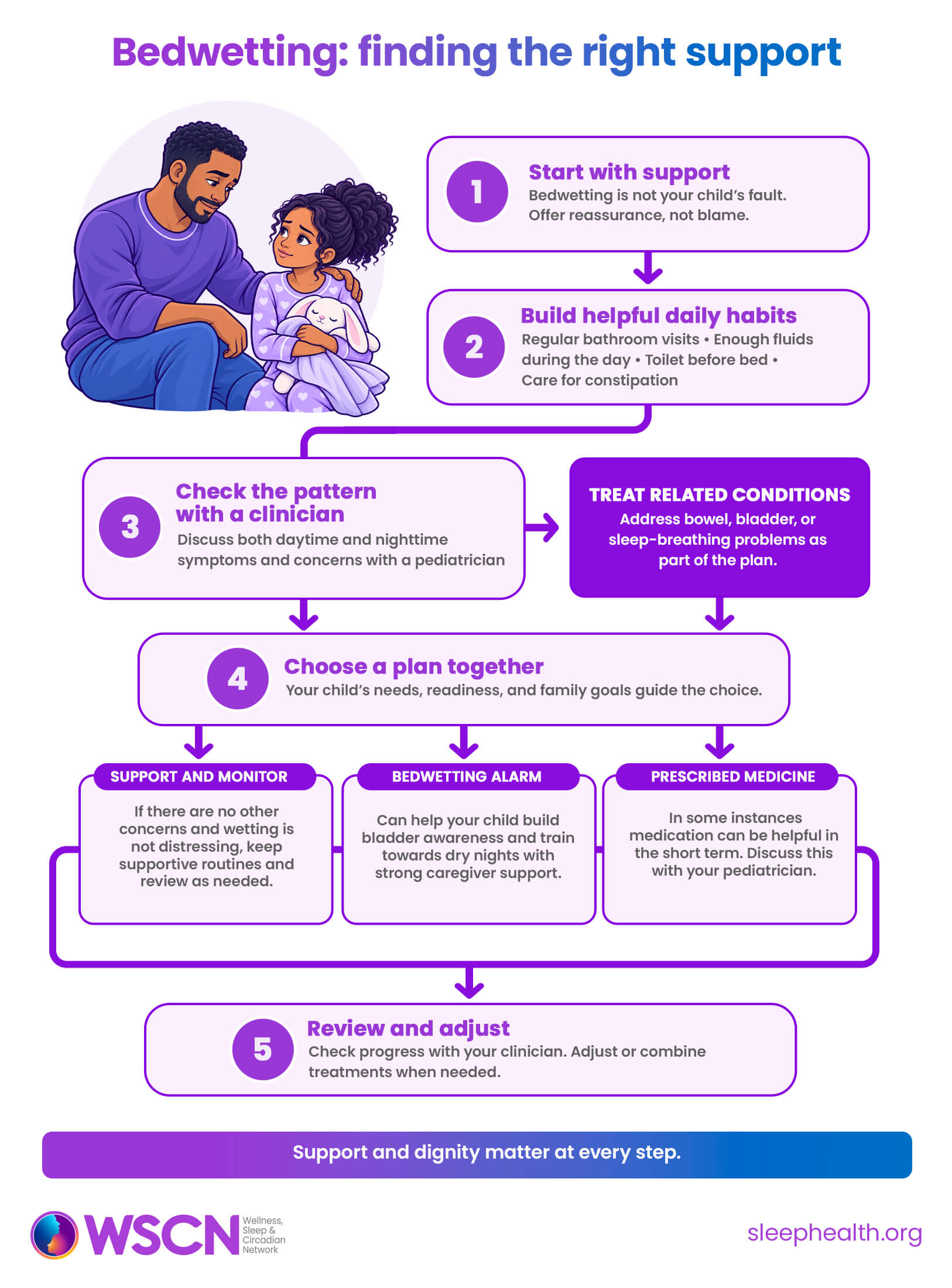
Treatment depends on the child’s age and symptoms, as well as their readiness and the family’s preferences. Options range from practical changes to daily routines to bedwetting alarms or medication when appropriate.

The goal is to improve nighttime bladder control while supporting the child’s confidence and well-being.

Education and reassurance

The first step is reducing blame. Children may feel embarrassment or shame about bedwetting, since there may be a perception that “big kids” are not supposed to wet the bed. However, bedwetting is not a matter of willpower or chosen behavior – it is something that happens during sleep and is not under the child’s control. 

Children should not be punished for bedwetting. Not only will punishment be unhelpful for fixing the problem, but it may cause anxiety that makes the problem worse. Supportive language helps the child stay engaged and honest about symptoms. It may be helpful to frame bedwetting as a challenge that the parent and child will resolve together by using practical solutions.

Daytime routines and bowel care

A child who does not urinate regularly during the day may reach bedtime with a bladder pattern that is harder to manage overnight. Additionally, constipation can press on the bladder and reduce bladder capacity. Basic supports to manage daytime toileting may include:

  • Regular daytime bathroom visits
  • Treating constipation when present
  • Drinking enough fluids earlier in the day
  • Reducing large drinks close to bedtime when appropriate
  • Avoiding caffeine-containing drinks
  • Urinating before sleep
  • Using a simple tracking diary

These steps are not a cure for every child, but they can strengthen the treatment plan and help identify patterns.

Enuresis alarms

Bedwetting alarms detect moisture and sound when urination begins. Over time, they can help children recognize bladder signals and respond by waking to use the bathroom. Alarms are an effective treatment for many children, but they require patience and consistent use. Parents may initially need to help their child wake when the alarm sounds.

Improvement can take several weeks or months. Early signs of progress may include smaller wet patches or waking more readily to the alarm, even before dry nights become more frequent.

A pediatrician can help determine whether an alarm is appropriate for the child and family.

Desmopressin

Desmopressin is a medication that reduces urine production overnight. It can help some children stay dry, particularly when short-term improvement is needed for activities such as sleepovers or camps.

Because drinking too much fluid while taking desmopressin can cause dangerously low sodium levels, families must carefully follow the prescribing clinician’s instructions. Fluid intake is generally restricted from one hour before taking the medication until eight hours afterward.

Bedwetting can return when treatment stops, so desmopressin does not necessarily provide a lasting solution. A pediatrician can help determine whether it is appropriate for your child.

Treating related conditions

Treating underlying health conditions can help improve nighttime bladder control. These may include constipation, urinary tract infections, or bladder problems that also cause daytime symptoms.

Obstructive sleep apnea can also contribute to bedwetting in some children. If your child snores regularly or has breathing pauses during sleep, talk with a pediatrician about further evaluation.

For more information, see our page on Pediatric obstructive sleep apnea.

Living with bedwetting

Managing bedwetting involves practical support that protects a child’s comfort and confidence. Waterproof mattress covers and easy access to clean bedding can make wet nights easier to manage. Children can help with cleanup in age-appropriate ways, but this should never be treated as punishment.

Absorbent products, such as nighttime pull-ups, can help manage wet nights and make activities such as sleepovers or travel easier. Families may also consider a trial without them as part of a treatment plan, depending on the child’s readiness and needs.

Soft nightlights can make nighttime bathroom visits safer and more comfortable without exposing children to bright light that may make it harder to return to sleep.

For sleepovers, camps, or travel, families can plan ahead with extra clothing, absorbent products, or support from a trusted adult. The goal is to help children participate in everyday activities without embarrassment or unnecessary restrictions.

Conditions associated with pediatric bedwetting

Bedwetting can occur alongside other bladder or bowel problems, including constipation and daytime urinary urgency. Obstructive sleep apnea is also associated with nighttime wetting in some children.

Less commonly, bedwetting can be related to urinary tract infections, diabetes, or neurological conditions. Certain medications may also contribute to nighttime wetting.

Bedwetting that begins again after a child has been dry for at least six months deserves particular attention, especially when accompanied by new urinary symptoms or other health concerns.

A healthcare professional can help identify contributing conditions and determine whether additional testing or treatment is needed.

References


Medical disclaimer
This article is for educational purposes only and is not intended to replace professional medical advice, diagnosis, or treatment. Speak with a qualified healthcare professional about questions or concerns related to your sleep. Read full medical disclaimer

Continue reading

Pediatric Obstructive Sleep Apnea

Pediatric obstructive sleep apnea (OSA) is a sleep-related breathing disorder in which a child’s airway repeatedly narrows or becomes blocked during sleep. These interruptions can disturb sleep and affect breathing, even when the child does not fully wake up.

Children with OSA often snore or have pauses in breathing during sleep. Unlike adults, who commonly experience daytime sleepiness, children may instead show signs such as hyperactivity, irritability, or difficulty concentrating.

Untreated OSA can affect a child’s learning and behavior. It can also interfere with healthy growth and development. Recognizing the signs and getting appropriate treatment can improve sleep and support a child’s overall well-being.

How pediatric obstructive sleep apnea is different

Children are not simply small adults when it comes to obstructive sleep apnea (OSA). The causes, symptoms, and treatment approaches can differ considerably.

Key differences include:

  • Causes: Enlarged tonsils and adenoids are common causes of OSA in children. Higher body weight is also an important risk factor, particularly in older children and teenagers.
  • Daytime symptoms: Adults often experience excessive daytime sleepiness. Children may instead show hyperactivity, irritability, or difficulty concentrating, which can sometimes be mistaken for behavioral or learning problems.
  • Growth and development: Pediatric OSA can affect learning and behavior. In some children, it can also interfere with healthy growth.
  • Diagnosis: Children have different diagnostic criteria from adults. Even relatively few breathing interruptions during sleep can be clinically significant.
  • Treatment: Surgery to remove enlarged tonsils and adenoids, called adenotonsillectomy, is often a first-line treatment for children when these tissues contribute to airway obstruction. However, surgery is not appropriate for every child, and some children continue to have OSA afterward.

Because symptoms can appear throughout the day, observations from parents, caregivers, and teachers can help identify problems that might otherwise be missed.

Symptoms and evaluation

Pediatric obstructive sleep apnea can affect children during sleep and throughout the day. Symptoms vary depending on age and the severity of the condition.

Nighttime symptoms

Common signs include:

  • Frequent or loud snoring
  • Pauses in breathing, gasping, or choking during sleep
  • Restless sleep or frequent awakenings
  • Mouth breathing or difficulty breathing comfortably during sleep
  • Unusual sleeping positions or increased effort to breathe
  • Bedwetting, particularly when it develops after a child was previously dry at night

Daytime symptoms

Children may also experience:

  • Difficulty waking or excessive daytime sleepiness
  • Hyperactivity, impulsivity, or irritability
  • Difficulty concentrating or learning
  • Morning headaches or dry mouth
  • Changes in behavior or declining school performance
  • Poor growth or difficulty gaining weight in some children

Unlike adults, children with OSA do not always appear sleepy during the day. Instead, they may seem unusually active or have difficulty managing their behavior.

Because these symptoms can have several causes, persistent snoring or concerns about breathing during sleep should be discussed with a pediatrician. Observations from parents and caregivers can help identify patterns that may otherwise be missed.

When should parents be concerned about snoring?

Occasional snoring is common in children and does not necessarily indicate obstructive sleep apnea. However, frequent or loud snoring deserves attention, particularly when accompanied by pauses in breathing, gasping, or restless sleep.

Some children also make moaning sounds during sleep. While this is not a typical symptom of OSA, persistent or unusual nighttime sounds should be discussed with a pediatrician, especially if there are other concerns about breathing or sleep quality.

If your child snores regularly or shows changes in daytime behavior or alertness, talk with their pediatrician about whether further evaluation is needed.

Risk factors

Several factors can increase a child’s risk of developing obstructive sleep apnea. Some affect the size or shape of the airway, while others make breathing during sleep more difficult.

Common risk factors include:

  • Enlarged tonsils or adenoids: These can narrow the upper airway and are among the most common contributors to OSA in children.
  • Higher body weight: Obesity increases the risk of OSA, particularly in older children and teenagers.
  • Nasal obstruction or allergies: Chronic nasal congestion and allergic rhinitis can make breathing during sleep more difficult.
  • Differences in facial or jaw structure: Certain anatomical features can narrow the airway.
  • Underlying medical conditions: Children with Down syndrome, neuromuscular disorders, or sickle cell disease have an increased risk of OSA.
  • Premature birth: Children born prematurely have a higher risk of developing sleep-related breathing problems.
  • Exposure to tobacco smoke: Secondhand smoke can irritate the airways and contribute to breathing difficulties during sleep.

Some children have more than one risk factor, while others develop OSA without any obvious underlying condition. Identifying possible contributors can help healthcare professionals determine the most appropriate evaluation and treatment.

Treatment and management

Treatment for pediatric obstructive sleep apnea (OSA) depends on the severity of the condition and what is causing the airway obstruction. The goal is to improve breathing during sleep and support healthy growth and daytime functioning.

Common treatment approaches include:

  • Adenotonsillectomy: Surgery to remove enlarged tonsils and adenoids is often the first treatment recommended when these tissues contribute to airway obstruction.
  • Continuous positive airway pressure (CPAP): A device delivers gentle air pressure through a mask to keep the airway open during sleep. CPAP may be recommended when surgery is not appropriate or OSA persists afterward.
  • Treating nasal allergies: Managing allergic rhinitis or nasal congestion can improve breathing. Certain medications, such as nasal corticosteroids, may also help children with mild OSA.
  • Weight management: For children with obesity, family-based approaches to healthy nutrition and physical activity can support treatment alongside other measures.
  • Addressing underlying conditions: Children with certain medical or developmental conditions may need additional treatment or specialist care.

Follow-Up and Ongoing Care

Some children continue to experience OSA after treatment, particularly when other risk factors are present. Follow-up with a healthcare professional helps determine whether breathing and sleep have improved.

A repeat sleep study may be recommended if symptoms persist or a child is at higher risk of ongoing OSA.

With appropriate treatment and follow-up, many children experience improvements in sleep quality and daytime functioning.

When to talk to a healthcare professional

You do not need to know what is causing your child’s sleep difficulties before asking for help. Talk with a pediatrician if your child snores regularly, has pauses in breathing during sleep, or shows persistent changes in daytime behavior or alertness.

Pediatric obstructive sleep apnea can affect learning and development, but effective treatments are available. Getting an accurate diagnosis can help identify the cause of breathing difficulties and determine the most appropriate care.

Red Flags: Seek prompt or urgent help if:

  • Your child has repeated pauses in breathing, gasping, or choking during sleep
  • Breathing during sleep appears unusually difficult or labored
  • Your child develops severe daytime sleepiness or struggles to stay awake during normal activities
  • Your child experiences severe breathing difficulty, blue or gray lips, or becomes difficult to wake

Severe breathing difficulty, blue or gray lips, or difficulty waking your child require immediate emergency medical care. Repeated breathing pauses or persistent symptoms should be evaluated promptly by a pediatrician.

What to expect during evaluation

A pediatrician will review your child’s sleep patterns and symptoms and may examine their tonsils and adenoids. Growth and blood pressure may also be assessed.

An overnight sleep study, called polysomnography, is the standard test for diagnosing pediatric OSA. Depending on the findings, your child may be referred to a pediatric sleep specialist or an ear, nose, and throat (ENT) specialist.

Conditions that may be confused with pediatric obstructive sleep apnea

Several conditions can cause symptoms similar to pediatric obstructive sleep apnea (OSA). Because symptoms often overlap, a careful evaluation is needed to identify the underlying cause.

Conditions that may resemble pediatric OSA include:

  • Attention-deficit/hyperactivity disorder (ADHD): Hyperactivity, impulsivity, and difficulty concentrating can occur in both conditions.
  • Other sleep disorders: Insufficient sleep, circadian rhythm sleep-wake disorders, and narcolepsy can cause daytime sleepiness or difficulties with attention.
  • Mental health conditions: Anxiety and depression can affect sleep, mood, and daytime behavior.
  • Other nighttime conditions: Asthma, acid reflux, sleep terrors, and seizures can cause nighttime symptoms that resemble sleep disturbances associated with OSA.
  • Primary snoring: Some children snore regularly without experiencing the breathing interruptions characteristic of OSA.
  • Medication effects: Certain medications can cause daytime sleepiness or interfere with normal sleep patterns.

More than one condition can occur at the same time. A healthcare professional can assess nighttime breathing and daytime symptoms to determine whether OSA or another condition is contributing to a child’s difficulties.

Other sleep-related breathing disorders

There are several other pediatric sleep-related breathing disorders that are similar to obstructive sleep apnea, but they are far less common than OSA. They include upper airway resistance syndrome, obstructive hypoventilation, central sleep apnea and periodic breathing, and sleep-related hypoventilation or hypoxemia. While they differ slightly in symptoms, all involve pauses or restrictions in breathing during sleep.

If a child is experiencing any breathing issues during sleep, talk to their pediatrician about evaluating them for sleep-related breathing disorders.

References


Medical disclaimer
This article is for educational purposes only and is not intended to replace professional medical advice, diagnosis, or treatment. Speak with a qualified healthcare professional about questions or concerns related to your sleep. Read full medical disclaimer

Continue reading

Pediatric Insomnia

Pediatric insomnia occurs when a child regularly has difficulty falling asleep or staying asleep, even when there is enough time and opportunity to sleep. Some children also struggle to return to sleep after waking during the night.

Sleep difficulties can affect a child’s mood and behavior during the day. They can also interfere with learning and disrupt sleep for other family members.

Insomnia can be temporary, particularly during illness or periods of stress or change. When sleep problems persist, they may be related to underlying health conditions or habits and routines that make it difficult to settle at bedtime.

Understanding what is affecting a child’s sleep can help families find appropriate treatment and establish healthier sleep patterns.

How pediatric insomnia is different

Pediatric insomnia can look different depending on a child’s age. Younger children often struggle with bedtime routines or falling asleep independently, while older children and teenagers may experience worries or changes in their natural sleep timing.

  • Infants: Frequent nighttime waking is normal. Persistent sleep difficulties should be assessed in the context of the infant’s development and health.
  • Toddlers and preschoolers: Bedtime resistance, repeated requests, and difficulty falling asleep without caregiver support are common.
  • School-aged children: Bedtime fears, worries, and difficulty settling independently can interfere with sleep.
  • Teenagers: A natural shift toward later sleep times, combined with early school schedules, can make it difficult to get enough sleep.

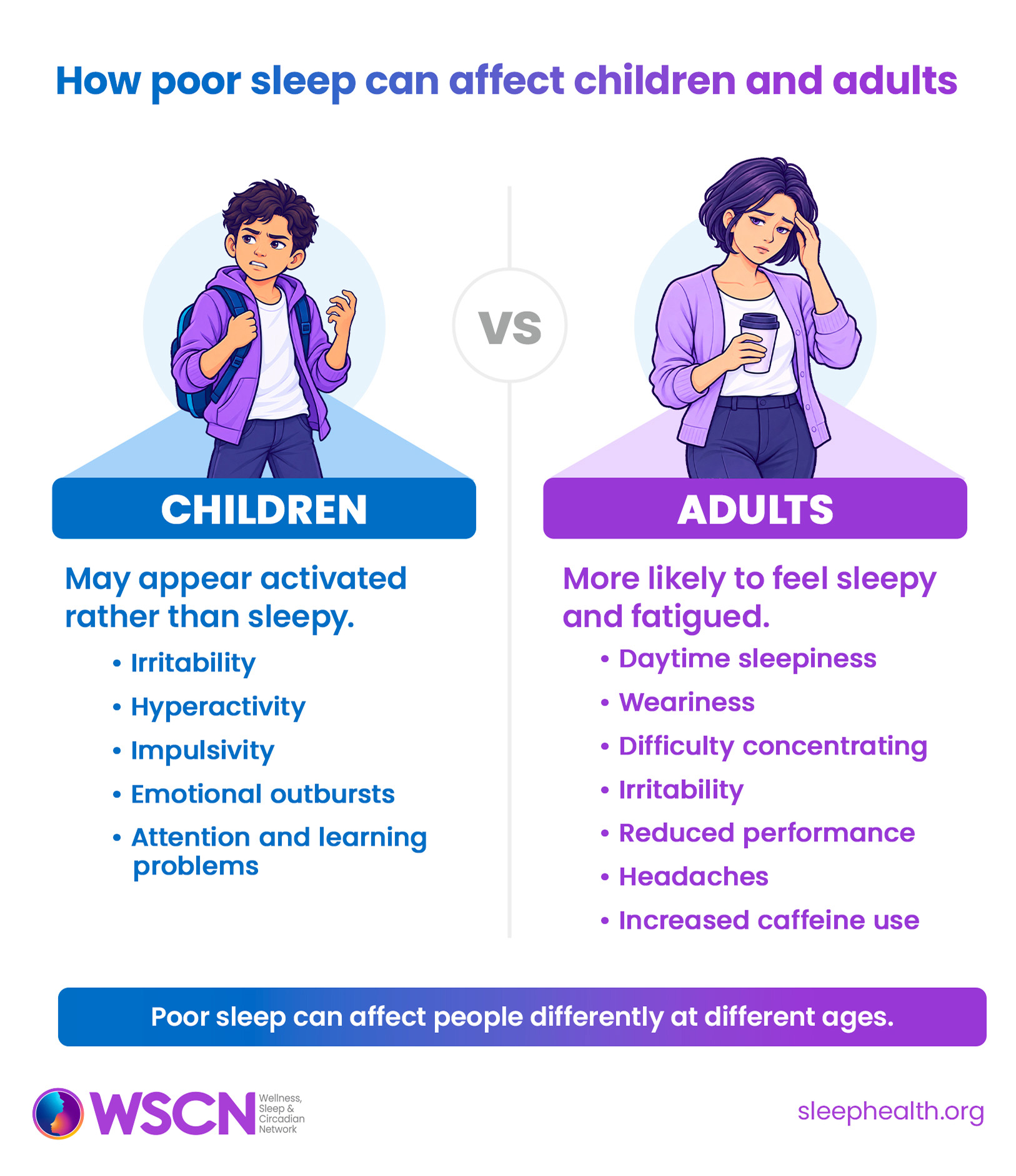
Children may show the effects of poor sleep through irritability, hyperactivity, or difficulty concentrating rather than obvious daytime sleepiness. These changes can affect learning and behavior throughout the day.

Caregivers play an important role in identifying and managing sleep difficulties in younger children. Older children and teenagers should also be involved in planning changes to their sleep routines.

Symptoms and evaluation

Pediatric insomnia can affect children differently depending on their age. Sleep difficulties often appear at bedtime or during the night, while their effects become noticeable the following day.

Nighttime Symptoms

Common signs include:

  • Difficulty falling asleep or taking a long time to settle
  • Repeated bedtime resistance or leaving the bedroom
  • Frequent nighttime waking or needing help to return to sleep
  • Waking earlier than intended

Daytime Symptoms

Children may also experience:

  • Difficulty waking or feeling tired during the day
  • Irritability or emotional outbursts
  • Hyperactivity or difficulty concentrating
  • Anxiety or changes in mood
  • Problems with learning or school performance

Persistent sleep difficulties can also affect family routines and disrupt sleep for parents or caregivers.

Because these symptoms can have several causes, it is helpful to consider both nighttime sleep patterns and how the child functions during the day.

Risk factors and contributors

Several factors can contribute to insomnia in children. These may involve underlying health conditions or daily routines that interfere with falling or staying asleep.

Common contributing factors include:

  • Emotional health: Anxiety, stress, or emotional distress can make it harder for children to settle at bedtime.
  • Neurodevelopmental conditions: Children with ADHD, autism, or intellectual disabilities may experience more frequent sleep difficulties.
  • Physical health conditions: Asthma, eczema, epilepsy, or other conditions that cause discomfort can disrupt sleep.
  • Sleep environment: Noise, excessive light, or other disturbances can interfere with sleep.
  • Daily schedules: Inconsistent bedtimes, school demands, or changes in family routines can affect sleep patterns.
  • Caffeine and medications: Energy drinks and certain medications can interfere with sleep, particularly in older children and teenagers.

Identifying factors that contribute to sleep difficulties can help families and healthcare professionals develop an appropriate treatment plan and establish healthier sleep routines.

Treatment and management

Treatment for pediatric insomnia depends on the child’s age and the factors affecting their sleep. Behavioral approaches are usually the first step and can help children develop healthier sleep patterns without medication.

Helpful strategies include:

  • Establish a consistent bedtime routine: Predictable activities before bed can help children settle and prepare for sleep.
  • Maintain regular sleep schedules: Consistent bedtimes and waking times help support healthy sleep and circadian rhythms.
  • Address bedtime difficulties: Age-appropriate behavioral approaches can help children who resist bedtime or have difficulty falling asleep without caregiver support.
  • Create a supportive sleep environment: Keep bedrooms comfortable and quiet, with limited bright light and screen use before bedtime.
  • Treat underlying conditions: Address anxiety, pain, or other health problems that interfere with sleep.
  • Consider cognitive behavioral therapy for insomnia (CBT-I): This structured approach can help older children and teenagers change thoughts and behaviors that contribute to persistent sleep difficulties.

Medication Considerations

Sleep medications are generally not the first choice for treating pediatric insomnia. Melatonin may be considered in selected cases, particularly when sleep timing is disrupted, but it should only be used after discussing potential benefits and risks with a healthcare professional.

Treatment should reflect the child’s developmental needs and family circumstances. With appropriate support and consistent routines, many children can develop more reliable sleep patterns and improve their daytime functioning.

When to talk to a healthcare professional

You do not need to know what is causing your child’s sleep difficulties before asking for help. Talk with a pediatrician if sleep problems persist, disrupt family life, or begin to affect your child’s mood, learning, or daily activities.

Many childhood sleep problems can be treated with age-appropriate behavioral approaches and changes to daily routines. Getting support can help identify what is affecting your child’s sleep and find an approach that works for your family.

Red Flags: Seek prompt or urgent help if:

  • Your child has repeated breathing pauses, gasping, or choking during sleep
  • Your child experiences unusual nighttime movements that could indicate seizures
  • Severe daytime sleepiness makes it difficult for your child to function safely
  • Your child experiences significant changes in mood or behavior, including thoughts of self-harm
  • Sleep difficulties begin suddenly after a medication change or alongside new or worsening health symptoms

Severe breathing difficulties, prolonged seizures, or immediate concerns about your child’s safety require emergency medical care. Other persistent or worsening symptoms should be discussed promptly with a healthcare professional.

What to expect during evaluation

A pediatrician will review your child’s sleep habits and medical history. Keeping a sleep diary for one to two weeks can help identify patterns and possible contributing factors.

A sleep study is generally not needed for insomnia alone but may be recommended if another sleep disorder is suspected.

Conditions that may be confused with pediatric insomnia

Several conditions can cause sleep difficulties similar to pediatric insomnia. Identifying the underlying cause can help ensure children receive appropriate treatment.

Conditions that may resemble or occur alongside insomnia include:

  • Insufficient sleep: Children may not get enough sleep because of daily schedules or limited time available for sleep.
  • Circadian rhythm sleep-wake disorders: A delayed body clock can make it difficult for teenagers to fall asleep at conventional bedtimes.
  • Other sleep disorders: Sleep apnea, restless legs syndrome, and sleep terrors can disrupt nighttime sleep.
  • Medical conditions: Pain, seizures, and certain medications can interfere with falling or staying asleep.
  • Mental health conditions: Anxiety, depression, and trauma-related distress can contribute to sleep difficulties.

Poor sleep can also cause hyperactivity and difficulty concentrating, which may resemble ADHD symptoms. Conversely, ADHD itself and some medications used to treat it can interfere with sleep.

A healthcare professional can help distinguish insomnia from other causes of sleep difficulties, particularly when symptoms persist despite adequate opportunity for sleep.

For more information, see our page on Insomnia in adults.

References


Medical disclaimer
This article is for educational purposes only and is not intended to replace professional medical advice, diagnosis, or treatment. Speak with a qualified healthcare professional about questions or concerns related to your sleep. Read full medical disclaimer
Continue reading

Pediatric Sleep Disorders

Children and teens can develop many of the same sleep and circadian disorders as adults, but their causes, symptoms, consequences, and treatment often differ. This page discusses some of the ways pediatric sleep and circadian disorders differ from adult disorders, and why sleep and circadian health matter for your child.

How pediatric sleep disorders differ from adults

  • Development matters. Sleep needs, nap patterns, circadian timing, and the ability to settle independently change substantially from infancy through adolescence. Some behaviors such as night waking in infants or occasional sleepwalking in young children may be developmentally typical rather than disorders.
  • Symptoms can look different. Instead of appearing sleepy or drowsy, a sleep-deprived child may be irritable, impulsive, unusually active, or have difficulty concentrating. Sleep problems may therefore resemble or worsen behavioral, emotional, neurodevelopmental, or learning difficulties.
  • Family and environment play a larger role. Bedtime routines, caregiver responses, school schedules, housing conditions, noise, light exposure, stress, and family circumstances can all shape a child’s sleep. Assessment and treatment often involve the whole household.
  • Causes may differ. For example, obstructive sleep apnea in children is frequently related to enlarged tonsils or adenoids, although obesity and certain medical or craniofacial conditions can also increase risk.⁠
  • Treatment must be age-appropriate. Behavioral and schedule-based approaches are especially important. Medication decisions require additional caution because pediatric evidence, dosing, and long-term safety may be limited.
  • Consequences affect development. Persistent sleep disruption can interfere with mood, behavior, learning, growth, physical health, and relationships.

When to seek help

If you are concerned about your child’s sleep, daytime activity and/or wellbeing, or your intuition is telling you that something is not right with your child, then it is appropriate to seek help from a pediatrician or equally qualified health professional. You do not need to know the causes of your concern or what the diagnosis is to seek care, nor do you need to wait until symptoms are severe. Early assessment and detection of sleep and circadian disorders can help you ensure your child has the best opportunity to be healthy across all 24 hours, and to grow and develop with the best support possible.

Treatment and management

There are many treatment options for pediatric sleep disorders, and support is available. Speaking with your pediatric specialist is a great place to start.

You can explore details about treatment and management approaches for your child on the condition-specific pages linked above.

References


Medical disclaimer
This article is for educational purposes only and is not intended to replace professional medical advice, diagnosis, or treatment. Speak with a qualified healthcare professional about questions or concerns related to your sleep. Read full medical disclaimer

Continue reading

Irregular Sleep-Wake Rhythm Disorder

Irregular sleep-wake rhythm disorder (ISWRD) is a circadian rhythm sleep-wake disorder in which sleep and wakefulness are broken into several short, unpredictable periods across the day and night. There is no clear main sleep period. A person may be awake much of the night and sleep repeatedly during the day, or the other way around. They may also sleep for short periods during both day and night.

ISWRD is not a lack of effort or simply an inconsistent routine. It most often occurs with conditions that weaken the brain’s circadian timing system, especially Alzheimer disease and other dementias. Evaluation can clarify the pattern, identify other contributors, and guide care that supports sleep, alertness, safety, and participation throughout the day.

Overview

  • ISWRD causes sleep and wakefulness to occur in multiple short periods without a stable day-night pattern.
  • Symptoms may include nighttime insomnia with only short bouts of sleep, repeated daytime sleep, sleepiness, and difficulty sustaining alertness.
  • The disorder is most often associated with dementias, but it may also occur after brain injury or with other neurological conditions.
  • Diagnosis uses history plus a sleep diary and often actigraphy across at least 7 to 14 days.
  • Treatment aims to strengthen the contrast between day and night and set up consistent timing cues, while addressing health, medication, environmental, and safety factors.
  • Evidence is limited, so care should be individualized and regularly reviewed.

ON THIS PAGE

About Irregular Sleep-Wake Rhythm Disorder

The circadian system coordinates sleep and alertness with light and darkness, activity, meals, social contact, hormones, body temperature, and other daily rhythms. In ISWRD, that organizing signal is weakened or cannot reliably produce a consolidated period of sleep and a consolidated period of wakefulness.

Sleep may still add up across 24 hours, but it is divided into several episodes rather than taking place across one larger consolidated block.

The disorder is most often associated with dementia, but it may also occur after brain injury or with other neurological conditions that result in altered body clock regulation.

Signs and Symptoms

The pattern can vary from day to day. A person, family member, or caregiver may notice:

  • Sleep spread across the day and night, rather than one main nighttime period
  • Difficulty falling or staying asleep at night, sometimes with wandering, calling out, or agitation
  • Frequent or prolonged daytime naps, or unplanned sleep during daily activities
  • Reduced attention, activity, or social participation
  • Mood or behavior changes that worsen with fragmented sleep
  • Increased safety risks during walking, cooking, driving, or other tasks requiring alertness

Screening and Diagnosis

Diagnosis looks for a chronic or recurring irregular sleep-wake pattern, usually lasting at least three months, that causes insomnia symptoms, excessive sleepiness, distress, or impaired function. Because dementia or another neurological condition may affect recall, observations from a family member or caregiver can be important.

Assessment may include:

  • A sleep diary for 14 days, including sleep, naps, alertness, light exposure, meals, activity, and nighttime care
  • Wrist actigraphy to estimate sleep, rest and activity across multiple days and nights
  • Review of cognitive or neurological symptoms, mobility, pain, mood, medications, caffeine, alcohol, and other substances
  • Review of the home or care environment, including daytime light, nighttime noise and care interruptions, and opportunities for activity and social contact
  • Evaluation for sleep apnea, restless legs syndrome, medication effects, depression, delirium, insufficient sleep, or another circadian disorder

An overnight sleep study is not usually conducted, as it does not show the full multi-day pattern. However, it may be used when another sleep disorder is suspected.

When to talk with a healthcare professional

A person does not need to know the name or exact nature of a condition before asking for help. If a person experiences any of the symptoms above, it is appropriate to discuss them with a healthcare professional. 

Red Flag: Seek urgent medical care if symptoms or sleep loss are affecting a person’s ability to drive or work safely, or is causing severe distress or thoughts of self-harm.

What to bring to a doctor’s visit

A primary care physician is a good place to start for a sleep disorder evaluation. They can conduct preliminary screenings and recommend next steps for diagnosis. It can be helpful to bring information to an initial visit: try using WSCN’s Preparing to meet your healthcare provider checklist.

Causes, Risk Factors, and Health Implications

Causes and risk factors

ISWRD usually reflects reduced strength or coordination of the circadian timing system. Factors may include:

  • Neurodegenerative disease: Alzheimer disease and other dementias can affect the brain’s master circadian clock and the pathways that carry light information.
  • Brain or neurological injury: Traumatic brain injury, stroke, tumors, or other disorders may disrupt circadian pathways.
  • Aging-related changes: Circadian signals may become less robust with age, particularly when neurological disease is present.
  • Weak daytime cues: Limited daylight, low activity, irregular meals, social isolation, or spending most of the day in bed can further blur day-night differences.
  • Nighttime disruption: Pain, breathing problems, urinary symptoms, noise, light, or care tasks may fragment sleep and reinforce daytime sleeping.
  • Medication or substance effects: Sedating or stimulating medicines, caffeine, alcohol, and medication timing can alter sleep and alertness.

These factors often interact and considering whole-person health is essential for planning effective treatment and management strategies.

Long-term health implications

Evidence specific to ISWRD is limited, and associated dementia or neurological disease may account for part of the risk. Persistent sleep-wake fragmentation may contribute to:

  • Safety risks: Falls, wandering, driving impairment, and errors may become more likely when alertness is unpredictable.
  • Mental and cognitive health: Fragmented sleep may worsen mood, agitation, attention, and daily cognitive function.
  • Heart and metabolic health: Repeated circadian disruption, low activity, and irregular meals may adversely affect blood pressure, glucose regulation, and appetite, although ISWRD-specific long-term risk is not well defined.
  • Physical function: Daytime sleep and reduced activity may contribute to deconditioning (physical and mental decline due to inactivity), loss of mobility, and reduced independence.
  • Caregiver and household health: Nighttime waking can disrupt caregiver sleep, increase stress, and affect the sustainability of care.
  • Quality of life: Symptoms may limit social connection, appointments, rehabilitation, and meaningful daytime activity.

Treatment and Management

The goal is usually a more stable rhythm with longer nighttime sleep and more sustained daytime alertness—not perfect sleep. Care should address the person’s underlying condition, abilities, living environment, and caregiver capacity. Taking a whole-person approach across all 24 hours can identify the best opportunities for optimizing health and wellbeing.

Options may include:

  • Stronger daytime cues: Regular morning and daytime light, physical activity, social contact, meals, and out-of-bed time can help distinguish day from night.
  • A quieter, darker night: Reduce avoidable light, noise, and interruptions while still meeting medical and safety needs.
  • Care for contributing conditions: Treat pain, nocturia (the need to urinate during the night), sleep apnea, mood symptoms, medication effects, and other causes of fragmented sleep.
  • Clinician-guided light treatment: Trials in people with dementia suggest that appropriately delivered daytime light may improve sleep, mood, or behavior, but results vary and the best timing and dose are not settled.
  • Medication review: Sleep-promoting medicines can increase confusion, falls, or daytime sedation in some older adults. Routine melatonin or hypnotic treatment for older adults with dementia and ISWRD is not advised because evidence of benefit is limited and harms are possible.
  • Selected prescription treatment: A small exploratory trial of lemborexant in people with Alzheimer disease and ISWRD reported improvements in some rest-activity measures, but this does not establish it as appropriate for every person. A clinician must weigh benefits against the risks of sedation, falls, medication interactions, and other risks.

Light treatment should be reviewed with a clinician when a person has eye disease, bipolar disorder, light-triggered migraine, or uses medicines that increase light sensitivity.

Living with irregular sleep-wake rhythm disorder

  • Track sleep, naps, alertness, light, activity, meals, symptoms, and safety concerns for at least two weeks.
  • Use a consistent but realistic daily structure; introduce changes gradually.
  • Schedule demanding tasks for the person’s most alert periods.
  • Build safe daytime movement and meaningful activity into the care plan.
  • Use night-lights, clear walking paths, door or motion alerts, and mobility support when appropriate.
  • Avoid driving or hazardous tasks during sleepy periods.
  • Share observations and care goals across family, home-care, and clinical teams.
  • Reassess the plan after illness, hospitalization, medication changes, or a change in living environment.

Progress may mean fewer long daytime sleep episodes, less nighttime disruption, or safer and more predictable routines. Persistent symptoms do not mean that the person or caregiver has failed.

Research and What We Are Still Learning

Research on ISWRD remains limited, and many studies include small groups of older adults with dementia rather than people with a confirmed ISWRD diagnosis. Recent light exposure studies report improvements in selected sleep, mood, behavior, or quality-of-life outcomes, but not every study improves the rest-activity rhythm itself.

Larger trials are needed to define who benefits, how light and activity should be timed, how treatment works outside residential care, and which outcomes matter most to patients and caregivers. Future studies should measure safety, daytime function, caregiver sleep, participation, and quality of life as well as nighttime sleep.

References


Medical disclaimer
This article is for educational purposes only and is not intended to replace professional medical advice, diagnosis, or treatment. Speak with a qualified healthcare professional about questions or concerns related to your sleep. Read full medical disclaimer

Continue reading

Non-24-Hour Sleep-Wake Rhythm Disorder

Non-24-hour sleep-wake rhythm disorder (non-24) is a circadian rhythm sleep-wake disorder. The body clock does not stay synchronized with the 24-hour day, so sleep and wake times gradually move around the clock. A person may cycle between periods of sleeping well and periods of nighttime insomnia, daytime sleepiness, and impaired function.

Non-24 sleep disorder is not a lack of effort or an irregular schedule by choice. It occurs most often in people who are totally blind and have no visible light perception, but it can also occur rarely in sighted people. Evaluation can identify the pattern, and treatment may help stabilize timing and improve function across the whole day.

Overview

  • Non-24 causes the sleep-wake cycle to drift because the circadian clock is not reliably synchronized to the 24-hour light-dark cycle.
  • Symptoms often come and go in a repeating pattern as the internal clock moves into and out of alignment with daily life.
  • Nighttime insomnia and daytime sleepiness may be two parts of the same changing circadian pattern.
  • The disorder is most common in people who are totally blind with no light perception; sighted non-24 is rare.
  • Diagnosis usually requires at least 14 days of sleep records plus actigraphy; specialized circadian testing may be helpful.
  • Treatment is individualized and may include precisely timed medication, light when appropriate, and consistent daily timing cues.

ON THIS PAGE

About Non-24-Hour Sleep-Wake Rhythm Disorder

The circadian system coordinates sleep and alertness with hormone release, body temperature, digestion, metabolism, and other daily functions. Most human internal body clocks naturally run around 10-18 minutes longer than the 24 hour day. Light reaching specialized cells in the eyes is the strongest signal that resets the clock each day and keeps us aligned with the earth’s day/night cycles.

In non-24, this daily reset is not strong enough or does not occur. The internal day usually runs longer than 24 hours, so sleep and wake times drift later over successive days. Less often, they may move earlier. The amount of drift varies and may not be obvious without several weeks of tracking.

The changing pattern distinguishes non-24 from a stable late schedule. When the internal night overlaps with a person’s intended bedtime, sleep may be relatively easy and refreshing. As it drifts away, the same person may be unable to sleep at night and may struggle to stay awake during work, meals, travel, or social activities.

Signs and Symptoms

Symptoms may appear in cycles lasting days or weeks, and include:

  • Difficulty falling asleep, staying asleep, or waking at the needed time
  • Sleep and wake times that become progressively later, or occasionally earlier
  • Periods of satisfactory sleep followed by periods of severe disruption
  • Excessive daytime sleepiness or unplanned sleep
  • Fatigue, low energy, difficulty concentrating, or slowed reaction time
  • Changes in mood, irritability, or reduced motivation
  • Missed work, appointments, meals, medications, or social activities
  • Safety concerns with driving, mobility, cooking, caregiving, or hazardous work

Sleepiness means difficulty staying awake; fatigue means low energy or reduced capacity. Non-24 can cause either or both. Symptoms may seem inconsistent until sleep, alertness, light exposure, and daily demands are viewed across multiple 24-hour periods.

Screening and Diagnosis

Diagnosis looks for a recurring pattern of sleep-wake timing that is not synchronized to 24 hours and that causes insomnia, excessive sleepiness, distress, or impaired function. A clinician will ask about vision and light perception, sleep timing, free days versus scheduled days, daytime function, medications, substances, mental health, and other sleep symptoms.

Assessment may include:

  • A sleep diary for at least 14 days and sometimes several weeks
  • Wrist actigraphy to estimate sleep, rest, and activity over time
  • A light-exposure record or sensor, when available
  • Repeated measurements of melatonin or a melatonin metabolite in saliva or urine
  • Evaluation for other sleep and circadian disorders

An overnight sleep study does not diagnose the drifting circadian pattern. It may be used when another sleep disorder is suspected. 

When to talk with a healthcare professional

A person does not need to know the name or exact nature of a condition before asking for help. If a person experiences any of the symptoms above, it is appropriate to discuss them with a healthcare professional. 

Red Flag: Seek urgent medical care if symptoms or sleep loss are affecting a person’s ability to drive or work safely, or is causing severe distress or thoughts of self-harm.

What to bring to a doctor’s visit

A primary care physician is a good place to start for a sleep disorder evaluation. They can conduct preliminary screenings and recommend next steps for diagnosis. It can be helpful to bring information to an initial visit: try using WSCN’s Preparing to meet your new healthcare provider checklist..

Causes, Risk Factors, and Health Implications

Causes and risk factors

The main established cause is failure of environmental time cues – especially light – to reset the circadian clock each day.

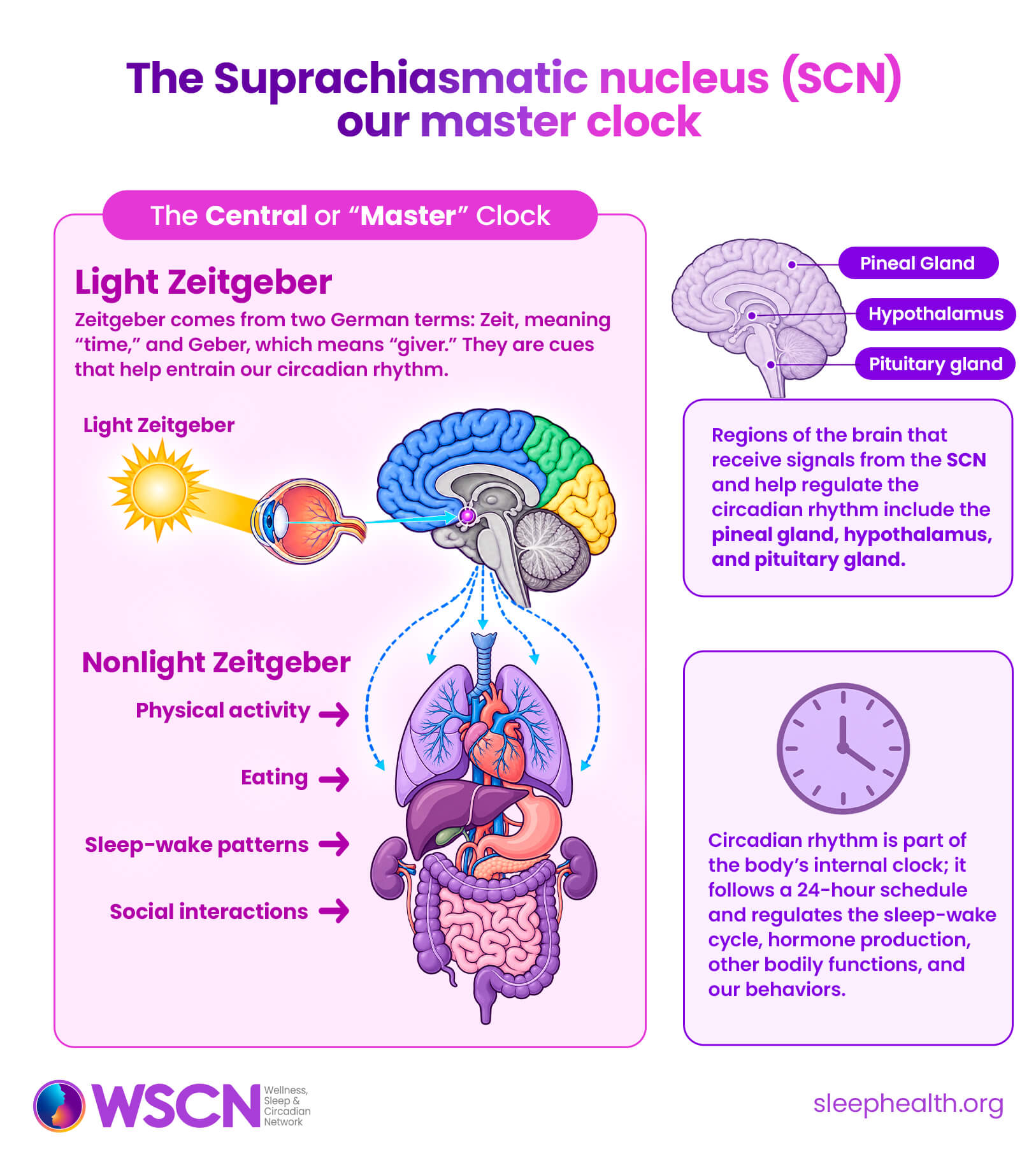
  • Total blindness without light perception: Damage to the eyes or light-signaling pathway can prevent the internal master body clock (the suprachiasmatic nucleus, or SCN) from receiving a reliable light-dark signal, which means it is unable to align to normal day/night rhythms. Risk differs by the cause of blindness; not every totally blind person develops non-24.
  • Sighted non-24: This is rare and not fully understood. Reported contributors include an unusually long internal circadian period, a previous delayed sleep pattern, limited or poorly timed light exposure, and weak or irregular daily time cues.
  • Neurological, developmental, or environmental factors: Brain injury, neurodevelopmental conditions, severe mental illness, limited mobility, or highly isolated routines may contribute in some people, but an individual assessment is needed.

Long-term health implications

Long-term disease-specific evidence for non-24 remains limited. Concern is greatest when repeated misalignment causes chronic sleep loss, irregular meals and medication timing, or prolonged impairment.

  • Safety: Sleepiness and reduced alertness may increase driving, workplace, mobility, and household risks.
  • Mental health: Recurrent insomnia, isolation, and unpredictable function may worsen distress, depression, or anxiety.
  • Metabolic health: Repeated circadian misalignment may disrupt glucose regulation, appetite, and meal timing.
  • Heart health: Broader laboratory research links circadian misalignment with changes in blood pressure and inflammatory or metabolic cardiovascular risk markers, although individual risk from non-24 is not yet known.
  • Daily function and quality of life: Symptoms may affect employment, healthcare access, relationships, and the ability to keep essential routines.

Treatment and management

The goal is usually entrainment: keeping the internal clock synchronized to a 24-hour schedule. Treatment timing is critical. Melatonin, melatonin-receptor medicines, or light used at the wrong circadian time may be ineffective or shift the clock in an unwanted direction. Taking a whole-person approach across all 24 hours can identify the best opportunities for optimizing health and wellbeing.

Options may include:

  • Tasimelteon: This prescription melatonin-receptor agonist is approved in the United States for adults with non-24. Trials in totally blind adults found that some participants achieved entrainment and that continued treatment was generally needed to maintain it.
  • Melatonin: Clinician-guided, precisely timed melatonin may help some blind adults. Product quality, dose, timing, side effects, and interactions matter. AASM guidance supports strategically timed melatonin for blind adults with non-24, but the recommendation is based on limited evidence.
  • Timed light: Bright light may help some sighted people or people with a functioning circadian light pathway. Timing should be planned carefully, and eye disease, bipolar disorder, light-sensitive conditions, and photosensitizing medications require clinical review.
  • Stable daily timing cues: A consistent wake time, meals, activity, social contact, and medication schedule may reinforce the plan. These supports do not replace circadian treatment.
  • Care for related conditions: Treating sleep apnea, insomnia, mood symptoms, medication effects, or other conditions can improve overall sleep and function.

Living with non-24

  • Track sleep, naps, alertness, light exposure, meals, medications, and safety concerns before and during treatment
  • Use reminders or accessible tools to support consistent timing, especially when symptoms are severe
  • Discuss predictable shifts, flexible start times, remote work, transportation help, or disability accommodations when appropriate
  • Avoid hazardous tasks when sleepy
  • Involve a trusted support person for maintaining routines

Non-24 often requires ongoing management. Difficulty maintaining entrainment is not a failure; the treatment plan may need adjustment from time to time.

Research and What We Are Still Learning

Researchers are working to improve home-based circadian measurement, identify who is most likely to respond to each treatment, and understand non-24 in sighted people. Larger independent trials are needed, particularly for melatonin, light-based approaches, combination treatment, long-term outcomes, and accessibility-centered care. Studies should measure daytime function, safety, mental health, participation, and quality of life—not only clock timing.

References


Medical disclaimer
This article is for educational purposes only and is not intended to replace professional medical advice, diagnosis, or treatment. Speak with a qualified healthcare professional about questions or concerns related to your sleep. Read full medical disclaimer

Continue reading

Advanced and Delayed Sleep-Wake Phase Disorders

Advanced and delayed sleep-wake phase disorders shift the body’s preferred sleep period much earlier or later than the schedule a person needs or wants. Sleep may be normal in quality and length when a person follows their preferred timing, but work, caregiving, healthcare, and social schedules may force sleep and wakefulness at biologically difficult times.

These are circadian rhythm sleep-wake disorders, not a lack of discipline. Evaluation can clarify the pattern, and carefully timed treatment can improve sleep, daytime function, and safety across all 24 hours.

This page focuses on adults, but teenagers commonly experience a delayed sleep-wake phase tied to physiological changes during puberty. For more information, see Teen Delayed Sleep Phase.

Overview

  • Delayed sleep-wake phase disorder causes sleep and wake times that are persistently later than desired or required.
  • Advanced sleep-wake phase disorder causes sleepiness and waking that occur persistently earlier than desired or required.
  • The pattern becomes a disorder when it causes insomnia symptoms, excessive sleepiness, distress, or impaired daily function.
  • People often sleep better when allowed to follow their preferred schedule.
  • Diagnosis usually uses a clinical history, a sleep diary, and sometimes actigraphy across work and free days.
  • Treatment may combine carefully timed light and darkness, a realistic sleep schedule, behavioral support, and sometimes clinician-guided melatonin.

ON THIS PAGE

About Advanced and Delayed Sleep-Wake Phase Disorders

The circadian system is the body’s 24-hour timing system. It helps coordinate sleep and alertness, hormone release, body temperature, digestion, metabolism, and mood. Light is its strongest environmental timing cue, and it is supported by activity, exercise, and meal timing.

In delayed sleep-wake phase disorder (DSWPD), the main sleep period is shifted later. A person may be unable to fall asleep until very late and may struggle to wake for morning responsibilities but be able to sleep well on a later schedule. 

In advanced sleep-wake phase disorder (ASWPD), the main sleep period is shifted earlier. A person may become very sleepy in the early evening and wake much earlier than desired.

Chronotype is a person’s natural tendency to feel alert and sleepy at certain times—often described as being more of a “morning lark,” “night owl,” or somewhere in between. It reflects the timing of a person’s circadian clock, which regulates melatonin, body temperature, metabolism, and other daily rhythms. Genetics play an important role in determining a person’s chronotype, but it can also be affected by factors such as life-stage, light exposure, routines, medications, and other substances. 

Having an early or late preference is not automatically a disorder. The timing must be persistent and cause meaningful distress or impairment. ASWPD appears uncommon in sleep-clinic populations, and younger-onset advanced timing is often familial.

Signs and Symptoms

Delayed sleep timing

  • Difficulty falling asleep at the desired bedtime
  • Marked difficulty waking at the required time
  • Better sleep and easier waking on a later, self-selected schedule
  • Morning sleep inertia (difficulty waking), lateness, missed appointments, or reliance on repeated alarms
  • Sleepiness, reduced concentration, irritability, or fatigue after an early required wake time

Advanced sleep timing

  • Strong sleepiness in the early evening
  • Difficulty staying awake for evening activities
  • Waking very early and being unable to return to sleep
  • Better sleep on an earlier, self-selected schedule
  • Daytime fatigue after trying to stay awake later the previous night

Sleepiness means difficulty staying awake; fatigue means low energy or reduced capacity. A person may experience both. The full-day pattern matters: nighttime “insomnia” and daytime impairment may reflect a timing mismatch rather than an inability to sleep at any time.

Screening and Diagnosis

Diagnosis is based on a persistent pattern, usually present for at least three months, plus insomnia symptoms, and/or excessive daytime sleepiness, alongside meaningful functional impairment. A clinician may compare sleep on work days and free days and ask whether sleep improves on the preferred schedule.

Tools a clinician may use for diagnosis

A clinician may use one or more of the following tools to analyse sleep patterns against schedule demands and measure impairment to make a diagnosis:

  • A sleep diary for 14 days, which should include both days with scheduled sleep-wake times and free days 
  • Actigraphy, a wrist-worn device that measures sleep, rest and activity
  • Review of schedule; social and caretaking demands; morning and evening light exposure; medications; and use of other substances such as caffeine and alcohol
  • Review of nighttime symptoms like insomnia and daytime symptoms such as excessive daytime sleepiness
  • Circadian phase testing, such as dim-light melatonin onset (DLMO) may be used 
  • An overnight sleep study is generally reserved for suspected sleep apnea, movement disorders, parasomnias, or another sleep condition

Evaluation should also consider insomnia disorder, insufficient sleep, shift work, depression, bipolar disorder, medication or substance effects, and other causes of sleepiness or early waking.

When to talk with a healthcare professional

A person does not need to know the name or exact nature of a condition before asking for help. If a person experiences any of the symptoms above, it is appropriate to discuss them with a healthcare professional. 

Red Flag: Seek urgent medical care if symptoms or sleep loss are affecting a person’s ability to drive or work safely, or is causing severe distress or thoughts of self-harm.

What to bring to a doctor’s visit

A primary care physician is a good place to start for a sleep disorder evaluation. They can conduct preliminary screenings and recommend next steps for diagnosis. It can be helpful to bring information to an initial visit: try using WSCN’s Preparing to meet your new healthcare provider checklist.

Causes, Risk Factors, and Health Implications

Causes and risk factors

These disorders can reflect differences in the circadian clock, sensitivity to light, and how strongly daily cues keep the clock aligned. Family history can be important, especially for advanced timing. Rare variants in circadian clock genes have been reported in families with advanced or delayed phase disorders, although genetic testing is not part of routine diagnosis.

Factors that may contribute or maintain the misaligned circadian pattern include:

  • A strong evening or morning chronotype
  • Evening light and limited morning light for delayed timing
  • Limited evening light and very early morning light for advanced timing
  • Irregular sleep, meals, activity, or work schedules
  • Age-related changes in circadian timing
  • Depression, anxiety, ADHD, bipolar disorder, or other health conditions
  • Caffeine, alcohol, medications, or substances that alter sleepiness or alertness
  • Schedule demands that repeatedly shorten sleep

Long-term health implications

Direct long-term disease risk from DSWPD or ASWPD alone remains uncertain. Concern is greatest when persistent misalignment leads to chronic short sleep, irregular routines, or repeated attempts to function during biological night.

  • Safety: Sleepiness may increase driving, workplace, and household injury risk.
  • Mental Health: Ongoing misalignment and sleep loss may worsen mood, anxiety, and emotional regulation.
  • Metabolic Health: Irregular sleep and meal timing may adversely affect appetite, glucose regulation, and weight.
  • Heart Health: Chronic sleep loss and circadian disruption may contribute to blood pressure and cardiometabolic risk.
  • Daily Function: Symptoms may affect attendance, performance, relationships, and quality of life.

Note that these are possible risks, not predictions for every person.

Treatment and Management

The goal is to align sleep timing with the person’s natural rhythm to the extent possible, while meeting non-negotiable schedule demands and protecting adequate sleep, daytime function, and safety. Timing is central for sleep-wake phase disorders: light or melatonin can be very effective treatments, but used at the wrong time they can be ineffective or shift the clock in the unwanted direction. Taking a whole-person approach across all 24 hours can identify the best opportunities for optimizing health and wellbeing.

Timing-based care

  • For delayed timing: A clinician may recommend light after waking, less bright light in the evening, a stable wake time, and a gradual shift to earlier sleep and wake times. Specifically, it is beneficial to get as much sunlight (or bright artificial light, if sunlight is unavailable) early in the day.  Likewise, avoiding bright light and blue light in the evening can help advance sleep on-set at night.
  • For advanced timing: Carefully timed evening light may help shift the clock later; very early morning light may need to be reduced. Blackout curtains can help keep the bedroom dark and conducive to sleep even when the sun rises early.
  • For either pattern: Sleep opportunity, activity, meals, caffeine, and social routines can be timed to support the plan. Ensuring enough time for sleep and keeping a consistent sleep schedule may help regulate circadian timing. Morning caffeine can help improve morning alertness, but should be avoided in the late afternoon and evening. Exercise is also beneficial in generating energy for the day, but can interfere with sleep if done too late. 

Melatonin timing, dose, product quality, health conditions, and medication interactions matter and should be discussed with a clinician before use. Bright-light devices also require care in people with eye disease, bipolar disorder, light-sensitive conditions, or medications that increase light sensitivity.

Nighttime Blue Light Exposure – Does it Matter?

Blue light is short-wavelength visible light that is common in daylight, digital screen light, and many LEDs. It strongly activates specific cells in the eye, which signal the brain’s circadian clock towards wakefulness. In the evening, bright or prolonged blue-enriched light can suppress or delay melatonin production, increase alertness, and make the body less ready for sleep. Whilst blue light exposure is a popular theme, research indicates that other wavelengths of light may also have a similar effect of delaying sleep onset. Ideally avoiding extended exposure to any type of bright light in the evenings is the best approach.

Tips for evening light that promotes sleep:

  • Limit evening screen time
  • Dim screens and use the nighttime screen filters
  • Avoid overhead lights and cool bright lights in favor of low lamps with a dimmer and warm-colored low lux bulbs
  • Try using blue-light blocking glasses in the afternoon/evening

Living with advanced or delayed sleep timing

  • To identify triggers that may affect 24-hour patterns
  • Use a schedule that is consistent and realistic enough to maintain
  • Protect sufficient sleep rather than repeatedly forcing an early or late schedule that creates sleep debt
  • Discuss flexible start times, remote work, predictable shifts, or other work or school accommodations 
  • Avoid driving or hazardous work when sleepy
  • Plan for relapse after travel, illness, seasonal light changes, or schedule disruption. Shift sleep patterns back to an established routine gradually.

Research and What We Are Still Learning

Researchers are studying why similar sleep schedules cause impairment in some people but not others, how genetics and light sensitivity shape timing, and whether circadian phase can be estimated reliably outside a laboratory. Studies also suggest that the intrinsic circadian period may differ in some people with DSWPD, but this does not explain every case. 

Larger trials are needed to identify durable, practical treatments for both disorders, especially ASWPD. Important outcomes include alertness, mood, work function, safety, adherence, and quality of life—not only clock time.

References


Medical disclaimer
This article is for educational purposes only and is not intended to replace professional medical advice, diagnosis, or treatment. Speak with a qualified healthcare professional about questions or concerns related to your sleep. Read full medical disclaimer
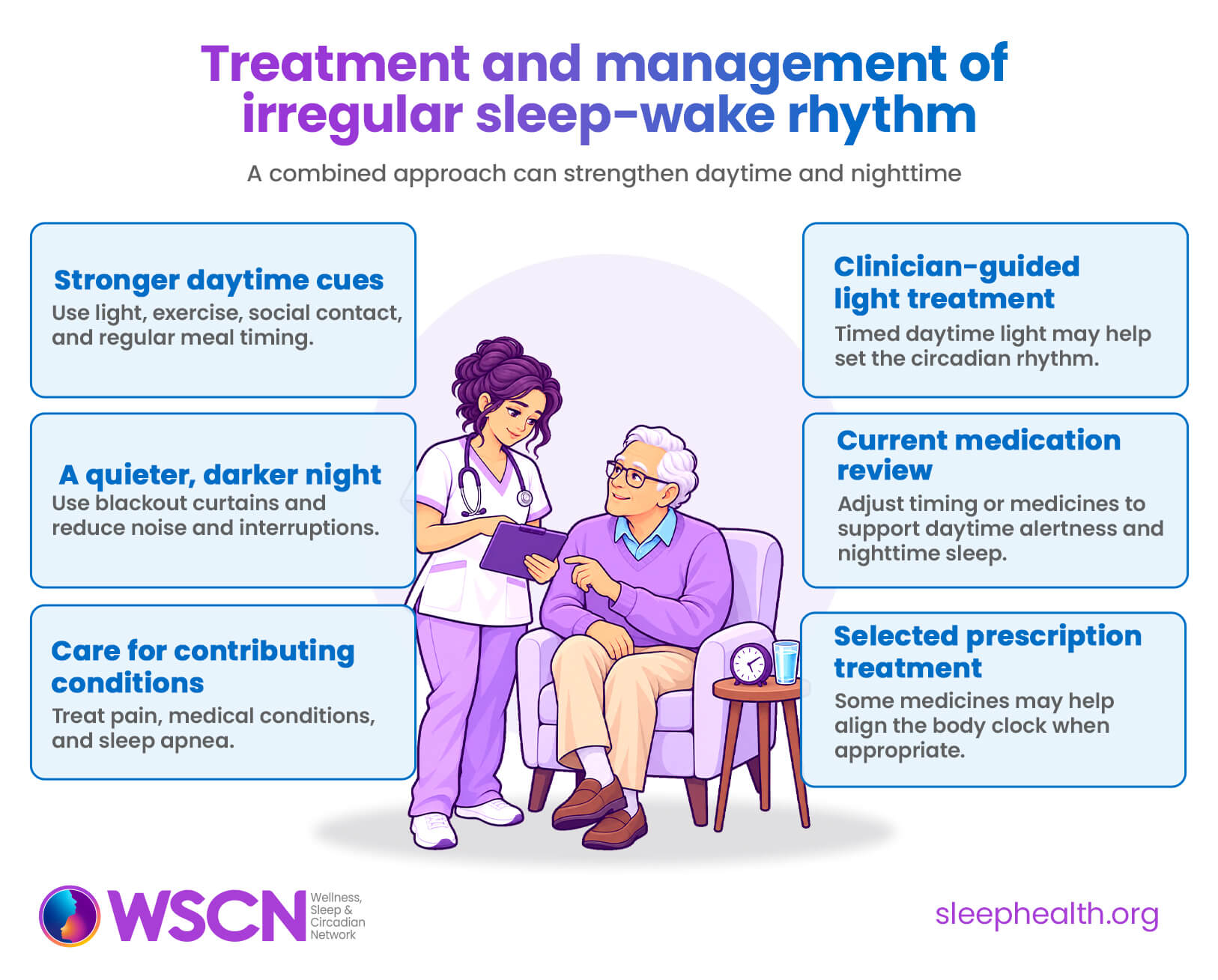
Continue reading