SEC Section: Sleep & Circadian Disorders

Jet Lag Disorder

Jet lag occurs when rapid travel across time zones leaves the body’s internal clock out of sync with local time. You may feel wide awake when it is time to sleep or struggle to stay alert during the day. Other common symptoms include fatigue, difficulty concentrating, and digestive discomfort.

Jet lag disorder develops when this mismatch causes sleep difficulties or excessive daytime sleepiness that interfere with daily activities. Symptoms usually improve as the body clock gradually adjusts to the new time zone.

Although jet lag cannot always be avoided, understanding how light exposure and sleep timing affect the body clock can help travelers reduce symptoms and adjust more comfortably.

Overview

  • Jet lag follows rapid travel across multiple time zones, when the body clock has not yet adjusted to local time.
  • Common symptoms include trouble sleeping, daytime sleepiness, fatigue, reduced concentration, mood changes, and digestive discomfort.
  • Travel direction, number of time zones, light exposure, sleep loss, and individual biology influence severity.
  • Diagnosis is usually based on the travel history, symptom timing, and daytime impact.
  • Carefully timed light, darkness, sleep, and sometimes melatonin can support adjustment, but incorrect timing may delay recovery.
  • Severe sleepiness is a safety concern – driving and other activities should be carefully considered.

ON THIS PAGE

About Jet Lag Disorder

The circadian system is the body’s internal 24-hour timing system. It helps regulate when we feel sleepy or alert and coordinates many other daily body functions. Light is the strongest signal that helps keep this system aligned with the day-night cycle.

When someone travels rapidly across time zones, local time changes immediately, but the body clock adjusts more gradually. As a result, a person may feel alert when it is time to sleep or sleepy when they need to be awake. Sleep loss during travel and unfamiliar surroundings can make these symptoms worse.

Jet lag disorder is a type of circadian rhythm sleep-wake disorder. It generally occurs after crossing at least two time zones and involves sleep difficulties or excessive daytime sleepiness that interfere with daily functioning.

The direction of travel also affects how the body adjusts. Eastward travel usually requires the body clock to shift earlier, which tends to be more difficult. Westward travel generally requires a later shift, which is often easier for the body to manage. However, the number of time zones crossed and individual differences also influence the severity and duration of symptoms.

Most people gradually adjust to the new time zone as their body clock becomes aligned with local time.

Social Jet Lag

Social jet lag occurs when a person’s sleep schedule is out of sync with their body’s internal clock, often because work or school schedules differ from their natural sleep preferences. For example, someone who wakes early during the week but sleeps and wakes several hours later on weekends may experience social jet lag.

Unlike travel-related jet lag, social jet lag does not involve crossing time zones. However, regularly shifting between different sleep schedules can make it harder to fall asleep or wake at the desired times. It can also affect daytime alertness and mood.

Research has linked greater social jet lag with poorer sleep and increased metabolic health risks, although these associations do not establish that social jet lag directly causes disease.

Maintaining reasonably consistent sleep and wake times throughout the week can help reduce social jet lag.

Signs and Symptoms

Jet lag symptoms vary depending on the direction of travel, the number of time zones crossed, and how much sleep someone gets during the journey. They can affect both sleep and daytime functioning.

During the intended sleep period

  • Difficulty falling asleep at local bedtime
  • Feeling alert at night because the body clock remains closer to home time
  • Waking earlier than intended or waking repeatedly
  • Sleep that feels short, light, or unrefreshing

During waking hours

  • Excessive sleepiness or unintended dozing
  • Fatigue or reduced physical capacity
  • Slower attention, memory, reaction time, or decision-making
  • Irritability, low mood, or reduced motivation
  • Headache, digestive discomfort, appetite changes, or general malaise
  • Reduced work, athletic, social, or caregiving function

Sleepiness and fatigue are not the same. Sleepiness means having difficulty staying awake, while fatigue refers to feeling physically or mentally drained. People with jet lag often experience both.

Symptoms usually improve as sleep, light exposure, meals, and activity become aligned with destination time.

Screening and Diagnosis

Jet lag is usually easy to recognize because symptoms develop after traveling across time zones. Most people do not need a medical evaluation or formal diagnosis, as symptoms generally improve once the body clock adjusts to local time.

When symptoms are unusually severe or last longer than expected, a healthcare professional may review the travel history and sleep patterns to determine whether jet lag or another condition is responsible. Specialized sleep testing is rarely needed.

When to talk with a healthcare professional

You do not need to know what is causing your sleep difficulties before asking for help. Talk with a healthcare professional if symptoms persist longer than expected, become unusually severe, or begin to affect your health or daily life.

Jet lag usually improves as the body clock adjusts to local time. If sleep problems continue well beyond your trip or occur without recent time-zone travel, a healthcare professional can help identify other possible causes.

Red Flag: Seek prompt or urgent help if:

  • You are falling asleep while driving or performing activities where sleepiness could put you or others at risk
  • Severe sleepiness makes it difficult to function safely during the day
  • You experience sudden confusion, fainting, or other new neurological symptoms.You experience overwhelming distress or thoughts of self-harm

Avoid driving or other hazardous activities when you cannot remain alert. Seek emergency care for sudden severe neurological symptoms or if you are in immediate danger of harming yourself.

What to bring to a doctor’s visit

A primary care physician is a good place to start for a sleep disorder evaluation. They can conduct preliminary screenings and recommend next steps for diagnosis. It can be helpful to bring information to an initial visit: try using WSCN’s Preparing to meet your new healthcare provider checklist.

Causes, Risk Factors, and Health Implications

Causes and risk factors

Jet lag occurs when rapid travel across time zones causes the body’s internal clock to fall out of sync with local time. Several factors can influence how severe symptoms become and how long they last.

These include:

  • Number of time zones crossed: Traveling across more time zones generally creates a greater mismatch between the body clock and local time.
  • Direction of travel: Eastward travel is often more difficult because the body clock usually needs to shift earlier. Westward travel generally requires a later shift, which is often easier.
  • Sleep loss during travel: Getting too little sleep before or during a journey can increase fatigue and daytime sleepiness.
  • Light exposure: Exposure to light at the wrong time can delay the body’s adjustment to a new time zone.
  • Individual differences: People vary in their natural sleep timing and how quickly their body clocks adjust.
  • Travel frequency: Frequent long-distance travel with little recovery time can lead to repeated sleep and circadian disruption.
  • Other contributing factors: Stress, illness, alcohol, and certain medications can worsen sleep difficulties during travel.

Not everyone experiences jet lag in the same way. Understanding which factors contribute to symptoms can help travelers plan ahead and make adjustments that support recovery.

Treatment and Management

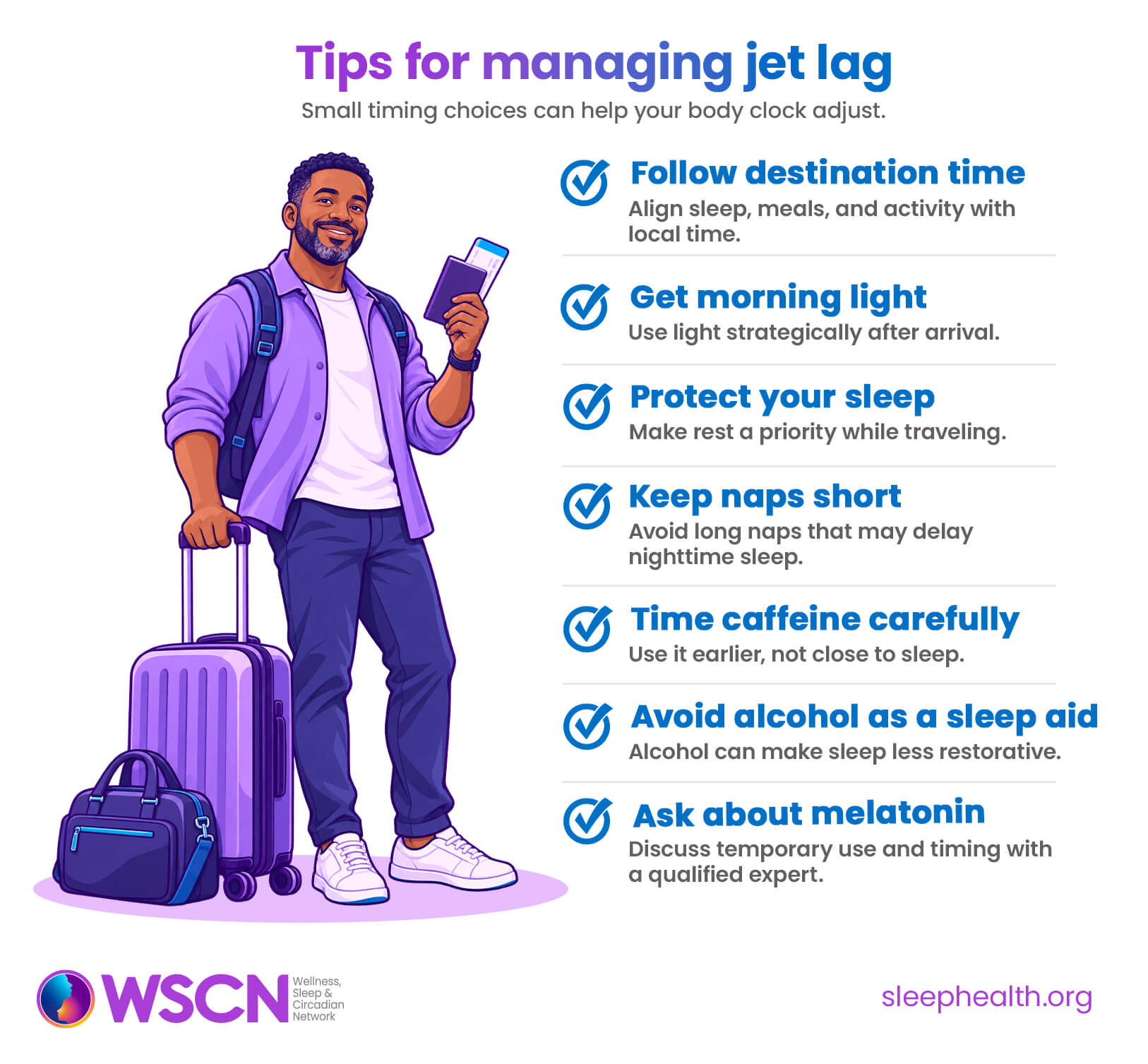
Jet lag usually improves as the body clock adjusts to the new time zone. Several strategies can help reduce symptoms and make this adjustment easier. The goal is to support the body’s natural rhythms while protecting sleep and daytime alertness.

Before travel

  • Preparing for a time-zone change can help reduce jet lag symptoms, particularly for longer journeys.
  • Get enough sleep: Avoid starting your trip already sleep-deprived.
  • Adjust your sleep schedule: When practical, gradually move bedtime and wake time earlier before eastward travel or later before westward travel.
  • Plan for the time difference: Consider your arrival time and the number of time zones crossed when planning sleep and activities.
  • Review medication schedules: If you take medications at specific times, ask your healthcare professional or pharmacist whether adjustments are needed.

During travel and after arrival

Once you arrive, the focus shifts to helping your body clock adjust while managing sleepiness safely.

  • Time your light exposure: Daylight can help reset the body clock, but the best time for exposure depends on your journey. Poorly timed light can delay adjustment, particularly after crossing many time zones.
  • Follow local time: For longer trips, try to align sleep and daily activities with the destination’s schedule.
  • Protect your sleep: Keep your sleeping environment quiet, dark, and comfortable.
  • Use naps strategically: Short naps can temporarily improve alertness, but long or late naps can make it harder to sleep at the intended bedtime.
  • Manage caffeine and alcohol: Caffeine can improve alertness temporarily but may interfere with sleep if consumed too late. Alcohol can disrupt sleep and worsen next-day fatigue.
  • Keep regular meal times: Eating at local meal times can help establish a consistent daily routine, although light remains the strongest signal for adjusting the body clock.

Consider melatonin when appropriate: Melatonin can help shift the body clock when taken at the right time. Incorrect timing may delay adjustment. Ask a healthcare professional or pharmacist whether it is suitable for you, especially if you take other medications.
Living with frequent jet lag

Frequent travelers may benefit from recording routes, sleep, light exposure, melatonin or caffeine use, symptoms, and recovery time, and work out what helps or hinders jet lag symptoms. The aim is to identify a repeatable plan to optimize wellbeing.

For short trips, maintaining part of the home schedule may sometimes be more practical than fully shifting and then shifting back. For longer trips, early alignment with destination time is usually more useful. 

Timing Travel, Circadian Rhythms, and Medications

Crossing time zones can make it difficult to maintain regular medication schedules. This is particularly important for medicines that must be taken at specific times or intervals to remain safe and effective.

If you take prescription medications, talk with your healthcare professional or pharmacist before traveling. They can help determine whether your dosing schedule needs to change and how to make the adjustment safely.

Do not change medication timing on your own, especially for medicines where missed or incorrectly timed doses could affect your health.

Research and What We Are Still Learning

Researchers are exploring how to personalize jet lag management based on individual sleep patterns, travel schedules, and the body’s internal clock. They are also studying whether wearable devices can help guide light exposure and track how quickly travelers adjust to new time zones.

Another area of research focuses on combining carefully timed light exposure and melatonin to improve recovery. Researchers want to understand which approaches work best for different travel directions and how to reduce symptoms without disrupting sleep further.

Although several strategies show promise, much of the available research comes from small studies or simulated time-zone changes rather than actual travel. Larger studies involving more diverse groups of travelers are needed to determine how well these approaches work in everyday life.

References


Medical disclaimer
This article is for educational purposes only and is not intended to replace professional medical advice, diagnosis, or treatment. Speak with a qualified healthcare professional about questions or concerns related to your sleep. Read full medical disclaimer

Continue reading

Shift Work Disorder

Shift work means working hours that fall outside a standard daytime schedule. It includes night shifts, evening shifts, early morning starts, rotating schedules, split shifts, on-call work, and irregular or unpredictable hours. Shift work can place the body’s sleep and circadian rhythms under pressure.

The human body clock is organized around a roughly 24-hour cycle that is anchored largely by light. Shift work asks a person to be alert when the body clock is promoting sleep, and to sleep when the body clock is promoting wakefulness. This mismatch is called circadian misalignment.

Many people work shifts for years and manage reasonably well. Others experience persistent sleepiness at work, short or broken daytime sleep, and difficulty functioning across the rest of the day. When these symptoms are ongoing and significant, they may meet the criteria for shift work disorder, which is a recognized circadian rhythm sleep-wake disorder.

Overview

  • Shift work is a work schedule, not a sleep disorder, but it can disrupt both sleep timing and sleep quality.
  • Night and rotating schedules ask the body to work against its internal clock, which reduces alertness at work and shortens sleep at home.
  • The body clock does not simply adjust to night work. Most night workers never fully adapt.
  • Shift work disorder is diagnosed when insomnia, excessive sleepiness, or both persist in connection with a shift schedule and cause significant impairment.
  • Symptoms extend across the whole 24 hours, affecting attention, mood, metabolic and cardiovascular health, driving safety, and family life.
  • Effective strategies exist, including planned sleep and napping, timed light exposure, timed melatonin, careful caffeine use, and in some cases prescribed medication.
  • Individual tolerance varies considerably, and difficulty coping with shift work is not a personal failing.

ON THIS PAGE

About Shift Work and Shift Work Disorder

Shift work is essential to healthcare, transport, manufacturing, emergency services, hospitality, and many other sectors. The purpose of this page is to explain what happens to sleep and circadian health during shift work, what can be done to optimize wellbeing, and when to seek help.

Our sleep is controlled by two systems that work together. The first is our sleep drive, which builds the longer we stay awake. The second is our internal body clock, which helps regulate when we naturally feel sleepy or alert.

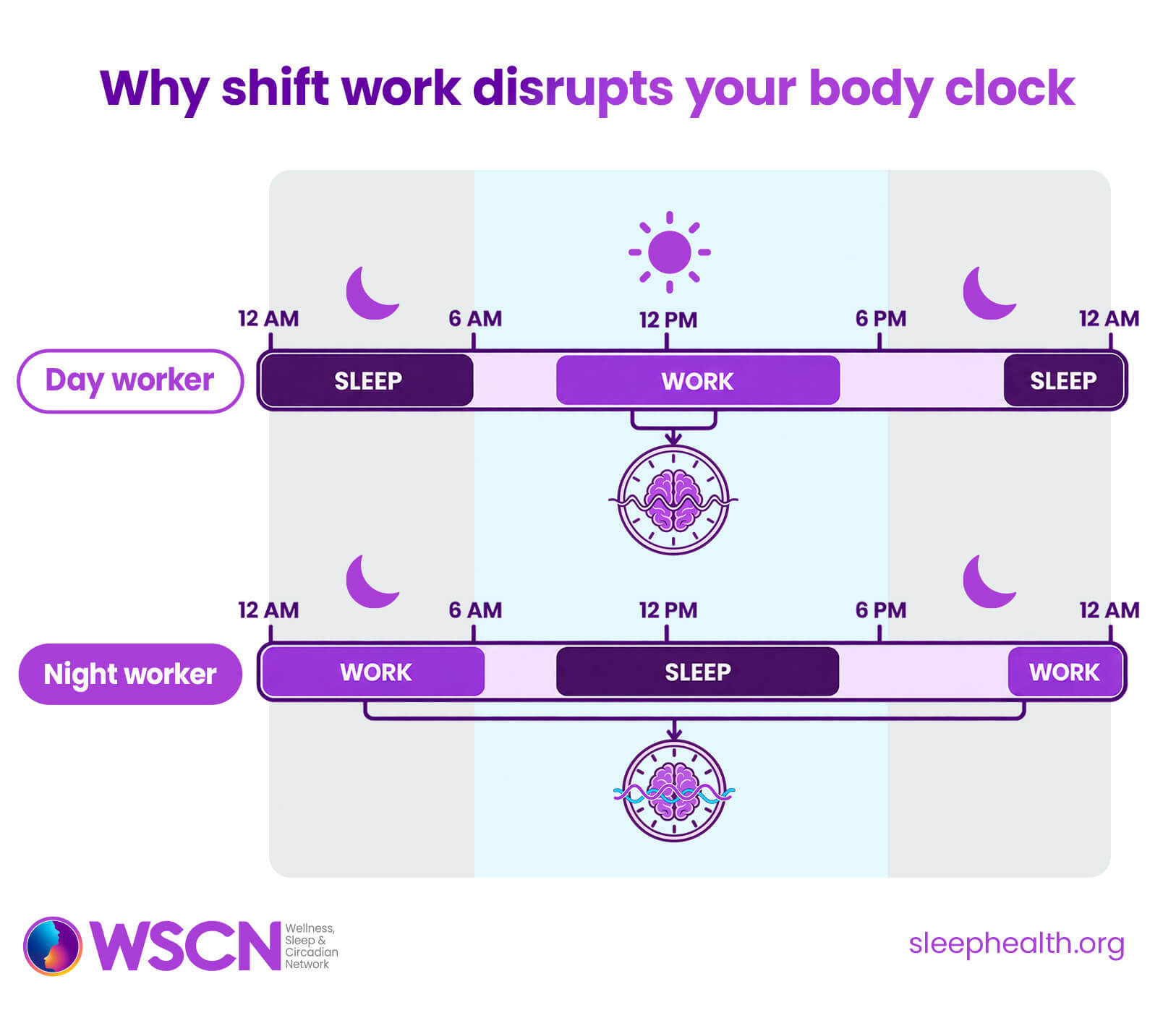
During a night shift, both systems can make it difficult to stay awake, especially in the early morning hours. After the shift, the body clock begins promoting wakefulness, even though the person still needs sleep. This can make daytime sleep shorter and more disrupted.

As the graphic above shows, shift work can create a mismatch between working hours and the body’s natural sleep-wake rhythm. This can make it difficult to stay alert at work and get enough sleep afterward.

However, not everyone who works shifts develops a sleep disorder. Shift work disorder occurs when a work schedule repeatedly interferes with sleep, causing persistent insomnia, excessive sleepiness, or both. These symptoms must significantly affect daily life and cannot be better explained by another condition.

Signs and Symptoms

Symptoms of shift work disorder differ from person to person, and they can change with the schedule, the season, and life circumstances.

During the sleep period, a person may notice:

  • Difficulty falling asleep after a shift
  • Waking after only a few hours and being unable to return to sleep
  • Sleep that feels light or unrefreshing
  • Shorter total sleep than the person needs
  • Waking to daylight, household noise, or notifications

Daytime sleep after a night shift is often shorter and more disrupted than nighttime sleep. This can make it difficult for shift workers to get enough rest across the full 24 hours.

During waking hours, a person may notice:

  • Strong sleepiness during the shift, often worst in the early morning hours
  • Difficulty with attention, memory, and decision-making
  • Irritability, low mood, or reduced motivation
  • Headaches, digestive discomfort, or reduced appetite regulation
  • Microsleeps or drowsiness while driving home
  • Reduced energy for family, exercise, and social life on days off

Shift workers may experience sleepiness, fatigue, or both. Sleepiness means struggling to stay awake, while fatigue refers to low energy without necessarily feeling sleepy.

Symptoms often improve during time off and return when shift work resumes. This pattern can help healthcare professionals identify whether the work schedule is contributing to sleep problems.

The 24-Hour Connection: Beyond Sleep

Shift work affects more than when we sleep. Our circadian rhythms also help regulate important functions throughout the body, including blood pressure, metabolism, and hormone release.

When work schedules repeatedly conflict with these rhythms, the effects can extend beyond tiredness and disrupted sleep. Research has linked long-term night and rotating shift work with an increased risk of cardiovascular disease and metabolic conditions, including type 2 diabetes.

Shift work can also affect mental wellbeing and everyday life. Ongoing sleep disruption can make it harder to manage stress, maintain relationships, and participate in family or social activities.

These findings do not mean that everyone who works shifts will develop health problems. However, they show why sleep and circadian health deserve attention as part of a shift worker’s overall health and wellbeing.

Drowsy Driving

Driving home after a night shift can be particularly dangerous because of fatigue and reduced alertness. The risk is especially high after long shifts or when a person has had too little sleep.

If you feel sleepy while driving, stop somewhere safe. Consider taking a nap before leaving work, arranging a ride, or using public transportation. Opening a window or relying on caffeine is not a substitute for adequate sleep.

Screening and Diagnosis

Shift work disorder is diagnosed by reviewing sleep patterns, symptoms, and work schedules. A healthcare professional may recommend keeping a sleep diary for one to two weeks, including workdays and days off. Wearable sleep tracking or questionnaires may also help identify patterns.

An overnight sleep study is usually not needed unless another sleep disorder, such as sleep apnea, is suspected.

Talk with a healthcare professional if sleep difficulties persist or affect your daily life. Seek prompt help if excessive sleepiness makes driving or working unsafe. A primary care clinician is a good place to start. They can conduct preliminary screenings and recommend next steps for diagnosis. To prepare, try using WSCN’s Preparing to meet your new healthcare provider checklist.

Causes and Risk Factors

Not everyone responds to shift work in the same way. Several factors influence how well a person manages irregular work hours.

  • Individual factors: Age, natural sleep preferences (chronotype), and existing health conditions can affect tolerance for shift work.
  • Work schedules: Frequent night shifts, rotating schedules, long shifts, and short breaks between shifts can increase sleep disruption.
  • Sleep environment and daily demands: Noise, daylight, caregiving responsibilities, and limited time for rest can make it harder to get sufficient sleep.

Understanding these factors can help identify opportunities to improve sleep and reduce the effects of shift work.

Treatment and Management

Managing shift work disorder involves improving sleep, staying alert during work hours, and reducing health and safety risks. The best approach depends on your work schedule and individual needs.

  • Protecting sleep: Keep your sleeping environment dark, cool, and quiet. Limit interruptions and try to protect enough time for sleep, even when it falls during the day.
  • Planned sleep and napping: Taking a nap before a night shift or during a permitted break can improve alertness. Some workers benefit from dividing their sleep into two periods.
  • Timed light exposure: Bright light during a shift can improve alertness, while limiting morning light exposure may help with daytime sleep. Timing is important, so seek professional guidance when using light to adjust your body clock.
  • Melatonin: Melatonin can help some shift workers adjust their sleep timing. The timing and dose matter, so discuss its use with a healthcare professional.
  • Strategic caffeine use: Caffeine can improve alertness during a shift, but taking it too close to bedtime can interfere with sleep.
  • Prescription medications: Wake-promoting medications, such as modafinil, may help some people with shift work disorder. Sleep medications may also be considered in selected cases. Both require medical guidance.
  • Treating other conditions: Sleep apnea, insomnia, or other health conditions can make shift work more difficult. Identifying and treating these conditions can improve sleep and daytime functioning.
  • Workplace and schedule adjustments: More predictable schedules, adequate breaks between shifts, and opportunities to rest can reduce sleep disruption. Employers also play an important role in creating safer working conditions.

There is no perfect schedule or single solution that works for everyone. Finding realistic ways to protect sleep and support alertness can help shift workers improve their wellbeing across all 24 hours.

Research and What We Are Still Learning

Researchers continue to investigate why some people adapt to shift work more easily than others. They are studying how individual body clocks and biological differences influence sleep and alertness during irregular work schedules.

Another focus is finding safer ways to organize shift work. Researchers are exploring how changes to shift schedules, planned naps, and carefully timed light exposure can improve sleep and reduce fatigue.

Scientists are also studying the long-term health effects of shift work, including how disrupted circadian rhythms may affect cardiovascular and metabolic health. This research could help develop better strategies to protect shift workers’ health and quality of life.

Related Conditions

References


Medical disclaimer
This article is for educational purposes only and is not intended to replace professional medical advice, diagnosis, or treatment. Speak with a qualified healthcare professional about questions or concerns related to your sleep. Read full medical disclaimer

Continue reading

Body Clock and Schedule Problems

Our internal body clock helps regulate when we feel sleepy and when we are most alert. Sometimes this natural timing becomes out of sync with our daily schedules, or our sleep-wake patterns become irregular.

These problems can make it difficult to fall asleep or wake up at the desired times, leading to sleep loss, daytime sleepiness, or difficulties with daily activities. When these problems persist or significantly interfere with daily life, they may indicate a circadian rhythm sleep-wake disorder.

Understanding how the body clock influences sleep can help identify the underlying problem and find effective ways to manage it.

Overview

  • Sleep-wake circadian disorders involve a mismatch between the internal body clock and the sleep-wake schedule a person needs or is trying to follow.
  • Symptoms may include difficulty falling asleep, waking too early, sleep at unwanted times, excessive sleepiness, poor concentration, mood changes, and impaired work or social function.
  • Diagnosis usually relies on a careful history, sleep diary, and sometimes actigraphy and/or overnight sleep study.
  • Treatment often focuses on timing: light exposure, darkness, sleep schedule, melatonin, activity, meals, and work routines.
  • Care should be individualized for best results.

ON THIS PAGE

About Sleep-Wake Circadian Disorders

The body has an internal timing system, often called the circadian system or body clock. This system helps regulate when sleep and alertness come most easily across the 24-hour day. A sleep-wake circadian disorder occurs when the timing of sleep and wakefulness is persistently misaligned. This may happen because the internal clock runs late, runs early, drifts later each day, is poorly organized, or is repeatedly pushed out of sync by work schedules or travel.

In circadian disorders, falling asleep can become difficult, or a person may experience sleepiness at inappropriate times, as the body clock falls out of alignment. At times when sleep is desired the circadian rhythms may be promoting wakefulness. At other times a strong urge to sleep may come from the body clock rhythms, but a person needs to remain awake for school, work, or travel.

Circadian disorders can affect more than when we sleep. Our body clock helps coordinate many processes throughout the day, including hormone release, digestion, and metabolism. When these rhythms are disrupted, they can affect how we feel and function and may influence our health over time.

Light is the strongest signal that helps keep our body clock in sync with the day and night. Daily routines, including meal times, also play a role. Together, these connections show how closely circadian health is linked to whole-body health.

Common Signs and Symptoms

Symptoms vary depending on the type of circadian rhythm sleep-wake disorder and how a person’s sleep schedule aligns with their body clock.

Sleep-Related Symptoms

  • Difficulty falling asleep at the desired time
  • Waking much earlier than intended or struggling to wake up when needed
  • Sleeping at times that conflict with work, school, or daily responsibilities
  • Irregular or disrupted sleep patterns
  • Not getting enough sleep because of conflicting schedules
  • Sleep that feels unrefreshing

Daytime Symptoms

  • Excessive sleepiness or dozing off at unwanted times
  • Difficulty concentrating, remembering information, or making decisions
  • Irritability, low mood, or reduced energy
  • Difficulty participating in work, school, or social activities
  • Safety concerns, particularly when driving or performing activities that require sustained attention

Some people sleep well when they can follow their preferred schedule but experience difficulties when they need to sleep or wake at different times. Recognizing this pattern can help distinguish a circadian timing problem from other sleep disorders.

Assessment and Diagnosis

Diagnosing circadian rhythm sleep-wake disorders begins with understanding a person’s sleep patterns and daily schedule. A healthcare professional may ask when someone usually sleeps and wakes, how long the problem has been present, and whether sleep improves when they can follow their preferred schedule.

Assessment may include:

  • Sleep diary: Records sleep and wake times over one to two weeks to identify patterns.
  • Actigraphy: Uses a small wearable device to estimate sleep and activity patterns over time.
  • Sleep and health history: Reviews work schedules, light exposure, medications, and other factors that may affect sleep timing.

An overnight sleep study is not usually needed to diagnose a circadian rhythm disorder, but may be recommended if another sleep disorder is suspected.

Identifying the specific sleep-wake pattern helps guide treatment toward adjusting circadian timing and improving sleep.

When to talk with a healthcare professional

You do not need to know what is causing your symptoms before asking for help. Talk with a healthcare professional if sleep-related problems persist, become more frequent, or begin to affect your health or daily life.

Many circadian rhythm sleep-wake disorders can be treated or managed. Getting support can help identify the underlying cause and guide appropriate care.

Red Flag: Seek prompt or urgent help if:

  • You are falling asleep while driving or performing activities where sleepiness could put you or others at risk.
  • Severe sleepiness makes it difficult to function safely or care for yourself.
  • You experience major changes in mood or behavior, overwhelming distress, or thoughts of self-harm.

Avoid driving or other hazardous activities when you cannot remain alert. Seek emergency support if you are in immediate danger or experiencing thoughts of self-harm with an intent to act.

References


Medical disclaimer
This article is for educational purposes only and is not intended to replace professional medical advice, diagnosis, or treatment. Speak with a qualified healthcare professional about questions or concerns related to your sleep. Read full medical disclaimer

Continue reading

Stress

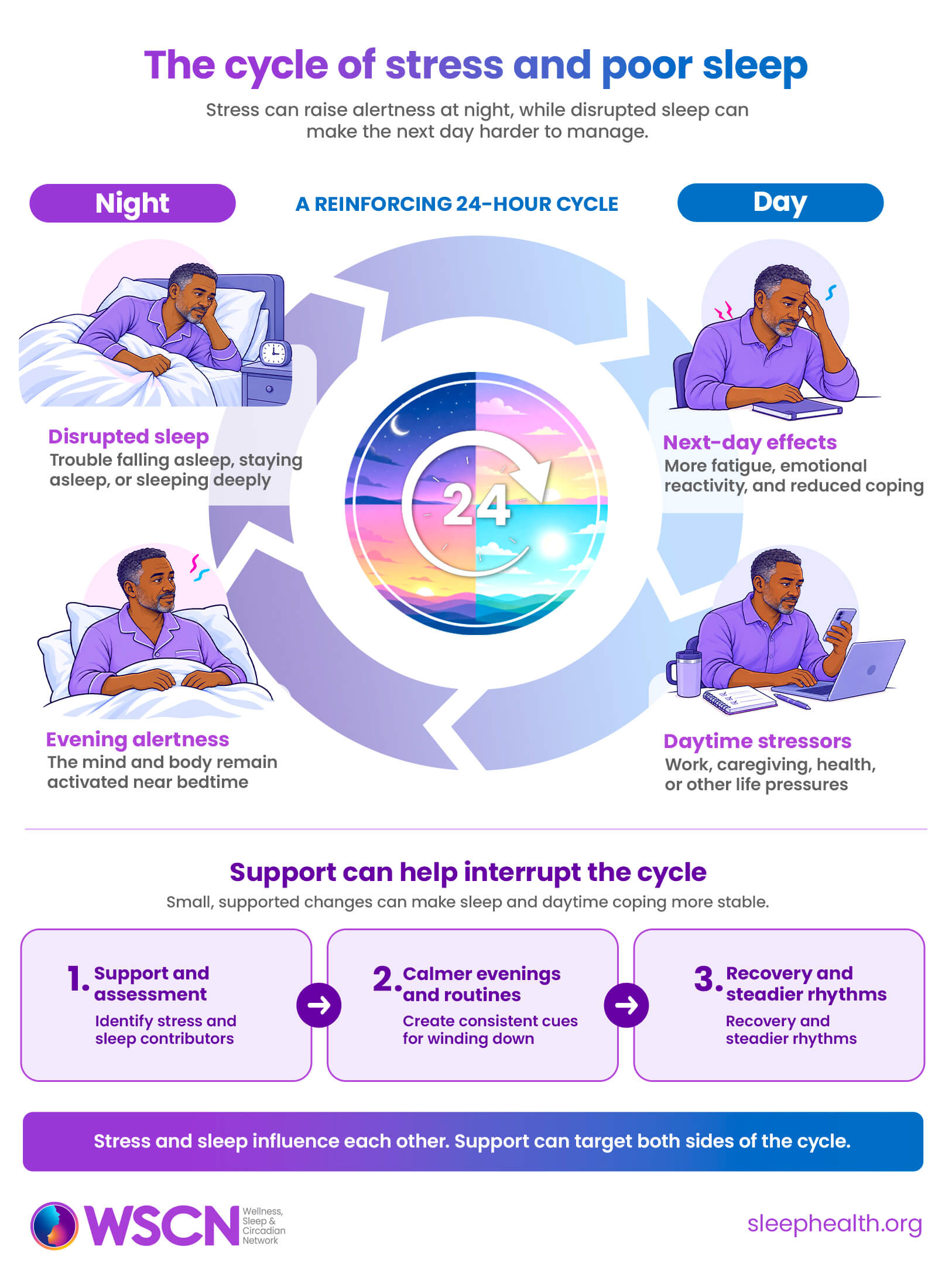
Stress and sleep are closely connected. Stress can keep the mind and body alert when it is time to rest, making it harder to fall asleep or stay asleep. Poor sleep, in turn, can make it more difficult to manage stress and everyday challenges.

This cycle can be difficult to break, but understanding how stress and sleep affect each other is an important first step toward improving both. Small changes and appropriate support can help restore healthier sleep patterns and improve wellbeing across all 24 hours.

Overview

  • Stress can disrupt sleep, making it harder to fall asleep, stay asleep, or feel rested in the morning
  • Poor sleep can increase stress, affecting mood, concentration, and our ability to cope with everyday challenges
  • Short-term sleep difficulties during stressful periods are common, but persistent problems that affect daily life deserve attention
  • Daily habits and routines can help support sleep and reduce the effects of stress, even when stressors cannot be eliminated
  • Professional support can help address ongoing sleep problems, stress, or underlying mental health conditions

ON THIS PAGE

How stress affects sleep

Stress is the body’s natural response to challenges or uncertainty. It can be short-term, such as before an important exam, or ongoing because of work pressures, financial concerns, or difficult life circumstances.

When we experience stress, our body becomes more alert. Heart rate and muscle tension may increase, while our minds become more active. This response can help us deal with challenges during the day, but it can also make it harder to relax and fall asleep at night.

Some people are particularly sensitive to the effects of stress on sleep. Even after a stressful situation has passed, they may continue to experience sleep difficulties, especially if worry about sleeping becomes another source of stress.

Signs and symptoms

Stress can affect both how we sleep at night and how we feel and function during the day. The signs vary from person to person and may change depending on the intensity and duration of stress.

Nighttime signs

  • Taking longer than usual to fall asleep
  • Waking often or staying awake after waking
  • Waking earlier than intended
  • Feeling mentally alert, watchful, tense, or unable to “switch off”
  • Replaying events, planning, or worrying before sleep or during awakenings
  • Experiencing light, broken, or unrefreshing sleep

Daytime signs

  • Feeling tired, sleepy, irritable, anxious, or emotionally sensitive
  • Having difficulty concentrating, remembering, making decisions, or solving problems
  • Feeling less able to cope with routine demands
  • Using more caffeine, alcohol, nicotine, cannabis, or sedating products
  • Napping irregularly, reducing activity, or canceling plans after poor sleep
  • Worrying about the ability to sleep the next night

Stress and poor sleep can affect how we feel and function throughout the day. A stressful day can make it harder to unwind, while poor sleep can affect our mood, energy, and ability to cope.

Habits such as drinking more caffeine, taking late naps, or spending extra time in bed can sometimes make sleep problems worse. Irregular schedules and light exposure may also disrupt our natural sleep-wake rhythms.

Breaking this cycle does not mean eliminating every source of stress. Recognizing these patterns can help us make practical changes that support better sleep and wellbeing across all 24 hours.

The graphic below illustrates this cycle.

Screening and diagnosis

There is no single test for stress-related sleep problems. A healthcare professional can help identify how stress may be affecting your sleep and whether other conditions are contributing.

An assessment may include reviewing your sleep patterns, daily routines, and current stressors. A sleep diary kept over one to two weeks can help identify patterns, while questionnaires may provide additional information. If another sleep disorder is suspected, further testing may be recommended.

When to talk with a healthcare professional

A person does not need to know the name or exact nature of a condition before asking for help. If a person experiences any of the symptoms above, it is appropriate to discuss them with a healthcare professional. 

Red Flag: Seek urgent medical care if symptoms or sleep loss are affecting a person’s ability to drive or work safely, or is causing severe distress or thoughts of self-harm.

What to bring to a doctor’s visit

A primary care physician is a good place to start for an evaluation of stress-sleep interactions. They can conduct preliminary screenings and recommend next steps for diagnosis. It can be helpful to bring information to an initial visit: try using WSCN’s Preparing to meet your new healthcare provider checklist.

Causes, risk factors and health implications

Causes and risk factors

Stress affects everyone differently, and several factors can increase the likelihood of experiencing sleep problems.

  • Life circumstances: Ongoing pressures related to work, finances, relationships, caregiving, or health can make restful sleep more difficult.
  • Individual sensitivity: Some people are more likely to experience sleep difficulties during stressful periods, particularly if they have had sleep problems before.
  • Mental and physical health: Conditions such as anxiety, depression, PTSD, chronic pain, or menopause symptoms can affect both stress and sleep.
  • Schedules and environment: Irregular work hours, noise, light, and limited opportunities for sleep can contribute to sleep disruption.
  • Medications and substances: Caffeine, nicotine, alcohol, certain medications, and other substances can interfere with sleep or alertness.

Several of these factors may occur together. Identifying which ones affect your sleep can help you and your healthcare professional find appropriate ways to improve it.

Stress, the autonomic nervous system, and sleep

The autonomic nervous system controls automatic functions such as heart rate and breathing. It has two main branches: the sympathetic nervous system, which helps the body respond to stress, and the parasympathetic nervous system, which supports rest and recovery.

During stressful periods, the body’s alertness response can remain elevated, even when it is time to sleep. A racing heart, muscle tension, or feeling constantly on guard can make it harder to fall asleep or return to sleep after waking.

Relaxation techniques, such as slow breathing or meditation, can help calm this response and support better sleep.

Long-term health implications

Persistent stress and chronic sleep disruption are associated with health risks, although they do not cause the same outcome in every person.

  • Heart health: Ongoing sleep disruption and stress-system activation may contribute to high blood pressure and cardiovascular risk.
  • Metabolic health: Poor sleep may affect glucose regulation, appetite, weight-related health, and the ability to maintain health routines.
  • Mental health: Insomnia and chronic stress may increase the risk or severity of depression, anxiety, PTSD symptoms, and suicidal thinking.
  • Cognition and safety: Reduced attention, memory, reaction time, and judgment may increase errors, injuries, and drowsy-driving risk.
  • Pain and immune function: Sleep disruption may increase pain sensitivity and affect inflammatory and immune processes.
  • Quality of life: The cycle may strain work, relationships, caregiving, social connection, and confidence in sleep.

Chronic stress and sleep loss can both affect short-term and long-term health, and deserve evaluation and treatment to support health and well-being.

Treatment and management

Managing stress-related sleep problems involves addressing sources of stress where possible and finding ways to support better sleep. Different approaches may be helpful depending on individual circumstances.

  • Addressing stressors: Changes to workloads, schedules, or responsibilities can sometimes reduce stress. When these changes are not possible, other coping strategies can help.
  • Relaxation techniques: Slow breathing, muscle relaxation, and mindfulness can help calm the mind and body before sleep.
  • Healthy sleep routines: Consistent sleep and wake times, regular physical activity, and appropriate light exposure can support sleep and circadian rhythms.
  • Cognitive behavioral therapy for insomnia (CBT-I): This is the recommended first-line treatment for chronic insomnia. It helps address habits and thought patterns that contribute to ongoing sleep difficulties.
  • Mental health support: Counseling or other psychological treatments can help manage persistent stress, anxiety, depression, or trauma-related symptoms.
  • Medical assessment and treatment: A healthcare professional can review medications and identify other conditions, such as sleep apnea or chronic pain, that may be contributing to sleep problems.

Improving sleep does not always require major lifestyle changes. Small, realistic adjustments and appropriate support can make a meaningful difference, even during stressful periods.

Research and what we are still learning

Research supports a two-way relationship between stress and sleep, but not everyone responds in the same way. Studies are examining sleep reactivity, the roles of the autonomic nervous system and stress hormones, differences across life stages and social conditions, and which treatments work best when insomnia and mental health symptoms occur together.

Researchers are also testing digital CBT-I, mindfulness-based approaches, and stepped-care models. Future work needs to include people with varied work schedules, health conditions, identities, resources, and stress exposures.

References


Medical disclaimer
This article is for educational purposes only and is not intended to replace professional medical advice, diagnosis, or treatment. Speak with a qualified healthcare professional about questions or concerns related to your sleep. Read full medical disclaimer
Continue reading

Sleep Paralysis

Sleep paralysis is a temporary inability to move or speak while falling asleep or waking up. During an episode, a person is aware of their surroundings but cannot move their body, even though they feel awake.

Episodes can be frightening, especially when accompanied by a feeling of pressure on the chest, a sense that someone else is in the room, or vivid dream-like images or sounds.

Although sleep paralysis is generally harmless and usually passes within seconds or minutes, repeated episodes can cause anxiety about sleep. Understanding what is happening and knowing when to seek support can help reduce fear and make episodes easier to manage.

Overview

  • Sleep paralysis occurs when the temporary muscle paralysis associated with REM sleep continues briefly as someone becomes aware of their surroundings
  • Episodes usually last a few seconds to several minutes and end on their own without causing physical harm
  • Sleep paralysis can occur occasionally or repeatedly. When episodes recur and cause significant distress, they may be diagnosed as recurrent isolated sleep paralysis
  • Sleep loss, irregular sleep schedules, and stress are associated with episodes. Sleep paralysis can also occur alongside other sleep disorders, including narcolepsy
  • Most people do not need specific treatment. Understanding the condition, maintaining healthy sleep routines, and addressing related sleep problems can help reduce its impact

ON THIS PAGE

About sleep paralysis

Sleep paralysis is a type of parasomnia, a sleep disorder involving unusual experiences or behaviors during sleep or the transition between sleep and wakefulness.

During rapid eye movement (REM) sleep, when most vivid dreaming occurs, the brain temporarily reduces muscle activity to prevent us from acting out our dreams. This is called muscle atonia.

Sleep paralysis occurs when this temporary loss of muscle control continues as someone wakes up or begins while they are falling asleep. A person becomes aware of their surroundings but cannot move or speak until normal muscle control returns.

The experience can be confusing or frightening, particularly when it includes vivid sensations or the feeling that someone else is present. Understanding why sleep paralysis occurs can help reduce fear and make episodes easier to manage.

Signs and symptoms

Sleep paralysis occurs while falling asleep or waking up. Episodes usually last a few seconds to several minutes and end on their own. Although people remain aware of their surroundings, they temporarily cannot move or speak.

During an episode

Common experiences include:

  • Inability to move the body or speak despite feeling awake
  • Awareness of the bedroom or surrounding environment
  • Fear, panic, or a strong sense of threat
  • Pressure on the chest or a feeling of being held down, sometimes accompanied by a sensation of difficulty breathing
  • A sense that someone else is present in the room
  • Vivid dream-like images, sounds, or sensations that seem real
  • Floating, spinning, or out-of-body sensations

Not everyone experiences these symptoms. Some people only notice the temporary inability to move, while others have more frightening experiences.

After an episode

Although normal movement returns quickly, the emotional effects can last longer. Some people feel anxious about returning to sleep or worry that another episode will occur.

When episodes recur, this fear can lead to delayed bedtimes, avoiding naps, or changes in sleeping habits. Over time, disrupted sleep may contribute to daytime fatigue, difficulty concentrating, or changes in mood.

Symptom patterns

Sleep paralysis can happen once, occasionally, or repeatedly. Some people notice episodes during periods of sleep loss, stress, or irregular sleep schedules. Others experience sleep paralysis alongside conditions such as narcolepsy.

Screening and diagnosis

Sleep paralysis is usually diagnosed based on a person’s symptoms and sleep history. A healthcare professional may ask about the frequency and nature of episodes, sleep patterns, medications, and other health conditions.

Occasional episodes do not necessarily indicate a sleep disorder. Recurrent isolated sleep paralysis is diagnosed when repeated episodes cause significant distress and cannot be explained by another condition or substance.

A sleep study is usually unnecessary unless another sleep disorder, such as narcolepsy, is suspected. Further testing can help clarify the diagnosis and guide treatment.

When to talk with a healthcare professional

You do not need to know what is causing your sleep difficulties before asking for help. Talk with a healthcare professional if sleep problems persist, become more frequent, or begin to affect your health, mood, or daily activities. Many sleep problems can be treated, and getting support can help you find the right approach.

Red Flag: Seek urgent medical care if symptoms or sleep loss are affecting your ability to drive or work safely, or is causing severe distress or thoughts of self-harm.

What to bring to a doctor’s visit

A primary care physician is a good place to start for a sleep disorder evaluation. They can conduct preliminary screenings and recommend next steps for diagnosis. It can be helpful to bring information to an initial visit: try using WSCN’s Preparing to meet your new healthcare provider checklist.

Causes, risk factors, and health implications

Causes and risk factors

Sleep paralysis occurs when the temporary muscle paralysis associated with REM sleep overlaps with wakefulness. However, researchers do not fully understand why some people experience episodes and others do not.

Several factors have been associated with sleep paralysis:

  • Sleep loss and irregular schedules: Not getting enough sleep, shift work, or frequent changes in sleep timing may increase the likelihood of episodes.
  • Stress and mental health: Anxiety, stress, and trauma-related conditions have been linked to sleep paralysis.
  • Sleeping position: Some people report more episodes when sleeping on their back.
  • Other sleep disorders: Sleep paralysis can occur alongside narcolepsy and other conditions that disrupt sleep.
  • Medications and substances: Certain medications, substance use, or withdrawal may influence sleep patterns, although evidence for specific triggers is limited.
  • Individual susceptibility: Family history and biological differences may influence who experiences sleep paralysis.

These factors do not necessarily cause sleep paralysis directly. Recognizing possible patterns can help people understand their symptoms and identify opportunities to improve their sleep.

Long-term health implications

Research on long-term outcomes of sleep paralysis is still limited. Most often, episodes do not pose any intrinsic danger. The main risks often come from distress, sleep disruption, and related conditions rather than from the brief paralysis itself.

  • Mental health: Recurrent frightening episodes may worsen anxiety, bedtime fear, trauma-related distress, or depressive symptoms
  • Sleep health: Fear of sleep can lead to sleep avoidance, irregular sleep timing, and chronic sleep loss
  • Daytime function: Disrupted sleep may affect alertness, concentration, mood, work performance, and driving safety
  • Relationships and quality of life: Episodes may affect bed partners, household sleep, travel, intimacy, and confidence in sleeping safely
  • Missed diagnosis: Recurrent sleep paralysis with severe daytime sleepiness may delay recognition of narcolepsy or another treatable sleep disorder

Treatment and management

Most people with occasional sleep paralysis do not need medical treatment. When episodes recur or cause significant distress, treatment focuses on improving sleep, reducing fear, and addressing possible contributing factors.

Education and reassurance

Understanding the REM sleep mechanism behind sleep paralysis can reduce fear. Sleep paralysis is not a character flaw, or a sign that someone is imagining symptoms. It is a real sleep-wake transition event. While events can be frightening or unsettling, they are rarely dangerous, and treatment may help.

Supporting Healthy Sleep

Getting enough sleep and maintaining reasonably consistent sleep and wake times may help reduce episodes. Managing stress and addressing other sleep problems can also support more restful sleep.

Managing fear during episodes

Although sleep paralysis can be frightening, episodes usually end on their own. Some people find these strategies helpful:

Remind yourself that the episode is temporary and you are safe.

  • Focus on slow, steady breathing
  • Try moving a small muscle, such as a finger or toe
  • Use a calming phrase or relaxation technique.
  • Ask a bed partner to speak calmly rather than shake or restrain you

Treating related health and sleep conditions

Sleep paralysis sometimes occurs alongside conditions such as narcolepsy, insomnia, or post-traumatic stress disorder (PTSD). Identifying and treating these conditions may help reduce episodes or improve sleep.

For people with recurrent, distressing sleep paralysis, cognitive behavioral approaches may help manage fear and anxiety about sleep, although research remains limited. Medication is not usually needed for isolated sleep paralysis but may be considered in selected cases, particularly when another sleep disorder is involved.

With appropriate support, many people can reduce the distress associated with sleep paralysis and regain confidence in their sleep.

Research and what we are still learning

Sleep paralysis is relatively common, although estimates vary between studies. Earlier research suggested that approximately 8% of people experience at least one episode during their lifetime, with higher rates reported among students and people with mental health conditions.

Studies have identified links between sleep paralysis and poor sleep, irregular sleep schedules, and stress. However, much of the research is observational, so it remains unclear whether these factors directly cause episodes.

Researchers are also investigating why some people experience recurrent, distressing sleep paralysis and which treatments are most effective. Understanding how cultural beliefs influence the experience and interpretation of episodes is another important area of research.

References


Medical disclaimer
This article is for educational purposes only and is not intended to replace professional medical advice, diagnosis, or treatment. Speak with a qualified healthcare professional about questions or concerns related to your sleep. Read full medical disclaimer

Continue reading

Exploding Head Syndrome

Exploding head syndrome is a sleep disorder in which a person suddenly hears a loud bang, crash, or explosion-like sound while falling asleep or waking up. The sound can seem very real, even though nothing in the surrounding environment caused it.

It is a type of parasomnia, or unusual event associated with sleep. Episodes are typically brief and painless and are not known to cause damage to the brain or hearing. However, they can be frightening and sometimes lead to anxiety about sleep.

Overview

  • Exploding head syndrome involves a sudden perceived noise or sensory burst during the transition into or out of sleep
  • Episodes are usually painless and last less than a second, although fear and alertness may continue afterward
  • Some adults also notice a flash of light, muscle jerk, electrical sensation, or racing heartbeat
  • The condition itself is generally considered benign, but repeated episodes can disrupt sleep and daytime function
  • Short sleep, irregular schedules, stress, and other sleep problems may contribute to exploding head syndrome for some people
  • Education, reassurance, steadier sleep, and evaluation of related conditions can help

ON THIS PAGE

About exploding head syndrome

Exploding head syndrome, sometimes called episodic cranial sensory shock, occurs at the boundary between sleep and wakefulness. A person may perceive a sudden loud noise inside the head. Some people also report a flash of light, a sensation of energy, or a body jerk.

The episode is not caused by an actual noise or occurrence in the room. The main effects are typically a startle response, fear, confusion, and difficulty returning to sleep. 

Exploding head syndrome was once described as rare. Newer studies suggest that occasional episodes are more common than previously thought, including among younger adults. Many people may not report symptoms because episodes are infrequent, they do not know the experience has a name, or they worry it will sound unusual.

The exact mechanism is unknown. One theory is that brain networks involved in hearing, sensory processing, movement, and arousal do not disengage or reactivate in their usual sequence during a sleep–wake transition, creating a brief perception of sound or light without an external source.

Signs and symptoms

During an episode

A person may experience:

  • A sudden loud noise, bang, crash, snap, roar, or buzzing sound
  • An explosive sensation in the head
  • A flash of light or visual burst
  • A muscle twitch, body jolt, or jump-start
  • Sudden startle, fear, alarm, or confusion
  • A rapid heartbeat or rush of adrenaline
  • Brief difficulty returning to sleep

Episodes usually happen while falling asleep or waking. They are generally very short, only a few seconds for the actual perceived sound or shock, and the person can usually remember what occurred.

After an episode

Although the episode itself is brief, the fear or alarm it causes can last longer. Some people have difficulty returning to sleep or become worried about experiencing another episode.

When episodes recur, this worry can lead to bedtime anxiety or disrupted sleep. Over time, poor sleep may contribute to daytime fatigue, difficulty concentrating, or changes in mood.

Understanding that typical episodes are harmless can help reduce fear and make it easier to return to sleep.

Screening and diagnosis

Exploding head syndrome is usually diagnosed based on a person’s description of their symptoms and sleep history. A healthcare professional may ask what the episode feels like, when it occurs, and how often it happens. They may also review sleep patterns, medications, and other health conditions to identify possible contributing factors.

A sleep study is not usually needed when symptoms are typical of exploding head syndrome. If episodes are unusual, painful, or accompanied by other concerning symptoms, further assessment may be recommended to rule out another sleep or neurological condition.

An accurate diagnosis can provide reassurance and help determine whether any additional care is needed.

When to talk with a healthcare professional

You do not need to know what is causing your sleep difficulties before asking for help. Talk with a healthcare professional if sleep problems persist, become more frequent, or begin to affect your health, mood, or daily activities. Many sleep problems can be treated, and getting support can help you find the right approach.

Red Flag: Seek prompt or urgent care if:

  • You experience a sudden, severe headache or other acute pain
  • An episode is accompanied by new weakness, difficulty speaking, loss of consciousness, or seizure-like symptoms
  • You experience sudden hearing loss or significant changes in hearing
  • Sleep-related symptoms make it difficult to function safely, particularly while driving
  • You experience overwhelming distress or thoughts of self-harm

Sudden neurological symptoms or a severe, abrupt headache require emergency medical attention.

What to bring to a doctor’s visit

A primary care physician is a good place to start for a sleep disorder evaluation. They can conduct preliminary screenings and recommend next steps for diagnosis. It can be helpful to bring information to an initial visit: try using WSCN’s Preparing to meet your new healthcare provider checklist..

Causes, risk factors, and health implications

Causes and risk factors

The exact cause of exploding head syndrome is unknown. Researchers believe it may involve a brief disruption in how the brain transitions between sleep and wakefulness. This could explain why someone suddenly perceives a loud noise or other sensation without an external source, although the mechanism has not been confirmed.

Research has identified several factors that may be associated with episodes:

  • Poor or irregular sleep: Sleep loss, disrupted sleep schedules, and insomnia symptoms have been linked to exploding head syndrome.
  • Stress and anxiety: Some people report more frequent or distressing episodes during periods of increased stress.
  • Other sleep conditions: Exploding head syndrome can occur alongside sleep paralysis, insomnia, or other parasomnias.
  • Medications and substances: Certain medications and substances can affect sleep and nighttime awakenings, but there is limited evidence that they directly trigger exploding head syndrome.

These associations do not necessarily mean that the factors cause episodes. More research is needed to understand why exploding head syndrome occurs and why some people experience it more frequently than others.

Long-term health implications

Exploding head syndrome is not known to cause lasting damage to the brain, hearing, or other parts of the body. However, repeated episodes can affect sleep and quality of life, particularly when they cause fear or anxiety.

  • Sleep health: Worry about another episode can make it harder to relax at bedtime or return to sleep, potentially contributing to ongoing sleep difficulties.
  • Mental health: Repeated frightening episodes can increase anxiety about sleep and, for some people, contribute to emotional distress.
  • Daytime functioning: Disrupted sleep can lead to fatigue, difficulty concentrating, or changes in mood that affect daily activities.

These effects are generally related to disrupted sleep and distress rather than the episodes themselves. Understanding the condition and getting appropriate support can help reduce its impact on everyday life.

Treatment and management

Exploding head syndrome usually does not require medical treatment. For many people, understanding that episodes are harmless is enough to reduce fear and improve confidence around sleep.

If episodes occur frequently or interfere with sleep, a healthcare professional can help identify possible contributing factors and recommend appropriate support.

Supporting healthy sleep

Maintaining a reasonably consistent sleep schedule and allowing enough time for sleep may help. Managing stress and addressing other sleep problems, such as insomnia, can also support better sleep.

Medications are not usually recommended for isolated episodes. Although some medications have been used in individual cases, research is limited, and no standard drug treatment has been established.

Responding to an episode

Knowing how to respond can make an episode less frightening and help you return to sleep:

  • Remind yourself that a typical episode is brief, harmless, and will pass
  • Check your surroundings once if needed, rather than repeatedly looking for the source of the sound
  • Try slow breathing or another familiar relaxation technique
  • Keep lighting low to make returning to sleep easier

If you want to record the episode, make a note the next morning rather than staying awake to analyze it.

Living with exploding head syndrome

If episodes recur, keeping a brief record of when they happen and how they affect your sleep can help identify possible patterns. You can also note recent changes in your sleep schedule or stress levels. There is no need to monitor every aspect of your sleep.

Letting a bed partner know about the condition can also help reduce unnecessary alarm.

Most people can manage exploding head syndrome with reassurance and simple adjustments to their sleep routines. If episodes continue to cause distress or disrupt daily life, further evaluation can help identify additional ways to manage symptoms.

Research and what we are still learning

Researchers are still investigating why exploding head syndrome occurs and why some people experience repeated episodes. Studies suggest that it is more common than previously thought and can occur at different ages, including in younger adults.

Research has also identified links between exploding head syndrome and sleep difficulties, stress, and other parasomnias. However, these findings do not establish what causes episodes.

Because episodes are brief and unpredictable, they are difficult to capture during sleep studies. Larger studies are helping researchers better understand the condition and its impact on daily life. More research is also needed to identify treatments that reliably reduce episodes and related distress.

References


Medical disclaimer
This article is for educational purposes only and is not intended to replace professional medical advice, diagnosis, or treatment. Speak with a qualified healthcare professional about questions or concerns related to your sleep. Read full medical disclaimer

Continue reading

Sleepwalking and Sleep Terrors in Adults

Sleepwalking and sleep terrors occur when a person partially awakens from deep sleep. During an episode, they may walk, talk, appear frightened, or perform activities without being fully aware of what is happening. They often remember little or nothing afterward.

These conditions are known as non-rapid eye movement (NREM) parasomnias. Although more common in children, they can persist or begin in adulthood. Episodes can disrupt sleep and sometimes create safety risks, particularly when someone leaves their bed or performs complex activities.

Understanding what triggers these episodes and when to seek help can support safer sleep and more effective management.

This page focuses on adults. Information is also available for Sleepwalking and sleep terrors in children and teens.

Overview

  • Sleepwalking and sleep terrors are disorders of arousal that usually occur during deep non-rapid eye movement (NREM) sleep
  • Sleepwalking involves getting out of bed or performing activities while not fully awake
  • Sleep terrors involve sudden, intense fear, often accompanied by screaming, rapid breathing, or a racing heartbeat
  • During episodes, people may appear awake but remain confused or difficult to communicate with. They often have little or no memory of what happened
  • Sleep loss, irregular sleep schedules, stress, alcohol, and certain medications can increase the likelihood of episodes. Other sleep disorders may also contribute
  • Management focuses on identifying possible triggers, improving sleep, and reducing safety risks. Additional treatment may be helpful when episodes are frequent or disruptive

ON THIS PAGE

About sleepwalking and sleep terrors

Sleepwalking and sleep terrors occur when the brain partially awakens from deep non-rapid eye movement (NREM) sleep. During these episodes, a person can move or react to their surroundings while remaining largely unaware of what is happening. Episodes most often occur during the first part of the night, when deep sleep is more common.

Sleepwalking, also called somnambulism, can involve sitting up, walking, talking, or performing familiar activities such as dressing or moving objects.

Sleep terrors, sometimes called night terrors, typically involve sudden screaming, intense fear, or signs of physical distress, such as sweating and a racing heartbeat. Some people experience features of both conditions.

Unlike nightmares, which usually occur during rapid eye movement (REM) sleep and are often remembered as vivid dreams, sleepwalking and sleep terrors generally involve confusion, limited responsiveness, and little memory of the event afterward.

Although these conditions are more common in children, episodes that begin in adulthood or involve unusual or potentially dangerous behaviors deserve further evaluation to rule out other sleep or neurological conditions.

Signs and symptoms

Sleepwalking and sleep terrors share some features, including limited awareness during episodes and little memory of what happened afterward. However, their symptoms can look quite different.

Sleepwalking symptoms

During a sleepwalking episode, a person may:

  • Sit up in bed, walk around, or perform familiar activities while not fully awake
  • Have a blank or glassy-eyed expression
  • Speak unclearly or respond in ways that do not make sense
  • Move objects, get dressed, eat, or attempt to leave the home
  • Be confused or difficult to communicate with when approached
  • Return to bed without fully waking up

Sleep terrors symptoms

Sleep terrors involve a sudden appearance of intense fear, often with a strong physical reaction. During an episode, a person may:

  • Suddenly sit upright, scream, or cry out
  • Appear terrified or panicked without an obvious reason
  • Have a racing heartbeat, rapid breathing, or heavy sweating
  • Thrash, push someone away, or resist attempts at comfort
  • Be difficult to wake or reassure
  • Have little or no memory of the episode the following morning

After an episode

People experiencing either condition may have little memory of what happened. Some feel confused or disoriented if awakened during an episode.

Repeated episodes can disrupt sleep and affect daytime energy or concentration. They can also cause concern for bed partners or other household members, particularly when there is a risk of injury.

Important Note: If someone is sleepwalking or experiencing a sleep terror, stay calm and gently guide them away from danger when possible. Avoid shouting, startling, or restraining them. If there is an immediate risk of injury, waking them may be necessary.

Screening and diagnosis

Sleepwalking and sleep terrors are usually diagnosed based on a person’s symptoms and sleep history. A healthcare professional may ask when episodes occur, how frequently they happen, and whether they involve confusion, unusual behaviors, or safety concerns.

Descriptions from a bed partner or household member can be helpful, as can a safely recorded video of an episode. The assessment may also include sleep schedules, medications, and other conditions that could contribute to nighttime awakenings.

An overnight sleep study is not always necessary. However, further testing may be recommended when episodes begin in adulthood, cause injuries, or have unusual features that could suggest seizures or another sleep disorder.

When to talk with a healthcare professional

You do not need to know what is causing your symptoms before asking for help. Talk with a healthcare professional if sleep-related episodes persist, become more frequent, or begin to affect your health or daily life.

Sleepwalking and sleep terrors can often be managed. Getting support can help identify contributing factors and reduce the risk of injury.

Red Flag: Seek urgent medical care if:

  • Episodes involve falls, injuries, or potentially dangerous activities, such as leaving the home
  • Nighttime behaviors put you or other household members at risk of harm
  • Episodes involve unusual movements or symptoms that could indicate seizures or another neurological condition
  • Sleep-related symptoms make it difficult to function safely during the day
  • You experience overwhelming distress or thoughts of self-harm

Serious injuries, prolonged seizures, or new neurological symptoms require emergency medical attention. Repeated unsafe nighttime behaviors warrant prompt medical evaluation, even when no injury has occurred.

What to bring to a doctor’s visit

A primary care physician is a good place to start for a sleep disorder evaluation. They can conduct preliminary screenings and recommend next steps for diagnosis. It can be helpful to bring information to an initial visit: try using WSCN’s Preparing to meet your new healthcare provider checklist..

Causes, risk factors, and health implications

Causes and risk factors

Sleepwalking and sleep terrors occur when the brain partially awakens from deep sleep. Why some people experience these episodes more frequently than others is not fully understood, but several factors can increase their likelihood:

  • Biology and family history: Disorders of arousal can run in families
  • Sleep pressure and timing: Sleep deprivation, irregular schedules, shift work, and jet lag may make partial arousals more likely
  • Sleep fragmentation: Obstructive sleep apnea, restless legs symptoms, periodic limb movements, pain, noise, or caregiving interruptions may trigger arousals
  • Stress and health changes: Acute stress, trauma symptoms, anxiety, fever, illness, and major life changes may contribute
  • Alcohol, substances, and medications: Alcohol, sedatives, withdrawal, and some psychiatric or neurological medicines may alter sleep or arousal

These factors do not affect everyone in the same way. Identifying possible triggers can help guide treatment and reduce the frequency of episodes.

Health implications

Sleepwalking and sleep terrors are not generally associated with lasting physical harm unless injuries occur. However, frequent or severe episodes can affect safety, sleep, and quality of life.

  • Safety: Falls, collisions, wandering, driving, or defensive movements can injure the person or someone nearby
  • Sleep and daytime function: Repeated disruption may worsen alertness, concentration, work performance, and driving safety
  • Mental health: Fear of sleep, shame, anxiety, trauma distress, or depression may worsen without support
  • Relationships and quality of life: Household sleep loss, worry, and changing sleeping arrangements can affect connection and wellbeing

Addressing contributing factors and taking practical safety precautions can help reduce these risks and improve everyday life.

Treatment and management

Treatment for sleepwalking and sleep terrors focuses on reducing episodes, improving sleep, and preventing injuries. Many people benefit from addressing possible triggers, while frequent or severe episodes may require additional care.

Managing sleepwalking

Safety is a priority when someone walks or performs activities without being fully awake. Helpful precautions include:

  • Clearing floors and removing objects that could cause injuries
  • Securing windows and exterior doors while maintaining safe emergency exits
  • Restricting access to stairs or other hazardous areas
  • Safely storing sharp objects and other dangerous items
  • Using door alarms or motion sensors when wandering is a concern

If an episode occurs, gently guide the person away from danger and back to bed when possible. Avoid shouting or forcefully restraining them, which can increase confusion.

Managing sleep terrors

Sleep terrors can be frightening to witness, but episodes usually end on their own. The priority is to keep the person safe while allowing the episode to pass.

  • Stay calm and avoid trying to force the person awake
  • Remove nearby objects that could cause injury if the person thrashes or moves suddenly
  • Give the person space while remaining nearby to monitor their safety
  • Offer reassurance once they are fully awake, if needed

Addressing triggers and related conditions

Both conditions may improve when contributing factors are addressed. Getting enough sleep, maintaining reasonably consistent sleep schedules, and managing stress can help reduce episodes.

Other sleep disorders, particularly obstructive sleep apnea, may contribute to nighttime awakenings and require separate treatment. A healthcare professional can also review medications or substances that may influence episodes.

For episodes that occur predictably, scheduled awakenings may sometimes help, although evidence in adults remains limited. Behavioral approaches may also be useful. Medication is generally considered for frequent, severe, or potentially dangerous episodes when other measures are insufficient.

Living with sleepwalking and sleep terrors

A shared household plan can reduce risk, blame and uncertainty. It may help to record episode details and daytime activities for a week or two in a sleep diary, to link episodes to possible triggers. During an event, household members can focus on immediate safety and calm redirection rather than arguing with or forcefully restraining the person.

Research and what we are still learning

Researchers are studying why the brain can remain partly asleep while allowing complex movements or intense emotional reactions to occur. They are also investigating how genetics, sleep disruption, and other health conditions contribute to sleepwalking and sleep terrors in adults.

Although both conditions are well recognized, their treatment remains less extensively studied in adults than in children. Much of the available evidence comes from small studies and clinical observations, making it difficult to determine which approaches work best.

Future research may help identify people at greater risk of recurrent episodes and injuries, while improving treatments that support safer, more restful sleep.

References


Medical disclaimer
This article is for educational purposes only and is not intended to replace professional medical advice, diagnosis, or treatment. Speak with a qualified healthcare professional about questions or concerns related to your sleep. Read full medical disclaimer

Continue reading

Nightmare Disorder

Nightmares are vivid, disturbing dreams that can wake us from sleep and leave us feeling frightened or upset. They often involve threatening situations and are usually remembered clearly after waking.

Occasional nightmares are common, especially during periods of stress. However, when nightmares happen repeatedly and cause significant distress, disrupt sleep, or interfere with daily life, they may be a sign of nightmare disorder.

Nightmare disorder is a recognized and treatable sleep condition. Understanding what contributes to recurring nightmares can help people find appropriate treatment and regain confidence in their sleep.

Overview

  • Nightmare disorder is a type of parasomnia involving recurring, distressing dreams that interfere with sleep or daily life
  • Nightmares usually occur during rapid eye movement (REM) sleep, often later in the night
  • People typically wake up alert and remember their nightmares clearly, unlike sleep terrors, which often involve confusion and little memory afterward
  • Frequent nightmares can disrupt sleep and lead to anxiety about bedtime, fatigue, or difficulty concentrating during the day
  • Stress, traumatic experiences, mental health conditions, and certain medications can contribute to recurring nightmares
  • Effective treatments are available, including imagery rehearsal therapy (IRT), which helps people change and rehearse the storyline of recurring nightmares

ON THIS PAGE

About nightmare disorder

Nightmare disorder is a type of parasomnia, a group of sleep disorders involving unusual experiences or behaviors during sleep.

Nightmares usually occur during rapid eye movement (REM) sleep, the stage when most vivid dreaming takes place. They often happen later in the night or early in the morning, when REM sleep periods become longer.

Unlike sleep terrors, which typically occur during deep sleep, nightmares usually wake a person fully. People are generally alert after waking and can clearly remember what they dreamed. Sleep terrors, on the other hand, often leave people confused, with little or no memory of the episode.

Nightmares are particularly common in children, but they can affect people of any age. Frequent nightmares are also more common among people experiencing high levels of stress or living with conditions such as post-traumatic stress disorder (PTSD), depression, or anxiety. Read more about parasomnias in children here.

Signs and symptoms

Nightmare disorder can affect both sleep and daily life. Repeated nightmares may cause distress after waking and make it difficult to return to sleep. Over time, some people develop anxiety about bedtime or begin avoiding sleep because they fear another nightmare.

Nighttime symptoms

A person may experience:

  • Repeated disturbing dreams that wake them from sleep
  • Clear memory of the dream after waking
  • Fear, sadness, anger, guilt, shame, or distress after the nightmare
  • Difficulty returning to sleep / insomnia
  • Avoiding sleep because of fear of another nightmare
  • Disrupted sleep for a bed partner or household member

Daytime symptoms

Daytime effects may include:

  • Fatigue or daytime sleepiness
  • Difficulty concentrating or remembering information
  • Irritability, anxiety, or low mood
  • Reduced performance at work, school, or during daily activities
  • Worry about the next night’s sleep
  • Avoidance of reminders associated with distressing dreams or traumatic experiences

Symptoms vary from person to person. Some people experience nightmares occasionally, while others have frequent episodes that significantly affect their sleep and quality of life.

Screening and diagnosis

Nightmare disorder is usually diagnosed based on a person’s symptoms and medical history. A healthcare professional will ask how often nightmares occur, what happens when the person wakes up, and how the experiences affect sleep and daily life.

An assessment may include:

  • Nightmare patterns: How frequently nightmares occur, how distressing they are, and whether they involve recurring themes or traumatic experiences.
  • Sleep habits: Sleep schedules, difficulty returning to sleep, and any fear or avoidance of bedtime.
  • Mental health: Symptoms of stress, anxiety, depression, or post-traumatic stress disorder (PTSD).
  • Medications and substances: Reviewing medications or substances that might contribute to nightmares.
  • Other sleep disorders: Checking for conditions such as sleep apnea, sleep terrors, or REM sleep behavior disorder that may require a different approach.

A sleep study is not usually needed to diagnose nightmare disorder. However, it may be recommended if another sleep disorder is suspected or the episodes involve unusual behaviors.

When to talk with a healthcare professional

Talk with a healthcare professional if nightmares occur frequently, cause significant distress, or interfere with sleep or daily activities. A primary care clinician is a good place to start and can recommend further evaluation or treatment.

How to prepare for an appointment

You can prepare for your appointment by noting how often nightmares occur and how they affect you. WSCN’s Preparing to meet your new healthcare provider checklist may also help.

Causes, risk factors, and health implications

Causes and risk factors

Nightmare disorder does not always have a single identifiable cause. Several factors can contribute to recurring nightmares or make existing symptoms worse.

  • Stress and trauma: Acute stress, traumatic experiences, PTSD, grief, and chronic threat or insecurity can increase nightmares.
  • Mental health factors: Depression, anxiety, panic symptoms, substance use disorders, and emotional distress may contribute.
  • Sleep disruption: Insomnia, irregular sleep timing, insufficient sleep, and fragmented sleep can make nightmares more likely or harder to recover from.
  • Medications and substances: Some medications and withdrawal from alcohol, sedatives, or other substances may trigger or worsen nightmares.
  • Medical and neurological factors: Pain, illness, fever, neurodegenerative conditions, and other health changes may be relevant in some adults.
  • Environmental factors: Unsafe sleep environments, nighttime noise, caregiving interruptions, or sleeping in a place associated with danger may increase distress.

Identifying potential contributing factors can help healthcare professionals recommend appropriate treatment and support better sleep.

Long-term health implications

Frequent nightmares can affect more than sleep. When they persist, ongoing distress and sleep disruption can influence mental health, daily functioning, and quality of life.

  • Mental health: Frequent nightmares are associated with anxiety, depression, and post-traumatic stress disorder (PTSD). Research has also linked persistent nightmares with an increased risk of suicidal thoughts, although the relationship is complex and does not establish direct causation.
  • Sleep health: Repeated awakenings and fear of further nightmares can contribute to chronic insomnia and ongoing sleep difficulties.
  • Daily functioning and safety: Poor sleep can affect alertness and concentration, making everyday activities more difficult and increasing safety concerns, particularly when driving.
  • Relationships and quality of life: Persistent nightmares can affect emotional wellbeing and relationships. They may also disrupt a bed partner’s sleep.

Recognizing and treating nightmare disorder can help reduce distress, improve sleep, and support better quality of life.

Treatment and management

Nightmare disorder is treatable. The best approach depends on how often nightmares occur, how much distress they cause, and whether other health conditions are contributing.

Nightmare-Focused Therapy

Imagery rehearsal therapy (IRT) is an established treatment for recurring nightmares. During therapy, a person changes the storyline or ending of a disturbing dream while awake, then practices imagining the new version. Over time, this can help reduce the frequency and distress of nightmares.

Other psychological approaches include cognitive behavioral therapy (CBT) and treatments that help people process traumatic experiences. Treatment for insomnia or post-traumatic stress disorder (PTSD) may also be helpful when these conditions occur alongside nightmares.

Medication

Medication may be considered when nightmares cause significant distress, particularly when they are related to PTSD.

Prazosin is sometimes prescribed for PTSD-related nightmares and can reduce their frequency or severity in some people. However, treatment responses vary, and medications may cause side effects. A healthcare professional can help determine whether medication is appropriate.

Treating Related Conditions

Addressing conditions such as PTSD, anxiety, depression, or insomnia may also help reduce nightmares. Reviewing medications and substance use can identify other factors that may be contributing to disturbed sleep.

Do not stop or change prescribed medications without medical guidance.

Living With Nightmare Disorder

Alongside treatment, small practical steps can help make nights feel more manageable. A calming bedtime routine and a comfortable sleeping environment may support better sleep. Having a plan for what to do after waking from a nightmare can also help reduce distress.

Talking with a trusted person or bed partner about what you are experiencing may provide additional support.

With appropriate care, many people can reduce the impact of nightmares and regain confidence in their sleep.

Research and what we are still learning

Researchers are studying which nightmare treatments work best for different groups of adults, including people with PTSD, mental health conditions, other sleep disorders, or high stress. There is also growing interest in how nightmare treatment affects daytime outcomes such as mood, safety, relationships, and quality of life.

More research is needed on personalized treatment, digital delivery of nightmare therapies, combined treatment for nightmares and insomnia, and how to support people who have difficulty using mental imagery.

References


Medical disclaimer
This article is for educational purposes only and is not intended to replace professional medical advice, diagnosis, or treatment. Speak with a qualified healthcare professional about questions or concerns related to your sleep. Read full medical disclaimer
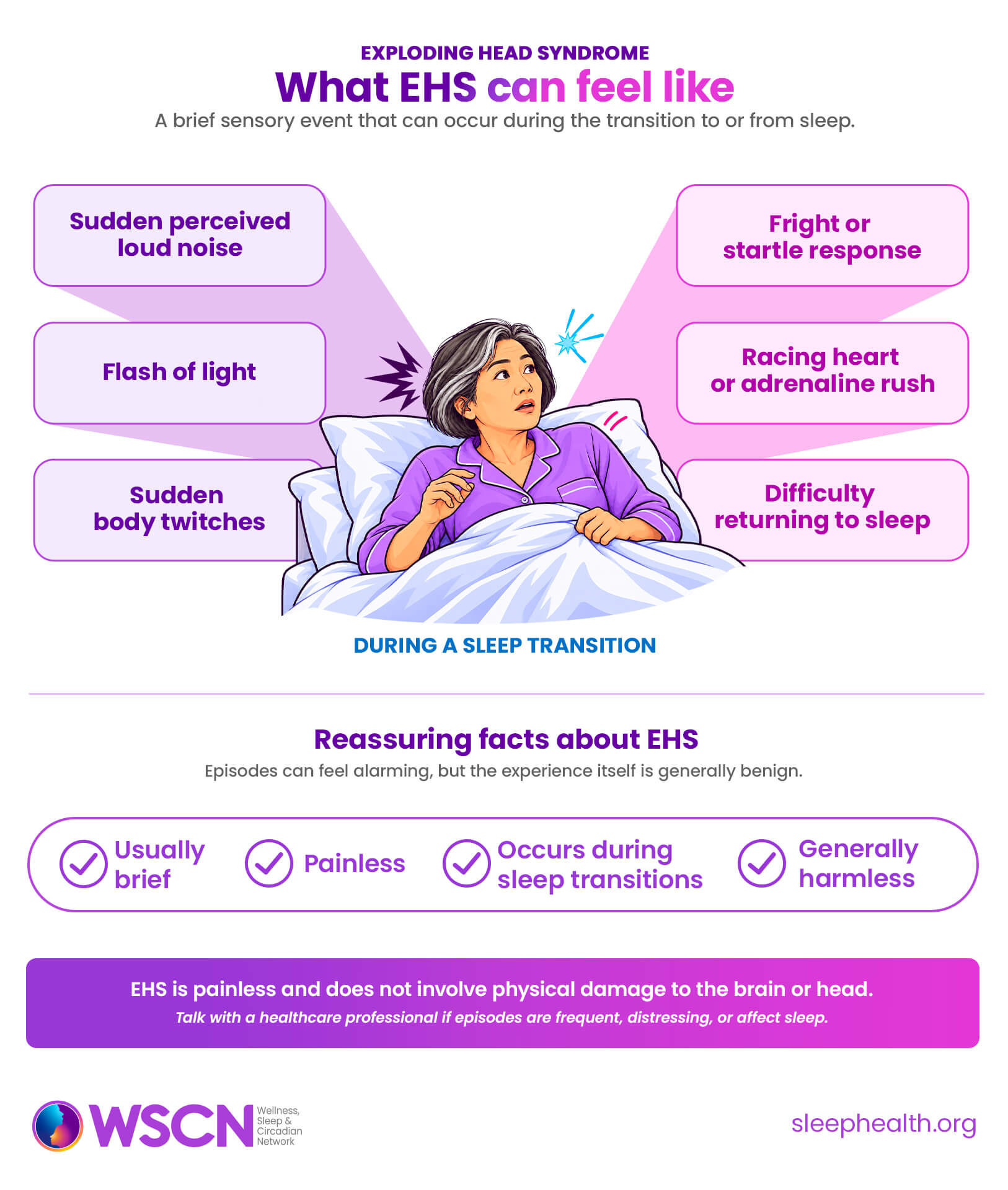
Continue reading

Parasomnias

Sleepwalking, nightmares, sleep terrors, and sleep paralysis are all examples of parasomnias, a group of sleep disorders involving unusual behaviors or experiences during sleep or while falling asleep or waking up.

Some parasomnias involve movements or actions that a person may not remember afterward. Others involve vivid dreams or frightening sensations that feel very real. While some episodes are brief and harmless, others can disrupt sleep, cause distress, or create safety concerns.

The effects can also extend beyond the night, affecting how someone feels and functions during the day.

This page explains the different types of parasomnias, their common symptoms, and when to seek help.

Overview

  • Parasomnias are sleep disorders in which people experience unusual behaviors, movements, or sensations while asleep or transitioning between sleep and wakefulness
  • Episodes can include walking or talking while asleep, waking from frightening dreams, or temporarily being unable to move when falling asleep or waking up
  • Different parasomnias occur during non-rapid eye movement (NREM) sleep, rapid eye movement (REM) sleep, or transitions between sleep and wakefulness
  • Some people remember an episode clearly, while others have little or no memory of what happened
  • Parasomnias range from occasional, harmless experiences to episodes that disrupt sleep, cause distress, or create a risk of injury
  • Frequent, distressing, or potentially dangerous episodes should be discussed with a healthcare professional

ON THIS PAGE

Common signs and symptoms

Parasomnias can look and feel very different depending on the condition. Some involve unusual behaviors during sleep, while others cause frightening experiences when falling asleep or waking up.

Common signs and symptoms include:

  • Unusual behaviors during sleep: Walking, sitting up, shouting, or appearing frightened without being fully awake.
  • Disturbing dreams: Vivid nightmares that cause fear or distress and are often remembered after waking.
  • Sleep paralysis: Being temporarily unable to move or speak while falling asleep or waking up.
  • Unusual sensations: Hearing sounds, seeing images, or feeling sensations that seem real while falling asleep or waking up, even when there is no external cause.
  • Confusion or fear: Feeling disoriented or frightened during or after an episode, sometimes with a racing heart.
  • Little or no memory: Being unaware of behaviors or events that a bed partner or family member observed.
  • Disrupted sleep and daytime effects: Feeling tired, having difficulty concentrating, or worrying about going to sleep.
  • Safety concerns: Injuries or potentially dangerous movements during sleep, which can also affect a bed partner.

Not everyone experiences the same symptoms, and their frequency and severity can vary. Some episodes are harmless, while others may require further evaluation.

Parasomnias in children and teens

Some parasomnias, including sleepwalking and night terrors are more common in children and young teens, due to differences in sleep structures and brain development. Learn more about paediatric sleep problems in our dedicated educational section: Infant, children and teens sleep problems.

Learn more

When to seek help

Many parasomnias are harmless, but some can cause distress, disrupt sleep, or create safety risks. Knowing when to seek help can make it easier to identify an underlying problem and find appropriate treatment.

Seek urgent medical attention if an episode involves a serious injury, difficulty breathing, prolonged confusion, or signs of a possible seizure.

Talk with a healthcare professional if:

  • Episodes happen frequently, become more severe, or start unexpectedly.
  • Sleepwalking, violent movements, or other behaviors put you or someone else at risk of injury.
  • Sleep disturbances affect your daytime alertness, mood, or ability to manage everyday activities.
  • Episodes occur alongside excessive daytime sleepiness, loud snoring, or breathing pauses during sleep.
  • Symptoms begin or worsen after a change in medication or substance use.

Assessment and diagnosis

Parasomnias are often diagnosed based on a person’s symptoms and medical history. A healthcare professional will ask what happens during an episode, when it occurs, and whether the person remembers it afterward. They may also review sleep habits, medications, and other health conditions.

Because people are not always aware of what happens during sleep, observations from a bed partner or family member can be particularly helpful. A sleep diary or home video of an episode may also provide useful information.

In some cases, an overnight sleep study with video monitoring may be recommended. This can help distinguish parasomnias from other conditions, such as nighttime seizures or sleep apnea. It may also be needed when episodes involve unusual or potentially dangerous behaviors.

Not everyone needs a sleep study. The assessment depends on the symptoms and whether another condition may be contributing to the episodes.

For more information about specific parasomnias and how they are diagnosed, explore the individual condition pages above.

Treatment and management

Managing parasomnias depends on the type of condition and how often episodes occur. Getting enough sleep and maintaining a regular sleep schedule can help reduce certain parasomnias, particularly sleepwalking and sleep terrors.

Stress, some medications, and untreated sleep disorders can also contribute to episodes. Identifying these factors with a healthcare professional may help reduce symptoms.

For parasomnias involving movement, making the sleeping environment safer can help prevent injuries. Treatment may also be needed when episodes are frequent, distressing, or potentially dangerous.

Explore the various types of parasomnias using the topics cards above to learn about specific treatment and management approaches for each condition.

References


Medical disclaimer
This article is for educational purposes only and is not intended to replace professional medical advice, diagnosis, or treatment. Speak with a qualified healthcare professional about questions or concerns related to your sleep. Read full medical disclaimer

Continue reading

Central Sleep Apnea

Central sleep apnea (CSA) is a sleep-related breathing disorder in which breathing repeatedly slows or stops during sleep because the brain does not consistently send signals to the muscles that control breathing.

Unlike obstructive sleep apnea (OSA), where breathing is interrupted because the upper airway becomes blocked, CSA occurs when the body’s control of breathing is disrupted.

Although CSA is less common than OSA, it can affect sleep quality and daytime wellbeing. The good news is that CSA can be diagnosed and treated, with treatment tailored to its underlying cause and each person’s needs.

Overview

  • Central sleep apnea (CSA) causes repeated pauses or reductions in breathing during sleep because the brain does not consistently signal the muscles that control breathing
  • CSA is less common than obstructive sleep apnea and is often linked to other health conditions, such as heart failure or stroke. Certain medications and high altitude can also contribute
  • Common symptoms include disrupted sleep, waking short of breath, daytime sleepiness, fatigue, and difficulty concentrating
  • An overnight sleep study is usually needed to diagnose CSA and distinguish it from other sleep-related breathing disorders
  • Treatment depends on the underlying cause and may include managing other health conditions, positive airway pressure (PAP) therapy, oxygen, medications, or specialized treatments
  • Effective management can improve sleep quality and daytime wellbeing. Regular follow-up helps ensure that treatment continues to meet individual needs

ON THIS PAGE

About central sleep apnea

Breathing is normally regulated by the brain, which responds to changes in oxygen and carbon dioxide levels. In central sleep apnea (CSA), this control system becomes unstable or disrupted, causing breathing effort to repeatedly decrease or stop during sleep.

CSA can develop for different reasons. The main types include:

  • Primary central sleep apnea: central apneas occur without a clearly identified cause.
  • Central sleep apnea with Cheyne-Stokes breathing: breathing gradually increases and decreases in a repeating pattern, often associated with heart failure, stroke, and some other medical conditions.
  • Central sleep apnea due to a medical condition: central apneas can occur in connection with another condition affecting the heart, kidneys, brain, nervous system, or breathing control.
  • High-altitude periodic breathing: central apneas occur or worsen at high altitude, where oxygen levels are lower.
  • Central sleep apnea due to medication or substance use: this can occur with opioids and some other substances that affect breathing control.
  • Treatment-emergent central sleep apnea: central apneas appear or become more noticeable after treatment begins for obstructive sleep apnea, usually with positive airway pressure therapy.

CSA is more common in older adults and men, although it can affect anyone. Certain medical conditions, particularly heart failure and advanced kidney disease, can increase the risk. Medications such as opioids can also interfere with breathing control during sleep.

Identifying the type and underlying cause of CSA is important because treatment approaches can differ.

Central vs. obstructive vs. mixed sleep apnea

Signs and symptoms

Central sleep apnea (CSA) symptoms vary from person to person. Some people notice breathing problems during sleep, while others mainly experience daytime effects.

Nighttime Symptoms

Common nighttime signs include:

  • Breathing pauses: Repeated interruptions in breathing, often noticed by a bed partner.
  • Waking short of breath: Suddenly waking with a feeling of breathlessness or needing to catch your breath.
  • Restless sleep: Frequent awakenings or disrupted sleep, sometimes without remembering waking up.
  • Difficulty staying asleep: Waking repeatedly during the night and having trouble returning to sleep.

Daytime Symptoms

Repeated breathing interruptions can disrupt sleep and affect how we feel and function throughout the day.

Common daytime symptoms include:

  • Excessive daytime sleepiness: Feeling unusually sleepy during the day, even after spending enough time in bed.
  • Fatigue and low energy: Feeling tired or lacking energy for everyday activities.
  • Difficulty concentrating: Problems with attention, memory, or clear thinking.
  • Mood changes: Increased irritability, low mood, or reduced motivation.
  • Morning headaches: Headaches upon waking that may improve as the day progresses.
  • Reduced physical stamina: Feeling less able to exercise or complete physical activities, particularly when another health condition is present.

Symptoms alone cannot distinguish CSA from obstructive sleep apnea or other sleep disorders. If you or someone close to you notices repeated breathing pauses during sleep, speak with a healthcare professional about an evaluation.

Screening and diagnosis

Central sleep apnea should be evaluated by a qualified healthcare professional, often a sleep medicine clinician. Some people may also need care from other specialists, depending on the cause of their CSA.

Sleep testing

The main diagnostic test for central sleep apnea is polysomnography, an overnight sleep study. This test can measure breathing airflow and effort, oxygen levels, sleep stages, brain activity during sleep, heart rhythm, body position, limb movements, and awakenings and sleep fragmentation.

A sleep study can help distinguish central sleep apnea from obstructive sleep apnea and other sleep disorders. It can also show whether central and obstructive events are both present. In some cases, a second sleep study may be used to test treatment settings, such as positive airway pressure settings.

When to talk to a doctor

A person should seek an appointment with a medical professional if:

  • They experience any of the symptoms listed above
  • sleep loss is affecting their ability to drive or work safely
  • sleep loss is causing severe distress or thoughts of self-harm

How to get help

A primary care clinician is a good first step for diagnosing sleep disorders. For a list of information and questions to bring to an appointment, check out WSCN’s Preparing to meet your new healthcare provider checklist.

Red flag: Seek emergency medical care if you experience severe shortness of breath, chest pain, fainting, sudden confusion, or new weakness or difficulty speaking.

Causes, risk factors, and health implications

Central sleep apnea (CSA) can develop for several reasons, including underlying medical conditions, certain medications, and changes in breathing control. Some factors increase the likelihood of developing CSA, while others can directly trigger breathing disruptions during sleep.

Medical conditions

CSA is associated with several medical conditions, including:

  • Heart failure, atrial fibrillation, and stroke
  • Kidney disease
  • Neurological and neuromuscular disorders

Medications and substances

Opioid medications can suppress the body’s drive to breathe and increase the risk of CSA, particularly with long-term use or higher doses. Other sedating substances may also interfere with breathing during sleep. Never stop or change prescribed medications without medical guidance.

High altitude

Lower oxygen levels at high altitude can disrupt breathing control and cause repeated pauses in breathing during sleep. These changes often improve as the body adjusts to altitude or after returning to lower elevations.

Treatment-emergent CSA

Some people develop central breathing pauses after starting positive airway pressure (PAP) therapy for obstructive sleep apnea. These pauses sometimes resolve on their own, although persistent cases may require treatment adjustments.

Age and sex

CSA is more common in older adults and men, although it can affect people of any age or sex.

Treatment and management

Treatment for central sleep apnea (CSA) depends on its underlying cause, breathing patterns, symptoms, and overall health.

The goal is not simply to reduce breathing interruptions during sleep, but also to improve sleep quality and daytime wellbeing. Treatment should also address any medical conditions contributing to CSA.

Treating underlying contributors

Managing CSA often begins with identifying and treating conditions that contribute to breathing problems during sleep. This may involve improving heart failure management, addressing kidney disease, or reviewing neurological conditions.

If opioids or other medications contribute to CSA, a healthcare professional may recommend adjustments. Any changes should carefully consider why the medication was prescribed and whether alternative treatments are available. Never stop prescribed medications without medical guidance.

Positive airway pressure therapy

Positive airway pressure, or PAP, uses a machine and mask to support breathing during sleep. Options may include:

  • CPAP, or continuous positive airway pressure: provides a steady level of air pressure.
  • Bilevel PAP with a backup rate: provides different pressures for inhaling and exhaling and can deliver timed breaths if breathing pauses.
  • Adaptive servo-ventilation, or ASV: adjusts support breath-by-breath to stabilize breathing patterns.

The 2025 AASM guideline conditionally recommends CPAP and bilevel PAP with a backup rate for certain types of CSA. Bilevel PAP without a backup rate is not recommended.

Adaptive servo-ventilation (ASV) may also be considered for selected patients. However, people with heart failure and reduced ejection fraction require particular caution. In these patients, ASV should be managed by experienced centers with close monitoring and follow-up. Treatment decisions should consider the person’s symptoms, quality of life, and individual health needs.

Oxygen therapy

Low-flow oxygen may be considered for some adults with central sleep apnea due to heart failure or high altitude. Oxygen should be used only under medical guidance, especially for people with heart, lung, or neurologic conditions.

Acetazolamide

Acetazolamide is a medication that can affect breathing control and may be used in selected cases, including some forms of CSA and high-altitude periodic breathing. The AASM guideline conditionally suggests acetazolamide for several adult CSA types. This medication is not right for everyone. A clinician should review possible benefits, side effects, other medical conditions, and medication interactions.

Transvenous phrenic nerve stimulation

Transvenous phrenic nerve stimulation uses an implanted device to stimulate the nerve that helps control the diaphragm, a major breathing muscle. It may be considered for selected adults with primary CSA or CSA due to heart failure. The AASM guideline notes that because this treatment requires an invasive procedure, may not be widely available, and can be costly, other treatments may be considered first.⁠⁠

High-altitude management

If central sleep apnea is related to high altitude, management may include time for acclimatization, descent to lower altitude, oxygen, acetazolamide, or individualized travel planning. People with heart or lung disease should ask a clinician about altitude risk before travel.

Follow-up matters

Central sleep apnea treatment often requires follow-up. A plan may need adjustment if symptoms continue, mask comfort is poor, oxygen levels remain low, heart function changes, medications change, or breathing patterns evolve. Follow-up should include consideration of the person’s lived experience: sleep quality, daytime function, energy, mood, safety, and treatment burden.

Research and what we are still learning

Research into central sleep apnea continues to improve our understanding of why breathing becomes unstable during sleep and how different treatments work.

Scientists are investigating which treatments provide the greatest benefits for different types of CSA. This includes studying newer approaches, such as phrenic nerve stimulation, and their effects on sleep quality and long-term health.

An important focus is understanding how treatment affects everyday life, not just breathing patterns measured during sleep studies. This research could help make CSA care more personalized and effective.

Related conditions

References


Medical disclaimer
This article is for educational purposes only and is not intended to replace professional medical advice, diagnosis, or treatment. Speak with a qualified healthcare professional about questions or concerns related to your sleep. Read full medical disclaimer
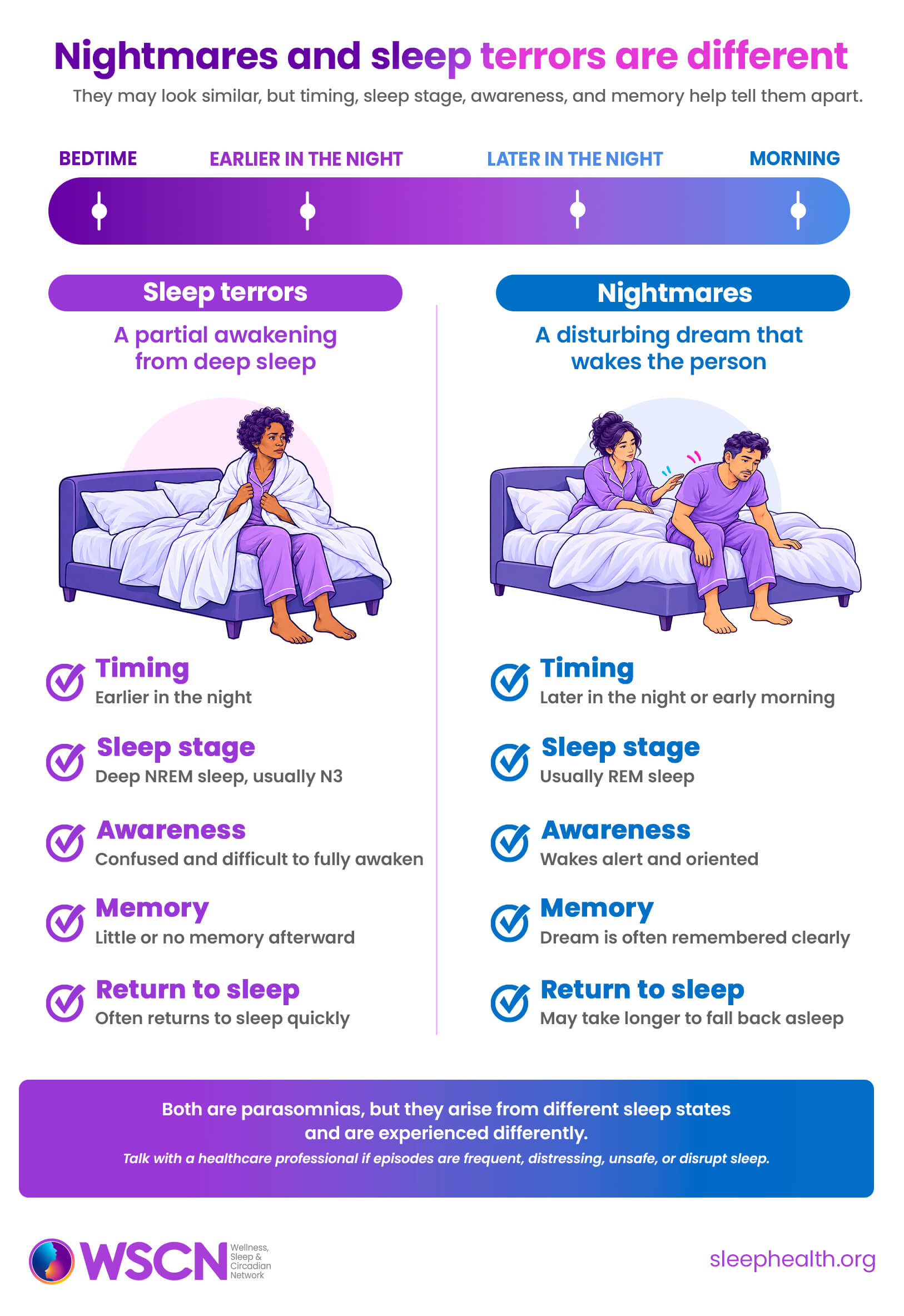
Continue reading