SEC Section: Sleep & Circadian Disorders

Obstructive Sleep Apnea

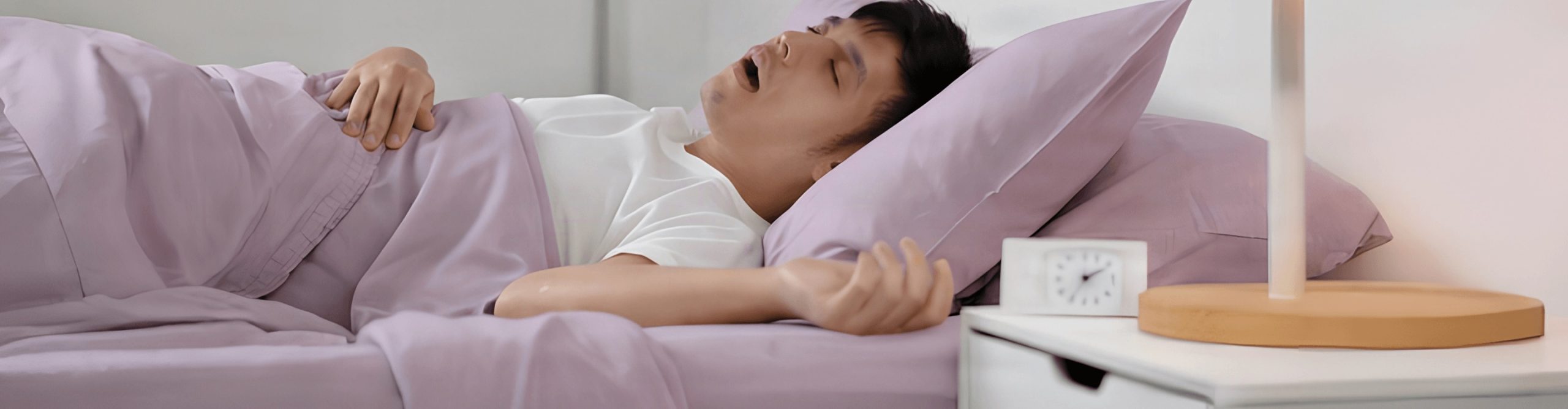
Obstructive sleep apnea (OSA) is a common sleep disorder in which the upper airway repeatedly narrows or becomes blocked during sleep. These interruptions in breathing can lower oxygen levels and disturb sleep, often without the person realizing it.

OSA can affect how we feel and function throughout the day. Common signs include loud snoring, gasping or pauses in breathing during sleep, and excessive daytime sleepiness. Some people also experience morning headaches, fatigue, or difficulty concentrating.

The good news is that OSA can be diagnosed and treated. Effective treatments can improve sleep quality and daytime wellbeing, while helping people manage the health risks associated with the condition.

This page focuses on adult OSA. Children and teens can also have OSA – see Sleep Apnea – Children and Teens.

Overview

  • Obstructive sleep apnea causes repeated interruptions in breathing during sleep, often without the person being aware of them
  • Common signs include loud snoring, breathing pauses, gasping during sleep, and excessive daytime sleepiness. However, symptoms can vary between individuals
  • A sleep study, performed at home or in a sleep center, is needed to confirm OSA and assess its severity
  • Effective treatments are available, including positive airway pressure (PAP) therapy, oral appliances, and other options based on individual needs
  • Treating OSA can improve sleep quality, daytime alertness, and quality of life. Ongoing care helps ensure that treatment remains effective

ON THIS PAGE

About obstructive sleep apnea

During sleep, the muscles around our upper airway naturally relax. In people with OSA, this can cause the airway to become too narrow or temporarily blocked, reducing or stopping airflow.

When breathing is interrupted, the brain responds by briefly waking the person enough to restore normal breathing. These awakenings are often so short that they are not remembered. However, they can happen many times throughout the night, disrupting sleep and sometimes lowering oxygen levels.

Doctors measure the severity of OSA using the apnea-hypopnea index (AHI), which counts the average number of breathing interruptions per hour of sleep:

AHI below 5: Generally considered within the normal range

  • Mild OSA: 5–14 events per hour
  • Moderate OSA: 15–29 events per hour
  • Severe OSA: 30 or more events per hour

The AHI is an important measure, but it doesn’t tell the whole story. Doctors also consider symptoms, oxygen levels, and other health conditions when deciding on appropriate treatment.

Signs and symptoms

OSA symptoms vary from person to person. Some people experience noticeable breathing problems during sleep, while others mainly notice how they feel and function during the day.

Nighttime symptoms

Common nighttime signs of OSA include:

  • Loud snoring: Frequent or disruptive snoring, sometimes interrupted by periods of silence.
    Breathing pauses: Breathing that repeatedly stops and starts, often noticed by a bed partner.
  • Gasping or choking: Sudden gasping, choking, or snorting sounds as breathing resumes.
  • Restless sleep: Frequent awakenings or movement during the night, sometimes without remembering waking up.
  • Dry mouth or sore throat: Waking with a dry mouth or sore throat, often associated with breathing through the mouth.
  • Waking short of breath: Suddenly waking with a feeling of breathlessness or needing to catch your breath

Not everyone who snores has OSA, and not everyone with OSA snores. A partner or family member may notice breathing interruptions before the person with OSA becomes aware of them.

Daytime symptoms

Repeated breathing interruptions can disrupt sleep and affect how we feel and function throughout the day. Common daytime symptoms include:

  • Excessive daytime sleepiness: Feeling unusually sleepy during the day, even after spending enough time in bed.
  • Fatigue and low energy: Feeling tired or lacking the energy needed for everyday activities.
  • Difficulty concentrating: Problems with attention, memory, or decision-making.
  • Mood changes: Increased irritability, low mood, or difficulty managing stress.
  • Morning headaches: Headaches upon waking that often improve as the day progresses.
  • Reduced daily functioning: Difficulty keeping up with work, social activities, or everyday responsibilities.

Screening and diagnosis

OSA cannot be diagnosed by symptoms alone. A sleep study is needed to confirm the diagnosis and understand the type and severity of sleep apnea.

Screening tools

Clinicians may use questionnaires to estimate the likelihood of OSA or daytime sleepiness. Examples include the STOP-Bang questionnaire, Epworth Sleepiness Scale, and Berlin Questionnaire. These tools can support decision-making, but they do not replace diagnostic testing. Diagnosis requires a sleep study or at-home sleep apnea test.

Sleep studies

An in-lab polysomnogram is an overnight sleep study performed in a sleep center. It records sleep stages, breathing, blood oxygen saturation levels, heart rhythm, body position, and movements. It can help diagnose OSA and identify other sleep disorders.

A home sleep apnea test is done at home with portable equipment. It usually measures breathing, oxygen levels, heart rate, and breathing effort. It can be appropriate for many adults when there is a strong suspicion of moderate to severe OSA and no major complicating conditions.

If a home test is negative, unclear, or does not match the person’s symptoms, further evaluation may be needed.

How to get help

A primary care physician is a good place to start for a sleep disorder evaluation. They can conduct preliminary screenings and recommend next steps for diagnosis. It can be helpful to bring information to an initial visit: try using WSCN’s Preparing to meet your new healthcare provider checklist.

Red flag: Seek emergency medical care if you experience severe shortness of breath, chest pain, fainting, sudden confusion, or new weakness or difficulty speaking.

Causes, risk factors, and health implications

Causes and risk factors

OSA develops when the upper airway repeatedly becomes too narrow or blocked during sleep. Several factors can increase the likelihood of this happening, and more than one may contribute. OSA can affect people of any age or body size.

Common risk factors include:

  • Airway anatomy: A naturally narrow airway, a smaller or recessed jaw, or enlarged tissues around the throat can make the airway more likely to become blocked during sleep. Chronic nasal congestion can also contribute to breathing difficulties.
  • Age and hormones: OSA becomes more common with age. Hormonal changes also influence risk, particularly in women after menopause.
  • Body weight: Excess tissue around the upper airway can increase the risk of obstruction. However, people who are not overweight can also develop OSA.
  • Family history: Having close relatives with OSA can increase your risk, partly because airway structure and other contributing traits can be inherited.
  • Alcohol and certain medications: Alcohol and sedating medications can relax the muscles around the airway and make breathing interruptions worse. Opioid medications can also affect breathing during sleep.
  • Sleeping position: For some people, sleeping on their back makes the airway more likely to become blocked. This is known as positional OSA.

How can OSA affect long-term health?

OSA does more than disrupt sleep. Repeated drops in oxygen levels and interruptions in breathing can place stress on the body. Over time, untreated OSA is associated with an increased risk of several health problems, including:

  • Heart and blood vessel conditions: OSA can contribute to high blood pressure and is associated with heart disease, irregular heart rhythms such as atrial fibrillation, and stroke.
  • Metabolic conditions: OSA is linked to insulin resistance, type 2 diabetes, and other problems with how the body regulates blood sugar.
  • Brain and cognitive health: Research suggests that OSA is associated with problems involving memory and thinking. Scientists are also investigating possible connections with dementia, including Alzheimer’s disease.

These health risks vary between individuals and depend on several factors, including OSA severity and other existing health conditions. Effective treatment can improve breathing during sleep and reduce daytime symptoms. Managing OSA is also an important part of caring for overall health.

Treatment and management

OSA treatment should be individualized. The goals are to improve breathing during sleep, reduce symptoms, support daytime function, lower safety risks, and address related health concerns.

OSA commonly occurs with other health conditions. Treating OSA does not guarantee prevention or reversal of other health conditions, but it can help in some circumstances.

Positive airway pressure therapy

Positive airway pressure, or PAP, is one of the most effective treatments for adult OSA, and is commonly the first treatment prescribed. PAP devices deliver pressurized air through a mask to help keep the airway open during sleep.

Types of PAP may include:

  • CPAP: continuous positive airway pressure
  • APAP: auto-adjusting positive airway pressure
  • BiPAP or bilevel PAP: two pressure levels, used in select situations

PAP can reduce apnea/hypopnea events, improve oxygen levels, reduce snoring, and improve daytime alertness and quality of life for many people.

Some people adjust quickly to PAP therapy, while others need time and support to get comfortable. Common challenges include mask discomfort, air leaks, dryness, or difficulty tolerating the air pressure. Adjusting the mask, using a humidifier, or changing pressure settings can often help. Education and peer support can also make it easier to use PAP successfully over time.

Oral appliance therapy

Oral appliances may be an option for adults who cannot tolerate PAP therapy or prefer an alternative. They are often used for mild to moderate OSA, but may also be considered for some people with more severe OSA. A qualified dental sleep medicine provider should fit and monitor the device. Over-the-counter mouthguards are not a substitute for custom-made oral appliances designed to treat OSA.

Positional therapy

Some people have OSA mainly when sleeping on their back. Positional therapy uses pillows or other positioning devices to help the person sleep on their side or avoid back-sleeping. It may be helpful when sleep testing shows that OSA is strongly position-dependent, but it may not be enough for all people.

Weight loss support

For some people, weight loss can reduce the severity of OSA and improve symptoms. Depending on individual needs, treatment may include nutritional support, physical activity, behavioral approaches, or weight-management medications.

In December 2024, the U.S. Food and Drug Administration (FDA) approved tirzepatide (Zepbound) for moderate to severe OSA in adults with obesity, alongside a reduced-calorie diet and increased physical activity. This offers another treatment option for eligible patients.

Weight management should be individualized and supported by a healthcare professional. Even after significant weight loss, some people continue to need PAP therapy, an oral appliance, or another OSA treatment. OSA also affects people who are not overweight.

Surgery and hypoglossal nerve stimulation

Surgery may be an option when the structure of the upper airway contributes to OSA or when other treatments are not suitable or effective. Depending on the individual, procedures may involve removing or repositioning tissue that blocks the airway or adjusting the position of the jaw. The choice depends on the person’s anatomy and a specialist evaluation.

Hypoglossal nerve stimulation is an implanted treatment for selected adults with moderate to severe OSA who cannot tolerate PAP and meet specific clinical criteria. It works by stimulating muscles that help move the tongue forward during sleep.

Follow-up sleep testing is often needed after surgery or implanted therapy to assess whether OSA has improved.

Living with OSA and management over time

OSA treatment sometimes needs adjustments to remain comfortable and effective. Regular follow-up with a healthcare professional can help identify problems and determine whether changes to treatment are needed. Paying attention to symptoms and treatment experiences can also help. Useful things to track include:

  • Sleep patterns: Bedtimes, wake times, and nighttime symptoms such as snoring or gasping.
  • Daytime wellbeing: Sleepiness, fatigue, morning headaches, mood, and concentration.
  • Treatment use: How regularly PAP therapy or an oral appliance is used and any difficulties with treatment.
  • Daily habits: Changes in caffeine or alcohol consumption, medication use, and napping.
  • Changes in health, body weight, or medications can affect treatment needs over time. Working with your healthcare team can help ensure that treatment continues to support better sleep and daytime wellbeing.

Research and what we are still learning

Research into OSA continues to improve our understanding of why the condition affects people differently and which treatments work best for each person.

Scientists are exploring new ways to treat OSA, including medications that target some of its underlying causes. Researchers are also studying how to make existing treatments more comfortable and effective, and how treating OSA affects long-term health.

These advances could lead to more personalized treatment options, helping people find approaches that work better for their individual needs.

Related conditions

OSA can overlap with or resemble other sleep and health problems, including:

A careful evaluation can help distinguish OSA from other contributors to poor sleep, fatigue, or daytime sleepiness.

References


Medical disclaimer
This article is for educational purposes only and is not intended to replace professional medical advice, diagnosis, or treatment. Speak with a qualified healthcare professional about questions or concerns related to your sleep. Read full medical disclaimer

Continue reading

Sleep-Related Breathing Disorders

Sleep-related breathing disorders include conditions that change how a person breathes during sleep. Breathing might slow down, become shallow, or stop repeatedly for short durations during the night. These breathing interruptions cause micro-arousals – brief, often unnoticed waking to lighter levels of sleep – that lead to sleep fragmentation. 

Breathing issues can also cause drops in oxygen levels, and increases in levels of carbon dioxide (hypercapnia). These disruptions can make it hard for the body to get the restorative, restful sleep it needs, even if a person does not fully wake up or remember it happening. 

This page explains what sleep-related breathing disorders are, what symptoms may look like, which conditions may be involved, and when to seek support. 

Overview

  • Sleep-related breathing disorders cause breathing to become interrupted, reduced, or irregular during sleep, often without the person realizing
  • Common signs include loud snoring, gasping, or pauses in breathing during sleep, as well as daytime sleepiness and fatigue
  • Health effects can extend beyond sleep, affecting daytime functioning and increasing the risk of cardiovascular and other health problems
  • Diagnosis and treatment can help improve sleep and quality of life
  • Effective treatments are available, depending on the underlying condition

ON THIS PAGE

Common signs and symptoms

People with sleep-disordered breathing may experience a range of symptoms across both day and night. The experience can be highly individual and some people notice very few obvious nighttime symptoms. Sometimes a bed partner notices breathing symptoms during sleep before the person experiencing them does. 

Common nighttime symptoms include:

  • Loud, frequent, or disruptive snoring
  • Pauses in breathing noticed by another person
  • Gasping, choking, or snorting during sleep
  • Restless, fragmented, or unrefreshing sleep

Common daytime symptoms include:

  • Morning headaches or dry mouth
  • Daytime sleepiness, napping, or fatigue
  • Trouble with concentration, memory, mood, or motivation
  • Drowsy driving or safety concerns
  • High blood pressure or other cardiometabolic concerns

Common symptoms in children and teens:

Children and teens often show many of the same symptoms, including snoring, restless sleep, mouth breathing, bedwetting, behavioral changes, learning concerns, morning headaches, or daytime sleepiness. It is important to seek care with a pediatrician if your child or teen is showing these symptoms. Read more on our pediatric obstructive sleep apnea page.

Why sleep-related breathing disorders matter across 24 hours

Sleep-related breathing disorders affect more than sleep. Repeated breathing interruptions can reduce oxygen levels and disrupt restorative sleep, affecting how we feel and function throughout the day.

Over time, untreated sleep-related breathing disorders, particularly obstructive sleep apnea, have been linked to an increased risk of high blood pressure, cardiovascular disease, stroke, and type 2 diabetes. They can also affect relationships and quality of life, while sleep-related breathing problems in children may interfere with learning and development.

Recognizing these conditions and seeking appropriate treatment can improve sleep, daytime functioning, and overall wellbeing. Addressing sleep-related breathing problems is an important part of protecting health across all 24 hours.

Sleep-disordered breathing can also affect family members or bed partners and impact relationships. There is clear evidence that sleep apnea is linked to erectile and sexual dysfunction in both men and women. 

In a household, loud snoring can also disrupt other householder’s nights and increase stress as everyone feels the effects of poor sleep and altered circadian rhythms. For children and teens, sleep-related breathing problems can affect behavior, learning, mood, growth, and family routines. This in turn has flow-on effects for their development, socialization and school participation.

Identifying a treating sleep-related breathing disorder improves both the daytime and the nighttime. Taking steps to receive care, is one of the best things you can do for your health, and those of your loved ones and householders. Understanding how days and nights connect provides an opportunity to own all 24 hours and optimize your wellbeing.

When to seek help

You do not need to know which sleep disorder you might have before asking for help. If you experience persistent snoring, breathing pauses during sleep, or excessive daytime sleepiness, speak with a healthcare professional. Early assessment can help identify the cause and guide appropriate treatment.

Red flag: Seek emergency medical care if you experience severe shortness of breath, chest pain, fainting, sudden confusion, or new weakness or difficulty speaking.

Screening and diagnosis

A primary care clinician is a good place to start if you suspect a sleep-related breathing disorder. They can review your symptoms and medical history and recommend appropriate testing.

Diagnosis often involves a sleep study. Depending on your symptoms and medical history, this may be a home sleep apnea test or an overnight study in a sleep center, known as polysomnography. Home tests are suitable for certain people with suspected obstructive sleep apnea, while other breathing disorders may require more detailed testing. Learn more on the Diagnosing Sleep Disorders page.

Preparing for an appointment

To ensure you are prepared for a medical appointment, it can be helpful to use WSCN’s Preparing to meet your new healthcare provider checklist. 

Treatment and management

Treatment depends on the type of sleep-related breathing disorder, its severity, and a person’s overall health. Many effective treatments are available to improve breathing during sleep and support better sleep quality.

Depending on the condition, treatment options may include:

  • Positive airway pressure (PAP) therapy: Devices such as CPAP help keep the airway open during sleep. Other forms of PAP may be used for certain breathing disorders.
  • Oral appliances: Custom-fitted devices that help keep the airway open during sleep, particularly for some people with obstructive sleep apnea.
  • Lifestyle and medical management: Weight management, treatment of nasal obstruction or allergies, and reviewing medications that may affect breathing.
  • Surgery or other procedures: Considered in selected cases, depending on the underlying cause.

Children with sleep-related breathing disorders may require different treatments, guided by a pediatric healthcare professional.

A healthcare professional can help determine the most appropriate approach. Learn more about specific treatments on our Obstructive Sleep Apnea and Central Sleep Apnea in Adults pages.

References


Medical disclaimer
This article is for educational purposes only and is not intended to replace professional medical advice, diagnosis, or treatment. Speak with a qualified healthcare professional about questions or concerns related to your sleep. Read full medical disclaimer

Continue reading

Bruxism

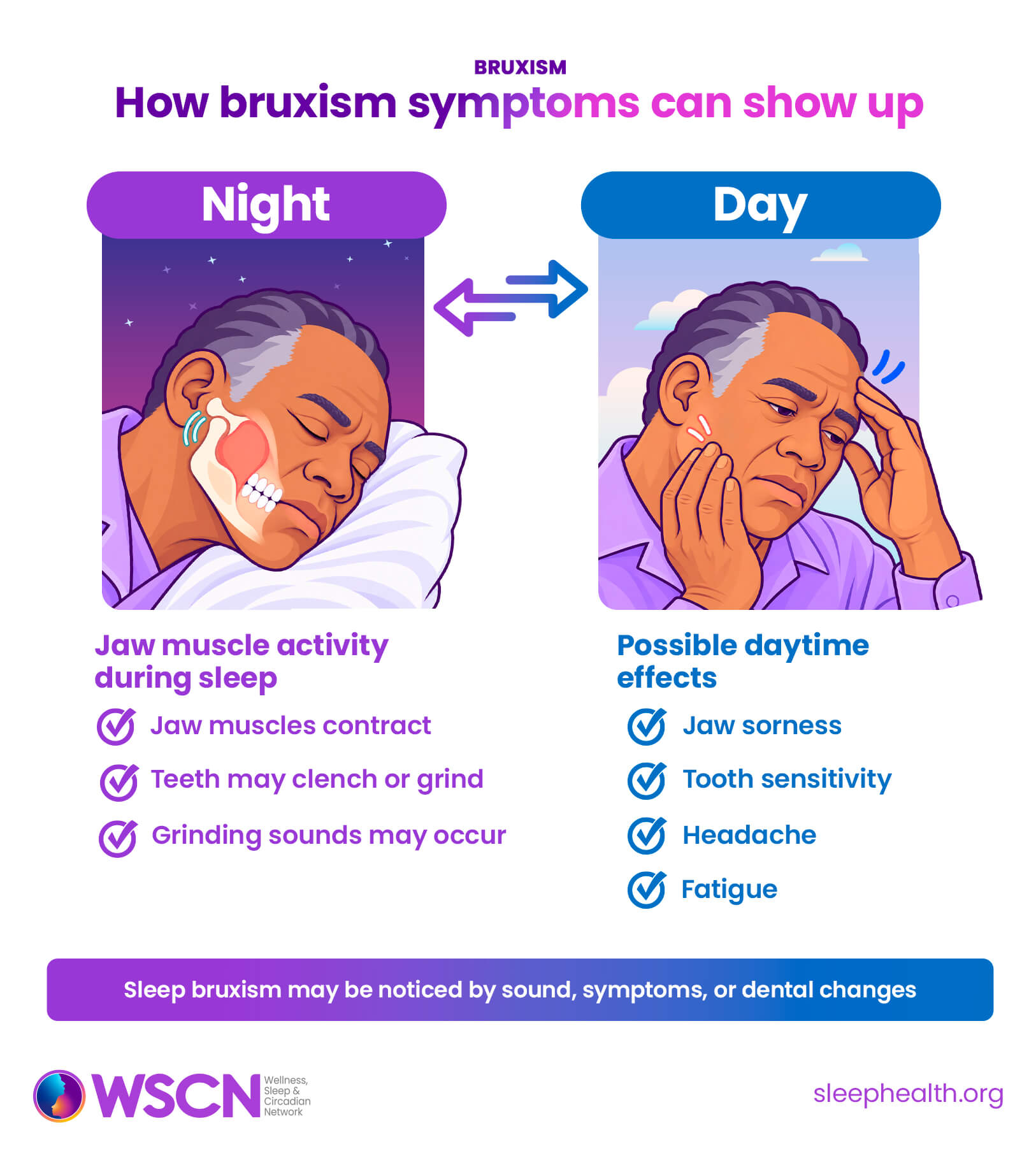
Bruxism means repeated jaw muscle activity that may include clenching, grinding, bracing, or thrusting the jaw. When it happens during sleep, it is called sleep bruxism. Many adults do not know it is happening until a bed partner hears tooth grinding or a dentist notices tooth wear.

Sleep bruxism is not always harmful, but it becomes more important to evaluate when it causes tooth damage, jaw pain, morning headaches, or disrupts sleep.

Overview

  • Sleep bruxism is repeated jaw muscle activity during sleep, often described as teeth grinding or clenching
  • It can cause tooth wear, jaw muscle pain, facial discomfort, morning headaches, or disturbed sleep
  • Some people have sleep bruxism without obvious symptoms or damage
  • Sleep bruxism may be associated with stress, genetics, certain medications, alcohol, caffeine, tobacco, and sleep-disordered breathing
  • Diagnosis often starts with dental and medical history; a sleep study may be used when another sleep disorder is suspected
  • Management focuses on protecting teeth, reducing pain, identifying contributors, and treating related sleep or health conditions

ON THIS PAGE

About bruxism

Bruxism involves repeated activity of the jaw muscles and can occur while a person is awake or asleep. Awake bruxism typically involves clenching or holding the jaw tense, often during periods of concentration or stress. Sleep bruxism occurs during sleep and may involve teeth grinding, clenching, or rhythmic jaw movements.

Sleep bruxism is classified as a sleep-related movement disorder. It often occurs alongside brief changes in sleep activity, known as arousals, when the brain temporarily shifts toward lighter sleep without fully waking. Most people are unaware these episodes are happening.

Sleep bruxism is relatively common, although estimates vary depending on how it is measured. Some people experience occasional jaw muscle activity without pain or dental damage, while others develop tooth wear, jaw discomfort, or other symptoms that affect their daily lives.

Sleep bruxism is not a “bad habit”. It involves complex interactions between the nervous system, sleep processes, and other factors. Understanding when it causes symptoms or damage can help determine whether treatment is needed.

Signs and symptoms

Sleep bruxism often goes unnoticed because it occurs during sleep. Some people only become aware of it when a bed partner hears teeth grinding or a dentist identifies signs of tooth wear.

Although sleep bruxism does not always cause symptoms, repeated jaw muscle activity may be associated with jaw discomfort, tooth sensitivity, or morning headaches. These symptoms can sometimes affect eating, speaking, concentration, and daily activities.

Nighttime signs

A person with sleep bruxism may notice or be told about:

  • Jaw movement, grinding or clenching sounds during sleep
  • Sleep disruption for a bed partner
  • Nighttime waking with a tight or tired jaw

Daytime symptoms

Sleep bruxism can also show up during the day as:

  • Jaw muscle soreness or stiffness, particularly in the morning
  • Difficulty opening the mouth fully or occasional jaw locking
  • Facial pain or discomfort around the ears
  • Morning headaches, particularly around the temples
  • Tooth sensitivity or pain
  • Chipped, flattened, fractured, or worn teeth or dental restorations
  • Fatigue or difficulty concentrating if sleep is disrupted

How symptoms can vary

Some people have noticeable tooth wear or grinding sounds without experiencing pain. Others report jaw discomfort or headaches without obvious dental damage.

Symptoms may change over time and sometimes become more noticeable during periods of stress, poor sleep, or medication changes. However, jaw pain, headaches, and tooth wear can have other causes and do not necessarily mean a person has active sleep bruxism.

Screening and diagnosis

Taking a whole-person 24-hour approach asks what happens before sleep, during sleep, and after waking. Tracking this pattern may show whether bruxism is linked with dental or medical conditions, daytime stressors, or other factors.

Evaluation may involve a dentist, primary care clinician, sleep medicine clinician, or oral medicine specialist. A clinician may ask about the following symptoms, so it can help to bring this information to an appointment:

  • Grinding sounds reported by a bed partner
  • Tooth wear, fractures, or dental sensitivity
  • Jaw pain, facial pain, headaches, or jaw locking
  • Sleep schedule and sleep quality
  • Snoring, gasping, witnessed breathing pauses, or daytime sleepiness
  • Alcohol, caffeine, nicotine, cannabis, or other substance use
  • Current medications, including antidepressants or stimulants
  • Stress, anxiety, trauma, pain, or other health conditions

A dentist may examine the teeth, gums, jaw muscles, bite, and temporomandibular joints. A sleep study is not usually needed to detect bruxism alone, but it may be recommended when obstructive sleep apnea, seizures, periodic limb movements, or another sleep disorder is suspected. Polysomnography with muscle and audio-video recording may be used to measure sleep bruxism in complex clinical cases.

When to visit a dentist or doctor

If a person experiences any of the symptoms listed above, or is concerned about their daytime or sleep health, it is recommended to make an appointment with a health professional. Seeking care promptly can help with receiving a clear diagnosis and treatment plan, and lead to improvements in wellbeing.

A dentist is often the first clinician to identify bruxism. A primary care clinician may also be involved in treatment and monitoring of non-dental contributors.

Questions to ask include:

  • Do my symptoms fit sleep bruxism?
  • Is there tooth damage that needs protection?
  • Could obstructive sleep apnea or another sleep disorder be involved?
  • Could medication, alcohol, caffeine, nicotine, or stress be contributing?
  • Would an oral appliance be appropriate for me?
  • What should I track before my next visit?

When to seek urgent medical attention

It is usually fine to wait a few weeks for an appointment to talk about sleep issues. 

Red flag: The following symptoms may be dangerous, and should receive prompt medical attention:

  • Sleep loss severe enough to cause drowsy driving or other safety risks
  • Bruxism that begins after dental procedures
  • Bruxism that begins after a medication or substance change
  • Daytime neurological symptoms or seizures
  • Sleep loss or pain causing new or worsening depression, hopelessness, or thoughts of self-harm

Risk factors and health implications

Causes and risk factors

Sleep bruxism does not have a single known cause. It appears to involve several factors related to brain activity, sleep patterns, genetics, and individual health. Some factors may increase the likelihood of teeth grinding or clenching during sleep, although their exact roles are not always clear.

Possible risk factors and contributing factors include:

  • Stress and emotional load: Stress, anxiety, and tension may worsen clenching or grinding for some adults.
  • Genetic tendency: Bruxism can run in families.
  • Sleep disruption: Fragmented sleep and brief arousals into lighter sleep may be linked with jaw muscle activity.
  • Sleep-disordered breathing: Sleep bruxism can occur in people with obstructive sleep apnea or snoring, although the relationship is complex.
  • Medications: Some medications, including certain antidepressants or stimulants, may contribute in some people.
  • Substances: Alcohol, caffeine, tobacco, and some recreational substances may increase risk or worsen symptoms.
  • Pain and jaw disorders: Temporomandibular disorder symptoms and jaw muscle pain can overlap with bruxism.
  • Schedule and lifestyle factors: Short sleep, irregular sleep timing, shift work, and high stress periods may affect symptom patterns.

Long-term health implications

Sleep bruxism does not always cause harm. However, frequent or forceful teeth grinding and jaw clenching may lead to dental problems, discomfort, and difficulties with everyday activities.

Possible long-term effects include:

  • Dental health: Repeated grinding or clenching may contribute to tooth wear, fractures, sensitivity, and damage to fillings, crowns, or other dental restorations.
  • Jaw pain and function: Some people experience persistent jaw muscle soreness, facial pain, headaches, or symptoms associated with temporomandibular disorders (TMD), which affect the jaw muscles and joints.
  • Sleep health: Grinding sounds may disturb a bed partner’s sleep. Sleep bruxism may also occur alongside other conditions that disrupt sleep, such as obstructive sleep apnea.
  • Emotional well-being: Ongoing pain, dental concerns, or poor sleep may contribute to stress, frustration, anxiety, or low mood.
  • Underlying health conditions: In some cases, bruxism may be associated with medication effects or other sleep and medical conditions that require evaluation.

Sleep bruxism itself is not known to directly cause cardiovascular or metabolic disease. However, associated conditions, particularly untreated obstructive sleep apnea, may carry broader health risks.

Identifying and managing problematic bruxism can help protect dental health, reduce discomfort, and improve daily well-being.

Treatment and Management

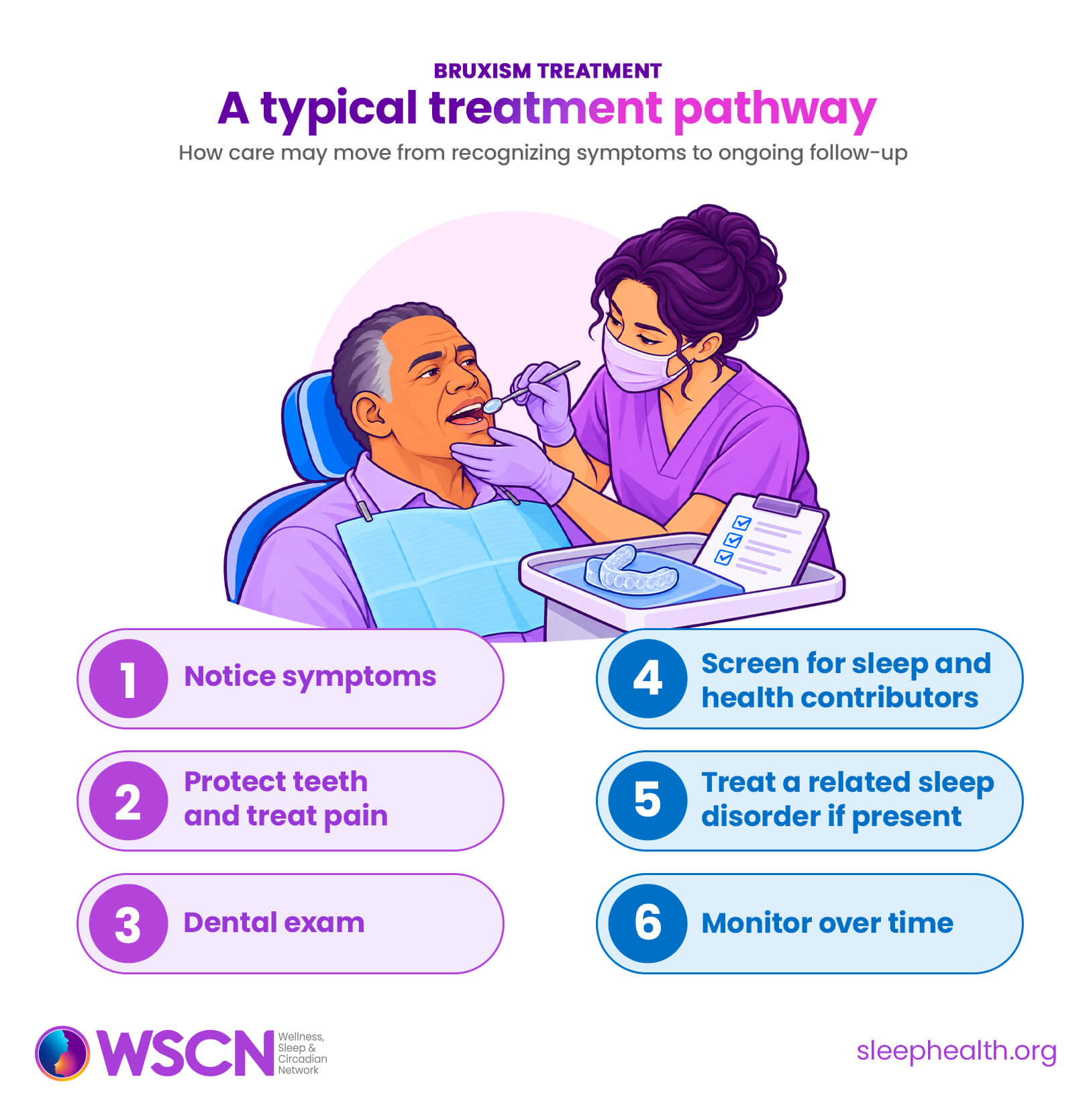
Treatment depends on symptoms, tooth damage, sleep quality, and contributing factors. Management usually focuses on protection, symptom relief, and identifying related conditions.

Dental protection

A dentist may recommend an oral appliance or splint to protect the teeth. These devices do not always stop the jaw muscle activity, but they can reduce tooth damage and may help with some symptoms. A custom-fitted device is often preferred when ongoing use is needed.

Pain and jaw muscle support

Management may include jaw relaxation strategies, avoiding gum chewing or prolonged jaw clenching, heat or cold as recommended, physical therapy, or care for temporomandibular disorder symptoms. Pain treatment should be individualized.

Sleep and 24-hour supports

While bruxism can cause disrupted sleep, insufficient or disrupted sleep can also contribute to bruxism. A whole-24-hours approach will prioritize supportive daytime behaviors and a healthy sleep routine to reduce bruxism symptoms. Helpful steps may include:

  • Keeping a consistent sleep-wake schedule
  • Allowing enough time for rest and sleep
  • Reducing alcohol close to bedtime
  • Reviewing caffeine and nicotine timing
  • Tracking whether symptoms follow short sleep, late nights, or shift changes
  • Treating insomnia, sleep apnea, or other sleep disorders when present

Stress management and behavioral approaches

Stress management does not mean the problem is “just stress.” It means the jaw and sleep systems may be sensitive to arousal. Relaxation training, biofeedback, cognitive behavioral therapy, or behavioral sleep medicine may help some adults, especially when bruxism overlaps with insomnia, anxiety, or daytime clenching.

Medication review

Medication is not usually the first treatment for sleep bruxism. However, if bruxism is severe, a doctor may prescribe a muscle relaxant to help ease nighttime symptoms.

If bruxism symptoms started or worsened after a medication change, a clinician can review options, since some medications can make bruxism worse. People should not stop prescribed medication without medical guidance.

Research and what we are still learning

Researchers are still working to clarify when sleep bruxism is a harmless sleep-related behavior and when it should be considered a disorder requiring treatment. A major challenge is measurement. Self-report, dental examination, portable electromyography, and sleep laboratory studies do not always identify the same patterns or findings.

Recent systematic reviews suggest that stabilization splints (mouth guards) may help reduce or manage sleep bruxism activity for some adults, but evidence is still limited and not all treatments have strong support. More research is needed on long-term outcomes, patient-centered measures, the relationship with obstructive sleep apnea, and which treatments work best for different subgroups.

References


Medical disclaimer
This article is for educational purposes only and is not intended to replace professional medical advice, diagnosis, or treatment. Speak with a qualified healthcare professional about questions or concerns related to your sleep. Read full medical disclaimer
Continue reading

Restless Legs Syndrome

Restless legs syndrome, or RLS, is a sleep-related movement disorder that causes a strong urge to move the legs, usually with uncomfortable sensations that are worse during rest and in the evening or night. Moving, stretching, or walking often brings temporary relief.

RLS is real, common, and often treatable. Because symptoms can disrupt sleep and negatively affect daytime function, evaluation can help identify next steps and reduce the burden across the whole 24 hours.

Overview

  • Restless legs syndrome causes an urge to move the legs, often with sensations described as crawling, pulling, aching, tingling, or burning
  • Symptoms usually begin or worsen when a person is resting, sitting, or lying down, and are usually worse in the evening/night
  • Movement often improves symptoms for a short time
  • RLS can make it difficult to fall asleep, stay asleep, travel, sit through meetings, relax in the evening, or share a bed comfortably
  • Low iron levels, pregnancy, kidney disease, some medications, untreated sleep apnea, and family history may contribute to RLS
  • Treatment may include checking iron status, addressing triggers, treating related conditions, behavioral strategies, and medication when appropriate

ON THIS PAGE

About restless legs syndrome

Restless legs syndrome (RLS), also known as Willis-Ekbom disease, is diagnosed primarily from a person’s symptoms. There is no single test that confirms RLS. Instead, healthcare professionals look for characteristic symptom patterns and rule out other possible explanations, such as leg cramps, nerve pain, or arthritis.

RLS can affect people of any age, although it becomes more common with age and is reported more often in women. Because the sensations can be difficult to describe or mistaken for other conditions, some people live with symptoms for years before receiving a diagnosis.

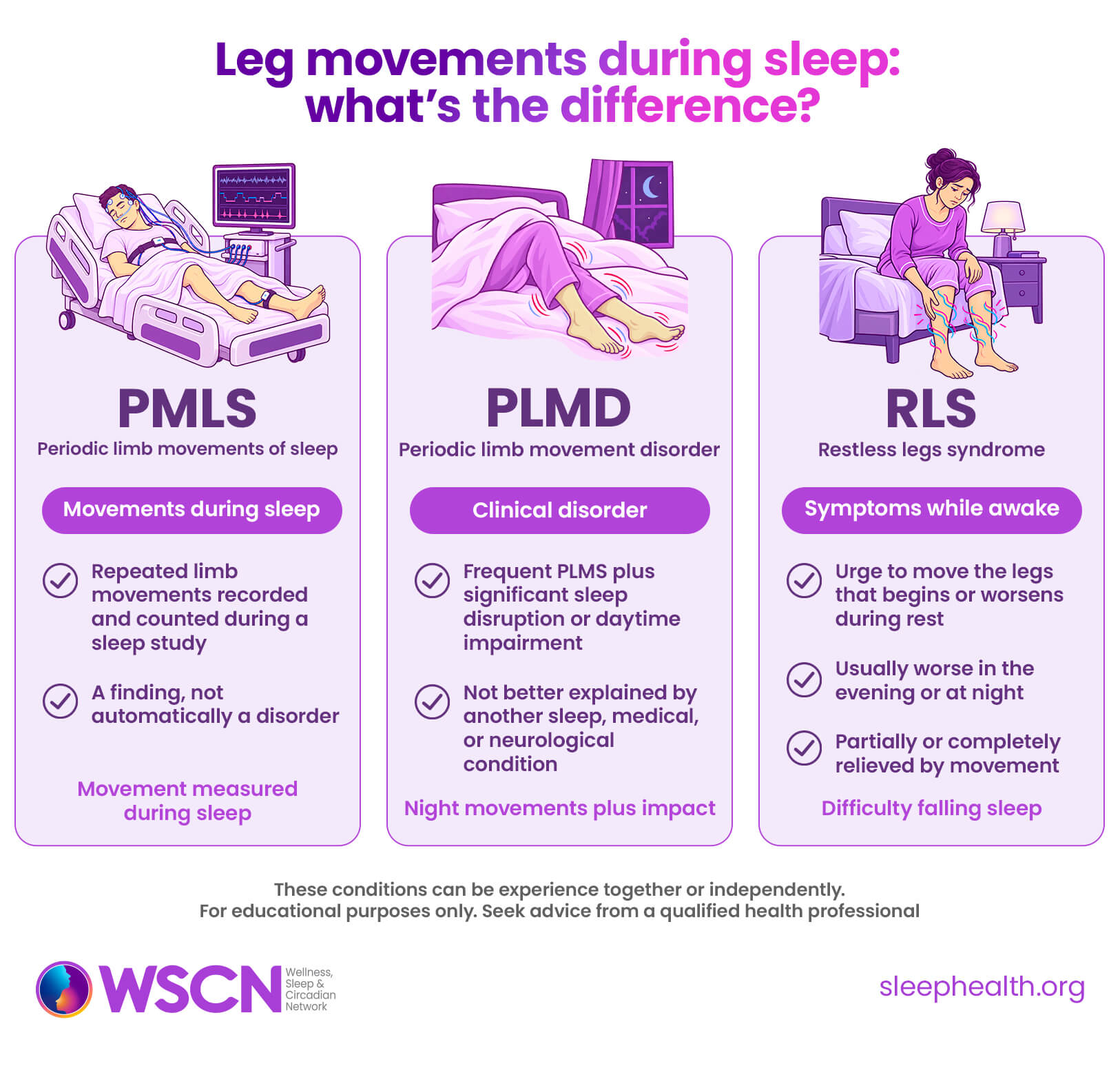
Many people with RLS also experience periodic limb movements during sleep (PLMS), which involve repeated, involuntary leg movements while asleep. However, PLMS and RLS are not the same. PLMS can be identified during a sleep study, while RLS is generally diagnosed based on symptoms experienced while awake.

Signs and symptoms

Restless legs syndrome (RLS) is often most noticeable in the evening or at night, when symptoms can make it difficult to relax or fall asleep. However, the effects can extend throughout the day, particularly when poor sleep causes fatigue or interferes with daily activities.

Likewise, actions people take throughout the day impact sleep – diet, exercise, alcohol, caffeine, medications, and stress can all affect how people sleep. A whole-24-hours approach looks at how people can promote health and well-being during both the day and the night, so that people can find opportunities to thrive and be well.

Nighttime and rest-related symptoms

Common evening and nighttime RLS symptoms include:

  • A strong urge to move the legs
  • Uncomfortable sensations deep in the legs
  • People describe crawling, pulling, itching, tingling, aches, throbbing, or burning
  • Symptoms that begin or worsen when sitting, lying down, or trying to sleep
  • Temporary relief with walking, stretching, rubbing, or moving the legs
  • Symptoms that are strongest in the evening or at night
  • Difficulty falling asleep or returning to sleep after waking due to the urge to move
  • Sometimes affects arms and other body regions if severe

Daytime symptoms

RLS can affect the daytime, especially when it disrupts sleep or makes sitting still difficult. People may notice:

  • Fatigue or sleepiness
  • Reduced focus or mental clarity
  • Irritability, low mood, or anxiety about bedtime
  • Trouble sitting for long periods due to discomfort
  • Reduced quality of life
  • Bed partner disruption, especially if leg movements occur in bed

Symptoms can range from mild and occasional to severe and frequent. Their intensity may also change over time.

Screening and diagnosis

Restless legs syndrome (RLS) is usually diagnosed based on a person’s symptoms and medical history. A healthcare professional will review when symptoms occur, what triggers them, and whether movement provides relief. They will also consider other conditions that could explain the discomfort.

Evaluation may include:

  • Symptom history, including timing, triggers, and relief with movement
  • Review of medications and supplements
  • Medical history, including kidney disease, pregnancy, neuropathy, anemia, and sleep disorders
  • Blood tests to assess iron status, often including ferritin and transferrin saturation
  • Screening for other sleep disorders, including obstructive sleep apnea 
  • Sleep study when another sleep disorder is suspected, or when periodic limb movement disorder needs evaluation

When to talk with a healthcare professional

A person does not need to know the name or exact nature of a condition before asking for help. If a person experiences any of the symptoms above, it is appropriate to discuss them with a healthcare professional. 

Red Flag: Seek urgent medical care if symptoms or sleep loss are affecting a person’s ability to drive or work safely, or is causing severe distress or thoughts of self-harm.

What to bring to a doctor’s visit

A primary care physician is a good place to start for a sleep disorder evaluation. They can conduct preliminary screenings and recommend next steps for diagnosis. It can be helpful to bring information to an initial visit: try using WSCN’s Preparing to meet your new healthcare provider checklist.

Causes, risk factors, and health implications

Causes and Risk Factors

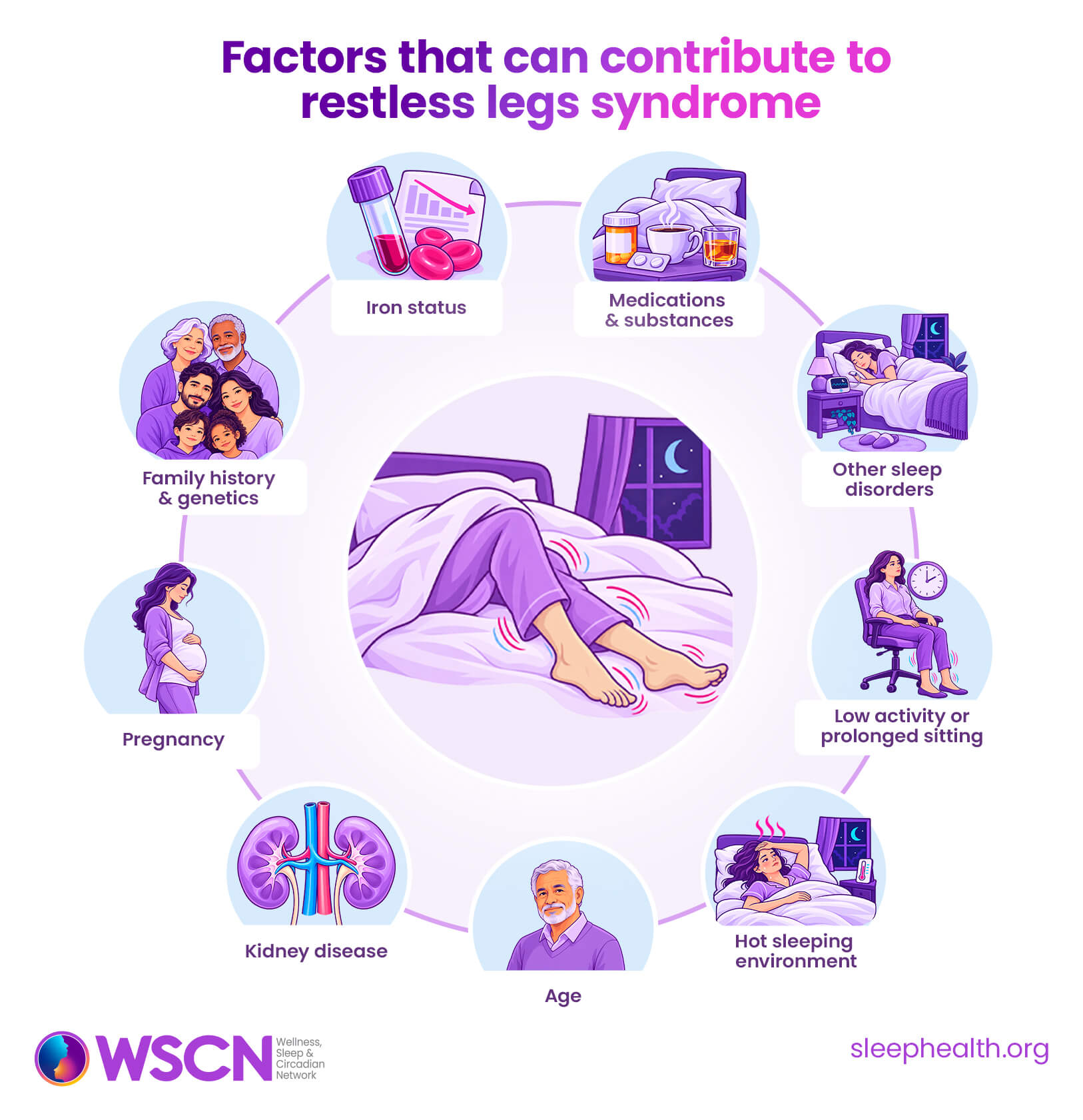
RLS can have more than one contributing cause, and for many people the cause is not fully clear. Common risk factors and contributors include:

  • Iron status: Low or low-normal iron stores can contribute to symptoms, even when a person is not anemic.
  • Family history and genetics: RLS can run in families, especially when symptoms begin earlier in life.
  • Age: RLS becomes more common with advancing age.
  • Pregnancy: Symptoms can appear or worsen during pregnancy, especially later pregnancy.
  • Kidney disease: RLS is more common in people with chronic kidney disease and end-stage kidney disease.
  • Medications and substances: Some medications may worsen symptoms, including certain antihistamines, antidepressants, antinausea medicines, and dopamine-blocking medications. Alcohol and caffeine may worsen symptoms for some people.
  • Other sleep disorders: Untreated obstructive sleep apnea or poor sleep quality may worsen symptoms or make them harder to manage.
  • Low activity or prolonged sitting: Sitting still for long periods can trigger RLS symptoms, particularly during travel or in the evening. This is a symptom trigger rather than a cause of the disorder.
  • Hot sleeping environment: Some people report worse RLS symptoms in warm sleeping conditions, although the evidence is limited and individual responses vary.

Long-term health implications

Persistent restless legs syndrome (RLS) can affect more than sleep. Ongoing symptoms and disrupted sleep can influence physical and mental health, as well as quality of life.

  • Sleep and mental health: Chronic sleep disruption can contribute to fatigue, anxiety, depressive symptoms, and reduced emotional wellbeing.
  • Cardiovascular health: Some studies have linked RLS with high blood pressure and cardiovascular disease, although it remains unclear whether RLS directly contributes to these conditions.
  • Daily functioning and safety: Poor sleep and ongoing discomfort can affect concentration, work performance, and the ability to manage everyday activities.
  • Relationships and quality of life: RLS can interfere with evening activities, travel, and social life. Symptoms may also disrupt a bed partner’s sleep.

Recognizing and treating RLS can help reduce symptoms, improve sleep, and support better health and wellbeing across all 24 hours.

Treatment and management

Treatment for restless legs syndrome (RLS) focuses on reducing symptoms, improving sleep, and supporting daily functioning. The best approach depends on symptom severity, underlying health conditions, and individual needs. Treatment options may include:

  • Checking iron levels: Low iron stores can contribute to RLS, even without anemia. Oral or intravenous iron may be recommended based on blood test results and medical assessment.
  • Medications: Gabapentin, pregabalin, and gabapentin enacarbil are recommended treatments for many adults with RLS. Dopamine agonists, once widely used, are no longer routinely recommended because long-term use can cause augmentation, in which symptoms become more severe or begin earlier in the day.
  • Non-medication devices: Specialized devices that provide gentle stimulation may help reduce symptoms in some people.
  • Managing triggers and related conditions: Reviewing medications and reducing substances that worsen symptoms can help. Treating conditions such as sleep apnea or kidney disease may also improve symptom management.
  • Healthy daily routines: Regular physical activity, consistent sleep schedules, and movement breaks during prolonged sitting may help reduce discomfort.

A healthcare professional can help identify the most appropriate treatment and monitor symptoms over time. Do not start iron supplements or change prescribed medications without medical guidance.

Research and what we are still learning

Researchers continue to investigate the underlying causes of restless legs syndrome (RLS), including the roles of genetics and iron regulation in the brain. Understanding these processes may help explain why symptoms vary between individuals and lead to more targeted treatments.

Another focus is developing safer and more effective long-term treatments, particularly for people with severe or persistent symptoms. Studies are also exploring non-medication devices and how RLS affects cardiovascular health and quality of life.

Research into RLS during pregnancy and in people with kidney disease may help improve care for these groups.

References


Medical disclaimer
This article is for educational purposes only and is not intended to replace professional medical advice, diagnosis, or treatment. Speak with a qualified healthcare professional about questions or concerns related to your sleep. Read full medical disclaimer
Continue reading

Periodic Limb Movement Disorder (PLMD)

Periodic limb movement disorder (PLMD) is a sleep-related movement disorder involving repeated, involuntary movements of the legs and sometimes the arms during sleep. These movements can disrupt sleep without the person realizing it, leaving them feeling unrested or tired during the day.

Occasional limb movements during sleep are common, particularly as people get older, and do not necessarily indicate a disorder. PLMD is diagnosed when frequent movements are associated with significant sleep problems or daytime difficulties that cannot be better explained by another condition.

Overview

  • PLMD involves repeated limb movements during sleep plus meaningful sleep disturbance or daytime impairment
  • The movements are usually involuntary and often involve the legs, such as ankle, toe, knee, or hip movements
  • A sleep study is needed to document periodic limb movements and evaluate whether another sleep disorder is present
  • PLMD is a diagnosis of exclusion, meaning other causes of the movements and symptoms must be considered first
  • PLMD is related to, but distinct from restless legs syndrome
  • Treatment focuses on identifying contributors, managing related conditions, improving sleep quality, and individualizing care with a qualified clinician

ON THIS PAGE

About periodic limb movement disorder

Periodic limb movements of sleep (PLMS) are repeated, involuntary movements that usually affect the legs. They often involve brief movements of the toes, ankles, or knees and can occur in regular patterns throughout the night.

PLMS are relatively common, especially in older adults, and do not necessarily indicate a sleep disorder. They are considered part of PLMD when they occur frequently, cause significant sleep difficulties or daytime problems, and cannot be better explained by another condition.

PLMD is different from restless legs syndrome (RLS). People with RLS experience an urge to move their legs while awake, often accompanied by uncomfortable sensations that worsen during rest or in the evening. Movement usually provides relief. Although many people with RLS also experience PLMS, the two conditions are not the same.

Signs and symptoms

Periodic limb movements usually happen without the person being aware of them. A bed partner may notice repeated kicking, jerking, or twitching during sleep, while others only discover these movements during a sleep study.

Although the movements occur at night, disrupted sleep can affect how someone feels and functions throughout the day.

Nighttime signs

A person or bed partner may notice:

  • Repeated leg or foot movements during sleep
  • Restless or disrupted sleep
  • Frequent brief awakenings
  • Bed covers that are kicked loose
  • Difficulty staying asleep
  • Sleep that feels light or unrefreshing

Daytime symptoms

Daytime effects may include:

  • Sleepiness or dozing unintentionally
  • Fatigue or low energy
  • Difficulty with concentration or memory
  • Irritability or low mood
  • Reduced work performance
  • Concern about driving or safety-sensitive tasks
  • Bed partner complaints

It is important to distinguish sleepiness from fatigue. Sleepiness means a tendency to doze or fall asleep. Fatigue means low energy or reduced capacity, even without a strong drive to sleep.

Screening and diagnosis

Periodic limb movement disorder (PLMD) is diagnosed through an overnight sleep study called polysomnography. This test records limb movements during sleep and helps identify other sleep disorders, such as obstructive sleep apnea, that could explain the symptoms.

Because periodic limb movements are common, their presence alone does not mean someone has PLMD. A healthcare professional will also consider sleep difficulties, daytime symptoms, medications, and other health conditions before making a diagnosis.

When to visit a doctor

If a person experiences the symptoms described above, or a bed partner’s sleep is suffering, it is recommended to make an appointment with a primary care physician or sleep specialist. They can conduct preliminary screenings and recommend next steps for diagnosis. 

It can be helpful to prepare information for an initial visit. Try using WSCN’s Preparing to meet your new health care provider checklist.

It can also be helpful to make a note of:

  • Restless legs symptoms while awake
  • Medications and supplements
  • Caffeine, alcohol, nicotine, or other substances use
  • Kidney disease, diabetes, neuropathy, Parkinson’s disease, pregnancy history, pain, or other medical conditions
  • Bed partner observations and/or videos

When to seek urgent medical attention

It is usually fine to wait a few weeks for an appointment to talk about sleep issues. 

Red flag: The following symptoms may be dangerous, and should receive prompt medical attention:

  • New or worsening depression, hopelessness, or thoughts of self-harm
  • Falling asleep while driving or during safety-sensitive tasks

Questions to ask your doctor

Questions to ask may include:

  • Do my symptoms suggest PLMD, restless legs syndrome, sleep apnea, or another condition?
  • Do I need a sleep study?
  • Could my medications or supplements be contributing?
  • Should iron studies or other lab tests be checked?

Risk factors and contributors

Periodic limb movements during sleep (PLMS) become more common with age and may occur alongside other sleep disorders or medical conditions. However, having these movements does not necessarily mean someone has periodic limb movement disorder (PLMD).

Factors associated with PLMS include:

  • Age: Periodic limb movements become more common in older adults.
  • Other sleep disorders: PLMS frequently occur in people with restless legs syndrome and may also accompany sleep apnea or other sleep disorders.
  • Medical conditions: Kidney disease, diabetes, neuropathy, and certain neurological conditions may be associated with limb movements during sleep.
  • Iron levels: Low iron stores are particularly relevant to restless legs syndrome and may warrant assessment when leg movement symptoms occur.
  • Medications and substances: Certain antidepressants, antihistamines, and other medications may contribute to limb movements. Caffeine, alcohol, and nicotine can also worsen sleep symptoms in some people.

Identifying these factors can help healthcare professionals determine whether the movements are related to another condition and guide appropriate treatment.

Long-term health implications

The long-term health effects of periodic limb movement disorder (PLMD) are not yet fully understood. However, ongoing sleep disruption can affect daytime functioning and quality of life.

  • Cardiovascular health: Periodic limb movements during sleep (PLMS) can be accompanied by changes in heart rate and blood pressure. Some studies have linked these movements with cardiovascular risk, although a direct causal relationship has not been established.
  • Mental and cognitive health: Persistent sleep disruption can contribute to mood changes, difficulties with concentration, and reduced daytime alertness.
  • Daily functioning and relationships: Poor sleep can affect work performance and safety. Repeated limb movements may also disturb a bed partner’s sleep and affect relationships.

Recognizing persistent symptoms and identifying other conditions that may be contributing can help people receive appropriate care and improve their sleep and wellbeing.

Treatment and management

Treatment for periodic limb movement disorder (PLMD) focuses on improving sleep quality and addressing factors that may contribute to the movements. Because evidence for specific PLMD treatments remains limited, care is tailored to each person’s symptoms and medical history.

A healthcare professional may recommend:

  • Treating related conditions: Addressing sleep apnea, restless legs syndrome, or other medical conditions that may contribute to sleep disruption.
  • Reviewing medications and iron levels: Identifying medications that may worsen limb movements and checking iron levels when appropriate.
  • Adjusting daily habits: Limiting caffeine, alcohol, or nicotine when they affect sleep, and maintaining a regular sleep schedule.
  • Considering medication: In selected cases, medication may be discussed, although evidence for treating PLMD specifically remains limited.

Follow-up can help determine whether treatment is improving sleep and daytime functioning, rather than focusing only on the number of limb movements recorded during sleep.

Bed partner considerations

Repeated limb movements during sleep can disturb a bed partner, even when the person experiencing them is unaware. Over time, disrupted sleep can affect both partners’ wellbeing and daily functioning.

Practical adjustments, such as using separate blankets, choosing a mattress that reduces movement transfer, or occasionally sleeping separately, can help protect everyone’s sleep. Taking a bed partner’s observations seriously can also help identify symptoms that deserve medical attention

Research and what we are still learning

Researchers are still investigating why periodic limb movements during sleep (PLMS) cause significant sleep problems in some people but not others. Another important question is whether these movements contribute directly to health problems, particularly cardiovascular disease, or occur alongside other underlying conditions.

Research is also focused on identifying more effective treatments for periodic limb movement disorder (PLMD). The goal is not simply to reduce limb movements, but to improve sleep quality, daytime functioning, and overall quality of life.

References


Medical disclaimer
This article is for educational purposes only and is not intended to replace professional medical advice, diagnosis, or treatment. Speak with a qualified healthcare professional about questions or concerns related to your sleep. Read full medical disclaimer

Continue reading

Sleep-Related Movement Disorders

Sleep-related movement disorders are a group of conditions that involve unwanted movements or uncomfortable sensations during sleep or while trying to fall asleep. These can include an urge to move the legs, repeated limb movements, painful muscle cramps, or teeth grinding.

Some symptoms make it difficult to fall asleep, while others interrupt sleep without the person realizing it. Over time, disrupted sleep or physical discomfort can affect how someone feels and functions during the day.

This page explores common symptoms, the different conditions in this category, and when to seek support.

Overview

  • Sleep-related movement disorders do not all look or feel the same. Some cause an urge to move while resting, while others involve involuntary movements during sleep
  • Symptoms can interfere with falling asleep or staying asleep. Some conditions also cause pain or discomfort after waking
  • People may notice their symptoms directly, or a bed partner may be the first to recognize repeated movements during sleep
  • The effects can extend beyond nighttime sleep, contributing to daytime fatigue, difficulty concentrating, or reduced quality of life
  • Treatment depends on the specific condition – Identifying the cause can help people find effective ways to manage symptoms and improve sleep

ON THIS PAGE

Common signs and symptoms

Sleep-related movement disorders can cause different symptoms depending on the condition. Some are noticeable while resting or trying to fall asleep, while others occur during sleep and may go unnoticed.

While Resting or Trying to Sleep

  • An uncomfortable urge to move the legs, particularly in the evening or at night
  • Crawling, tingling, aching, or pulling sensations in the legs that improve with movement
  • Difficulty settling down or falling asleep because of discomfort or the need to move

During Sleep

  • Repeated kicking, jerking, or flexing of the legs or arms
  • Sudden, painful muscle cramps, often in the calves or feet
  • Teeth grinding or jaw clenching during sleep
  • Repeated awakenings or disrupted sleep, sometimes noticed first by a bed partner

After Waking or During the Day

  • Jaw pain, headaches, or tooth sensitivity
  • Muscle soreness or lingering discomfort after nighttime cramps
  • Fatigue, sleepiness, or difficulty concentrating after disrupted sleep
  • Irritability or difficulty managing everyday activities

Not everyone experiences the same symptoms. Some movement disorders mainly cause physical discomfort, while others interfere with sleep without the person being aware of the movements.

Why movement disorders matter across 24 hours

Sleep-related movement disorders can affect more than a good night’s rest. Disrupted sleep or physical discomfort can make it harder to feel rested and function well during the day. For some people, ongoing symptoms can interfere with work, relationships, or activities they enjoy.

The relationship can also work in the other direction. Stress, medications, and daily habits can influence symptoms in some conditions. For example, long periods of sitting can make restless legs syndrome worse, while certain habits may contribute to nighttime jaw clenching or teeth grinding.

Looking at the full 24 hours can help identify patterns and opportunities to manage symptoms. With appropriate care and adjustments to daily routines, many people can improve their sleep and quality of life.

When to seek help

You do not need to know what is causing your sleep difficulties before asking for help. Talk with a healthcare professional if sleep problems persist, become more frequent, or begin to affect your health, mood, or daily activities. Many sleep problems can be treated, and getting support can help you find the right approach.

Red flag: Seek prompt medical or dental care for:

  • Falling asleep while driving or during safety-sensitive activities
  • New weakness, numbness, swelling, redness, injury, or severe pain
  • Jaw locking, major tooth damage, or difficulty eating
  • Movements associated with falls, injury, or violent dream enactment
  • Symptoms or sleepiness that causes severe distress or thoughts of self-harm
  • Symptoms beginning after a medication change
  • Major changes in mood, behavior, school performance, or daytime alertness

Assessment and diagnosis

Diagnosing sleep-related movement disorders begins with understanding a person’s symptoms and when they occur. A healthcare professional may ask about uncomfortable sensations, nighttime movements, pain, and how symptoms affect sleep or daily life. They may also review medications, medical conditions, and sleep habits.

The assessment depends on the suspected condition:

  • Restless legs syndrome (RLS): Diagnosis is usually based on symptoms, particularly the urge to move the legs that worsens during rest and improves with movement. Blood tests to assess iron levels may also be recommended.
  • Periodic limb movement disorder (PLMD): An overnight sleep study can measure repeated limb movements and determine whether they are associated with sleep disruption. Other possible causes must also be considered.
  • Sleep-related leg cramps: Diagnosis is generally based on a person’s description of sudden, painful muscle contractions during sleep.
  • Sleep bruxism: A dental examination can identify signs of tooth wear or jaw problems. Additional assessment may be needed if symptoms suggest another sleep disorder.

Not everyone needs specialized sleep testing. Identifying the specific condition helps guide appropriate treatment and management.

References


Medical disclaimer
This article is for educational purposes only and is not intended to replace professional medical advice, diagnosis, or treatment. Speak with a qualified healthcare professional about questions or concerns related to your sleep. Read full medical disclaimer
Continue reading

Insomnia

Insomnia is a sleep disorder in which a person has ongoing difficulty falling asleep, staying asleep, or waking too early, even when there is enough opportunity to sleep. Although insomnia is experienced primarily at night, its effects extend across the entire 24 hours. It can affect daytime energy, mood, concentration, and overall quality of life.

This page focuses on adult insomnia. Children and teens can also experience insomnia, but causes, assessment, and treatment approaches may differ. See Insomnia in Children and Teens.

Overview

  • Insomnia involves ongoing difficulty falling asleep, staying asleep, or waking too early, along with daytime distress or difficulties functioning
  • Chronic insomnia typically occurs at least three nights per week for three months or longer
  • Insomnia can affect daytime energy, mood, concentration, and the ability to carry out everyday activities
  • Insomnia can have several contributing factors, including stress, other health conditions, medications, and disrupted sleep schedules
  • Cognitive behavioral therapy for insomnia (CBT-I) is the recommended first-line treatment for adults with chronic insomnia
  • Sleep medications can help some people, but treatment should be tailored to individual needs and discussed with a healthcare professional

ON THIS PAGE

Understanding insomnia

Most adults experience occasional sleep difficulties because of stress, illness, travel, or changes in their daily routines. Insomnia disorder is different. It involves persistent sleep difficulties that cause distress or interfere with everyday life.

Insomnia can take several forms:

  • Sleep-onset insomnia: Difficulty falling asleep
  • Sleep-maintenance insomnia: Difficulty staying asleep
  • Early-morning awakening: Waking earlier than intended and being unable to return to sleep
  • Non-restorative sleep: Sleep that does not feel refreshing, even when the person spends enough time in bed

Insomnia can be short-term or chronic. Short-term insomnia often occurs during stressful periods or changes in circumstances and may last days or weeks. Chronic insomnia typically occurs at least three nights per week for three months or longer and affects daytime functioning.

Insomnia can affect adults of any age, although it is more common in women and older adults. People experiencing chronic pain, mental health conditions, or ongoing stress are also at greater risk.

Signs and symptoms

Insomnia affects more than nighttime sleep. Its effects can extend throughout the day, influencing how we feel and function.

Nighttime symptoms

A person may notice:

  • Difficulty falling asleep, sometimes lying awake for long periods
  • Waking frequently during the night
  • Waking too early and being unable to return to sleep
  • Feeling tense or frustrated in bed, often accompanied by racing thoughts or worries about sleep
  • Sleep that feels light, disrupted, or unrefreshing

Daytime symptoms

Insomnia can also affect daily life. Common symptoms include:

  • Fatigue or low energy
  • Daytime sleepiness, including unintentionally dozing off
  • Irritability, anxiety, or low mood
  • Difficulty concentrating, remembering information, or making decisions
  • Reduced motivation or difficulty performing everyday activities
  • Headaches or physical tension
  • Increased caffeine use or changes in napping habits
  • Greater risk of errors or difficulties staying alert while driving

It is useful to distinguish sleepiness from fatigue. Sleepiness means a tendency to doze or fall asleep. Fatigue means low energy or reduced capacity, even without a strong drive to sleep. A person with insomnia may experience one or both.

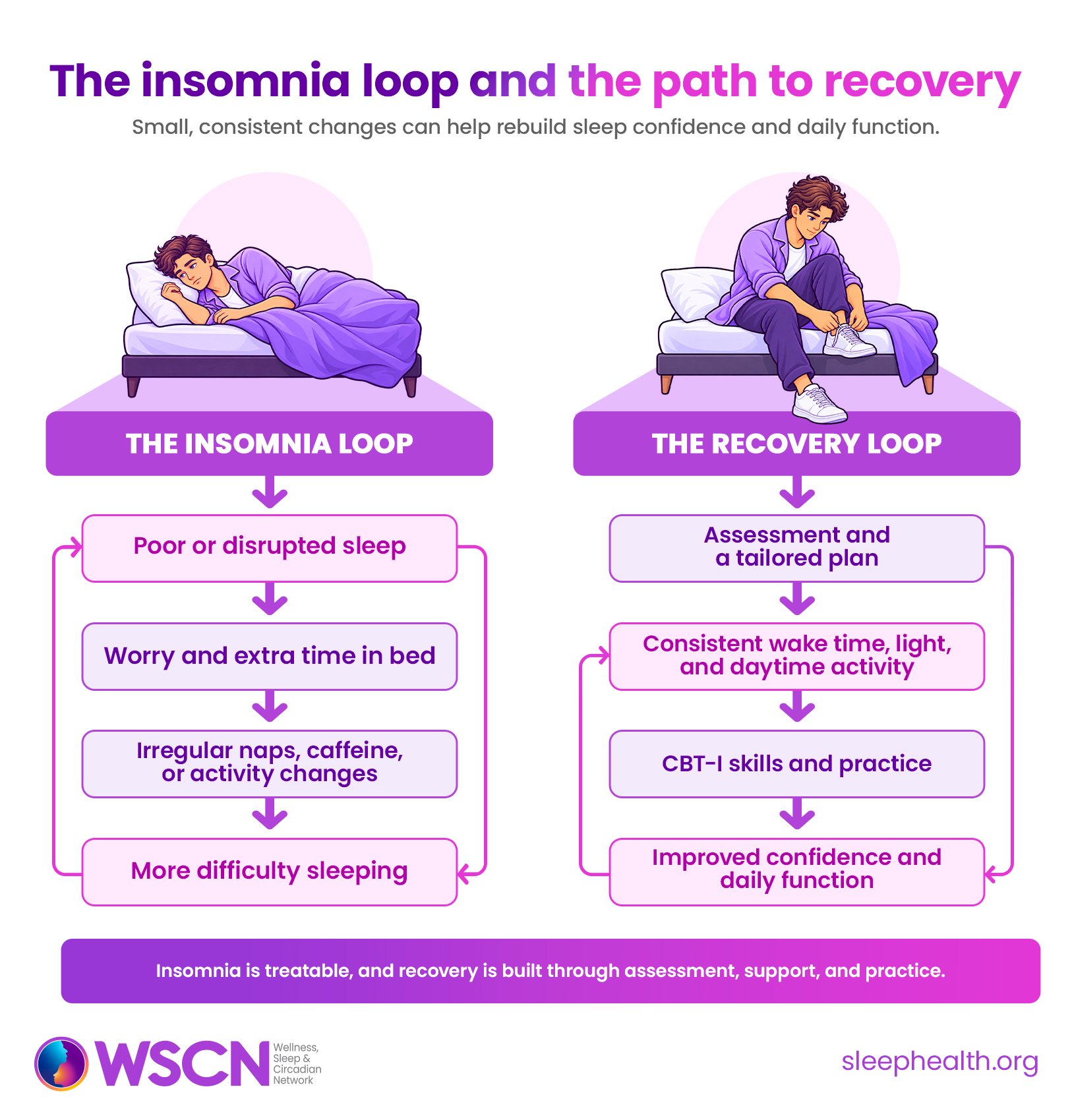
Understanding the Insomnia Loop

Over time, insomnia can become a self-reinforcing loop. Spending more time in bed trying to sleep, taking irregular naps, or worrying about another sleepless night can make it harder to sleep well.

Sleep also follows the body’s internal clock, or circadian rhythm. Irregular schedules, inconsistent wake times, and evening light exposure can interfere with this natural timing and make sleep difficulties harder to resolve.

Breaking this cycle does not mean trying harder to sleep. Small, consistent changes to daily routines, combined with effective treatment, can help rebuild healthier sleep patterns and confidence in sleep.

Screening and diagnosis

Insomnia is usually diagnosed by reviewing a person’s sleep history, symptoms, and how sleep difficulties affect everyday life. A healthcare professional will also look for factors that may be contributing to the problem.

Before an appointment, it can help to keep track of:

  • Sleep patterns: Bedtimes, wake times, how long it takes to fall asleep, nighttime awakenings, and naps
  • Daily habits: Caffeine and alcohol use, exercise, and light exposure
  • Health and wellbeing: Stress, mood, pain, daytime fatigue, and other symptoms that affect sleep
  • Medical history: Existing health conditions, medications, and any treatments already tried

A sleep diary covering one to two weeks can help identify patterns and provide useful information for diagnosis.

How insomnia is diagnosed

A healthcare professional may use several tools to assess insomnia, including:

  • Sleep diaries: Records of sleep patterns over one to two weeks
  • Questionnaires: Tools such as the Insomnia Severity Index to assess symptoms and their impact
  • Actigraphy: A wearable device that tracks movement and activity to help estimate sleep patterns
  • Medical review: Assessment of medications, health conditions, and other factors that could affect sleep

An overnight sleep study is not usually necessary to diagnose insomnia. However, it may be recommended if symptoms suggest another sleep disorder, such as sleep apnea or a sleep-related movement disorder.

When to talk with a healthcare professional

Talk with a healthcare professional if sleep difficulties persist, cause distress, or interfere with your daily life. You do not need to know what is causing your sleep problems before seeking help.

If you are too sleepy to drive or work safely, avoid these activities and seek prompt medical advice. If sleep problems are accompanied by thoughts of self-harm, seek immediate professional or emergency support.

Red Flag: Seek urgent medical care if symptoms or sleep loss are affecting a person’s ability to drive or work safely, or is causing severe distress or thoughts of self-harm.

What to bring to a doctor’s visit

A primary care physician is a good place to start for a sleep disorder evaluation. They can conduct preliminary screenings and recommend next steps for diagnosis. It can be helpful to bring information to an initial visit: try using WSCN’s Preparing to meet your new healthcare provider checklist.

Causes, risk factors, and health implications

Causes and risk factors

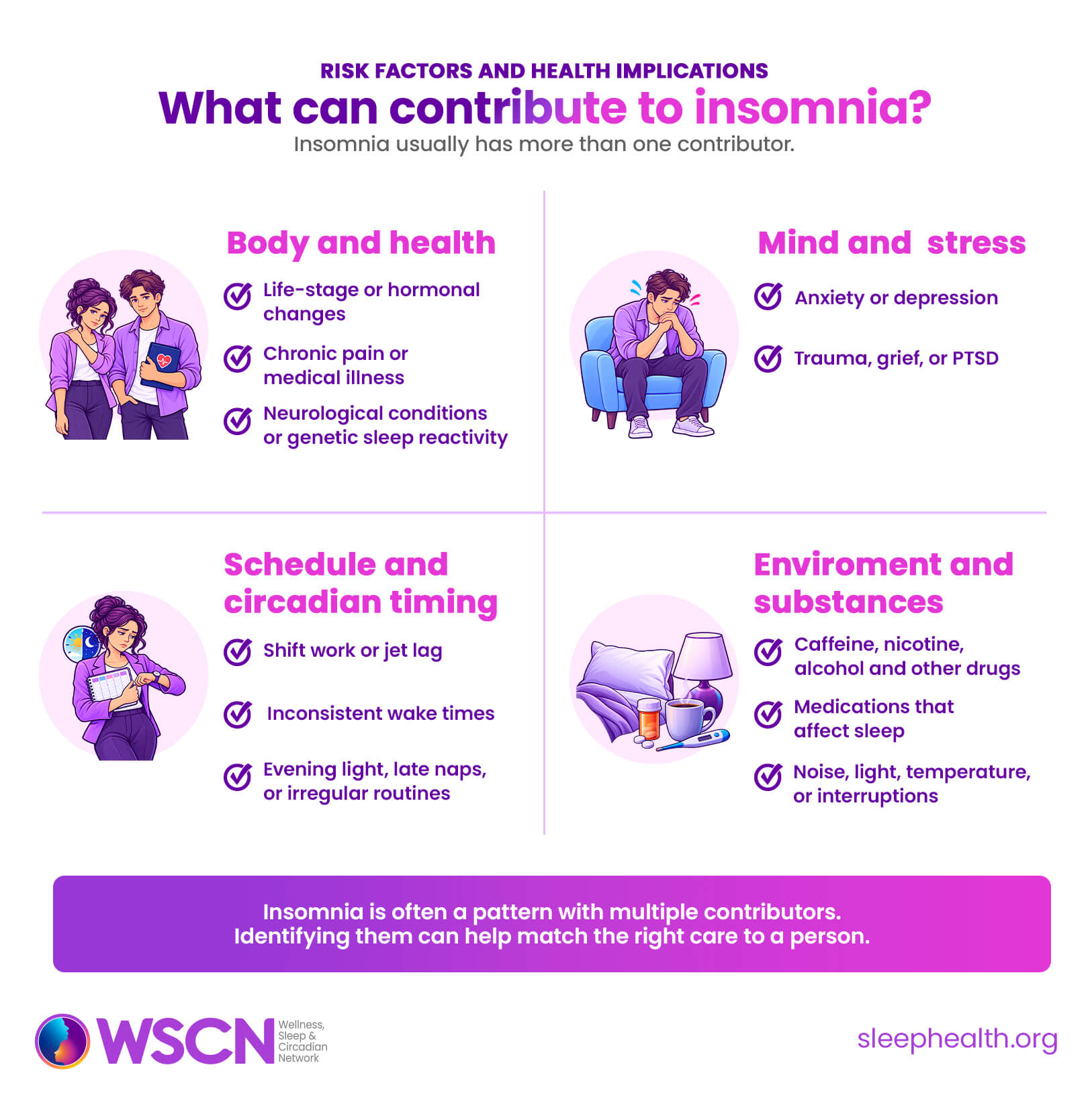
There is no one cause for insomnia, and it usually has more than one contributor.

  • Biological and life-stage factors may include age, sex hormones, pregnancy, perimenopause, menopause, chronic pain, medical illness, neurological conditions, and genetic or temperament differences in sleep reactivity
  • Mental health and stress factors may include anxiety, depression, trauma, grief, caregiving stress, work stress, PTSD, or a period of heightened alertness that does not switch off easily at night
  • Schedule and circadian factors may include shift work, jet lag, inconsistent wake times, evening light exposure, long or late naps, and irregular daily routines
  • Medication and substance factors may include caffeine, nicotine, alcohol, some antidepressants, stimulants, corticosteroids, decongestants, and other recreational drugs and medications that can affect sleep
  • Sleep environment and behavior factors may include noise, light, temperature, bed partner disruption, caregiving interruptions, spending long periods awake in bed, or using the bed for wakeful activities like TV

These factors are not personal failures. Identifying contributing factors helps match the treatment plan to the person.

Long-term health implications

Chronic insomnia can affect more than sleep and daytime wellbeing. Research has linked persistent insomnia to several long-term health concerns, although these relationships are complex and do not necessarily mean that insomnia directly causes these conditions.

Heart and blood vessel health: Chronic insomnia is associated with a higher risk of high blood pressure, cardiovascular disease, and stroke. Disrupted sleep can also affect the body’s stress response and blood pressure regulation.

Metabolic health: Persistent insomnia has been linked to changes in how the body regulates blood sugar and responds to insulin. Research has also found associations with an increased risk of type 2 diabetes.

Mental health: Insomnia is closely connected with depression and anxiety. The relationship works in both directions: insomnia can increase the risk of mental health problems, while depression and anxiety can make sleep difficulties worse.

Pain and inflammation: Poor sleep can increase sensitivity to pain and make existing chronic pain conditions harder to manage. Researchers are also studying how persistent sleep disruption affects inflammation.

Immune and overall health: Ongoing sleep disruption can affect immune function and recovery from illness. Insomnia can also reduce quality of life by making it harder to maintain relationships and participate in everyday activities.

These associations do not mean that everyone with insomnia will develop other health problems. However, they highlight why persistent insomnia deserves attention and effective treatment as part of overall health and wellbeing.

Treatment and management

Insomnia is treatable, and effective care can improve both nighttime sleep and daytime wellbeing. The best approach depends on a person’s symptoms, medical history, and individual needs.

Cognitive behavioral therapy for insomnia

Cognitive behavioral therapy for insomnia (CBT-I) is the recommended first-line treatment for adults with chronic insomnia. It helps people identify and change patterns of thinking and behavior that can keep sleep difficulties going.

CBT-I typically includes several approaches:

  • Sleep education: Understanding how sleep works and what influences it
  • Stimulus control: Helping the brain reconnect being in bed with sleeping rather than lying awake
  • Sleep restriction or sleep compression: Carefully adjusting time spent in bed to strengthen the natural drive to sleep
  • Cognitive strategies: Addressing worries and unhelpful thoughts about sleep

You can read more in our guide to CBT-I here.

Sleep medications

Prescription or over-the-counter sleep medications may be appropriate for some adults, especially for short-term situations or when insomnia is severe. Medication may reduce symptoms, but it does not always address the learned, behavioral, circadian, or medical contributors that keep insomnia going. Some people benefit from medication combined with CBT-I or another structured plan. Medication should always be discussed with and used as directed by a qualified healthcare provider.

Treating contributing conditions

If insomnia is related to pain, menopause symptoms, depression, anxiety, sleep apnea, restless legs syndrome, medication effects, or shift work, those factors may need direct treatment with the appropriate healthcare provider. For many adults, insomnia improves most when both the insomnia pattern and the contributing condition are addressed.

Research and what we are still learning

Researchers continue to study why insomnia develops and persists, and why some treatments work better for certain people than others. This includes identifying different biological patterns of insomnia and improving treatment for people who also have medical or mental health conditions.

Another important area of research is understanding how chronic insomnia affects long-term health, including cardiovascular and metabolic health. Researchers are also exploring how behavioral treatments and medications can be used most effectively and safely.

Improving access to effective treatment is another priority. Digital CBT-I programs and other approaches to delivering care are being studied as ways to help more people receive treatment, particularly those who have limited access to trained sleep specialists.

Related conditions

Insomnia can overlap with or resemble:

  • Obstructive sleep apnea
  • Circadian rhythm sleep-wake disorders
  • Shift work disorder
  • Depression and anxiety
  • Chronic pain
  • Menopause-related sleep disruption
  • Medication- or substance-related sleep problems
  • Insufficient sleep syndrome

References


Medical disclaimer
This article is for educational purposes only and is not intended to replace professional medical advice, diagnosis, or treatment. Speak with a qualified healthcare professional about questions or concerns related to your sleep. Read full medical disclaimer
Continue reading

Trouble Sleeping

Trouble sleeping can mean difficulty falling asleep, waking frequently during the night, or waking earlier than intended. Some people get enough hours of sleep but still wake feeling unrefreshed.

Sleep difficulties are common and can happen for many reasons, including stress, illness, or changes in daily routines. While occasional sleep problems are usually temporary, persistent difficulties may be a sign of an underlying sleep disorder or another health condition.

Understanding what is affecting your sleep is the first step toward finding solutions. This page explains common symptoms, possible causes, and when to seek support.

Overview

  • Trouble sleeping can be temporary, often occurring during periods of stress, illness, travel, or changes in daily routines
  • Persistent or recurring sleep difficulties may indicate an underlying sleep disorder or another health condition, even when the cause seems clear
  • Stress and sleep problems can reinforce each other. Stress can make it harder to sleep, while poor sleep can make everyday challenges more difficult to manage
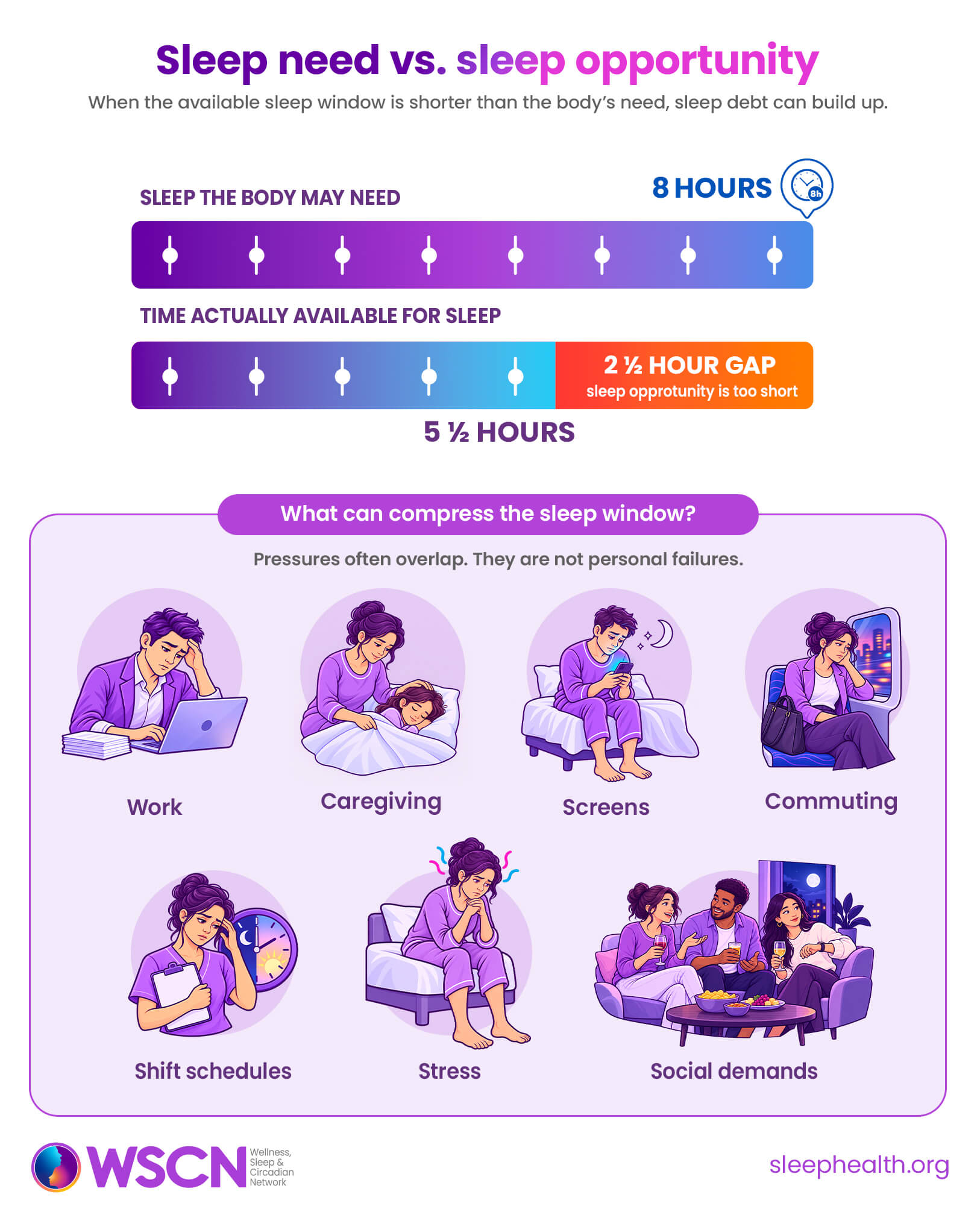
  • Trouble sleeping does not always mean the same thing. Some people have difficulty sleeping despite having enough time to rest, while others do not get enough sleep because of work, caregiving, or conflicting schedules

ON THIS PAGE

Common signs and symptoms

Trouble sleeping can affect both nighttime rest and how someone feels and functions during the day. Symptoms vary depending on the underlying cause and the person’s age.

Nighttime symptoms

  • Taking a long time to fall asleep
  • Frequent waking or difficulty returning to sleep
  • Waking earlier than intended, being unable to return to sleep
  • Sleep that feels light, broken, or unrefreshing

Daytime symptoms

  • Fatigue, sleepiness, irritability, low mood, or headaches
  • Difficulty concentrating, learning, remembering, or making decisions
  • Reduced performance, relationship strain, or safety concerns
  • Anxiety that makes it hard to unwind and get ready to sleep
  • Worry about sleep, or changing routines to compensate for poor sleep

Pediatric symptoms

  • Bedtime resistance, repeated requests (stories, hugs, water), or caregiver-dependent settling in children
  • Daytime irritability, distractability, hyperactivity, falling grades, school avoidance, or unusual difficulty waking in the morning
  • Read more about pediatric insomnia

Not everyone experiences the same symptoms. When sleep difficulties persist or begin to affect daily life, further evaluation can help identify the cause.

  • Insufficient sleep syndrome

Why trouble sleeping matters across 24 hours

Trouble sleeping doesn’t end when the night is over. Poor sleep can affect your energy, mood, and concentration, making everyday activities more difficult. It can also influence how you respond to stress and manage daily responsibilities.

What happens during the day can then affect your next night’s sleep. For example, relying on extra caffeine, taking long naps, or spending more time awake in bed may sometimes make it harder to sleep, creating a cycle of disrupted nights and difficult days.

Breaking this cycle starts with understanding what is affecting your sleep. Finding routines that work for you, alongside appropriate treatment when needed, can help improve sleep and support better wellbeing throughout the day.

When to seek help

You do not need to know what is causing your sleep difficulties before asking for help. Talk with a healthcare professional if sleep problems persist, become more frequent, or begin to affect your health, mood, or daily activities. Many sleep problems can be treated, and getting support can help you find the right approach.

Red Flag: Seek prompt or urgent help if:

  • You are falling asleep while driving or performing activities where sleepiness could put you or others at risk.
  • Severe sleepiness makes it difficult to function safely during the day.
  • You experience major changes in mood or behavior, overwhelming distress, or thoughts of self-harm.
  • Persistent insomnia or stress that feels difficult to manage also deserves medical attention, even when there is no immediate safety concern.

Assessment and diagnosis

A healthcare professional may review bedtime, wake time, sleep opportunity, time to fall asleep, awakenings, naps, daytime effects, routines, stress, mood, and observations from family members. A two-week sleep diary or actigraphy is often useful. The history can help distinguish insomnia from insufficient sleep opportunity and show how stress may be affecting the pattern. Learn more at Diagnosing Sleep Problems.

Clinicians also look for other explanations. Other sleep disorders or medical conditions can cause difficulty sleeping, especially on socially defined schedules, so evaluation is essential.

Treatment and management

Treatment depends on the reasons for trouble sleeping, severity of symptoms, and a person’s overall health. Many effective treatments are available, and the best place to start is by having a conversation with your healthcare provider.

Depending on the condition, some examples of treatment options may include:

  • CBT-I: An evidence-based behavioral treatment for insomnia
  • Relaxation techniques: Can assist in stress reduction
  • Maintaining a consistent sleep and meal schedule: Helps to signal to the body clock the time of day
  • Addressing barriers to sleep: Finding ways to make time for sleep, and creating an environment that supports healthy sleep

A healthcare professional can help determine the most appropriate approach. You can learn more about treatment and management options in the specific condition pages above.

References


Medical disclaimer
This article is for educational purposes only and is not intended to replace professional medical advice, diagnosis, or treatment. Speak with a qualified healthcare professional about questions or concerns related to your sleep. Read full medical disclaimer

Continue reading

Insufficient Sleep Syndrome

Insufficient sleep syndrome develops when someone regularly does not allow enough time for sleep, leading to excessive daytime sleepiness and difficulty staying alert. Unlike an occasional short night, this pattern continues over time, and symptoms typically improve when sufficient sleep is restored.

Work schedules, caregiving responsibilities, and other daily demands can make it difficult to get enough sleep. Some people become so accustomed to sleeping too little that they do not recognize how much it affects them.

Understanding what limits sleep opportunity can help people find practical ways to get the rest they need and improve their health and daily functioning.

Overview

  • Insufficient sleep syndrome is a sleep-wake disorder caused by regularly not allowing enough time for sleep.
  • The main symptom is daytime sleepiness or reduced alertness that improves when sleep time is extended.
  • Adults may not recognize the pattern because short sleep can become normalized.
  • Some cultures promote hustle culture, or the idea of “not needing” much sleep, which can lead people to deprioritize sleep in harmful ways.
  • Sleep loss can affect concentration, mood, decision-making, safety, metabolism, and whole-body health
  • Diagnosis often uses sleep history, sleep diary, actigraphy, and evaluation for other sleep or medical conditions.
  • Treatment focuses on increasing sleep opportunity, making schedules more regular, and addressing barriers that keep sleep too short.

ON THIS PAGE

About Insufficient Sleep Syndrome

Insufficient sleep syndrome is classified as a central disorder of hypersomnolence, a group of sleep disorders characterized by excessive daytime sleepiness. Unlike conditions such as narcolepsy, insufficient sleep syndrome develops because a person regularly has too little time available for sleep.

Sleep loss often builds gradually. People may shorten their sleep to meet daily responsibilities or delay bedtime for other activities. Over time, this creates a growing sleep debt that can affect alertness and daily functioning.

A defining feature of insufficient sleep syndrome is that daytime sleepiness improves when someone consistently gets enough sleep. This distinguishes it from insomnia, where a person has difficulty sleeping despite having sufficient opportunity.

Sleep timing also plays a role. Irregular schedules can make it harder to maintain adequate sleep, while consistent sleep and wake times can help support recovery.

Signs and Symptoms

Insufficient sleep syndrome is often caused by responsibilities and pressures across all 24 hours, and it can affect the whole 24 hours in return as sleep debt rises and starts to impact daytime wellbeing.

Sleep and schedule patterns

  • Regularly allowing too little time for sleep
  • Going to bed later than intended or waking early because of daily responsibilities
  • Sleeping longer on weekends, days off, or vacations to catch up on lost sleep
  • Taking naps to compensate for insufficient nighttime sleep
  • Having different sleep schedules on workdays and days off

Daytime symptoms

  • Excessive sleepiness, including unintentionally dozing off during quiet activities
  • Fatigue or low energy
  • Difficulty concentrating, remembering information, or making decisions
  • Irritability, low mood, or reduced motivation
  • Increased reliance on caffeine to stay alert
  • Difficulty staying awake while driving or performing other activities that require sustained attention

Symptoms often improve when enough time is consistently available for sleep. This pattern can help distinguish insufficient sleep syndrome from other causes of excessive daytime sleepiness.

Screening and Diagnosis

Diagnosing insufficient sleep syndrome begins with a review of sleep patterns, daytime symptoms, and daily routines. A healthcare professional may ask how much sleep someone gets on workdays and days off, and what limits their time available for sleep.

Assessment may include:

Sleep diary: Records sleep and wake times, typically over two weeks or longer, to identify patterns of insufficient sleep.

Actigraphy: Uses a small wearable device to estimate sleep duration and timing over time.

Sleep extension: Increasing the time available for sleep can help determine whether daytime sleepiness improves with adequate rest.

Clinicians also consider other causes of excessive sleepiness, including sleep apnea, narcolepsy, and medication effects. Additional testing may be recommended if symptoms persist despite consistently getting enough sleep.

Identifying the underlying cause helps guide treatment toward restoring sufficient sleep and improving daytime alertness

Learn more: Diagnosing Sleep Disorders

When to talk with a healthcare professional

You do not need to know what is causing your symptoms before asking for help. Talk with a healthcare professional if sleep-related problems persist, become more frequent, or begin to affect your health or daily life.

Insufficient sleep syndrome can often be treated by restoring adequate sleep. Getting support can help identify barriers to sufficient rest and find practical ways to address them.

Red Flag: Seek prompt or urgent help if:

  • You are falling asleep while driving or performing activities where sleepiness could put you or others at risk
  • Severe sleepiness makes it difficult to function safely or care for yourself
  • You experience major changes in mood or behavior, overwhelming distress, or thoughts of self-harm

Avoid driving or other hazardous activities when you cannot remain alert. Seek emergency support if you are in immediate danger or experiencing thoughts of self-harm with an intent to act.

What to bring to a doctor’s visit

A primary care physician is a good place to start for a sleep disorder evaluation. They can conduct preliminary screenings and recommend next steps for diagnosis. It can be helpful to bring information to an initial visit: try using WSCN’s Preparing to meet your new healthcare provider checklist.

Causes, Risk Factors, and Health Implications

Insufficient sleep syndrome develops when the time available for sleep regularly falls short of what the body needs. This often reflects a mismatch between sleep needs and the demands of daily life.

Common contributing factors include:

  • Work and schedule pressures: Long working hours, early start times, multiple jobs, shift work, or lengthy commutes can limit time available for sleep.
  • Caregiving and household responsibilities: Caring for children or family members, particularly when combined with work and other obligations, can reduce sleep opportunity.
  • Daily habits and competing priorities: Late-night screen use, social activities, or regularly delaying bedtime can shorten sleep duration.
  • Social and economic barriers: Financial pressures, unpredictable work schedules, or limited control over working hours can make it difficult to protect enough time for sleep.
  • Beliefs and expectations about sleep: The idea that sleep is optional or less important than productivity can encourage people to regularly sacrifice sleep.
  • Irregular sleep schedules: Frequent changes in bedtime or wake time can make it harder to get sufficient sleep consistently.

Other factors, such as chronic pain, stress, medications, or environmental disturbances, can also reduce sleep duration. However, these may cause sleep disruption even when enough time is available for sleep and may require separate assessment.

Understanding what limits sleep opportunity can help identify realistic changes that support better sleep. Not every barrier is within an individual’s control, and improving sleep may require support at home or changes in work arrangements.

Long-term health implications

Persistent insufficient sleep can affect physical and mental health. Research has linked habitual short sleep with several long-term health risks, although these associations do not mean that insufficient sleep directly causes every condition.

Potential health implications include:

  • Heart and blood vessel health: Short sleep has been associated with higher risk of hypertension and cardiovascular disease.
  • Metabolic health: Insufficient sleep can affect glucose regulation, insulin sensitivity, appetite regulation, and weight-related health risks. It also increases risk for type 2 diabetes.
  • Mental health: Ongoing sleep loss can worsen irritability, anxiety, low mood, emotional regulation, and stress resilience.
  • Brain and cognitive health: Short sleep can impair attention, memory, reaction time, learning, and decision-making.
  • Safety: Sleepiness increases risk for drowsy driving, workplace errors, injuries, and accidents.
  • Immune and whole-body health: Sleep loss may affect immune function, inflammation, recovery, and the ability to maintain health-supporting routines like exercise and healthy eating.
  • Relationships and quality of life: Chronic sleep loss can affect communication, patience, intimacy, social participation, and caregiving capacity.

These associations do not mean insufficient sleep causes every condition in every person. They do mean that persistent short sleep deserves attention as part of a whole-person, 24-hour approach to health.

Treatment and Management

Insufficient sleep syndrome can often be improved by consistently getting enough sleep. Treatment focuses on increasing sleep opportunity and addressing the circumstances that prevent adequate rest. The goal is to develop a realistic sleep schedule that supports both health and daily responsibilities.

Extend sleep opportunity

The most effective approach is to protect enough time for sleep each night. Most adults need seven to nine hours of sleep, although individual needs vary.

A practical plan may include:

  • Setting a realistic target sleep window
  • Keeping a consistent wake time when possible, even on days off
  • Talking to household members about your sleep goals and needs
  • Asking for support with caregiving or household routines
  • Addressing work schedule barriers when possible
  • Moving bedtime earlier in small steps
  • Reducing activities that delay sleep

Make the 24-hour routine support sleep

Sleep is easier to protect when the daytime routine supports it. Helpful strategies may include:

  • Morning daylight exposure
  • Regularly timed meals
  • Physical activity earlier in the day 
  • Limiting alcohol late in the evening
  • Avoiding caffeine 5-6 hours before sleep
  • Reducing evening light exposure 
  • Creating a predictable, calming wind-down routine

Naps may help short-term safety and alertness, but long or late naps can make nighttime sleep harder for some people. Nap timing should be individualized.

Address related conditions and circumstances

Other sleep disorders, chronic pain, or mental health conditions can contribute to sleep difficulties and may need separate treatment. If excessive daytime sleepiness continues despite consistently getting enough sleep, further medical evaluation may be necessary.

Some barriers to sufficient sleep cannot be resolved through personal habits alone. Changes to work schedules, support with caregiving, or workplace accommodations may be needed to create more time for rest.

Improving sleep does not require a perfect schedule. Finding a routine that allows enough sleep and works with daily life can help restore alertness and support long-term health.

Research and What We Are Still Learning

Insufficient sleep syndrome is common but still under-recognized, perhaps in part because many cultures still undervalue the importance of sleep to overall health. Researchers are studying how to diagnose insufficient sleep syndrome more consistently, how sleep extension changes symptoms, and the best way to address barriers to getting adequate sleep.

Recent clinical research suggests that remission may depend not only on longer sleep time but also on more stable circadian rhythms including regular sleep schedules, fewer naps, and healthy daytime behaviors that support sleep. 

The importance of sleep for general health has also been increasingly acknowledged by policy makers and the general public. Recent discussions around daylight savings time, high school start times, and workplace schedule flexibility all reflect a growing recognition of the importance of sleep.

Related Conditions

Insufficient sleep syndrome can overlap with or be confused with:

  • Insomnia disorder
  • Obstructive sleep apnea
  • Idiopathic hypersomnia
  • Narcolepsy
  • Circadian rhythm sleep-wake disorders
  • Shift work disorder
  • Depression, anxiety, pain, and medication-related sleepiness

References


Medical disclaimer
This article is for educational purposes only and is not intended to replace professional medical advice, diagnosis, or treatment. Speak with a qualified healthcare professional about questions or concerns related to your sleep. Read full medical disclaimer
Continue reading

Narcolepsy

Narcolepsy is a chronic neurological sleep disorder that affects the brain’s ability to regulate sleep and wakefulness. People with narcolepsy experience excessive daytime sleepiness, often struggling to stay awake even after getting enough sleep at night.

Narcolepsy can also disrupt nighttime sleep and make everyday activities more challenging. Although it is a lifelong condition, appropriate treatment and support can help people manage their symptoms, stay active, and participate more fully in daily life.

Overview

  • Narcolepsy causes excessive daytime sleepiness and difficulty maintaining alertness, even when someone gets enough sleep at night.
  • Symptoms can include sudden sleep attacks, disrupted nighttime sleep, sleep paralysis, and vivid dream-like experiences when falling asleep or waking up.
  • Some people experience cataplexy, a sudden loss of muscle strength triggered by emotions such as laughter or surprise.
  • There are two main types of narcolepsy. Type 1 is associated with a loss of orexin, a brain chemical that helps regulate wakefulness, and often involves cataplexy. Type 2 occurs without cataplexy, and its underlying cause is less well understood.
  • Narcolepsy is a lifelong condition, but medications and adjustments to daily routines can help manage symptoms and improve quality of life.

ON THIS PAGE

About Narcolepsy

Narcolepsy belongs to a group of sleep disorders called central disorders of hypersomnolence, which cause excessive daytime sleepiness. In narcolepsy, the brain has difficulty maintaining stable boundaries between sleep and wakefulness.

This can cause features of rapid eye movement (REM) sleep, the stage associated with vivid dreaming, to appear at unusual times. For example, temporary muscle paralysis or dream-like experiences can occur while someone is falling asleep or waking up.

There are two main types of narcolepsy:

Narcolepsy type 1: Usually involves cataplexy, a sudden loss of muscle strength triggered by emotions. It is associated with low levels of orexin (also called hypocretin), a brain chemical that helps maintain wakefulness. Some people have type 1 without cataplexy if testing confirms low orexin levels.

Narcolepsy type 2: Causes excessive daytime sleepiness without cataplexy. Orexin levels are not abnormally low when measured, and the underlying cause is less well understood.

Narcolepsy often begins in childhood, adolescence, or early adulthood, but diagnosis can take years. Symptoms may be mistaken for insufficient sleep, attention problems, or other health conditions, delaying access to appropriate care.

Signs and Symptoms

Narcolepsy affects people differently. Some experience sudden, noticeable symptoms, while others develop more subtle difficulties that can be mistaken for ordinary tiredness or poor sleep.

Daytime symptoms

The main symptom of narcolepsy is excessive daytime sleepiness, which can make it difficult to stay awake and alert during everyday activities.

Common symptoms include:

  • Sleep attacks: Sudden, sometimes overwhelming episodes of sleepiness that can lead to falling asleep unintentionally.
  • Briefly refreshing naps: Short naps often improve alertness, but sleepiness usually returns.
  • Difficulty concentrating: Problems with attention, memory, or clear thinking, sometimes described as brain fog.
  • Automatic behaviors: Continuing familiar activities with little awareness or memory of what happened.
  • Mood changes: Irritability, frustration, or emotional distress related to persistent symptoms.

Excessive sleepiness can also create safety risks, particularly when driving or performing activities that require sustained attention.

Cataplexy

Cataplexy is a sudden, temporary loss of muscle strength while awake, usually triggered by strong emotions such as laughter, surprise, or excitement. It is characteristic of narcolepsy type 1.

Episodes can range from mild weakness, such as drooping eyelids or buckling knees, to a complete collapse. Unlike fainting, people generally remain conscious and aware of their surroundings.

Sleep-related symptoms

Narcolepsy can also disrupt nighttime sleep and the transitions between sleeping and waking.

Common symptoms include:

  • Sleep paralysis: A temporary inability to move or speak while falling asleep or waking up.
  • Sleep-related hallucinations: Vivid dream-like images, sounds, or sensations that occur while falling asleep or waking up.
  • Fragmented nighttime sleep: Frequent awakenings or difficulty maintaining continuous sleep.
  • Vivid dreams or nightmares: Intense dream experiences that can sometimes be disturbing.

Not everyone with narcolepsy experiences all these symptoms. Their frequency and severity can also change over time.

Screening and Diagnosis

Diagnosing narcolepsy begins with a review of symptoms, sleep patterns, and medical history. A healthcare professional may ask about excessive daytime sleepiness, cataplexy, and other sleep-related symptoms. Sleep diaries or actigraphy may help document sleep patterns before further testing.

Diagnosis usually involves two tests:

  • Overnight sleep study (polysomnography): Records sleep and helps identify other conditions, such as sleep apnea, that may contribute to daytime sleepiness.
  • Multiple Sleep Latency Test (MSLT): Conducted the following day, this test measures how quickly someone falls asleep during scheduled naps and whether REM sleep begins unusually early.

In some cases, a specialist may also measure orexin levels in the fluid surrounding the brain and spinal cord to help diagnose narcolepsy type 1.

Insufficient sleep, irregular schedules, and certain medications can affect test results. A sleep specialist considers these factors when making a diagnosis and recommending treatment.

When to talk with a healthcare professional

You do not need to know what is causing your symptoms before asking for help. Talk with a healthcare professional if sleep-related problems persist, become more frequent, or begin to affect your health or daily life.

Narcolepsy can be treated and managed. Getting support can help identify the underlying cause of your symptoms and guide appropriate care.

Red Flag: Seek urgent medical care if:

  • You fall asleep while driving or during activities where losing alertness could cause harm
  • Severe daytime sleepiness makes it difficult to function safely or care for yourself
  • Sudden muscle weakness or collapse leads to falls or injuries
  • You experience overwhelming distress or thoughts of self-harm

Avoid driving or other hazardous activities if you cannot stay reliably alert. Sudden loss of consciousness, new neurological symptoms, or serious injuries require emergency medical attention.

What to bring to a doctor’s visit

A primary care physician is a good place to start for a sleep disorder evaluation. They can conduct preliminary screenings and recommend next steps for diagnosis. It can be helpful to bring information to an initial visit: try using WSCN’s Preparing to meet your new healthcare provider checklist.

Causes, Risk Factors, and Health Implications

Causes and risk factors

The causes of narcolepsy differ between types 1 and 2. Narcolepsy type 1 is linked to the loss of brain cells that produce orexin, a chemical that helps maintain wakefulness. Researchers believe the immune system plays a role in this process, although the exact cause remains unclear. The causes of narcolepsy type 2 are less well understood.

Several factors may influence the risk of developing narcolepsy, including genetic susceptibility, immune system activity, and certain infections. In rare cases, damage to areas of the brain involved in sleep regulation can cause narcolepsy-like symptoms.

Sleep deprivation, irregular schedules, and untreated sleep disorders do not cause narcolepsy, but they can worsen daytime sleepiness and make diagnosis more difficult.

Long-term health implications

Narcolepsy can affect more than sleep and daytime alertness. Research has found that people with narcolepsy have higher rates of certain health conditions, although the reasons for these associations are not fully understood.

  • Cardiovascular risk: Narcolepsy has been associated with increased cardiovascular and cardiometabolic comorbidities, including high blood pressure, heart attack, stroke, and heart failure.
  • Metabolic problems: People with narcolepsy have higher reported rates of obesity, diabetes, dyslipidemia, and metabolic syndrome compared with people without narcolepsy.
  • Mental health and quality of life: Ongoing excessive daytime sleepiness, disrupted nighttime sleep, and misunderstood symptoms can contribute to depression, anxiety, stigma, social isolation, and reduced quality of life.
  • Safety risks: Untreated sleepiness can lead to falling asleep in unsafe ways during daily activities, including eating, working, or driving.
  • Other sleep disorders and health conditions may be missed: People with narcolepsy can also have other sleep disorders, such as obstructive sleep apnea, which may add to cardiovascular and metabolic risk if not recognized and treated.

These associations do not mean that everyone with narcolepsy will develop other health problems. Appropriate treatment, regular health monitoring, and support for related conditions can help protect long-term health and quality of life.

Treatment and Management

Although narcolepsy is a lifelong condition, treatment can significantly improve daytime alertness and help manage other symptoms. Care is tailored to each person’s needs, with the goal of supporting safety, independence, and quality of life.

Treatment typically combines medication with practical adjustments to daily routines and activities.

Medication options

Several medications are available to improve wakefulness or manage specific narcolepsy symptoms. Treatment options include:

  • Orexin receptor agonists: In August 2026, the FDA approved Orzeyful™ (oveporexton), the first medication that directly restores orexin signaling in adults with narcolepsy type 1. This represents an important advance because it targets the underlying biological problem rather than individual symptoms alone.
  • Wake-promoting medications: Modafinil, armodafinil, solriamfetol (Sunosi®), and pitolisant (Wakix®) can improve daytime alertness through different mechanisms. Pitolisant can also help manage cataplexy.
  • Traditional stimulants: Medications such as methylphenidate and amphetamine-based treatments can help people stay awake during the day.
  • Oxybate medications: Sodium oxybate and related formulations can improve daytime sleepiness and help control cataplexy.
  • Antidepressants: Certain antidepressants are sometimes prescribed to manage cataplexy and other REM-related symptoms, although evidence for their use varies.

Medication choices depend on the type of narcolepsy, symptoms, other health conditions, and individual response. A sleep specialist can help identify appropriate treatment and monitor its effectiveness.

Daily management strategies

Medication is often combined with changes to daily routines that help manage sleepiness and support consistent functioning.

Helpful approaches include:

  • Planned naps: Short, scheduled naps can temporarily improve alertness.
  • Consistent sleep routines: Maintaining regular sleep and wake times and allowing enough time for nighttime sleep.
  • Planning around alertness: Scheduling demanding activities during periods when alertness is generally better.
  • Managing daily habits: Limiting alcohol and other sedating substances when appropriate, and maintaining routines that support healthy sleep.
  • Emotional and social support: Connecting with support groups or mental health professionals can help people manage the emotional impact of living with narcolepsy.

Safety planning

Excessive daytime sleepiness and cataplexy can create safety risks during everyday activities. People with narcolepsy may need to take additional precautions when driving, swimming, cooking, or operating machinery.

Driving safety should be discussed with a healthcare professional and follow local laws. People who cannot remain reliably alert should avoid driving or other hazardous activities until their symptoms are adequately controlled.

School and workplace accommodations

Practical accommodations can help people with narcolepsy participate more fully in education and employment. Depending on individual needs, these may include:

  • Scheduled nap breaks or access to a quiet rest area
  • Flexible start times or adjusted work schedules
  • Breaks during long meetings or classes
  • Recorded lectures, meeting notes, or additional time for assignments
  • Adjustments to duties that involve safety-sensitive tasks

In the United States, people with narcolepsy may qualify for workplace protections under the Americans with Disabilities Act (ADA). Students may also be eligible for support under applicable education laws.

With appropriate treatment and accommodations, many people with narcolepsy can manage their symptoms effectively and maintain fulfilling, active lives.

Research and What We Are Still Learning

Narcolepsy research is helping scientists better understand the immune system, orexin signaling, REM sleep regulation, symptom variability, delayed diagnosis, quality of life, and new treatment approaches.

Areas of active interest include:

  • Earlier recognition and diagnosis
  • Better tools for measuring sleepiness and daily functioning
  • The role of orexin in causing narcolepsy type 1 and treatments that target orexin pathways
  • How narcolepsy affects children, teens, families, and caregivers
  • Mental health and social impacts of living with narcolepsy

Research matters because narcolepsy affects every part of daily life, and people living with the condition deserve treatments and systems of care that reflect that reality.

References


Medical disclaimer
This article is for educational purposes only and is not intended to replace professional medical advice, diagnosis, or treatment. Speak with a qualified healthcare professional about questions or concerns related to your sleep. Read full medical disclaimer

Continue reading